

Becoming an authorized dealer for DJI drones can be a smart way to grow a technology-focused business in a market that continues to expand across commercial photography, industrial inspections, agriculture, mapping, and public safety. DJI’s dealer network is built to ensure customers receive authentic products, accurate technical guidance, and reliable support throughout the purchase and ownership journey. If you want to represent DJI professionally, the process requires more than interest in drones—it demands eligibility readiness, brand-aligned operations, and a clear sales and support plan.
Understanding DJI’s Authorized Dealer Program
DJI’s authorized dealer program is designed to build a trusted channel of partners who can effectively sell and support DJI drone products. By joining the program, you gain access to DJI’s product lineup and can strengthen your brand credibility with customers who recognize DJI as a leading name in unmanned aerial systems (UAS).
Authorized dealers typically benefit from:
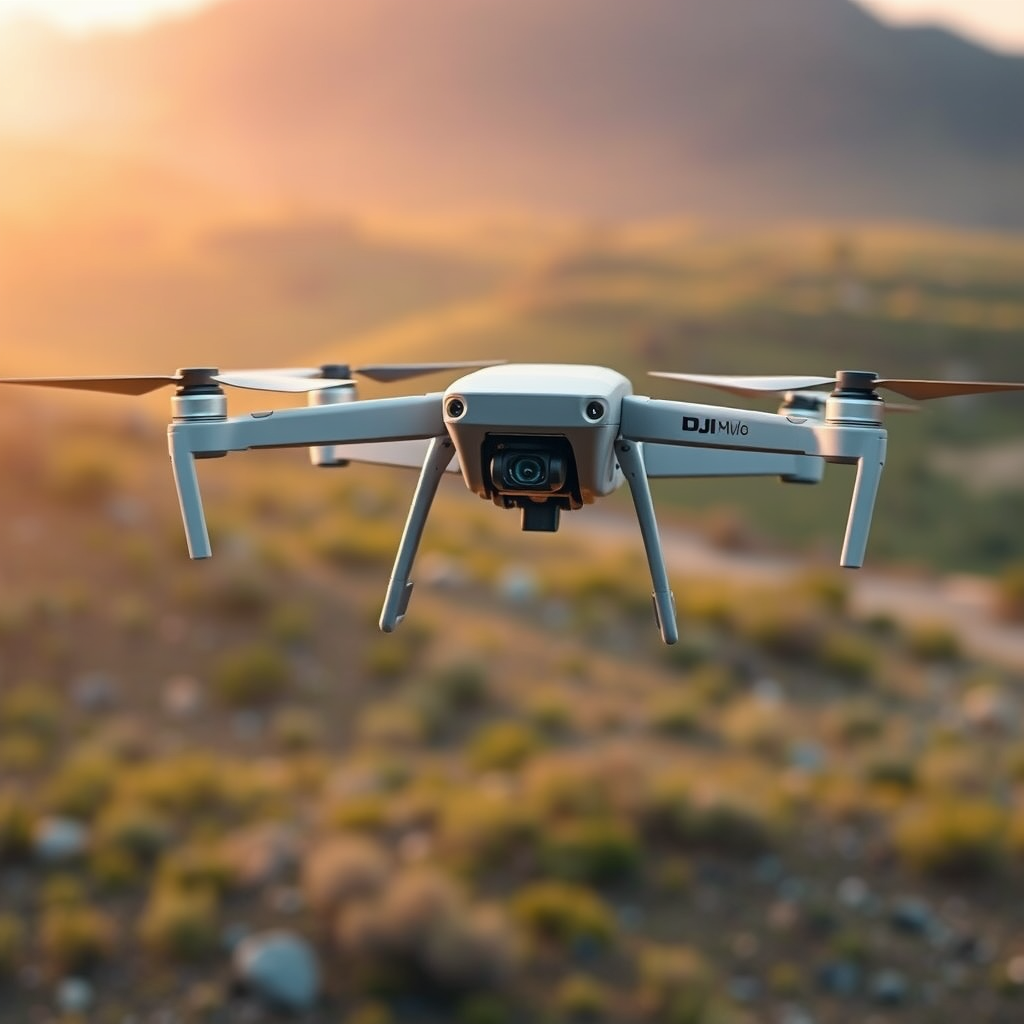
- Access to the DJI product catalog, including current drone models, imaging solutions, and compatible accessories.
- Marketing and brand support aligned with DJI guidelines.
- Training resources that help your team handle customer questions and product setup effectively.
- Increased customer trust by offering authentic DJI hardware backed by DJI’s ecosystem.
DJI’s program also supports different dealer formats, including:
- Physical retail stores that provide in-person consultation and product demos.
- Online e-commerce sellers that reach customers through digital storefronts and marketplaces.
- Specialized drone service providers that sell drones as part of managed services like surveying, inspection, or content creation workflows.
Choosing the right dealer category matters because DJI evaluates how you will represent the brand and how effectively you can support customer needs—especially around drone setup, safety, and compliance topics.
Eligibility Requirements to Become a DJI Authorized Dealer
DJI does not treat the dealer application as a one-size-fits-all process. Your eligibility is assessed based on business legitimacy, operational capability, and your ability to deliver a customer experience that matches DJI’s standards.
1) Demonstrate a real sales channel
Most applicants must show that they can sell and support DJI products through a credible channel. This can be either:
- A physical storefront with a service-oriented presence, or
- An established online presence such as a branded website, e-commerce platform, or recognized reseller listing structure.
Consumers expect more than a box delivery—they want guidance on choosing the right drone, understanding camera or payload capabilities, and learning best practices for setup and operation.
2) Provide core business documentation
DJI typically requires standard documentation to confirm that your business is legitimate and compliant. Common items include:
- Business license and proof of active registration
- Tax identification number (varies by country)
- Valid contact and business details for verification
- Company ownership or authorized representative information
3) Show relevant experience in technology sales
While you do not always need to be a former DJI technician, your application improves when you can demonstrate experience selling electronics, enterprise technology, or drone-related equipment. Experience helps ensure you can:
- Explain drone specifications clearly (flight time, sensors, stabilization, camera system)
- Match products to customer use cases (inspection, agriculture mapping, cinematic capture)
- Support customers with accessory selection (batteries, charging hubs, storage, protection)
4) Build a credible sales and support plan
A strong business plan helps DJI understand your goals and readiness. Be specific about your intended market and how you will operate. Include details such as:
- Target customer segments (creators, surveyors, utilities, agricultural operators, education, etc.)
- Sales strategy (online sales, retail, channel partnerships, lead generation)
- Marketing approach aligned with DJI branding rules
- Customer support model for onboarding, troubleshooting, and service readiness
DJI Dealer Application Process: Step-by-Step
The application process generally follows a clear workflow. While requirements can vary by region and dealer type, the core steps remain consistent.
Step 1: Locate the authorized dealer application on DJI’s official website
Start by visiting DJI’s official website and finding the dealer or partner application section. Using official channels ensures you have the latest instructions, eligibility notes, and document requirements.
Step 2: Complete the online application form accurately
DJI will ask for detailed information about your business. Prepare to provide:
- Your business name and primary contact details
- Your business model (retail, e-commerce, services)
- Your sales plan and intended market reach
- Your website URL, storefront information, or sales channels
Step 3: Submit required documents
You will typically need to upload documentation that validates your business status. Although exact requirements may differ, common uploads include your business license and tax identification proof, along with other items DJI requests for verification.
Step 4: Review DJI brand standards and compliance expectations
DJI authorized dealers are expected to represent the DJI brand responsibly. This means aligning with DJI’s guidelines on product promotion, customer communications, and accurate representation of drone specifications and features.
For example, you should be ready to explain DJI products with correct terminology, avoid misleading claims, and promote responsible use (including safety practices and applicable aviation or drone regulations in your region).
Step 5: Participate in training or onboarding (if approved)
If DJI accepts your application, you may be invited to complete training or onboarding steps. Dealer training is intended to help your staff handle product questions, understand drone ecosystems, and support customers through setup and early operation.
Best Practices for Becoming a Strong DJI Dealer Applicant
Even when you meet the basic criteria, certain preparation steps can significantly improve your application quality.
Invest in customer-ready knowledge
DJI customers often need help deciding between camera systems, flight modes, sensor capabilities, and accessory compatibility. Consider documenting your top customer questions and creating a clear “purchase to setup” workflow for your sales team.
Ensure operational support readiness
Before applying, evaluate how you will handle post-purchase needs such as firmware guidance, accessory compatibility, battery and charging best practices, and troubleshooting steps. Dealers who show readiness to support the ownership experience tend to align more strongly with DJI’s objectives.
Present a professional storefront and clear product positioning
If you sell online, make sure your website offers clear product pages, accurate specs, and strong customer service pathways (contact options, response times, warranty/service instructions). For retail dealers, in-store demonstrations and knowledgeable sales staff can be a differentiator.
Choosing the Right Dealer Model for Your Business
Your path to authorization may depend on how you plan to operate. Here are practical examples of how different dealer types can position themselves:
- Retail storefronts: Offer demos, device selection consultations, and accessory bundles that improve customer confidence.
- E-commerce dealers: Use content marketing (how-to guides, setup tutorials, and use-case pages) to drive qualified leads and support customers digitally.
- Service-focused partners: Bundle drone sales into inspection, mapping, or media services, ensuring customers understand both the hardware and the workflow.
Regardless of model, authorization success is tied to consistent brand representation and customer support capability.
What to Expect After Approval
After you become an authorized DJI dealer, your next focus should be maintaining dealer standards. This usually includes staying current on product updates, training requirements, and promotional rules. Authorized dealers often strengthen performance by:
- Building repeatable customer onboarding processes
- Offering compatible accessories and reliable purchase guidance
- Supporting customers with setup and best-practice education
- Providing a trustworthy channel for warranty or service-related needs where applicable
If you’re aiming for long-term growth, treat authorization as the beginning of a customer success strategy—not just a purchasing opportunity.
If you share your country/region and your business type (retail, e-commerce, or drone services), I can tailor a DJI dealer application checklist with the specific documents and positioning details you’re most likely to need.
📋 About This Article
This article explains how to become an authorized dealer for DJI drones so you can sell authentic products and earn customer trust. It’s for entrepreneurs, small business owners, and drone service providers who want a clear path to joining DJI’s dealer network. You’ll learn what the program requires, how to prepare your business to meet eligibility standards, and what to plan for sales, service, and ongoing support.
Frequently Asked Questions: How to Become an Authorized Dealer for DJI Drones
What are the basic requirements to become an authorized dealer for DJI drones?
Requirements vary by region and DJI’s current partner program, but most authorized dealers must demonstrate (1) a legitimate business entity (registered company, tax/VAT documentation as applicable), (2) the ability to store and handle products properly, (3) adequate customer support processes (sales guidance, troubleshooting, warranty/RMA handling), (4) compliance with local laws and DJI policies, and (5) a sales plan showing how you will promote and support DJI products responsibly. Some dealers are also expected to have relevant staff training, clear return/refund workflows, and the ability to provide after-sales service (or an approved pathway for it).
How do I apply to become a DJI authorized dealer?
In most cases, you apply through DJI’s official partner/dealer channels for your country or region. Start by finding the “Dealers/Partners” or “Request Partnership” area on DJI’s website, then submit the application form or contact the regional DJI office via the provided contact method. Be prepared to provide: business information (legal name, address, website/store URL), product categories you want to carry, estimated sales volume, and details about your support capabilities. If you sell online, you may also be asked about your e-commerce platform, fulfillment process, and marketing practices. After submission, DJI or a regional representative typically reviews your application and may request additional documentation, references, or a discovery call.
Do I need a physical store, or can I become an authorized dealer if I sell online?
A physical store is not always strictly required, but many authorization processes favor businesses that can reliably provide customer support and product handling. If you operate primarily online, emphasize your fulfillment capabilities, inventory management, packaging standards, and how you will handle returns, repairs, and warranty workflows. DJI may also evaluate your customer service responsiveness (email/phone/chat), your ability to provide accurate product guidance (including compatibility, requirements, and safety considerations), and your compliance with advertising rules. Having a clear service plan—such as an internal technical team, an approved service partner, or a documented RMA process—can strengthen your application even without a retail location.
What sales and marketing expectations do authorized dealers typically have?
Authorized dealer expectations commonly include maintaining accurate product information, using permitted branding and marketing materials, and meeting certain sales performance or market coverage goals. DJI may require dealers to follow brand guidelines, avoid unauthorized pricing/discounting practices that conflict with partner policies, and promote DJI products in a way that supports responsible use (including safety and regulatory messaging where appropriate). You may also be expected to support product education—such as offering guidance on setup, firmware/software updates, accessory selection, and basic operating best practices. A strong application often includes a sales forecast, target customer segments, marketing channels (local partnerships, online ads, content, trade shows), and how you will handle customer inquiries and pre/post-purchase support.
How do warranty and returns work for DJI products as an authorized dealer?
Warranty and returns processes typically require authorized dealers to follow DJI’s documented support and RMA procedures. In most partner programs, dealers are responsible for the first line of support: gathering order details, troubleshooting with the customer, verifying eligibility, and initiating an RMA or service request when needed. You’ll usually need policies for receiving defective items, verifying serial numbers, shipping/packaging the product safely, and documenting the customer’s issue. Some programs require using specific forms, portals, or authorization steps provided by DJI. To comply, dealers should keep clear internal workflows, track case status, communicate timelines to customers, and ensure returned merchandise is handled in line with DJI requirements. Your authorization may include training or documentation that outlines these steps.
