
The maximum distance you can fly your drone typically ranges from 1 to 4 miles, depending on various factors such as the model, local regulations, and environmental conditions. Understanding these variables will help you maximize your drone’s flying capabilities safely and legally. As drone usage becomes more popular in various sectors—from photography to agriculture—being informed about the range limitations and factors influencing them is essential for both recreational and commercial pilots.
Understanding Drone Range
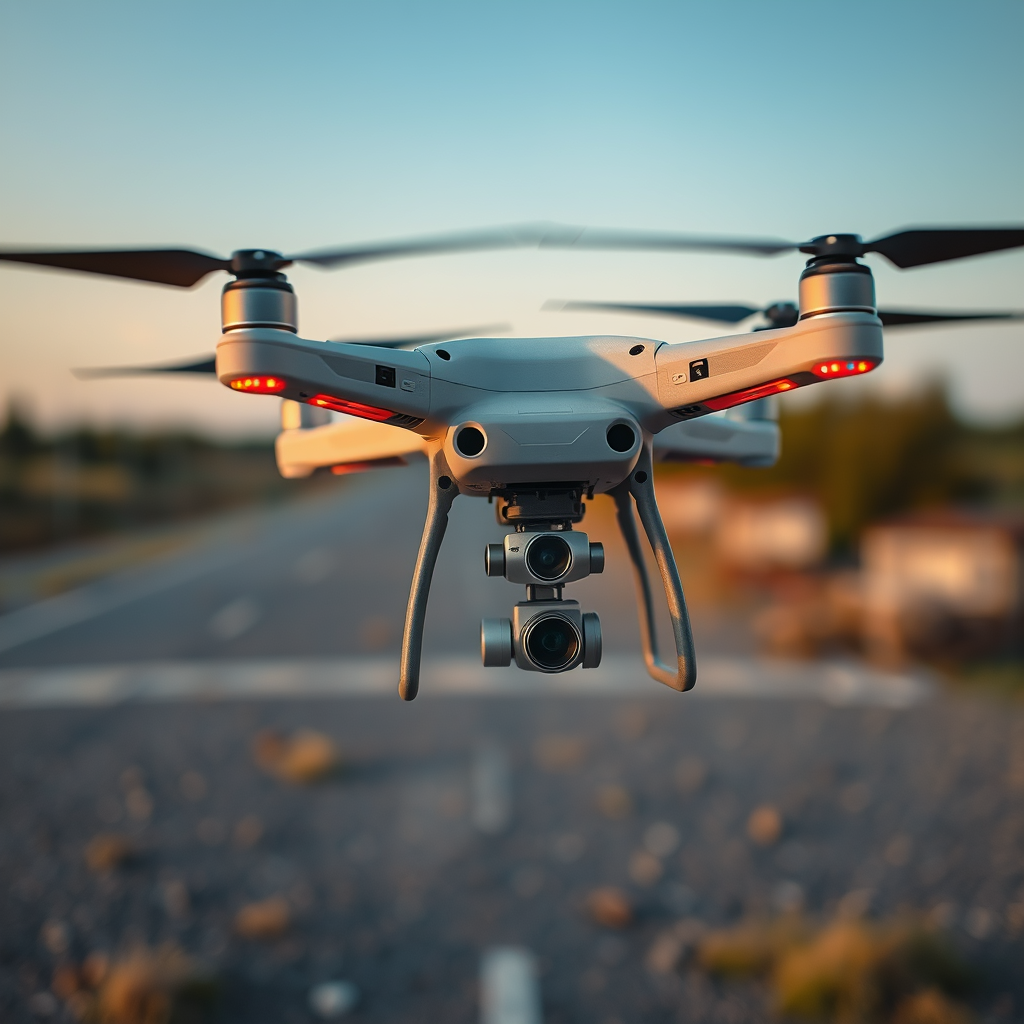
Different drones have different ranges; consumer models may fly up to 2 miles, while high-end drones can reach 4 miles or more. For instance, popular consumer drones like the DJI Mini 2 boast a range of approximately 3 miles under optimal conditions, while advanced models like the DJI Mavic Air 2 can cover distances close to 6.2 miles. However, it’s crucial to note that these ranges are based on ideal conditions, which means minimal interference and optimal weather. The manufacturer’s specifications provide the maximum distance under ideal conditions, but real-world factors often reduce this range significantly.
Moreover, drone technology is advancing rapidly, and newer models often come equipped with stronger transmission systems that enhance range. For example, drones utilizing OcuSync technology can maintain a stable connection at greater distances compared to older Wi-Fi-based models. Therefore, when considering how far you can fly your drone, it’s essential to check the specific model’s range and understand the technology behind it.
Legal Restrictions on Drone Flight
FAA regulations often limit drone flight to a visual line of sight (VLOS), which can affect how far you can fly. In the United States, the Federal Aviation Administration mandates that drone pilots must keep their drones within their visual line of sight at all times. This regulation is designed to ensure safe operation and prevent collisions with manned aircraft. For many hobbyists and even some professionals, this means that the practical range is often limited to roughly 1 to 2 miles, depending on individual capabilities and the area’s visibility conditions.
Local laws may impose additional restrictions, including no-fly zones near airports or urban areas. Many cities and states have specific ordinances regarding drone usage, often influenced by safety and privacy concerns. For example, flying near schools, hospitals, or crowded events may be prohibited, which can significantly limit your operational range. Therefore, it is paramount to familiarize yourself with both federal and local regulations before embarking on any drone flight to avoid potential legal issues.
Environmental Factors Affecting Flight Distance
Physical obstacles like buildings and trees can hinder signal strength and reduce effective range. When flying in urban environments, the presence of tall structures can cause signal interference, leading to a shorter operational distance than the drone’s maximum range. Similarly, flying in heavily wooded areas may also limit your ability to maintain a stable connection with your drone, affecting both the range and the safety of your flight.
Weather conditions such as wind and rain can also impact battery life and flight distance. Strong winds can destabilize a drone, forcing it to use more power to maintain stability, which may reduce overall flight time. Rain and other adverse weather can not only affect visibility but can also introduce additional weight to the drone, further decreasing its range. Therefore, assessing environmental conditions prior to flight is crucial for maximizing distance and ensuring safe operation.
Battery Life and Flight Time
Most drones have a flight time of 20-30 minutes; longer distances may require planning for battery usage. For instance, if a drone has a maximum range of 2 miles but only a flight time of 25 minutes, you must consider the time it takes to travel to that distance and back. Planning your flight path and accounting for return time is essential to avoid a situation where your drone runs out of battery power mid-flight.
Monitoring battery levels is crucial to avoid losing your drone during extended flights. Many modern drones come equipped with battery management systems that provide real-time information on battery status, including remaining flight time. Pilots should always plan their flights to return home with at least 20% battery life remaining to ensure a safe landing. Additionally, carrying spare batteries can extend flight time and allow for longer distances, making them invaluable for more ambitious projects.
Enhancing Your Drone’s Range
Upgrading antennas or using signal boosters can extend the operational range of your drone. Many drone enthusiasts and professionals utilize aftermarket signal boosters or range extenders to improve their drone’s transmission capabilities. These devices can help maintain a stable connection over longer distances, especially in areas with significant interference.
Practice good flying techniques and maintain optimal conditions for flight to maximize distance. For example, flying at a higher altitude may help reduce the impact of ground obstacles, allowing for a clearer signal. Additionally, avoiding areas with heavy electromagnetic interference, such as near radio towers or industrial zones, can help maintain a stable connection and improve your ability to fly further distances.
Tips for Safe Flying
Always check local regulations and register your drone if required. In many jurisdictions, flying a drone without proper registration or in violation of local laws can lead to fines or confiscation of the equipment. Websites like the FAA’s B4UFLY app can provide real-time information about airspace restrictions and guidelines.
Use a pre-flight checklist to ensure your drone is operational and safe for flight. This checklist should include verifying battery levels, checking for firmware updates, and ensuring that all components are securely attached. Taking these precautions can significantly reduce the risk of accidents and increase the likelihood of a successful flight.
In summary, knowing how far you can fly your drone involves understanding its specifications, legal restrictions, and environmental factors. By considering these elements, you can enjoy a safe and enjoyable flying experience. Always stay informed about local regulations and fly responsibly! With careful planning and consideration, you can maximize your drone’s potential while adhering to safety and legal guidelines.
Frequently Asked Questions
How far can I legally fly my drone in the United States?
In the United States, the Federal Aviation Administration (FAA) regulates drone flight, allowing hobbyist drone pilots to fly up to a maximum altitude of 400 feet above ground level and within a visual line of sight. While there is no specific distance limit, this typically translates to a flight radius of about 3-5 miles from the takeoff point, depending on the drone’s battery life and capabilities. However, it’s crucial to check local regulations, as some areas may have additional restrictions.
What factors affect how far I can fly my drone?
Several factors influence the distance you can fly your drone, including the drone’s battery life, signal strength, and environmental conditions. Drones with higher-quality batteries can generally fly farther, while interference from buildings, trees, and other obstacles can reduce flight range. Weather conditions such as wind speed and rain can also impact both the drone’s performance and your ability to maintain visual line of sight.
Why is it important to know the maximum flight distance of my drone?
Understanding the maximum flight distance of your drone is vital for safety and compliance with regulations. By knowing how far you can legally fly, you can avoid violating airspace rules, which can lead to penalties or accidents. Additionally, being aware of your drone’s capabilities helps in planning your flights effectively, ensuring you have enough battery to return safely to your launch point.
What is the best way to maximize the distance I can fly my drone?
To maximize the distance you can fly your drone, ensure that your drone is fully charged and properly maintained. Use GPS-assisted flight modes to navigate efficiently and avoid obstacles. Additionally, flying in open areas with minimal interference, such as away from tall buildings and trees, can help maintain a stable signal and extend your flight range.
Which drones have the longest flight range available on the market?
Some of the drones with the longest flight range available on the market include the DJI Mavic 3, which boasts a maximum range of up to 15 kilometers (approximately 9.3 miles), and the Autel Robotics EVO Lite+, which can fly up to 12 kilometers (approximately 7.5 miles). When choosing a drone for extended flight distance, consider factors like battery life, signal transmission technology, and whether the drone supports range-extending features such as 4G connectivity.
References
- https://www.faa.gov/uas/getting_started/part_107
- https://www.faa.gov/uas/
- https://www.nasa.gov/aeroresearch/programs/airspace/uas
- https://en.wikipedia.org/wiki/Drone#Regulation
- https://www.sUASNews.com/
- https://www.nerc.com/News/Pages/default.aspx
- https://www.researchgate.net/publication/333953123_The_impact_of_drone_technology_on_sustainable_development
- https://www.theguardian.com/technology/2021/mar/04/what-are-the-rules-on-flying-drones-in-the-uk
