
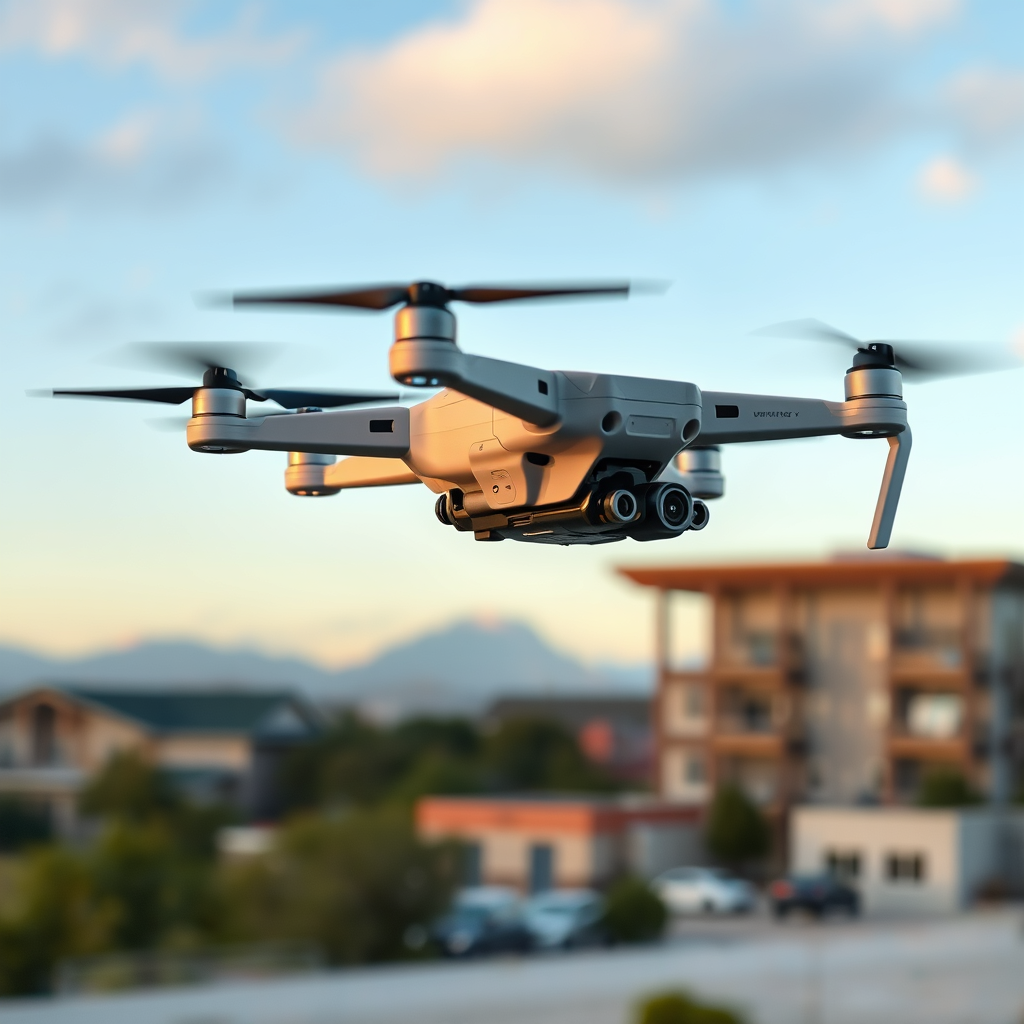
Personal drones can typically fly between 1 to 7 miles, depending on factors such as battery life, technology, and regulations. Understanding these variables can help you maximize your drone’s range and ensure safe operation, making it imperative for both hobbyists and professionals to grasp the intricacies of drone flight capabilities. Drones are becoming increasingly popular for photography, surveying, and recreational use, and knowing how far they can fly is critical for effective planning and execution of any drone-related task.
Factors Affecting Drone Flight Distance
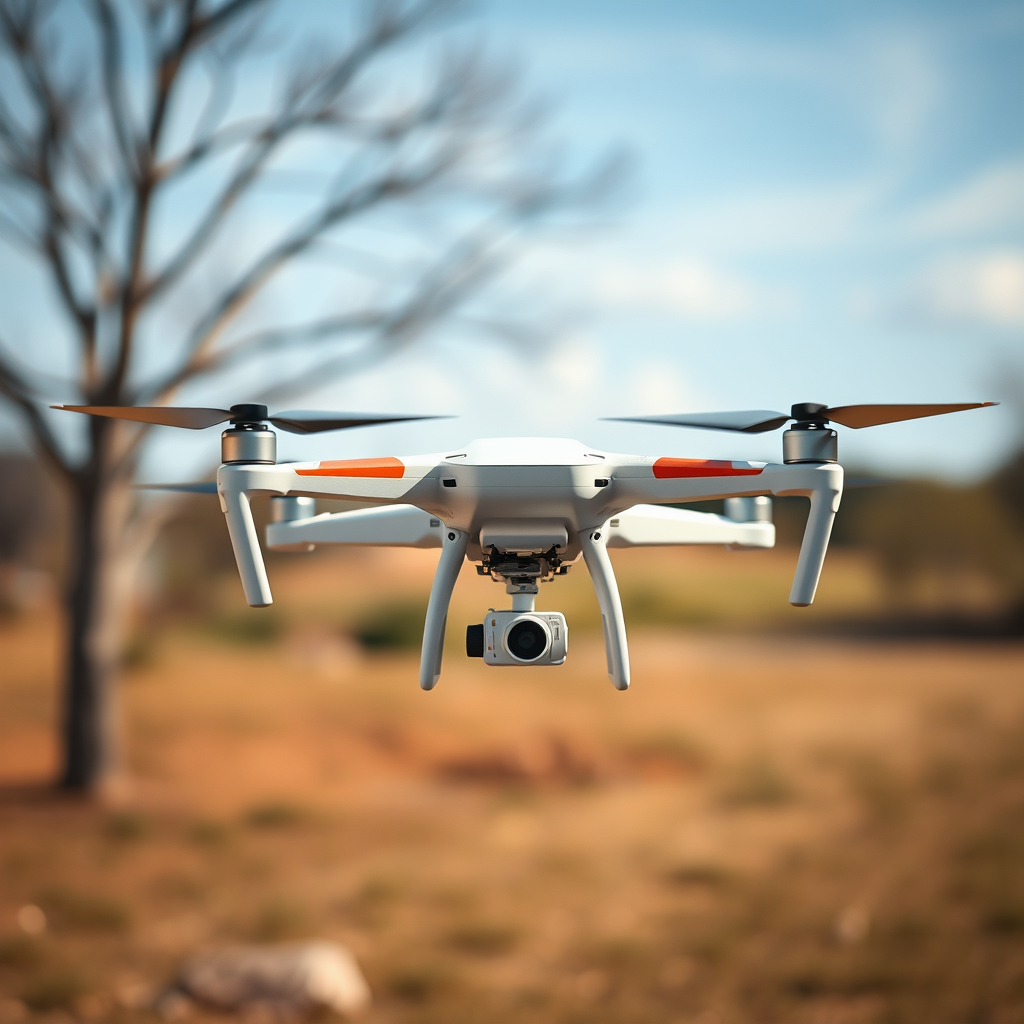
One of the primary factors influencing how far personal drones can fly is battery capacity. Drones equipped with higher capacity batteries can sustain longer flight times, directly translating to extended ranges. For instance, a drone with a 5000mAh battery can generally fly longer than one with a 3000mAh battery, assuming all other factors are equal. Additionally, drone weight plays a role; heavier drones often consume more battery power, thus limiting their range.
Another critical variable is the drone model itself. Different manufacturers create drones tailored for various applications, with some models optimized for long-distance travel. For example, the DJI Mavic 3 boasts an impressive maximum transmission distance of over 9 miles, while the more compact DJI Mini SE is designed for shorter flights with a maximum range of about 3 miles. Therefore, selecting the right model for your intended use is essential for maximizing flight distance.
Legal Restrictions on Drone Flight
In the United States, the Federal Aviation Administration (FAA) imposes specific regulations that affect how far personal drones can be flown. The most significant requirement is that drones must be operated within the pilot’s line of sight. This regulation inherently limits the distance a drone can travel, as pilots must maintain visual contact with their aircraft.
Additionally, there are numerous no-fly zones established for safety and security reasons, including areas surrounding airports, military installations, and densely populated urban environments. These restrictions can further curtail the operational range of personal drones. Pilots must always check local regulations and airspace restrictions before planning a flight to avoid potential fines or legal issues.
Environmental Conditions Impacting Range
Environmental factors can dramatically influence a drone’s flight range. Weather conditions such as wind, rain, and extreme temperatures can affect battery performance and overall flight capabilities. For example, flying a drone in strong winds can lead to increased power consumption, as the drone works harder to maintain stability and control. Similarly, colder temperatures can reduce battery efficiency, potentially shortening flight duration and distance.
Terrain also plays a crucial role in the effective range of a drone. Flying over obstacles such as mountains, tall buildings, or densely wooded areas can hinder a drone’s signal and make it more challenging to maintain control. Drones typically rely on a clear line of sight to the controller for effective operation; thus, flying in areas with numerous obstructions can significantly reduce range and reliability.
Tips for Maximizing Drone Range
To achieve the maximum operational range from your personal drone, consider implementing several best practices. Conducting thorough pre-flight checks is essential. Ensure that your drone is fully charged, in optimal working condition, and that the firmware is up to date. A well-maintained drone is more likely to perform at its best, thus extending flight distance.
Utilizing GPS and altitude settings can also enhance your drone’s range. Engaging these features allows for better navigation and stability, which can reduce battery consumption. Additionally, flying at a lower altitude can minimize the risk of signal interruption caused by environmental obstacles, helping to maintain a steady connection between the drone and the controller.
Lastly, consider planning your flight path carefully. Avoiding areas with anticipated strong winds or adverse weather conditions can help optimize flight distance. Making sure to fly during ideal weather conditions can provide a smoother experience and extend your drone’s operational range.
Popular Personal Drone Models and Their Ranges
Several personal drone models are particularly noteworthy for their flight range capabilities. The DJI Mavic Air 2 is renowned for its balance of portability and performance, offering a remarkable flight range of up to 6.2 miles. This drone is equipped with advanced features like obstacle avoidance and robust battery life, making it suitable for both recreational and professional use.
Another popular option is the Parrot Anafi, which can fly approximately 2.5 miles. While it may not offer the same extensive range as the Mavic Air 2, it is compact and user-friendly, making it an excellent choice for beginners or those seeking a more straightforward flying experience. Understanding the specifications and capabilities of these models can guide users in selecting the right drone for their specific needs.
Future Advances in Drone Technology
The future of drone technology holds exciting possibilities that could significantly enhance flight range and efficiency. One area of focus is battery innovations. Research into new battery technologies, such as solid-state batteries or hydrogen fuel cells, may lead to drones capable of flying much longer distances without the need for frequent recharging.
Additionally, enhanced communication systems are on the horizon. Improved signal technologies, including advancements in 5G and satellite communications, could allow for safer long-distance flights. Such developments could enable drones to operate beyond the pilot’s line of sight, opening up new avenues for commercial applications like delivery services or aerial surveys.
In summary, while personal drones can typically achieve impressive flight distances, various factors such as battery capacity, model specifications, legal restrictions, environmental conditions, and potential technological advancements all play a crucial role in determining their actual range. By understanding these aspects, drone operators can make informed decisions about their usage, ensuring not only compliance with regulations but also maximizing their flying opportunities. As technology continues to evolve, the potential for personal drones to extend their range is limitless, paving the way for innovative applications in various industries.
Frequently Asked Questions
What is the average flight range of personal drones?
The average flight range of personal drones typically varies between 1 to 7 miles, depending on the model and technology used. Most consumer drones, like those from DJI, can fly around 4 to 5 miles under optimal conditions. However, factors such as battery life, environmental obstacles, and signal interference can affect the actual range achievable during flight.
How does weather impact the flight distance of personal drones?
Weather conditions play a significant role in determining how far personal drones can fly. High winds, rain, or extreme temperatures can reduce the drone’s stability and battery efficiency, potentially limiting its range. It’s crucial for drone pilots to check weather forecasts and avoid flying in adverse conditions to ensure maximum flight distance and safety.
Why do some personal drones have longer flight ranges than others?
The flight range of personal drones varies based on several factors, including battery capacity, propulsion system efficiency, and the type of communication technology used. Drones equipped with higher-capacity batteries and advanced transmission technologies, such as OcuSync or Lightbridge, tend to have longer ranges. Additionally, premium models often feature better aerodynamics and weight distribution, enhancing their overall performance in the air.
What are the regulations affecting the flying range of personal drones?
Regulatory bodies like the FAA in the United States enforce specific guidelines that impact how far personal drones can fly. Pilots must adhere to visual line-of-sight (VLOS) rules, which typically restrict flying beyond the operator’s line of sight. Additionally, regulations may vary by country and region, so checking local laws is essential to ensure compliance and safe operation.
Which personal drones are known for the longest flight distances?
Some personal drones known for their impressive flight distances include the DJI Mavic Air 2, which can fly up to 6.2 miles, and the DJI Phantom 4 Pro, capable of reaching around 4.3 miles. The Autel Robotics EVO Lite+ is another top contender, boasting a maximum range of 7.4 miles. When selecting a drone, consider both the advertised range and the conditions under which it can be achieved for optimal performance.
References
- https://en.wikipedia.org/wiki/Drone#Range
- https://www.faa.gov/uas/
- https://www.ncbi.nlm.nih.gov/pmc/articles/PMC6361973/
- https://www.reuters.com/technology/what-you-need-know-about-drone-flying-2021-01-01/
- https://www.sciencedirect.com/science/article/pii/S2351978921000345
- https://www.techrepublic.com/article/the-ultimate-guide-to-drones/
- https://www.nist.gov/news-events/news/2021/01/how-far-can-drones-fly-its-complicated
- https://www.cnbc.com/2020/08/31/how-far-can-you-fly-a-drone-and-why-it-matters.html
