
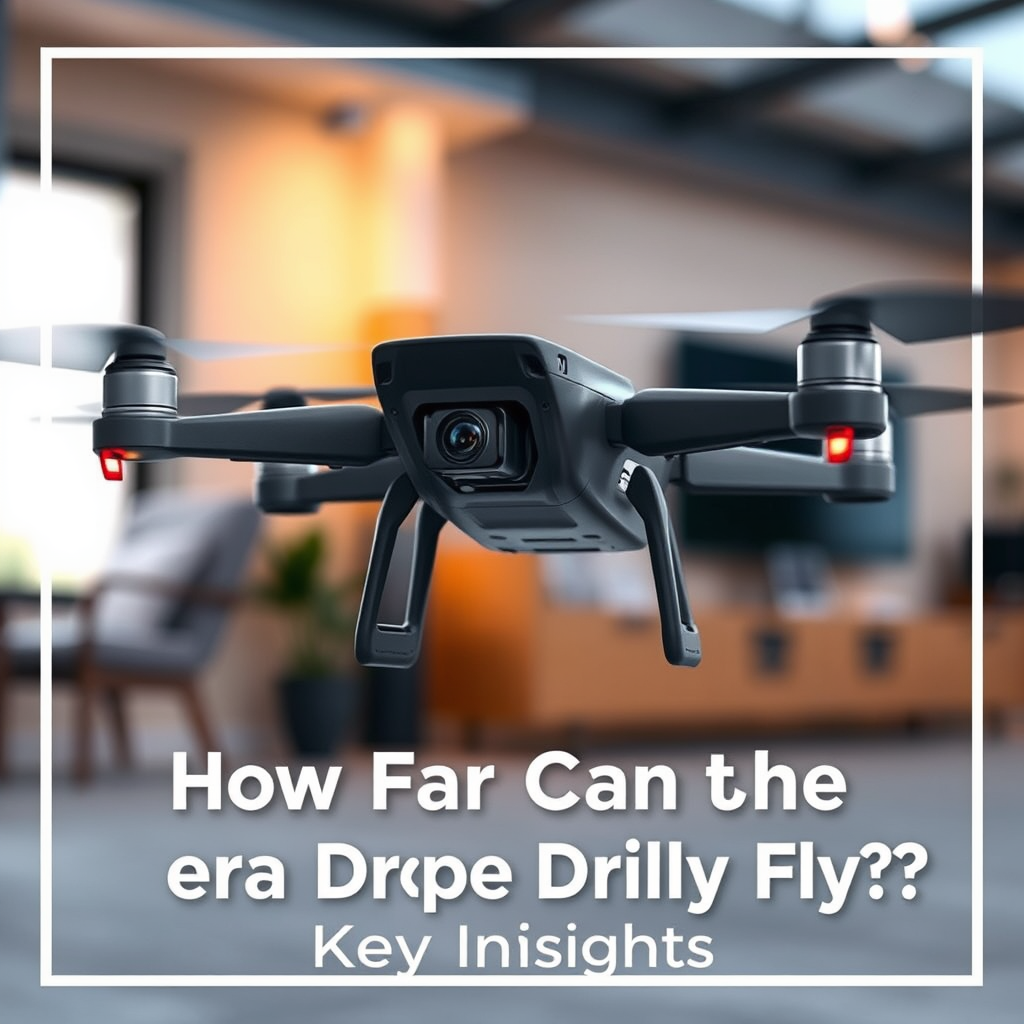
The average drone can fly between 3 to 8 miles, depending on various factors such as battery life, weather conditions, and the type of drone. Understanding these elements can help you maximize your drone’s flight capabilities for both recreational and professional use. As the popularity of drones continues to rise, knowing the intricacies of flight range is essential for enthusiasts and professionals alike, allowing users to make informed decisions when it comes to purchasing, operating, and maintaining their drones.
Understanding Drone Flight Range
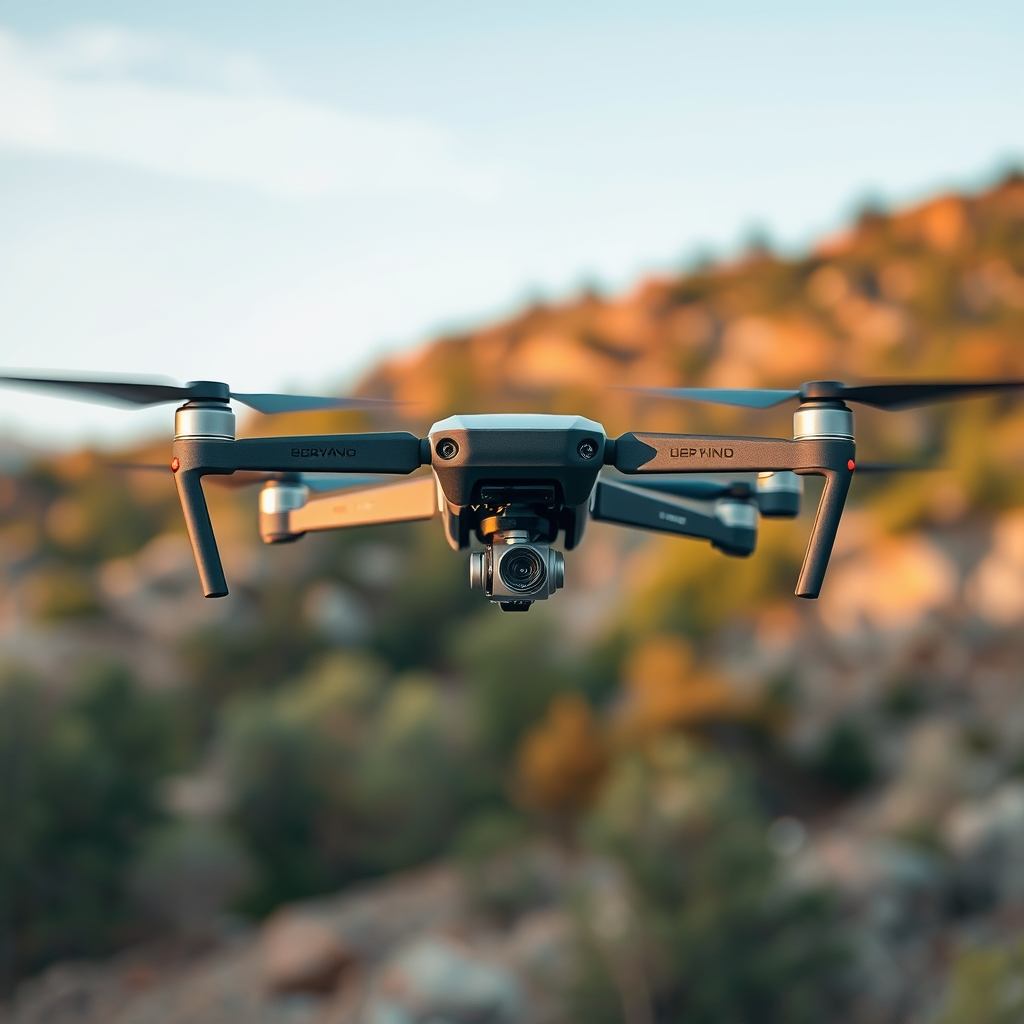
Drones typically have a flight range that is largely limited by their battery capacity and signal strength. While manufacturers provide maximum range specifications under ideal conditions—often found in marketing materials—real-world scenarios frequently differ. These specifications do not account for environmental factors, such as wind speed or obstacles, which can significantly affect a drone’s effective range. For instance, a drone rated for a 7-mile range in calm conditions may only achieve half that distance in windy conditions or when flying in urban environments crowded with tall buildings.
To better understand drone flight range, consider that the communication between a drone and its controller is vital. This connection is facilitated through radio waves, and if any obstacles interfere with the signal, the drone’s ability to maintain a stable flight path can be compromised. Therefore, understanding the manufacturer’s specifications should always be coupled with an awareness of the drone’s operational environment.
Types of Drones and Their Ranges
Drones come in various types, each designed for specific purposes, and their flight ranges reflect their intended use. Consumer drones, which are widely available and popular among hobbyists, typically have a flight range of up to 4 miles. These drones are equipped with basic technology, making them easy to operate but limiting their capability for extended flights.
On the other hand, professional drones, often utilized in industries such as aerial photography, surveying, and agriculture, can reach flight ranges of 6 to 8 miles or more. These drones are equipped with advanced technology, such as high-efficiency batteries, better signal transmission systems, and enhanced GPS capabilities. For example, the DJI Matrice 300 RTK, a professional-grade drone, boasts an impressive range of up to 15 kilometers (approximately 9.3 miles) under optimal conditions, showcasing how advancements in drone technology can significantly expand flight capabilities.
Factors Affecting Drone Flight Distance
Several factors can affect a drone’s flight distance, and understanding them can help operators maximize their drone’s performance. Environmental conditions play a crucial role; for instance, strong winds can lead to increased battery consumption and limit the drone’s range. Similarly, obstacles such as buildings, trees, and even hills can obstruct the signal between the drone and its controller, causing disconnection or erratic flight behavior.
Signal interference is another critical factor; the presence of other electronic devices, such as cell towers or Wi-Fi networks, can disrupt the communication link. Urban areas are particularly challenging due to the dense concentration of objects that can reflect or absorb signals. For instance, flying a drone in a suburban neighborhood filled with tall buildings may result in a significantly reduced range compared to flying in an open field.
Furthermore, weather conditions such as rain, fog, or extreme temperatures can also impact range. Drones may not perform optimally in adverse weather, leading to reduced flight capabilities. Operators should always check the weather forecast and avoid flying in challenging conditions to ensure the best performance.
Battery Life and Its Impact
Battery life is arguably the most critical determinant of how far a drone can fly. Most consumer drones offer a flight time ranging from 20 to 30 minutes, which directly influences the total distance a drone can cover before needing a recharge. For example, a drone that can fly for 25 minutes at a speed of 10 miles per hour can theoretically cover a distance of approximately 4 miles, assuming optimal conditions and no interruptions.
However, it is essential to note that as the battery depletes, the drone’s performance may decline. Many drones are programmed to return to their home point when the battery reaches a certain level, ensuring they do not run out of power mid-flight. Investing in high-capacity batteries can extend flight times significantly, allowing for longer distances. Some advanced drones offer modular battery systems that let users swap out batteries in the field, enhancing operational flexibility.
Regulations and Flight Limitations
FAA regulations impose restrictions on drone flight distances and altitudes to ensure safety and privacy. In the United States, for example, drones must be flown within the operator’s visual line of sight and are generally limited to a maximum altitude of 400 feet above ground level. These regulations can impact the distance a drone can feasibly travel, especially in areas with dense populations or restricted airspace.
Additionally, local laws can vary significantly; some regions may have stricter regulations concerning drone operations. It is essential for operators to familiarize themselves with local laws and requirements before flying. For instance, flying near airports or military bases is often prohibited, and violating these regulations can result in hefty fines or legal consequences. As a best practice, drone operators should always consult resources such as the FAA’s website or local aviation authorities to ensure compliance with all applicable regulations.
Tips for Maximizing Drone Flight Distance
To maximize your drone’s flight distance, consider implementing several best practices. Regular maintenance is vital; ensure that your drone is in optimal condition by checking all components, including the propellers, motors, and battery health. A well-maintained drone will perform better and offer extended flight durations.
Investing in high-capacity batteries designed for longer flight times can also significantly enhance your drone’s capabilities. Some manufacturers offer extended battery options specifically for their models, providing users with the ability to achieve longer flights without compromising performance.
Another tip is to plan your flight route carefully. Choosing a flight path that minimizes wind resistance and avoids obstacles can help maximize your drone’s range. Flying at lower speeds can also conserve battery life, allowing you to cover greater distances without risking a premature return due to low battery.
Lastly, keeping abreast of technological advancements in drone technology can also be beneficial. Newer models often come with features such as better battery efficiency, extended range capabilities, and advanced GPS systems that can help you make the most of your flying experience.
In conclusion, the average drone can fly between 3 to 8 miles, but many factors influence this range, including type, battery life, environmental conditions, and regulatory considerations. By understanding these elements and following best practices, drone operators can enhance their flying experience and maximize their drone’s capabilities, whether for recreational purposes or professional applications. With advancements in technology and a clearer understanding of operational guidelines, the possibilities for drone enthusiasts are ever-expanding.
Frequently Asked Questions
What is the average flight range of a consumer drone?
The average flight range of a consumer drone typically falls between 1 to 3 miles (1.6 to 4.8 kilometers) in ideal conditions. However, this range can vary significantly based on factors such as battery life, drone model, environmental conditions, and potential interference from obstacles like buildings or trees. Higher-end models can achieve greater ranges, sometimes exceeding 5 miles, but users should always check the specifications of their specific drone.
How does battery life affect a drone’s flying distance?
Battery life is a crucial factor that directly impacts a drone’s flying distance. Most consumer drones have a flight time ranging from 20 to 30 minutes on a full charge, which limits how far they can travel before needing to return. Pilots should monitor battery levels closely and plan their flight paths accordingly to ensure they can return safely before running out of power.
Why do some drones have a longer flight range than others?
Some drones have a longer flight range due to enhanced technology, such as advanced communication systems and more efficient battery designs. Drones equipped with stronger transmitters and receivers can maintain a connection over longer distances, while those with improved aerodynamics and lightweight materials can fly farther on the same amount of power. Additionally, high-end models often incorporate features that help avoid obstacles, allowing for safer long-distance flights.
What factors can limit a drone’s flying distance?
Several factors can limit a drone’s flying distance, including environmental conditions like wind and weather, obstacles such as trees and buildings, and regulatory restrictions set by local laws. Additionally, signal interference from radio towers or other electronic devices can disrupt communication between the drone and its controller, leading to reduced range. Understanding these factors can help drone operators better plan their flights and avoid potential issues.
Which drones are known for having the best flight range?
Drones known for having the best flight range typically include models like the DJI Mavic 3 and the Autel Robotics EVO Lite, which can achieve ranges of up to 7 miles (11 kilometers) or more. These drones are designed with advanced transmission technology and robust batteries, making them ideal for users seeking extended range for aerial photography, surveying, or recreational flying. When selecting a drone for its range, it’s important to consider both the advertised specifications and real-world performance reviews.
References
- https://en.wikipedia.org/wiki/Drone#Range
- https://www.faa.gov/uas/getting_started/part_107/
- https://www.nytimes.com/2021/01/27/technology/drones-uses.html
- https://www.theguardian.com/technology/2021/mar/02/drones-how-far-can-they-fly
- https://www.researchgate.net/publication/322485802_A_comprehensive_review_on_drones_and_their_applications_in_the_agriculture
- https://www.ncbi.nlm.nih.gov/pmc/articles/PMC7070209/
- https://www.sciencedirect.com/science/article/abs/pii/S0167739X19301055
- https://www.wired.com/story/how-far-can-drones-fly/
