
The DJI FPV drone can fly up to 10 kilometers (6.2 miles) under optimal conditions, making it an impressive tool for aerial exploration and photography. This remarkable range enables pilots to cover extensive distances, allowing for breathtaking captures of landscapes and dynamic activities from unique perspectives. In this article, we will delve deeper into the factors that influence the drone’s range, explore strategies to maximize its performance, and offer essential tips for flying safely.
Understanding the DJI FPV Drone Range
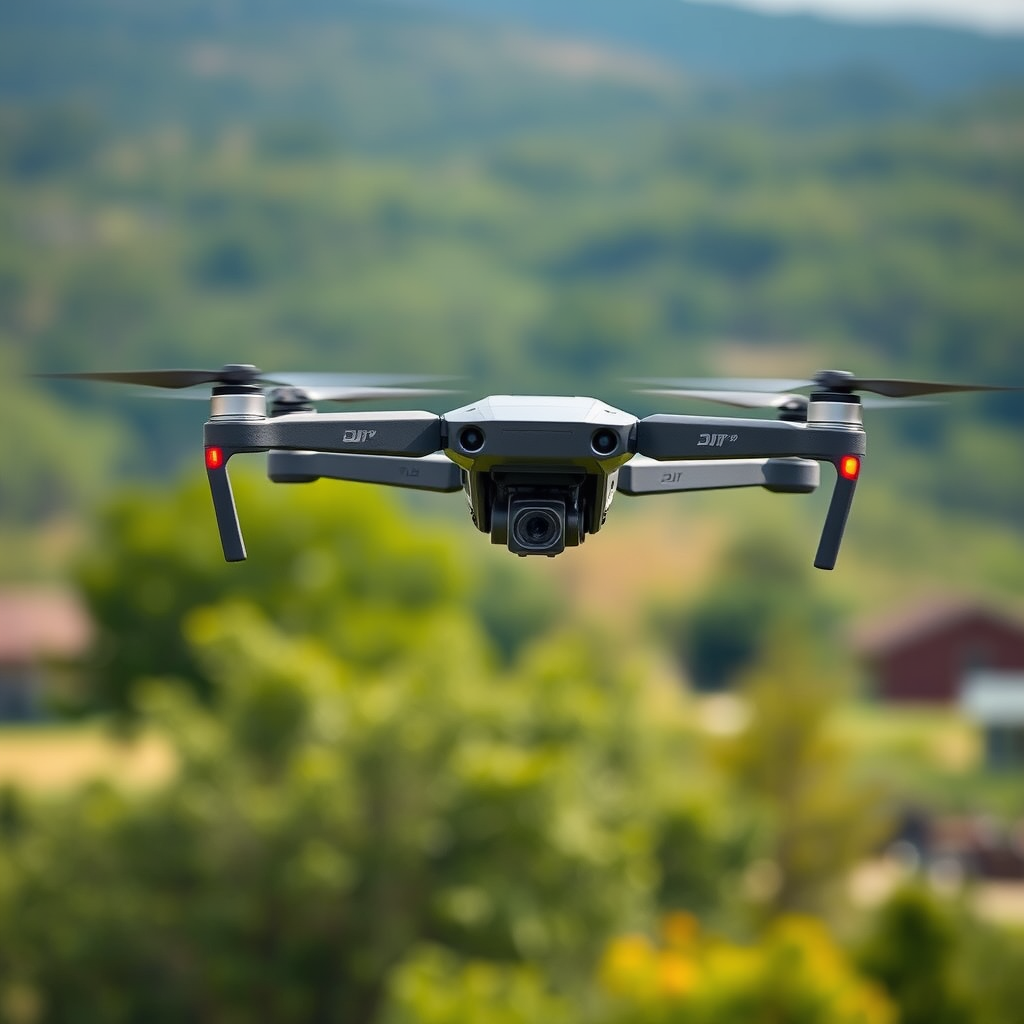
The DJI FPV drone boasts an official maximum range of 10 kilometers (6.2 miles), a specification that highlights its capabilities for extended flight. However, it is crucial to recognize that this range is contingent upon various conditions and environmental factors. When flying in open areas with minimal obstructions, pilots are more likely to reach this maximum distance. Conversely, in urban environments or areas cluttered with obstacles, the effective range may be significantly reduced due to signal interference and physical barriers. Understanding these dynamics is essential for any pilot looking to leverage the full potential of their drone.
Factors Affecting Flight Distance
Signal Strength
One of the most critical factors impacting the flight distance of the DJI FPV drone is signal strength. The drone relies on a robust control signal to communicate effectively with its remote controller. In areas with high electromagnetic interference or physical barriers such as buildings and trees, the signal can weaken, leading to a reduced operational range. Pilots should ensure they are flying in environments with optimal signal conditions to maximize their distance.
Battery Life
Another significant factor is battery life. The DJI FPV drone is equipped with a high-capacity battery designed for extended flights; however, its actual endurance will be determined by how the drone is used. Factors such as aggressive maneuvers, altitude changes, and additional payload can drain the battery more quickly. Understanding how to manage battery life effectively can extend flight time and, consequently, the distance covered. Regularly monitoring battery levels and planning for timely returns to home are essential practices for safe and effective drone operation.
Conditions for Optimal Range
Clear Line of Sight
To achieve the maximum range, flying in open areas with a clear line of sight is paramount. When obstacles like trees, buildings, or hills are present, they can obstruct the signal and hinder the drone’s ability to maintain a stable connection with the controller. Ideally, pilots should select locations that provide unobstructed views of the sky, which not only enhances the control signal but also improves GPS accuracy during flight.
Weather Conditions
Weather conditions also play a pivotal role in determining flight distance. Strong winds can destabilize the drone, making it harder to control and potentially leading to a loss of signal. Additionally, precipitation can affect visibility and signal quality, thereby reducing the drone’s effective range. Pilots should always check weather forecasts before flying and avoid operating the drone in adverse conditions to ensure both the drone’s performance and safety.
Tips to Maximize Your Drone’s Range
Use the Right Settings
Adjusting video settings can significantly impact battery life, which in turn affects flight distance. For instance, flying in lower resolution or frame rates can conserve battery power, allowing for longer flights. Moreover, turning off features such as obstacle avoidance when flying in open spaces can also help maximize range, as these systems consume additional power.
Plan Your Flight Path
Strategic flight planning can extend the operational range of the DJI FPV drone. By mapping out the intended route before takeoff, pilots can avoid unexpected obstacles and interference zones. Utilizing tools such as drone flight planning apps can provide insights into potential hazards and help design a flight path that maximizes the drone’s range while ensuring safety.
Safety Considerations When Flying Long Distances
Stay Within Visual Line of Sight
Maintaining visual contact with your drone is not only a best practice but also a regulatory requirement in many jurisdictions. Staying within the visual line of sight enhances safety by allowing pilots to react quickly to any issues that may arise during flight. This is especially important when flying long distances, where losing sight of the drone could lead to accidents or loss.
Know Local Regulations
Before embarking on a long-distance flight, it is essential to be aware of local regulations governing drone use. Different regions have specific laws regarding maximum altitudes, no-fly zones, and operational limits. Ensuring compliance with these regulations is crucial for avoiding fines and ensuring safe flying practices.
Maintenance for Optimal Performance
Regular Firmware Updates
Keeping your DJI FPV drone’s firmware updated is vital for optimal performance and safety. DJI frequently releases updates that can improve flight stability, enhance features, and fix bugs. Regularly checking for and installing these updates ensures that the drone operates efficiently and benefits from any advancements in technology.
Battery Care
Proper care and maintenance of the drone’s battery are essential for prolonging its lifespan and ensuring reliable performance. Pilots should follow recommended charging practices, avoid over-discharging the battery, and store it in a cool, dry place. Regularly inspecting the battery for any signs of damage or wear can also prevent potential issues during flights.
In summary, understanding how far the DJI FPV drone can fly involves recognizing the maximum range, the factors that influence it, and the best practices for safe operation. By being mindful of signal strength, battery life, and environmental conditions, pilots can maximize their flying experience. Additionally, adhering to safety regulations and maintaining the drone will further enhance performance. For those eager to explore and capture stunning aerial views, these insights will undoubtedly contribute to a rewarding flying journey. Happy flying!
Frequently Asked Questions
What is the maximum range of the DJI FPV drone?
The DJI FPV drone has a maximum range of approximately 10 kilometers (6.2 miles) when operated under optimal conditions. This range is achievable using the DJI O3 transmission system, which allows for high-quality video transmission and control. However, actual range may vary depending on factors like environmental conditions, obstacles, and local regulations.
How does the DJI FPV drone’s range compare to other drones?
Compared to many consumer drones, the DJI FPV drone offers an impressive range, often outperforming models like the DJI Mini series which typically have a maximum range of around 4 kilometers (2.5 miles). However, professional drones, such as the DJI Mavic series, can also reach similar ranges, but the FPV’s unique flight capabilities and immersive experience set it apart as a versatile choice for both racing and aerial photography.
Why is the range of the DJI FPV drone important for users?
The range of the DJI FPV drone is crucial for users who wish to capture expansive landscapes or perform long-distance racing. A longer range allows for greater exploration and creativity, giving pilots the freedom to fly further from their takeoff point without losing control or video feed. Understanding range limitations also helps users plan their flights better, ensuring they stay within safe operating distances.
What factors can affect the flight range of the DJI FPV drone?
Several factors can impact the flight range of the DJI FPV drone, including signal interference from buildings, trees, and other obstacles, as well as weather conditions such as wind and precipitation. Additionally, battery life plays a critical role; a fully charged battery will allow for longer flights compared to a battery that’s partially drained. Pilots should also consider local regulations that may restrict flying ranges near airports or populated areas.
Which settings can help maximize the DJI FPV drone’s flight range?
To maximize the flight range of the DJI FPV drone, users should ensure that the drone’s antennas are oriented correctly and avoid flying in areas with high interference. Utilizing the “Low Latency” mode can enhance the responsiveness of the drone, making it easier to control at longer distances. Additionally, keeping the drone in a clear line of sight and flying at a higher altitude can help maintain signal strength and extend range effectively.
References
- https://en.wikipedia.org/wiki/DJI_FPV
- https://www.faa.gov/uas/getting_started/remote_id
- https://www.wired.com/story/dji-fpv-drone-review/
- https://www.theverge.com/2021/3/2/22308423/dji-fpv-drone-review-specs-features-range
- https://www.techradar.com/reviews/dji-fpv-drone-review
- https://www.pcmag.com/reviews/dji-fpv-drone
- https://www.nytimes.com/2021/03/02/technology/dji-fpv-drone-review.html
