
Drones can typically fly anywhere from 1 to 7 miles, depending on factors like model, battery life, and environmental conditions. Understanding these variables is essential not just for maximizing your drone’s range, but also for ensuring compliance with local regulations. With the increasing popularity of drone technology for both recreational and professional use, it becomes crucial to navigate these nuances effectively. In this article, we will explore the various aspects that influence how far you can fly a drone, from technical specifications to legal considerations.
Understanding Drone Range
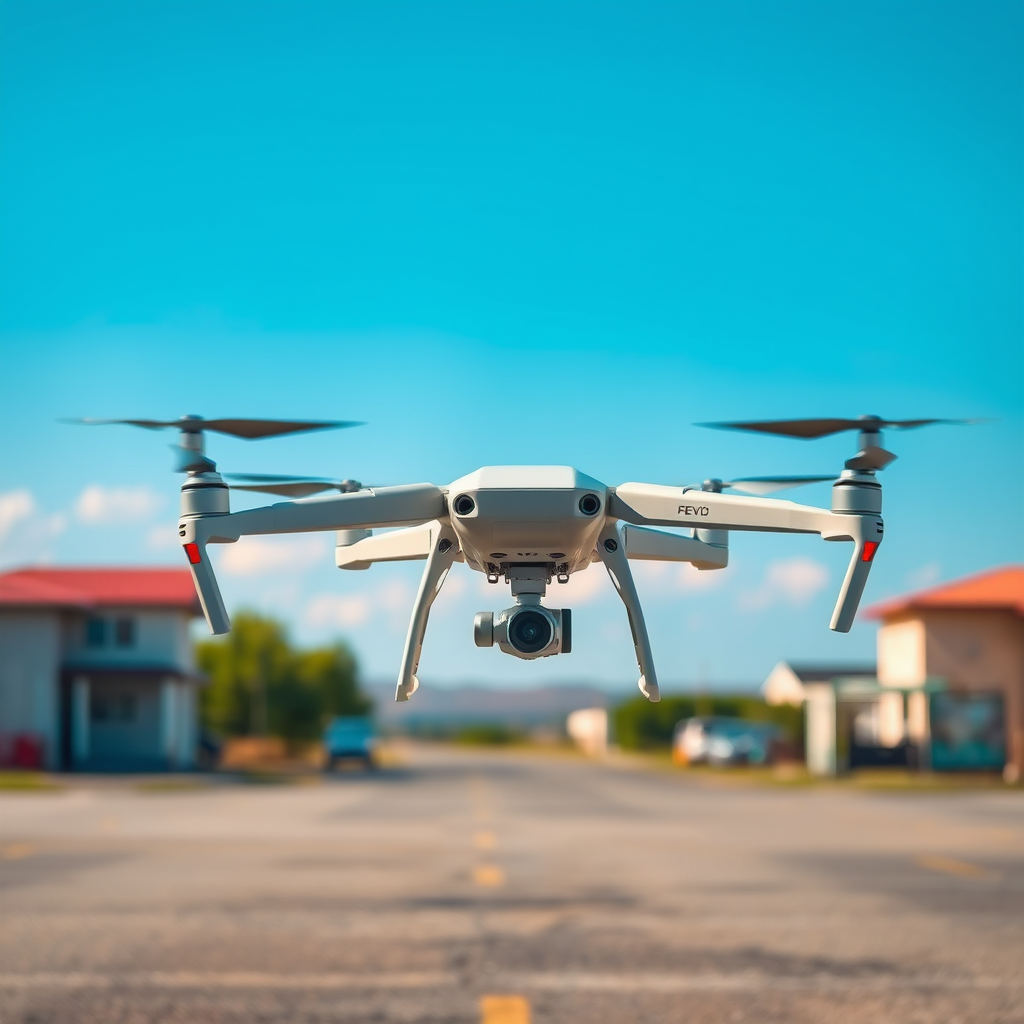
Different drone models have varying flight ranges, which can dramatically affect your flying experience. Consumer drones, often designed for hobbyists, may have a maximum flight range of 1 to 3 miles, while high-end professional UAVs (Unmanned Aerial Vehicles) can reach distances of up to 7 miles or more. For instance, the DJI Mavic 2 Pro boasts a range of about 8 kilometers, thanks to its advanced transmission technology. Furthermore, battery life is a significant determinant of flight distance; a drone with a robust battery may sustain longer flights, while lower-end models might require more frequent recharges. For instance, drones equipped with lithium-polymer batteries typically last between 20 to 30 minutes of flight time, depending on their use and conditions.
Factors Affecting Flight Distance
Environmental conditions play a critical role in how far a drone can fly. Wind, temperature, and terrain can all hinder flight range. Strong winds can cause a drone to consume more battery power as it works against the elements, ultimately reducing the distance it can cover. Similarly, extreme temperatures can affect battery performance; cold weather can lead to quicker battery depletion. Additionally, obstacles such as buildings, trees, and mountains can create interference that disrupts the drone’s signal, further limiting its effective range. For example, flying in urban areas may significantly reduce your drone’s operational distance due to signal blockage from structures.
Regulatory Considerations
Before embarking on a long-distance flight, it is essential to familiarize yourself with local laws regarding drone flight distances and no-fly zones. Many countries have regulations that limit how far a drone can be flown from the operator, often requiring the drone to remain within visual line of sight. In the United States, the FAA mandates that recreational drone users must keep their drones within 400 feet above ground level and within a direct line of sight. Failure to comply with these regulations can result in fines or other penalties. Additionally, some areas may have specific no-fly zones, such as near airports or military installations, which are strictly enforced.
Enhancing Drone Range
To maximize the range of your drone, several strategies can be employed. Optimizing battery life is crucial; flying at optimal speeds—typically around 20 to 30 mph—and avoiding aggressive maneuvers can help conserve energy. Additionally, maintaining your drone’s weight by minimizing payload can also extend flight time. Using signal boosters or advanced controllers can further enhance range. For instance, utilizing a high-gain antenna can significantly improve the signal strength, allowing for longer flights without losing connection. Some drone enthusiasts even experiment with different frequencies to find the most effective communication channel for extended range.
Safety Precautions
Safety should always be a priority when flying drones, especially over long distances. Always keep the drone within your line of sight to ensure safety and compliance with regulations. This not only allows for better control over the drone but also helps in avoiding potential hazards like power lines, birds, or other aircraft. Planning your flight path in advance is vital; utilize tools such as flight planning apps to map out your route and identify potential obstacles. Being aware of the area you are flying in, including local wildlife and populated regions, will help in making informed decisions during your flight.
Best Practices for Long-Distance Flights
Conducting thorough pre-flight checks is essential for ensuring your drone is in good condition for extended flights. This includes checking battery levels, ensuring firmware is up to date, and inspecting propellers for any damage. Mapping out routes and using GPS features can assist in navigation over longer distances, providing real-time feedback on your drone’s location and status. Additionally, consider practicing flying in safe, open areas before attempting long-distance flights, allowing you to build confidence and skill with your equipment.
In conclusion, the distance you can fly a drone varies widely based on several factors, including model, environmental conditions, and regulatory constraints. By understanding these variables and implementing best practices, you can maximize your drone’s range while ensuring safety and compliance. Always prioritize safety and regulations while exploring the capabilities of your drone, and consider applying some of the tips provided to enhance your flying experience.
Frequently Asked Questions
What is the maximum distance a drone can fly?
The maximum distance a drone can fly largely depends on its model and the technology it uses. Most consumer drones have a maximum range of about 3 to 7 miles (5 to 11 kilometers), while professional-grade drones can extend this range considerably, sometimes up to 15 miles (24 kilometers) or more. However, it’s crucial to remember that local regulations, environmental factors, and battery life can significantly impact how far you can actually fly a drone.
How does battery life affect the flying distance of a drone?
Battery life plays a crucial role in determining how far you can fly a drone. Typically, consumer drones offer flight times ranging from 20 to 30 minutes on a single charge. The longer the drone is in the air, the more battery it consumes, which can limit both the distance flown and the ability to return safely. To maximize your flight distance, it’s essential to monitor battery levels and plan your flight path accordingly, ensuring you have enough battery power for a safe return.
Why can’t I fly my drone beyond a certain distance?
Many drones are equipped with built-in safety features that prevent them from flying beyond a specific distance, mainly to ensure they remain within the operator’s line of sight. This is also enforced by regulations in many countries, which require drones to be flown within visual line of sight (VLOS). Furthermore, flying beyond the designated range can result in signal loss, which may cause the drone to crash or become unmanageable.
What factors should I consider when determining how far I can fly my drone?
Several factors influence how far you can safely fly a drone, including the drone’s specifications, battery life, environmental conditions (such as wind and temperature), and local regulations. Additionally, obstacles like buildings or trees can interfere with the signal between the drone and the remote controller. Always check the manufacturer’s guidelines and ensure compliance with local laws before planning your flight distance.
Which drones offer the longest flight range?
Drones that are designed for professional use, such as the DJI Mavic 3 and the Autel Robotics EVO Lite+, typically offer the longest flight ranges, often exceeding 6 miles (9.6 kilometers). These drones utilize advanced transmission technology, such as OcuSync or Lightbridge, to maintain a strong signal over long distances. When choosing a drone for extended flight, consider both the range and the drone’s battery life to ensure optimal performance during your aerial adventures.
References
- https://en.wikipedia.org/wiki/Drone_flight
- https://www.faa.gov/uas/getting_started/part_107
- https://www.nytimes.com/2021/04/12/technology/drone-regulations.html
- https://www.reuters.com/technology/what-you-need-know-about-flying-drones-us-2021-06-15/
- https://www.nasa.gov/feature/nasa-drone-research
- https://www.smithsonianmag.com/innovation/drones-are-transforming-the-way-we-see-the-world-180977183/
- https://www.verywellmind.com/the-rules-of-drone-flying-5115646
- https://www.unc.edu/engage/2020/09/15/civilian-drones-and-their-impact-on-society/
