
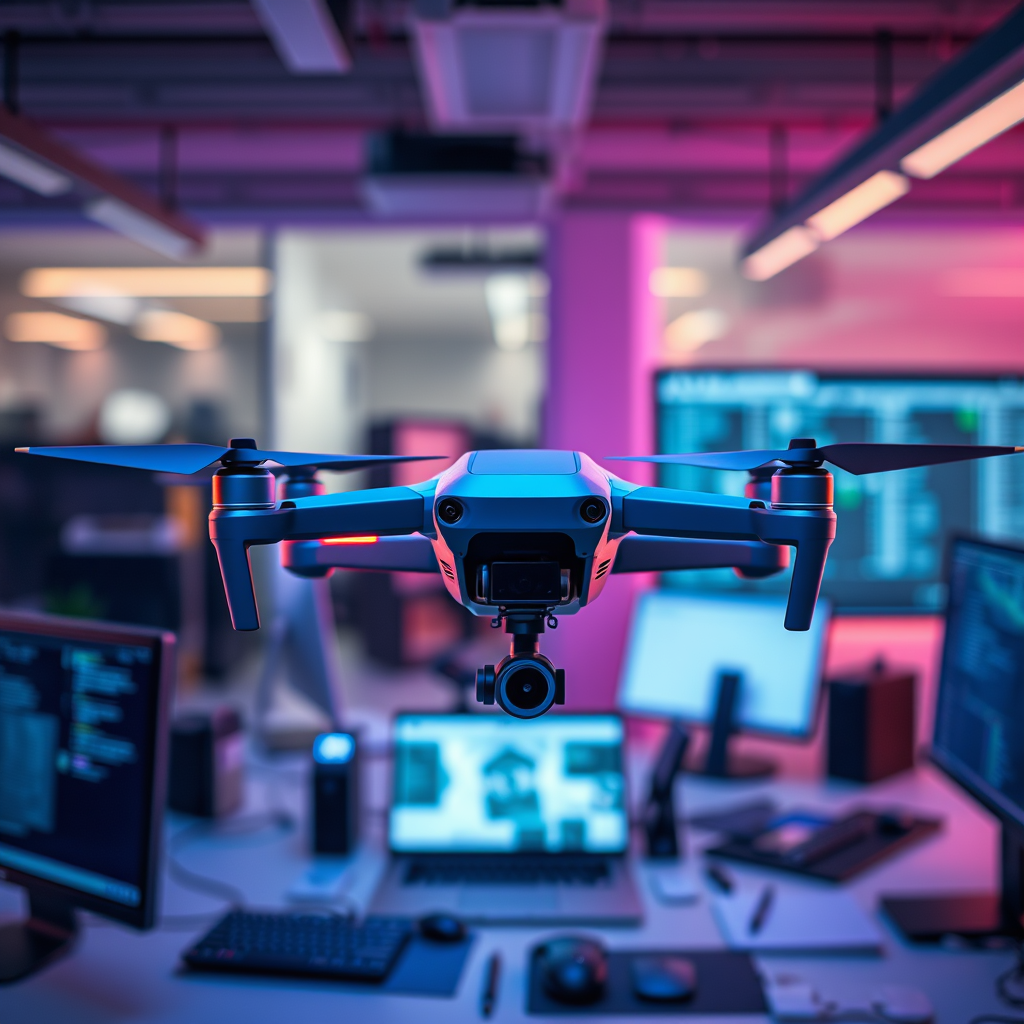
Police drones can typically fly at speeds ranging from 25 to 50 miles per hour, depending on the model and its intended use. This speed range allows law enforcement agencies to effectively cover large areas quickly and efficiently, particularly during operations, surveillance, and emergency responses. As police departments increasingly incorporate drones into their operations, understanding the nuances of drone technology, speed capabilities, and operational factors becomes essential for recognizing their impact on modern law enforcement.
Understanding Police Drone Technology
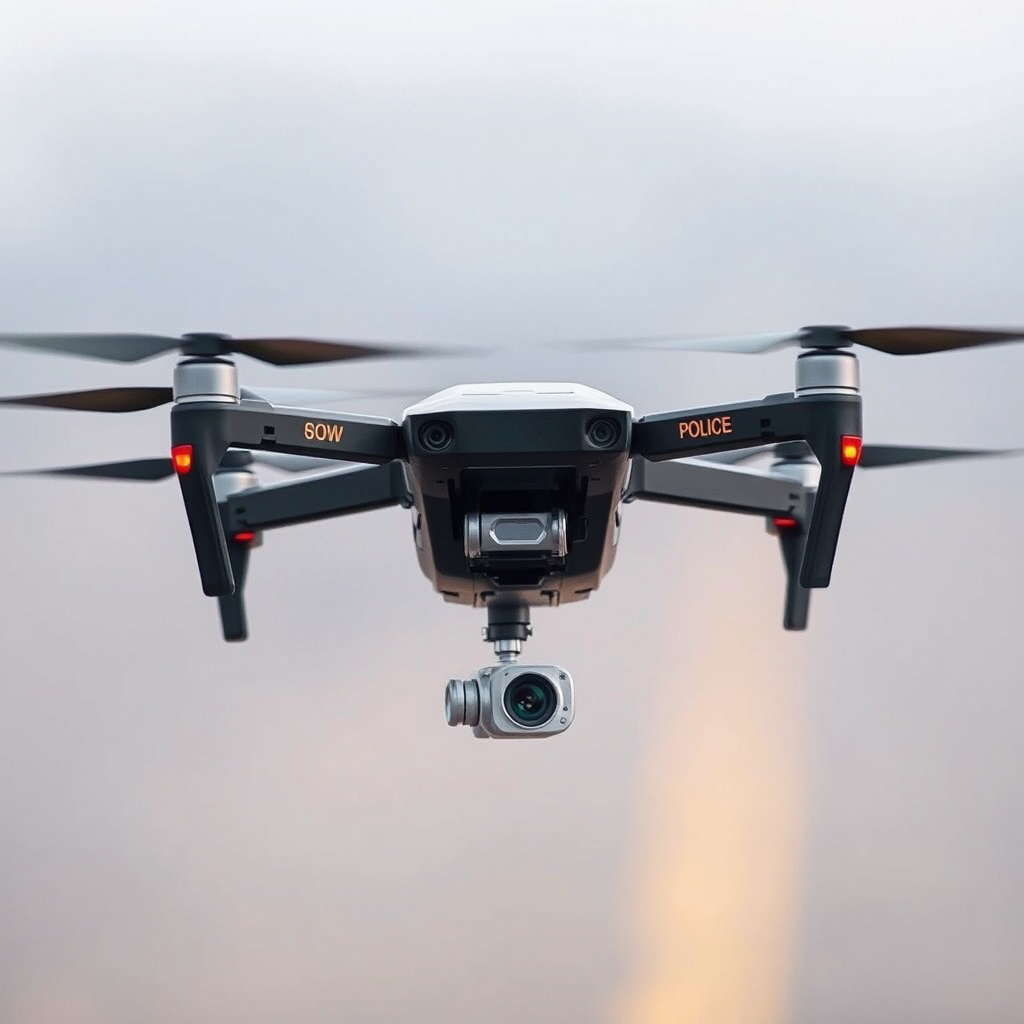
Law enforcement utilizes various types of drones, categorized primarily into fixed-wing and multi-rotor models. Fixed-wing drones resemble traditional aircraft and are designed for longer flights, making them suitable for expansive area coverage. In contrast, multi-rotor drones are more versatile and can hover, making them ideal for close-up surveillance and tactical operations. Essential components that enable flight speed include high-efficiency motors, lightweight materials, and advanced aerodynamics. Many drones are equipped with GPS, autopilot systems, and real-time data transmission capabilities, enhancing their operational efficiency and speed.
The technology behind police drones has rapidly evolved, influenced by advancements in battery life, motor efficiency, and flight control systems. Innovations such as smart sensors and obstacle avoidance technology contribute to both the safety and speed of drone operations. Moreover, the integration of thermal imaging and high-definition cameras allows for improved surveillance capabilities, which can be particularly beneficial during critical incidents.
Factors Affecting Drone Speed
Several factors play a crucial role in determining the flight speed of police drones. One of the primary considerations is the weight and design of the drone. Heavier drones may have more powerful cameras and equipment, but this added weight can limit speed. Conversely, lighter drones may achieve higher speeds but could sacrifice payload capacity or operational range.
Environmental conditions significantly influence drone speed as well. Wind speed and direction can either hinder or enhance a drone’s ability to maintain its intended speed. For instance, headwinds can slow a drone down, while tailwinds can provide a boost. Weather conditions such as rain or snow can also affect drone performance due to reduced visibility and potential interference with electronic systems.
Common Police Drone Models and Their Speeds
Several popular police drone models showcase varying maximum speeds, tailored to specific operational needs. For example, the DJI Matrice 300 RTK can reach speeds of up to 51 miles per hour, making it one of the fastest options available for law enforcement. This drone is often used for search and rescue missions due to its robust flight capabilities and advanced sensor technology.
Another example is the Parrot Anafi USA, which can achieve speeds of approximately 33 miles per hour. This model is particularly favored for its thermal imaging capabilities, making it ideal for search operations in low-light environments. The choice of drone model often depends on the specific requirements of a mission, including area size, required payload, and environmental conditions.
Advantages of Higher Speed Drones
Higher-speed drones present significant advantages for law enforcement agencies, particularly in emergency situations. Enhanced response times are crucial when every second counts. A drone that can quickly reach an incident scene can provide real-time intelligence and support to officers on the ground, allowing for more informed decision-making.
Moreover, improved surveillance capabilities over large areas lead to better situational awareness. Drones equipped with advanced cameras can cover extensive distances, capturing critical footage that may assist in investigations or monitoring public events. The ability to quickly reposition drones enhances their effectiveness in dynamic situations, such as tracking suspects or monitoring crowd behavior during large gatherings.
Limitations and Challenges
Despite their advantages, police drones face limitations and challenges that can impact their operational effectiveness. Regulatory restrictions often govern drone flight speeds and operational altitudes, varying by jurisdiction. Law enforcement agencies must comply with Federal Aviation Administration (FAA) regulations, which can limit how and where drones are deployed.
Additionally, technical limitations such as battery life and range can hinder a drone’s operational capacity. Most police drones have a flight time of approximately 20 to 30 minutes under optimal conditions. This relatively short operational window necessitates careful planning and the possibility of requiring multiple drones or rapid recharging capabilities during extended missions.
Future Trends in Police Drone Technology
The future of police drone technology is promising, with innovations aimed at increasing speed and efficiency. Developments in battery technology, such as solid-state batteries, may extend flight times and reduce weight, enabling drones to carry more equipment without sacrificing speed. Furthermore, advancements in AI and automation are expected to revolutionize drone operations, allowing for autonomous flight paths and real-time data analysis without human intervention.
The integration of AI can also enhance decision-making capabilities, enabling drones to analyze surveillance footage and identify potential threats autonomously. This shift could lead to more proactive law enforcement strategies, improving public safety and operational efficiency.
As police departments continue to adopt these technologies, the capabilities and functionalities of drones will likely expand, creating new opportunities for their use in various law enforcement scenarios.
In conclusion, understanding how fast police drones can fly is crucial for recognizing their role in modern law enforcement. With speeds typically ranging from 25 to 50 miles per hour, these drones serve as valuable tools for enhancing public safety and operational efficiency. As technology advances, these capabilities will only improve, leading to even more effective law enforcement strategies. For more information on police drone technology, explore further resources or reach out to local law enforcement agencies.
Frequently Asked Questions
What is the average speed of police drones in aerial surveillance?
The average speed of police drones typically ranges from 30 to 70 miles per hour, depending on the model and purpose of use. Some advanced drones, like those designed for rapid response, can even reach speeds up to 100 miles per hour. These speeds allow law enforcement to cover large areas quickly and efficiently, enhancing their ability to respond to emergencies or track suspects in real-time.
How does the speed of police drones compare to traditional police vehicles?
Police drones can be significantly faster than traditional police vehicles in certain scenarios. While patrol cars usually have a maximum speed of around 120 miles per hour, drones can travel directly to a location, bypassing traffic and obstacles on the ground. This capability enables police drones to arrive at crime scenes or emergencies much quicker, providing critical support to ground units and enhancing overall response times.
Why do police use drones with varying speeds for different operations?
Police use drones with varying speeds to optimize their effectiveness for different operations. For instance, slower drones are often utilized for detailed surveillance, allowing for steady, high-quality video capture, while faster drones are deployed for urgent situations like chase scenarios or search and rescue missions. This flexibility enables law enforcement to choose the right drone for the task at hand, improving operational efficiency and safety.
What factors can affect the speed and performance of police drones?
Several factors can affect the speed and performance of police drones, including battery life, weather conditions, and payload weight. Drones may experience reduced speeds in windy conditions or when carrying additional equipment, such as thermal cameras or communication devices. Additionally, the drone’s design and technology—such as propulsion systems and materials—also play a crucial role in determining how fast they can fly and how well they can maneuver.
Which police drone models are known for their high-speed capabilities?
Some of the police drone models known for their high-speed capabilities include the DJI Matrice 300 RTK and the Parrot Anafi USA. The Matrice 300 RTK can reach speeds of up to 50 mph, making it suitable for various law enforcement applications, while the Parrot Anafi USA offers speeds of around 33 mph along with advanced imaging capabilities. These models are popular choices among law enforcement agencies due to their balance of speed, durability, and advanced technology.
References
- https://en.wikipedia.org/wiki/Drone#Police_drones
- https://www.theguardian.com/technology/2018/sep/01/police-drones-are-they-the-future-of-law-enforcement
- https://www.nytimes.com/2021/06/30/us/police-drones.html
- https://www.ncbi.nlm.nih.gov/pmc/articles/PMC7417098/
- https://www.faa.gov/uas/
- https://www.pbs.org/newshour/nation/how-police-drones-are-changing-law-enforcement
- https://www.bbc.com/news/technology-49283575
- https://www.sciencedirect.com/science/article/abs/pii/S0140988321001069
