
The DJI FPV drone can reach speeds of up to 87 mph (140 km/h) in sport mode, making it one of the fastest consumer drones available. This astonishing capability is tailored for thrill-seekers and racing enthusiasts, blending high-speed performance with advanced features that enhance flight stability and control. With its cutting-edge technology, the DJI FPV drone not only offers impressive speed but also ensures that pilots can navigate challenging environments with precision and ease.
Overview of DJI FPV Drone Specifications
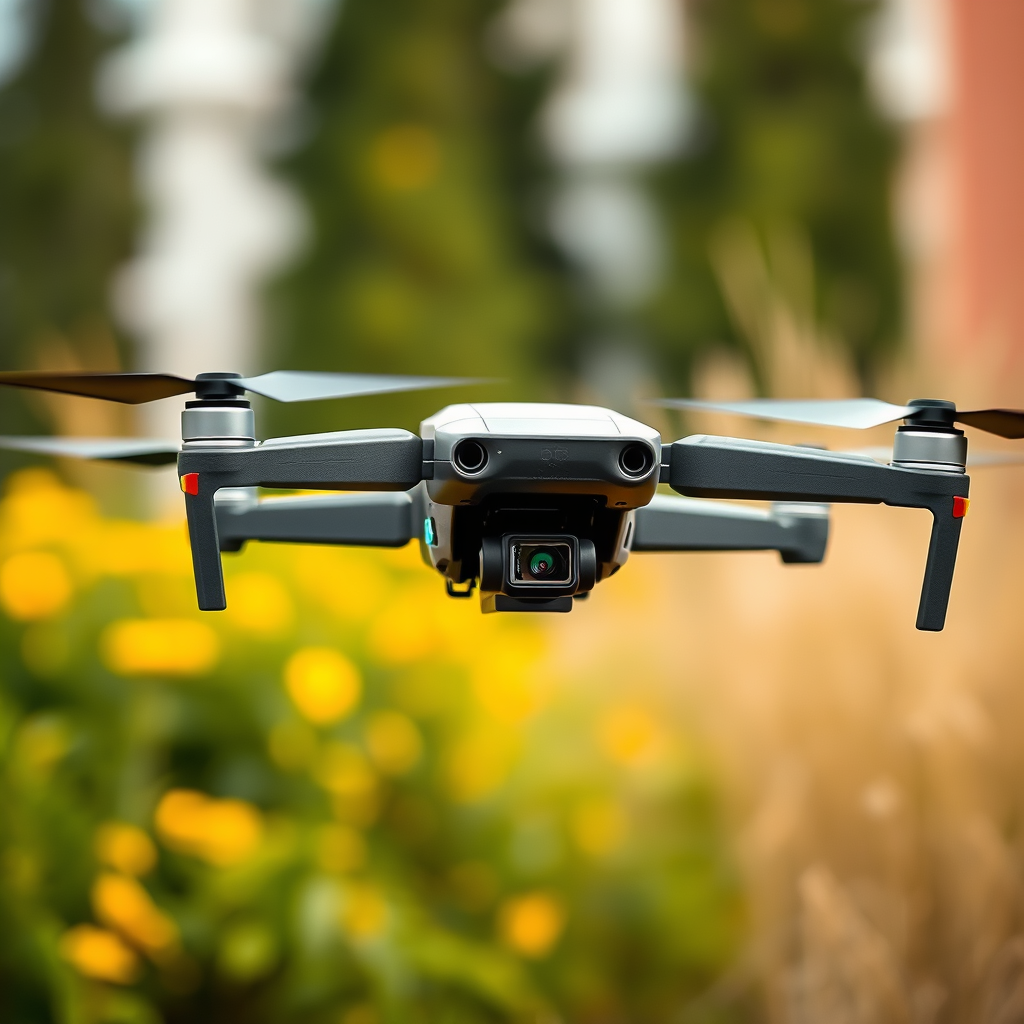
The DJI FPV drone boasts a range of impressive specifications that contribute to its speed and overall performance. Equipped with a 4K camera capable of shooting at 60 frames per second, it provides stunning aerial footage and real-time video transmission with minimal latency. The drone’s 150° field of view delivers an immersive flying experience, making it ideal for both racing and cinematic applications.
In terms of battery life, the DJI FPV features a LiPo 2S battery that allows for a flight time of approximately 20 minutes under optimal conditions. However, actual flight time may vary based on flying style and conditions. The drone operates in three distinct flight modes: Normal, Sport, and Manual. Normal mode offers stability and ease of use for beginners, while Sport mode unlocks the drone’s full potential, allowing for speeds up to 87 mph. Manual mode is designed for experienced pilots, providing full control over flight parameters and enabling advanced maneuvers.
Speed Comparison with Other Drones
When comparing the DJI FPV’s speed to other popular racing drones, it becomes evident that it stands out in the consumer market. For instance, the Eachine Wizard X220 and the Holybro Kopis 2 can reach speeds of around 60 mph (96 km/h), while the Fat Shark 101 is slightly slower at approximately 50 mph (80 km/h). The DJI FPV’s top speed of 87 mph gives it a significant edge in competitive racing and high-speed aerial maneuvers.
Speed is not merely a number; it directly affects performance and maneuverability. Faster drones can cover larger distances in shorter time frames, which can be advantageous in racing scenarios. However, speed without control can lead to crashes and loss of flight stability. Therefore, the DJI FPV’s combination of speed and advanced stabilization technology allows pilots to experience high-speed flying while maintaining control, a critical factor for safe and effective drone operation.
Factors Affecting Flight Speed
Several factors can influence the flight speed of the DJI FPV drone, including environmental conditions, the drone’s weight, and battery status. Wind speed and direction can significantly impact a drone’s speed; flying against strong winds can reduce speed, while tailwinds can enhance it. Pilots should also be aware of altitude changes, as flying at higher elevations may result in thinner air, which can affect lift and overall performance.
The drone’s weight is another crucial factor; any additional payload, such as cameras or accessories, can decrease speed and maneuverability. Additionally, battery status plays a vital role in performance. As the battery depletes, the drone’s ability to reach maximum speed diminishes. Ensuring that the drone is fully charged and that the battery is in good condition is essential for optimal performance.
Tips for Maximizing Speed
To achieve maximum speed with the DJI FPV drone, pilots should consider several tips and best practices. First, flying in Sport mode will unlock the drone’s full speed potential—this is crucial for racing and high-speed flights. Additionally, minimizing weight by avoiding unnecessary accessories can help enhance speed.
Proper pre-flight checks are essential for ensuring that the drone is ready for high-speed operation. Pilots should inspect the propellers for any damage, ensure that the battery is fully charged, and calibrate the drone’s sensors before takeoff. Adjusting the camera angle can also help, as a more aerodynamic position may reduce drag and improve speed.
Finally, consider flying in optimal weather conditions—clear skies and minimal wind are ideal for high-speed flying. By paying attention to these factors, pilots can maximize the speed potential of their DJI FPV drone while ensuring a safe and enjoyable flying experience.
Safety Considerations When Flying Fast
While the thrill of flying fast is exhilarating, safety must remain a top priority. Pilots should always fly in safe environments, away from populated areas, buildings, and obstacles. Choosing open spaces for high-speed flights will reduce the risk of collisions and accidents.
The DJI FPV drone is equipped with several safety features, including obstacle avoidance sensors that help maintain a safe distance from obstacles during flight. Pilots should familiarize themselves with these features and utilize them effectively to minimize risks. Additionally, maintaining a line of sight with the drone is essential, as this allows for better control and awareness of the flying environment.
Pilots should also be aware of local regulations regarding drone flights, as certain areas may have restrictions on flying, especially at high speeds. Understanding and adhering to these regulations will not only ensure safety but also enhance the overall flying experience.
Real-World Applications of Speed
The high-speed capabilities of the DJI FPV drone open up a world of possibilities across various applications. In the realm of racing, the drone’s impressive speed and agility make it a favorite among competitive pilots, allowing them to navigate tight courses with precision. Additionally, the drone is ideal for capturing dynamic aerial footage for action sports, films, and promotional content, where fast-paced shots are essential.
User experiences highlight the benefits of speed in practical scenarios. For example, filmmakers often utilize the DJI FPV for shot sequences that require quick transitions and dramatic angles, adding depth and excitement to their projects. Racing enthusiasts share testimonials about how the drone enhances their competitive edge, enabling faster lap times and improved maneuverability.
Moreover, the speed of the DJI FPV allows for unique applications in search and rescue operations, where quick aerial assessments can be crucial in emergencies. The ability to cover large areas rapidly can aid in locating missing persons or assessing disaster-stricken locales.
In conclusion, the DJI FPV drone offers remarkable speed that appeals to both hobbyists and professionals. Understanding how to optimize performance while ensuring safety can enhance your flying experience. If you’re considering purchasing a DJI FPV, remember to take these factors into account for the best results. By harnessing the full capabilities of this high-speed drone, you can elevate your aerial adventures to new heights.
Frequently Asked Questions
How fast can the DJI FPV drone fly?
The DJI FPV drone can reach a maximum speed of approximately 87 mph (140 km/h) in its Sport mode. This impressive speed makes it one of the fastest consumer drones available, ideal for capturing high-speed racing footage or exhilarating aerial shots. However, to achieve this speed, pilots should be experienced, as handling a drone at such high velocities requires precise control.
What factors affect the speed of the DJI FPV drone?
Several factors can influence the speed of the DJI FPV drone, including wind conditions, battery level, and flight mode. For instance, flying against strong winds can significantly reduce the drone’s effective speed. Additionally, using the Normal mode limits the speed to around 31 mph (50 km/h) for safer and more stable flying, while the Sport mode unlocks its full potential.
Why is it important to understand the flying speed of the DJI FPV drone?
Understanding the flying speed of the DJI FPV drone is crucial for both safety and performance. Knowing the drone’s maximum speed allows pilots to plan their flights better and capture the desired footage effectively. Moreover, it helps in adhering to local regulations regarding drone speed, ensuring a safe flying experience for both the operator and the surrounding environment.
Which flying mode allows the DJI FPV drone to achieve its top speed?
The Sport mode of the DJI FPV drone allows it to reach its top speed of 87 mph (140 km/h). In this mode, pilots can experience the full capabilities of the drone, including rapid acceleration and agile maneuvering. However, it is recommended for experienced pilots, as the increased speed can make the drone harder to control, especially in tight spaces or challenging weather conditions.
How can I improve my flying skills to handle the DJI FPV drone’s speed better?
To enhance your flying skills for better handling of the DJI FPV drone’s speed, consider practicing in a safe and open area where you can gain confidence. Start by mastering the drone in Normal mode before progressing to Sport mode, allowing you to familiarize yourself with the controls. Additionally, using a simulator can help you practice maneuvers and improve your reaction time without the risk of crashing your drone.
References
- https://en.wikipedia.org/wiki/DJI_FPV
- https://www.theverge.com/2021/3/2/22310356/dji-fpv-drone-review-speed-video-quality
- https://www.digitaltrends.com/drone-reviews/dji-fpv-review/
- https://www.techradar.com/reviews/dji-fpv-drone
- https://www.wired.com/story/dji-fpv-drone-review/
- https://www.cnet.com/tech/mobile/dji-fpv-drone-review/
- https://www.nytimes.com/2021/03/02/technology/dji-fpv-drone.html
