
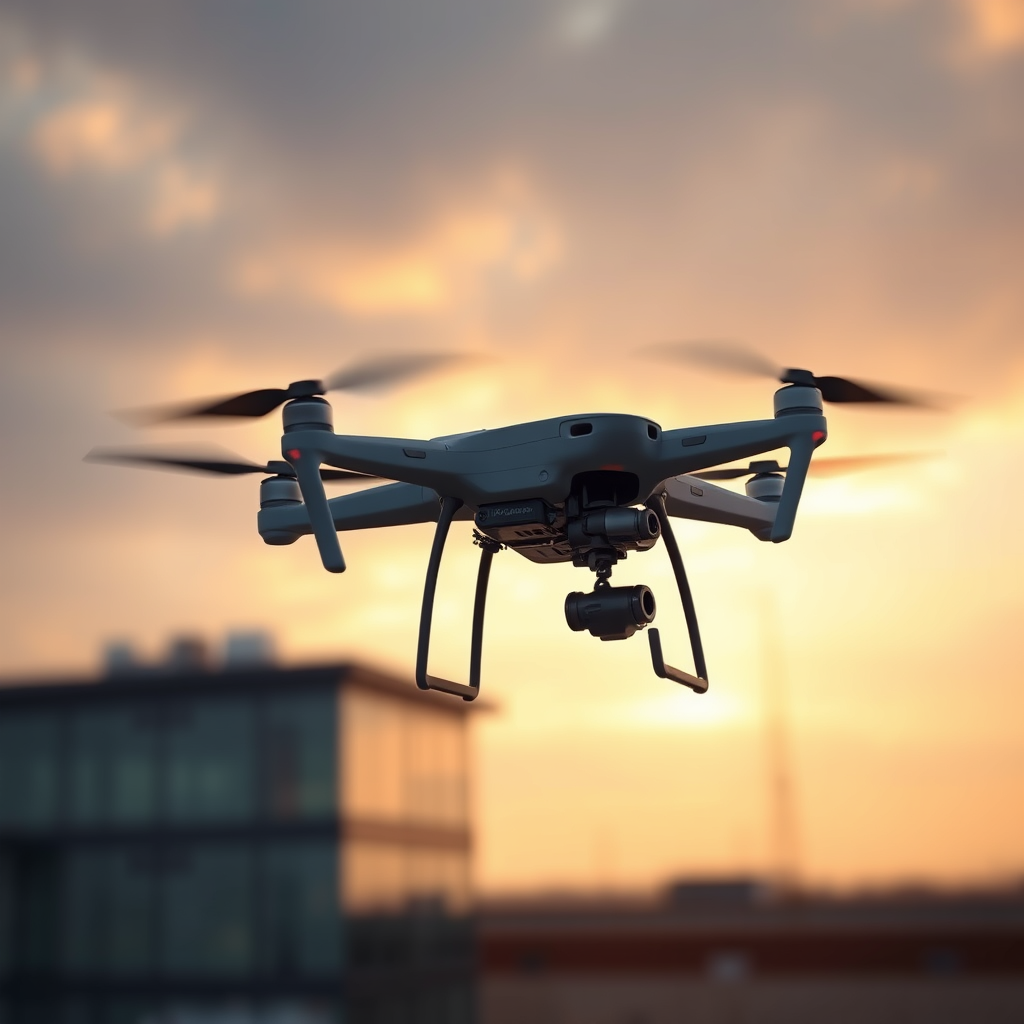
Civilian drones can typically fly up to 400 feet above ground level, a standard limit set by aviation authorities such as the FAA in the United States. This altitude cap is designed to ensure safety in the airspace shared with manned aircraft. Various factors can influence this altitude, including regulations, drone type, and the operational purpose for which the drone is being used. In this article, we will delve deeper into the specifics of drone flight altitude, the implications of these regulations, and what operators need to know to fly safely and legally.
Understanding Drone Flight Regulations
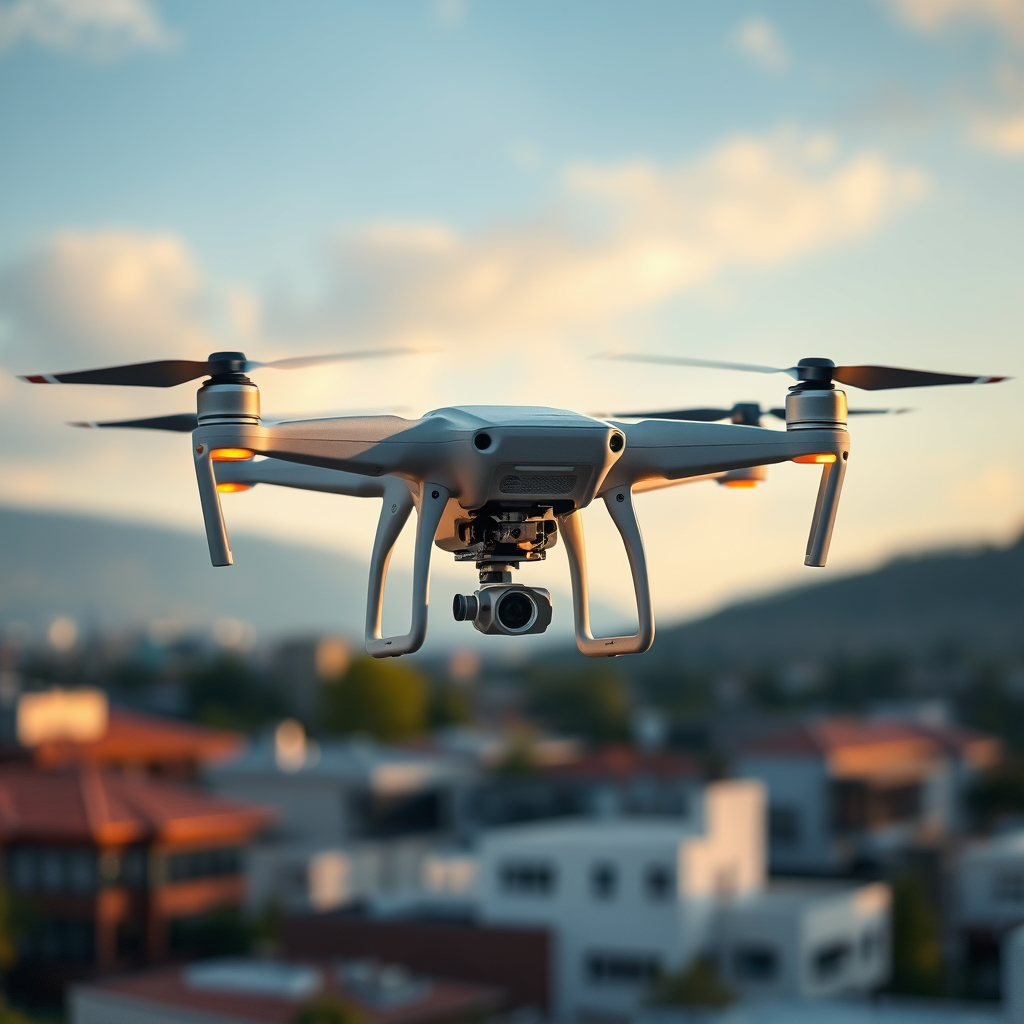
Civilian drones are subject to strict regulations set by various aviation authorities globally, with the Federal Aviation Administration (FAA) being the primary body in the United States. The FAA restricts most drones to a maximum altitude of 400 feet to minimize the risk of collisions with manned aircraft, which typically operate at altitudes above this limit. This regulation is crucial for maintaining safety in the increasingly congested airspace, especially in urban areas.
In addition to the FAA, other organizations and countries have their own sets of rules regarding drone operation. For instance, the European Union Aviation Safety Agency (EASA) has established its own guidelines that may differ from those in the U.S. Understanding these regulations is essential for drone operators to ensure compliance and avoid potential fines or legal repercussions.
Factors Affecting Drone Altitude
Several factors can influence how high a civilian drone can safely fly. One significant aspect is the type of drone being used. Different drone models possess varying performance capabilities—while consumer drones often have a ceiling limited to 400 feet, professional-grade drones designed for specific tasks like aerial photography or surveying may be capable of higher altitudes.
Weather conditions also play a crucial role in determining safe flight altitude. High winds, rain, or other adverse weather can affect drone stability and performance, necessitating lower flight altitudes for safe operation. For instance, a drone might be able to reach its maximum altitude of 400 feet in ideal weather but should be operated at a lower altitude during gusty winds to maintain control and safety.
Special Conditions and Exceptions
While the standard altitude limit for civilian drones is 400 feet, there are special conditions and exceptions that allow for higher flight altitudes. In some instances, areas designated for specific purposes, such as surveying, research, or film production, may permit drones to fly higher than the standard limit.
Drone operators can also apply for waivers from the FAA to fly above the 400-foot altitude limit, provided they can demonstrate a legitimate need for such operations. For instance, a construction company may seek a waiver to conduct aerial inspections of high-rise buildings or infrastructure. Obtaining such waivers requires thorough documentation and adherence to safety protocols to ensure that the increased altitude does not pose risks to manned aircraft or public safety.
Drone Technology and Innovations
The rapid advancement in drone technology is continuously pushing the boundaries of what is possible in terms of altitude. High-performance drones equipped with advanced sensors, enhanced battery life, and improved aerodynamics can potentially achieve greater altitudes under controlled conditions.
For example, some commercial drones designed for agricultural monitoring can operate at altitudes exceeding 400 feet, allowing them to cover larger areas for crop analysis. These innovations not only improve efficiency but also open up new possibilities for industries that rely on aerial data collection. However, operators must remain mindful of regulatory limits and ensure that their operations comply with aviation laws.
Safety Considerations
Flying at higher altitudes inevitably increases the risk of collisions with manned aircraft, which is one of the primary reasons for the 400-foot limit imposed on civilian drones. Understanding airspace classifications is essential for safe drone operation, as different airspace types have varying regulations regarding drone flight.
For instance, Class B airspace, which typically surrounds major airports, has stringent requirements that restrict drone operations, while Class G airspace may allow for more flexibility. Drone operators must be aware of their surroundings, including the presence of manned aircraft, and should always adhere to visual line-of-sight (VLOS) regulations to mitigate risks. Additionally, using technology such as geofencing, which restricts drone flight in certain areas, can help enhance safety.
International Regulations and Variations
Drone regulations vary significantly from country to country, and understanding these differences is crucial for international drone operators. For instance, while the FAA imposes a 400-foot altitude limit in the U.S., other countries may have different regulations. In Canada, for instance, the maximum altitude for drones is also 400 feet, but there are additional requirements for flying in controlled airspace.
International operators should familiarize themselves with local laws and guidelines before flying, as violations can lead to fines or confiscation of equipment. In some countries, operators may be required to obtain specific licenses or certifications to operate drones, especially for commercial purposes.
Staying updated on international regulations is essential, particularly as drone technology continues to evolve and more countries introduce their own frameworks for managing drone operations.
In conclusion, while civilian drones are generally limited to 400 feet in altitude, understanding the underlying regulations, technological advancements, and safety considerations is critical for operators looking to navigate their flying experiences effectively. Compliance with local laws and awareness of the factors influencing altitude can help ensure safe and responsible drone operation. Always check local regulations and stay informed to fly safely and legally.
Frequently Asked Questions
What is the maximum altitude a civilian drone can fly legally?
In the United States, the Federal Aviation Administration (FAA) regulates that civilian drones must not fly higher than 400 feet above ground level. This altitude limit helps to prevent interference with manned aircraft and ensures the safety of both drone operators and the general public. Other countries have similar regulations, so it’s essential to check local laws to ensure compliance.
How can I determine the appropriate flying altitude for my drone?
To determine the appropriate flying altitude for your drone, consider factors such as the type of drone, its purpose, and local regulations. For instance, if you’re using your drone for photography or surveying, you may need to fly at a lower altitude to capture better images. Always refer to the specific airspace classifications and guidelines set by aviation authorities in your area to ensure safe and legal operation.
Why is there a restriction on how high civilian drones can fly?
The restriction on how high civilian drones can fly primarily aims to ensure the safety of manned aircraft and prevent potential accidents. By limiting drone altitudes to 400 feet, aviation authorities can maintain a clear separation between drones and commercial airplanes, which usually operate at much higher altitudes. Additionally, these regulations help protect the privacy of individuals and prevent drones from interfering with emergency response operations.
What are the best practices for flying a drone at maximum altitude?
To safely fly your drone at maximum altitude, first ensure that you are in compliance with local regulations, including the 400-foot limit. Always conduct a pre-flight check to verify that your drone is in good working condition and that the battery is fully charged. Maintain visual line-of-sight with your drone while flying and avoid flying in crowded areas or near airports to minimize risks and adhere to safety guidelines.
Which drones are designed to fly at higher altitudes?
While most civilian drones are limited to a maximum altitude of 400 feet, some high-performance models designed for professional use, such as surveying or mapping, may be capable of flying higher, depending on local regulations. Drones like the DJI Matrice 300 RTK or the senseFly eBee X are equipped with advanced technology that allows for precision flying and can operate in various airspace conditions. However, it’s crucial to always abide by legal altitude limits, even with these advanced drones.
References
- https://en.wikipedia.org/wiki/Drone#Civilian_drones
- https://www.faa.gov/uas/getting_started/part_107/
- https://www.nytimes.com/2020/01/03/us/drone-regulations.html
- https://www.nerdwallet.com/article/investing/drone-regulations
- https://www.sciencedirect.com/science/article/pii/S235214651830015X
- https://www.reuters.com/article/us-usa-drones-insight-idUSKBN2A40Y0
- https://www.bbc.com/news/technology-51017996
- https://www.techrepublic.com/article/us-faa-issues-new-drone-regulations-what-you-need-to-know/
