
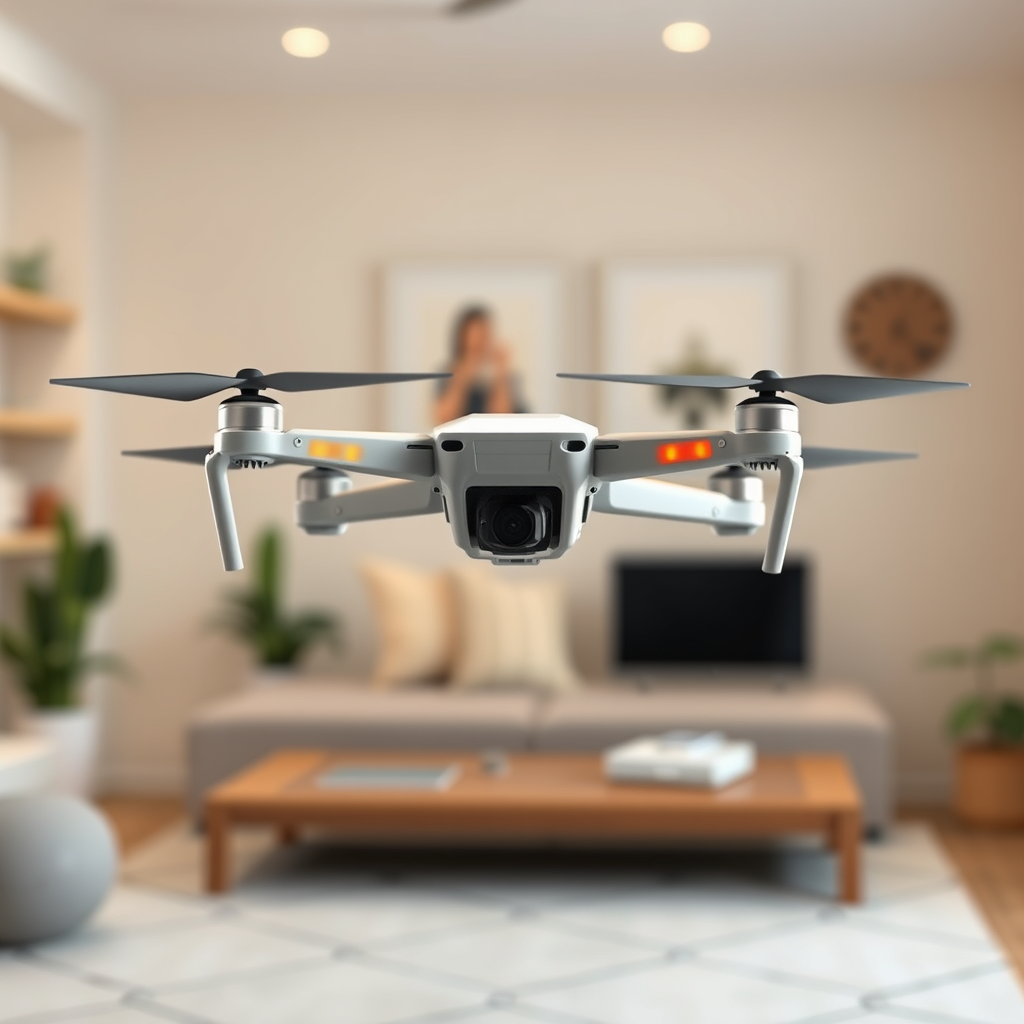
Toy drones can typically fly between 50 to 400 feet, depending on the model and environmental conditions. The altitude a toy drone can achieve is influenced by various factors, including its design, battery life, and external circumstances. Understanding these elements is crucial for both novice and experienced drone enthusiasts who wish to maximize their flying experience while adhering to safety regulations.
Factors Affecting Flight Altitude
Drone Model
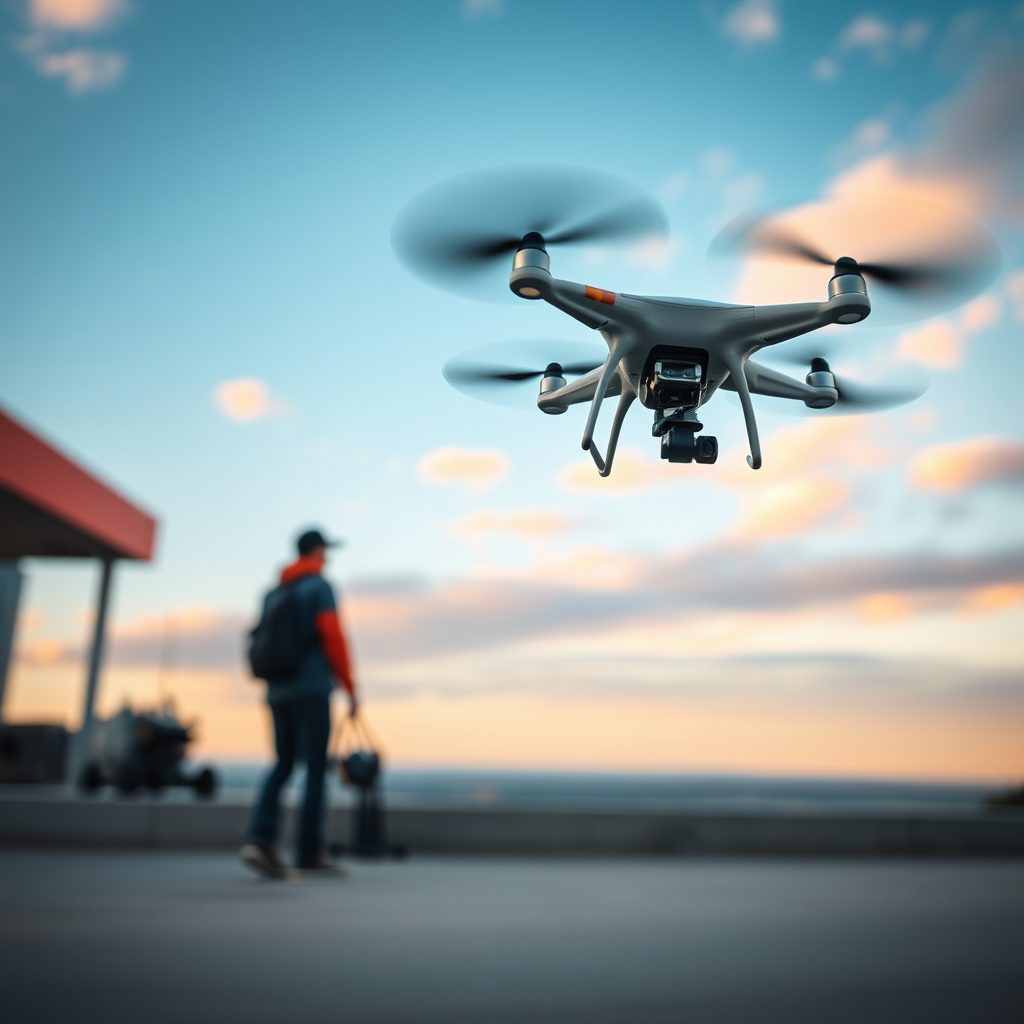
The specific model of a toy drone significantly impacts its altitude capabilities. For instance, entry-level drones may have limited flight heights due to smaller motors and less sophisticated technology, often capping out around 50 to 100 feet. In contrast, mid-range drones can reach altitudes of 200 to 400 feet, thanks to enhanced battery power and advanced flight stabilization systems. High-end toy drones equipped with better sensors and motors can even exceed these limits, providing an exhilarating flying experience.
Battery Life
Battery life is another critical factor that affects a drone’s altitude. As the battery drains, the drone’s power diminishes, which can hinder its ability to maintain altitude. A fully charged battery can enable a toy drone to achieve its maximum height, but as the charge decreases, the drone may struggle to hold its position or reach higher elevations. It’s essential for operators to monitor battery levels closely and plan flights accordingly to avoid losing altitude unexpectedly.
Legal Restrictions on Drone Altitude
FAA Regulations
In the United States, the Federal Aviation Administration (FAA) imposes strict regulations on drone flight. Recreational drones are required to fly below an altitude of 400 feet. This rule is in place to minimize the risk of collisions with manned aircraft and ensure safe airspace usage. It is imperative for drone operators to familiarize themselves with these regulations to avoid potential fines or legal issues.
Local Laws
Beyond federal regulations, various regions may have additional restrictions on drone altitude. Local laws can vary widely, especially in urban areas or near sensitive locations such as airports or military bases. For instance, some cities have established drone-free zones where flying is prohibited altogether. Therefore, before taking flight, it is advisable to consult local laws and regulations to ensure compliance and respect community guidelines.
Environmental Influences
Weather Conditions
Weather conditions play a significant role in a drone’s flight capabilities. Wind can severely impact a drone’s stability and altitude; strong gusts can cause the drone to drift or lose control, potentially leading to crashes. Rain can also affect the drone’s electronics, reducing its performance. Additionally, extreme temperatures may impair battery efficiency, resulting in shorter flight times and limited altitude. Pilots should always check weather conditions before flying to ensure a safe and successful experience.
Obstacles
The presence of obstacles, such as buildings, trees, and power lines, can also limit a toy drone’s altitude. When flying in urban environments, pilots must be cautious of these structures, which can interfere with both the drone’s flight path and signal transmission. Additionally, flying in open spaces can provide more freedom to reach higher altitudes, as there are fewer barriers to impede the drone’s ascent.
Safety Considerations for High Altitude Flights
Avoiding Air Traffic
Flying a drone at high altitudes carries inherent risks, particularly the potential for conflict with manned aircraft. As drone operators ascend beyond the recommended altitude, they may inadvertently enter the flight paths of planes or helicopters, leading to dangerous situations. To mitigate these risks, it is essential to remain aware of air traffic and adhere strictly to altitude restrictions.
Equipment Malfunction
As altitude increases, so does the possibility of equipment malfunction. High altitudes can exacerbate issues related to signal loss or battery failure, leading to a loss of control over the drone. To minimize these risks, operators should conduct thorough pre-flight checks and ensure that their drones are in optimal condition before attempting high-altitude flights.
Enhancing Flight Performance
Upgrading Components
For enthusiasts seeking to maximize their drone’s altitude capabilities, upgrading components can be a worthwhile investment. Higher-quality batteries can provide longer flight times and better energy efficiency, while advanced propellers can enhance lift and maneuverability. Additionally, considering drones with built-in GPS and altitude hold features can significantly improve flight stability and performance.
Practice and Experience
Regular practice is essential for any drone pilot aiming to improve their flying skills. Gaining experience allows pilots to better understand their drone’s capabilities and limitations, enabling them to make informed decisions during flight. Participating in local drone clubs or online forums can also provide valuable insights and tips from fellow enthusiasts, enhancing overall flying techniques.
Popular Toy Drones and Their Altitude Capabilities
Overview of Popular Models
Several popular toy drone models provide varied altitude capabilities. For example, the DJI Tello is a compact drone that can reach heights of around 100 feet, making it ideal for beginners. The Holy Stone HS210, another popular choice among hobbyists, can achieve altitudes of approximately 150 feet. On the higher end, the Potensic D80 boasts an impressive altitude limit of 400 feet, appealing to more experienced pilots seeking an adventurous flying experience.
Comparison Chart
| Drone Model | Maximum Altitude | Battery Life | Price Range |
|———————|——————|————–|————-|
| DJI Tello | 100 feet | 13 minutes | $99 |
| Holy Stone HS210 | 150 feet | 20 minutes | $85 |
| Potensic D80 | 400 feet | 20 minutes | $150 |
| Ryze Tech Tello EDU | 100 feet | 13 minutes | $149 |
This chart illustrates the altitude limits and other specifications of various toy drones, helping potential buyers make informed choices based on their altitude preferences and budget.
In conclusion, while toy drones can reach impressive heights, it is essential to understand the factors that influence their altitude, adhere to regulations, and prioritize safety. Various elements—from the drone model and battery life to environmental conditions and legal restrictions—play crucial roles in determining how high a toy drone can fly. Always check your drone’s specifications and local laws before taking to the skies, and enjoy your flying experience!
Frequently Asked Questions
How high can a toy drone typically fly?
The altitude a toy drone can achieve varies widely based on its design and specifications. Most toy drones can fly anywhere from 100 to 300 feet, although some advanced models may reach up to 400 feet. It’s essential to check the manufacturer’s guidelines, as flying above recommended altitudes can not only damage the drone but may also violate local regulations.
What factors affect the flying height of a toy drone?
Several factors influence how high a toy drone can fly, including its weight, battery capacity, and motor power. Environmental conditions such as wind speed and temperature also play a role; strong winds can limit a drone’s ability to ascend safely. Additionally, many toy drones are designed with built-in altitude limits to ensure safe operation, especially for beginners.
Why is there a maximum flying height for toy drones?
The maximum flying height for toy drones is established primarily for safety and regulatory reasons. Many countries have laws limiting drone flight to prevent collisions with manned aircraft and to ensure public safety. Additionally, exceeding the recommended altitude can lead to loss of signal and control, increasing the risk of crashes or accidents.
Which toy drones have the highest altitude capabilities?
Some of the toy drones with the highest altitude capabilities include models like the Holy Stone HS210 and the Potensic D80, which can reach altitudes of up to 300-400 feet. When selecting a toy drone for its altitude capabilities, consider features such as GPS stabilization and altitude hold, which can significantly enhance flight performance and control.
How can I safely maximize the flying height of my toy drone?
To safely maximize the flying height of your toy drone, ensure that you fly in open areas away from obstacles and people, and check local regulations regarding drone flight. Start by practicing in calm weather conditions to gain confidence in your drone’s controls. Additionally, regularly maintain your drone’s battery and components to ensure optimal performance, which can help you achieve higher altitudes safely.
References
- https://en.wikipedia.org/wiki/Drone
- https://www.faa.gov/uas/getting_started/part_107
- https://www.nasa.gov/feature/nasa-develops-new-drone-technology
- https://www.sciencedirect.com/science/article/pii/S2352864817300033
- https://www.reuters.com/technology/drones-are-changing-how-businesses-work-2021-10-06/
- https://www.abc.net.au/news/2021-07-14/how-high-can-a-drone-fly/100292186
- https://www.techopedia.com/definition/30885/drone
- https://www.societyofaviationengineers.org/drones-and-their-regulations/
