
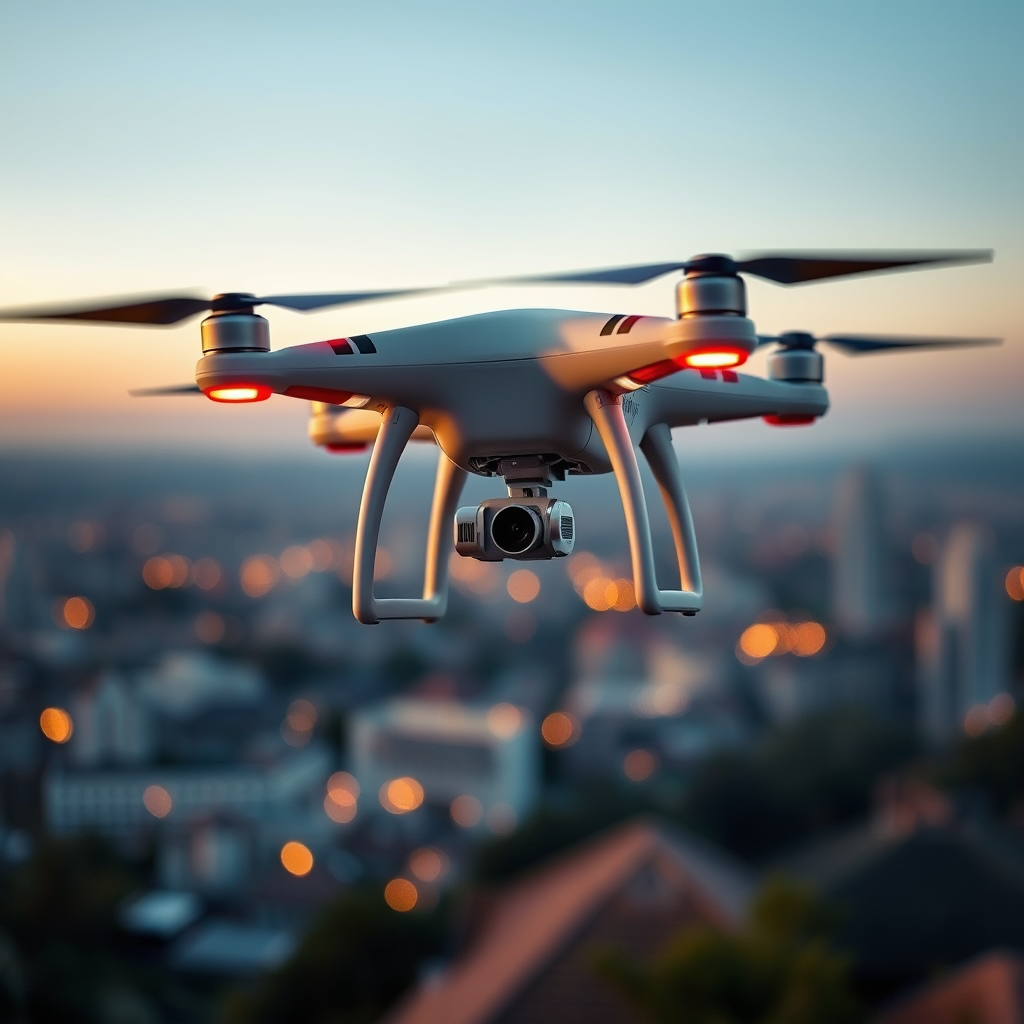
Consumer drones can typically fly up to 400 feet (120 meters) above ground level, depending on regulations and model specifications. This altitude limit is established primarily for safety and legal compliance, ensuring that drones do not interfere with manned aircraft and other airspace users. Understanding the factors that influence these altitude limits, including regulations, drone technology, and practical applications, is crucial for both hobbyists and professionals looking to maximize their drone’s potential.
Understanding FAA Regulations
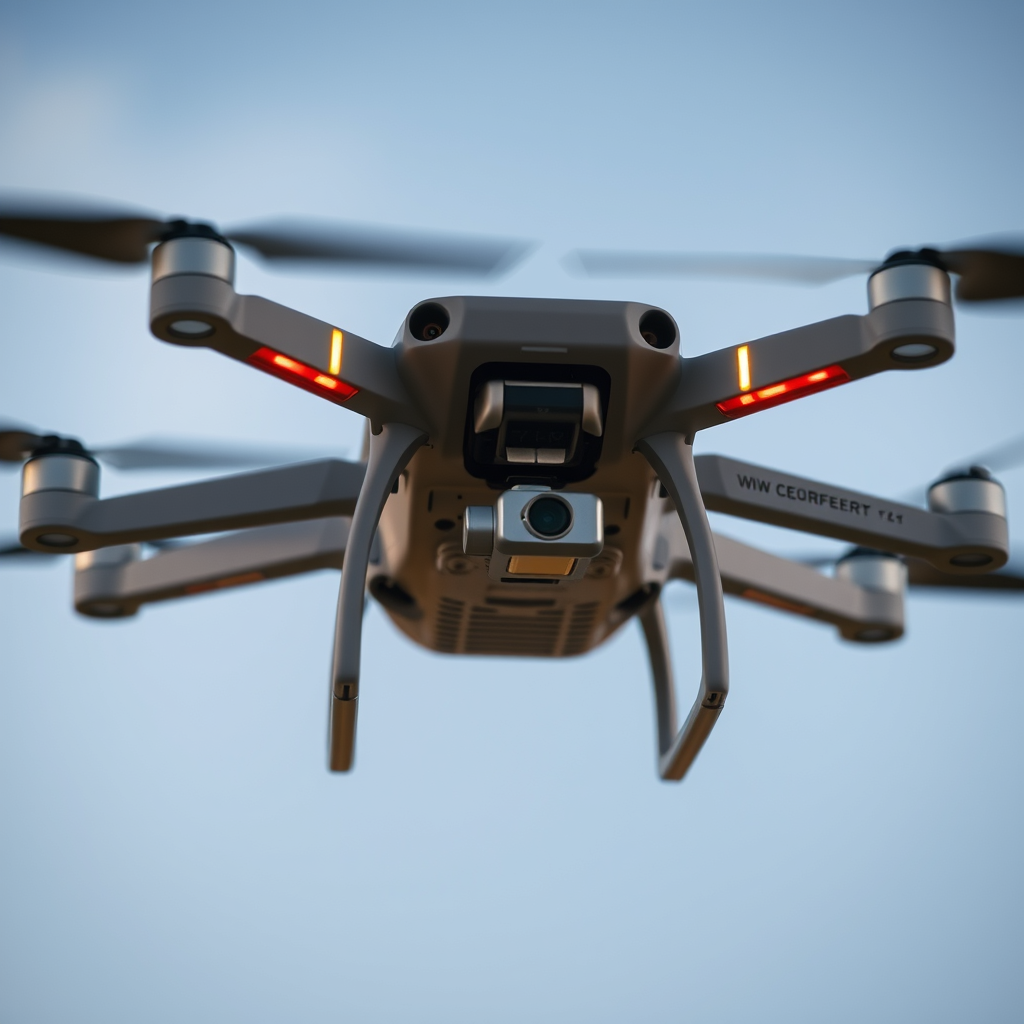
The Federal Aviation Administration (FAA) plays a pivotal role in establishing the altitude limits for consumer drones. The 400-foot ceiling is a regulation designed to mitigate risks associated with air traffic and ensure the safety of both drone operators and the public. By restricting drone flights to this altitude, the FAA aims to reduce the likelihood of collisions with manned aircraft, which typically fly above this limit.
Additionally, the FAA mandates that drone pilots maintain a visual line-of-sight with their drones during operation. This requirement means that operators must be able to see their drone without the aid of binoculars or other devices, which further limits the practical altitude at which many consumer drones can operate. This regulation not only promotes safety but also enhances the pilot’s ability to control the drone and react to potential hazards.
Compliance with FAA regulations is essential for anyone operating a consumer drone, as violations can result in hefty fines, loss of flying privileges, and legal repercussions. Therefore, understanding these regulations is the first step for any drone enthusiast or professional.
Factors Affecting Drone Altitude
Several factors can impact the maximum altitude capabilities of consumer drones, making it essential for operators to consider these elements before flight.
Drone Design and Weight
The design and weight of a drone significantly influence its flying capabilities. Heavier drones may require more power to ascend, which can affect their reach. For instance, a drone with a robust camera system and additional features may weigh more and, as a result, may not achieve the same altitude as a lighter model.
Battery Life and Flight Time
Battery life is another critical factor affecting altitude. As a drone ascends, it requires more energy to maintain altitude, which can deplete battery life faster. Many consumer drones operate efficiently at lower altitudes, where the energy demand is less, allowing for longer flight times. Operators should consider their drone’s battery specifications and flight time estimates to ensure they do not exceed safe operational limits.
Weather Conditions
Weather conditions can also impact flying altitude. Wind, for example, can be more severe at higher altitudes, making it more challenging for drones to maintain stability. Additionally, adverse weather conditions such as rain, snow, or fog can pose risks to visibility, further complicating altitude management.
Types of Consumer Drones
Consumer drones can be categorized into several types, each with varying altitude capabilities, features, and intended uses.
Toy Drones
Toy drones are typically designed for recreational use and are usually limited in altitude. These drones often have lower-quality cameras and fewer advanced features, making them ideal for casual flying but unsuitable for professional applications. Most toy drones will not reach the 400-foot limit due to their lightweight construction and limited power.
Prosumer Drones
Prosumer drones bridge the gap between hobbyist and professional models. These drones often come equipped with enhanced features, such as advanced stabilization systems and high-resolution cameras, allowing for greater altitude control and stability during flight. Many prosumer models can comfortably reach the 400-foot limit and are popular among aerial photographers and videographers.
Professional Drones
Professional drones are used for commercial applications, including agriculture, surveying, and real estate. These drones are often built with advanced technology that allows them to fly at higher altitudes with stability and precision. For example, agricultural drones may be designed to operate at lower altitudes for crop monitoring, but they are capable of reaching higher altitudes when necessary for broader surveys.
Practical Applications of Drone Altitude
The altitude at which a drone flies can significantly impact its effectiveness for various applications.
Aerial Photography and Videography
Aerial photography and videography often require specific heights to capture stunning visuals. Photographers typically fly at altitudes between 100 and 400 feet to take advantage of the best angles and perspectives while remaining compliant with FAA regulations. The ability to adjust altitude allows for creative flexibility, enabling photographers to capture unique shots that enhance their work.
Agricultural Drones
In agriculture, drones are increasingly utilized for monitoring crops, assessing health, and optimizing yields. While these drones may occasionally fly at higher altitudes to gather data over large areas, they often operate at lower altitudes to obtain detailed images of crops and identify issues that require immediate attention. Understanding the optimal altitude for these applications is crucial for effective monitoring and decision-making.
Search and Rescue Operations
Drones are also employed in search and rescue operations, where altitude can play a critical role. Higher altitudes allow for broader coverage of search areas, while lower altitudes enable closer inspections of specific locations. Operators must balance altitude with the need for visibility and detail, making knowledge of altitude regulations essential in these scenarios.
Safety Considerations
Safety is paramount when operating consumer drones, particularly concerning altitude.
Risk of Collisions
Flying at higher altitudes inherently increases the risk of collisions with manned aircraft, which generally fly above 400 feet. Operators must be vigilant and aware of their surroundings to avoid dangerous encounters, especially in crowded airspace. Proper training and adherence to regulations are crucial in mitigating these risks.
Airspace Awareness
Understanding local airspace and any restrictions is vital for safe drone operation. Many areas, especially near airports or populated regions, have specific no-fly zones or altitude restrictions in place. Familiarizing oneself with local regulations and utilizing tools like the FAA’s B4UFLY app can help operators stay compliant and safe.
Emergency Protocols
In the event of a malfunction or emergency situation, having protocols in place to safely land the drone is essential. Operators should be prepared to bring their drone back to a lower altitude if necessary, ensuring they can maintain control and minimize risks to people and property on the ground.
Future Trends in Drone Altitude
As drone technology continues to advance, we may see shifts in both altitude capabilities and regulations.
Advancements in Technology
Emerging technologies, such as enhanced battery systems, improved propulsion mechanisms, and more efficient materials, may enable drones to fly higher and longer. Innovations in automation and artificial intelligence could also enhance flight stability and control at greater altitudes, potentially leading to new applications and uses for drones.
Regulatory Changes
As the drone industry evolves, regulatory frameworks may adapt to reflect advancements in technology and changing societal needs. Discussions around increased altitude limits for certain types of operations, particularly in commercial sectors, are already underway. Staying informed about these potential changes will be important for operators looking to maximize their drone’s capabilities.
In conclusion, while consumer drones are generally limited to flying up to 400 feet, various factors influence this altitude, including regulations, design specifications, and intended applications. Understanding these elements is essential for safe and effective drone operation. As technology and regulations continue to evolve, drone enthusiasts and professionals must remain informed to make the most of their flying experiences.
Frequently Asked Questions
How high can consumer drones legally fly?
In many countries, including the United States, consumer drones are legally allowed to fly up to 400 feet (120 meters) above ground level. This regulation is enforced by aviation authorities like the Federal Aviation Administration (FAA) to ensure safety and prevent interference with manned aircraft. However, local regulations may also apply, so it’s important for drone operators to check their specific area’s laws before flying.
What factors affect the maximum altitude of consumer drones?
The maximum altitude of consumer drones can be influenced by several factors, including the drone’s design, battery life, and weight. Additionally, environmental conditions such as wind speed and air density can impact flight performance. For instance, flying in high winds may limit a drone’s ability to reach its maximum altitude safely.
Why do consumer drones have altitude limits?
Consumer drones have altitude limits primarily for safety and regulatory reasons. These limits help prevent collisions with manned aircraft that operate at higher altitudes and ensure that drone operations do not interfere with air traffic. Furthermore, altitude restrictions are designed to protect the privacy of individuals on the ground and minimize noise pollution in residential areas.
What is the best consumer drone for high altitude flying?
The best consumer drone for high altitude flying is one that combines strong battery life, stability, and advanced flight features. Popular models like the DJI Mavic Air 2 and the Autel Robotics EVO Lite+ are known for their impressive altitude capabilities and reliable performance. When choosing a drone, consider features such as GPS stability, obstacle avoidance, and flight range, all of which contribute to successful high-altitude operations.
Which countries have different regulations regarding drone altitude limits?
Various countries have different regulations regarding drone altitude limits. For example, in Canada, drones are also limited to 400 feet, but the UK allows drone flights up to 400 feet in most areas, subject to specific restrictions in controlled airspace. Countries like Australia and New Zealand have similar altitude regulations. It’s essential for drone pilots to familiarize themselves with local laws and regulations to ensure compliance while flying.
References
- https://en.wikipedia.org/wiki/Consumer_drone
- https://www.faa.gov/uas/
- https://www.nytimes.com/2021/06/09/technology/drones-regulations.html
- https://www.bbc.com/news/technology-50597202
- https://www.theguardian.com/technology/2020/jul/01/drones-commercial-use-regulations-safety
- https://www.nasa.gov/feature/nasa-s-uav-traffic-management-system-aims-for-safe-drone-integration
- https://www.sciencedirect.com/science/article/pii/S2352864817307686
- https://www.mdpi.com/2504-446X/4/1/23
