
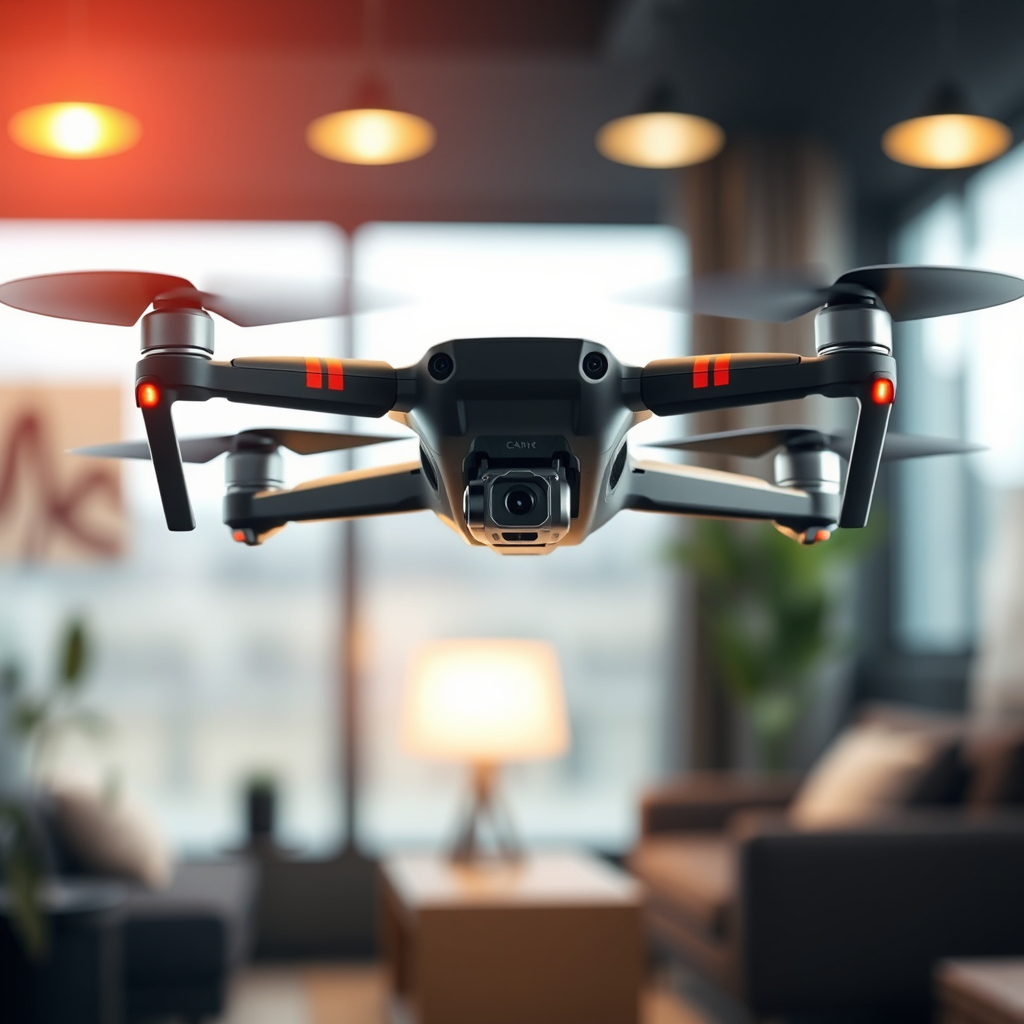
Most consumer drones can fly for about 20 to 30 minutes on a single charge, while high-end models may extend this time to over an hour. However, flight duration varies based on several factors, including drone type, battery capacity, and environmental conditions. Understanding these variables is crucial for drone enthusiasts and professionals alike, as it allows for optimized flight planning and enhances overall user experience.
Understanding Drone Battery Types
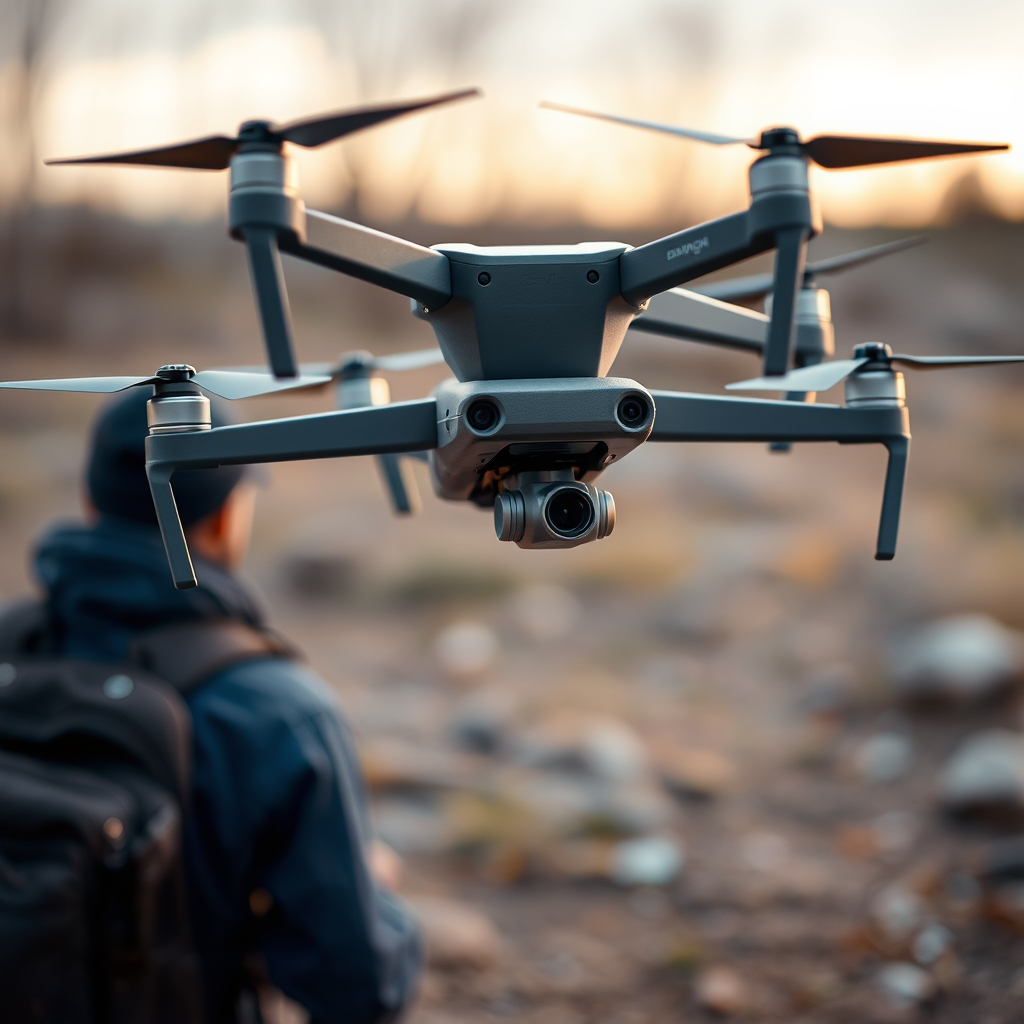
The type of battery used in a drone plays a pivotal role in determining its flight time. The most common battery type found in consumer drones is Lithium Polymer (LiPo) batteries. These batteries are favored for their lightweight properties and high energy density, offering a good balance between weight and power. For instance, a typical drone equipped with a LiPo battery can achieve longer flight times compared to those using heavier battery alternatives.
Battery capacity, measured in milliamp hours (mAh), is another critical factor that significantly affects flight duration. A higher mAh rating indicates a larger battery capacity, which translates to longer flight times. For example, a drone with a 3000mAh battery may fly for up to 30 minutes, while one with a 5000mAh battery could potentially extend that flight time to 45 minutes or more, provided that other conditions are optimal.
Factors Affecting Flight Time
Several external and internal factors can influence how long a drone can stay airborne.
– Weight: The total weight of the drone, including its payload, has a substantial impact on flight duration. When drones carry extra equipment, such as cameras or sensors, the increased weight can lead to a reduction in battery efficiency. For example, a racing drone optimized for speed and agility might struggle to maintain its flight time if it’s loaded with additional gear.
– Weather Conditions: Environmental factors such as wind speed and temperature can also significantly affect battery performance and overall flight efficiency. Strong winds can create additional drag, forcing the drone to work harder to maintain stability, which in turn drains the battery faster. Similarly, extreme temperatures can impair battery performance; cold weather can reduce battery efficiency, while excessive heat can lead to overheating, potentially damaging the battery.
Drone Types and Their Flight Times
The design and purpose of a drone directly influence its flight time.
– Racing Drones: These drones are engineered for speed and agility, resulting in shorter flight times, typically around 5 to 10 minutes. Their lightweight construction prioritizes rapid maneuverability over endurance, which is essential for competitive racing environments.
– Aerial Photography Drones: In contrast, drones designed for aerial photography or videography often feature longer flight durations, ranging from 25 to 40 minutes or more. These drones prioritize stability and power efficiency, allowing users to capture high-quality images and videos without the constant need for recharging. For example, popular models like the DJI Phantom series can consistently achieve flight times of 30 minutes or greater.
Tips to Extend Drone Flight Time
Maximizing your drone’s flight time is essential for an enjoyable experience. Here are some actionable tips:
– Reduce Weight: One effective way to extend flight time is to minimize unnecessary accessories or payload. If your drone is equipped with additional cameras or sensors that are not in use, consider removing them to reduce weight.
– Optimize Flight Patterns: Flight maneuvers significantly impact battery life. To conserve battery power, avoid abrupt turns or rapid ascents and descents. Smooth, steady movements will not only improve flight efficiency but also enhance the quality of captured footage.
– Pre-Flight Checks: Conducting thorough pre-flight checks can also extend battery life. Ensure that all components are functioning optimally and that the drone is not experiencing any mechanical issues that could lead to increased power consumption.
Signs Your Drone Needs a Recharge
Being aware of the signs that indicate your drone needs a recharge can help prevent accidents and extend the life of your battery.
– Decreasing Flight Performance: One of the most noticeable signs is a decline in flight performance, such as reduced altitude control or a slower response to input commands. If you observe these changes, it’s a clear indication that the battery is nearing depletion.
– Battery Indicators: Most modern drones come equipped with battery indicators that display the remaining power level. Monitoring this indicator closely will help you manage your flight time effectively and avoid unexpected shutdowns mid-flight.
Charging and Maintenance Best Practices
Proper charging and maintenance are vital for maximizing battery life and performance.
– Use Recommended Chargers: Always utilize the charger that comes with your drone or one that is specifically recommended for its model. Using the wrong charger can lead to overcharging or inadequate charging, both of which can shorten the battery’s lifespan.
– Storage Conditions: Storing batteries in an appropriate environment is crucial. Keeping batteries in a cool, dry place helps maintain their chemical stability and prolongs their lifespan. Avoid exposing batteries to extreme temperatures, as this can cause irreversible damage.
By following best practices for charging and maintenance, drone operators can ensure that their batteries perform optimally for a longer period, enhancing overall flight experiences.
In conclusion, understanding the factors that influence a drone’s flight time can help you maximize your flying experience. By considering battery type, weight, and environmental conditions, you can optimize your drone’s performance and extend its flight duration. Equipped with these insights and practical tips, drone enthusiasts can confidently plan their flights and fully enjoy the capabilities of their devices. For more tips on drone usage and management, stay tuned to our blog!
Frequently Asked Questions
How long can a typical consumer drone fly on a single charge?
A typical consumer drone can fly for about 20 to 30 minutes on a single charge, depending on factors such as battery capacity, drone weight, and flying conditions. High-end models may offer flight times of up to 40 minutes, while smaller or less powerful drones tend to have shorter durations. It’s essential to check the manufacturer’s specifications for the exact flight time of your specific drone model.
What factors affect how long a drone can fly without recharging?
Several factors can influence a drone’s flight time, including battery capacity (measured in milliamp hours, or mAh), the weight of the drone, weather conditions, and flying style. For instance, aggressive maneuvers, high wind resistance, and carrying additional payloads like cameras can significantly reduce flight time. Understanding these factors can help you optimize your drone’s performance and extend its operational time.
Why do some drones have such short flight times compared to others?
Drones with shorter flight times typically have smaller batteries, lighter frames, or less efficient designs. Consumer drones often prioritize portability and affordability, which can lead to compromises in battery size. In contrast, professional drones designed for advanced applications, like aerial photography or surveying, may have larger batteries and more efficient power management systems, resulting in longer flight times.
What is the best way to extend a drone’s flight time?
To maximize your drone’s flight time, consider using a higher capacity battery, flying in calm weather conditions, and minimizing payload weight. Additionally, flying at a steady speed and avoiding rapid ascents or descents can conserve battery life. Regular maintenance, such as keeping propellers clean and ensuring the drone is well-calibrated, also contributes to optimal performance and longer flight durations.
Which drones offer the longest flight times currently available on the market?
As of October 2023, some of the drones known for their impressive flight times include the DJI Mavic 3, which can fly for up to 46 minutes, and the Autel Robotics EVO Lite+, boasting similar capabilities. Other models like the Parrot Anafi USA also offer extended flight times, making them ideal for professional use. Always compare specifications and user reviews to find a drone that meets your specific needs for flight duration.
References
- https://en.wikipedia.org/wiki/Drone
- https://www.techrepublic.com/article/how-long-do-drones-fly-for-and-what-are-the-factors-that-determine-flight-time/
- https://www.sciencedirect.com/science/article/abs/pii/S2214785321000220
- https://www.nasa.gov/mission_pages/UAS/why-uas.html
- https://www.faa.gov/uas/recreational_fliers/
- https://www.bbc.com/news/technology-53779872
