
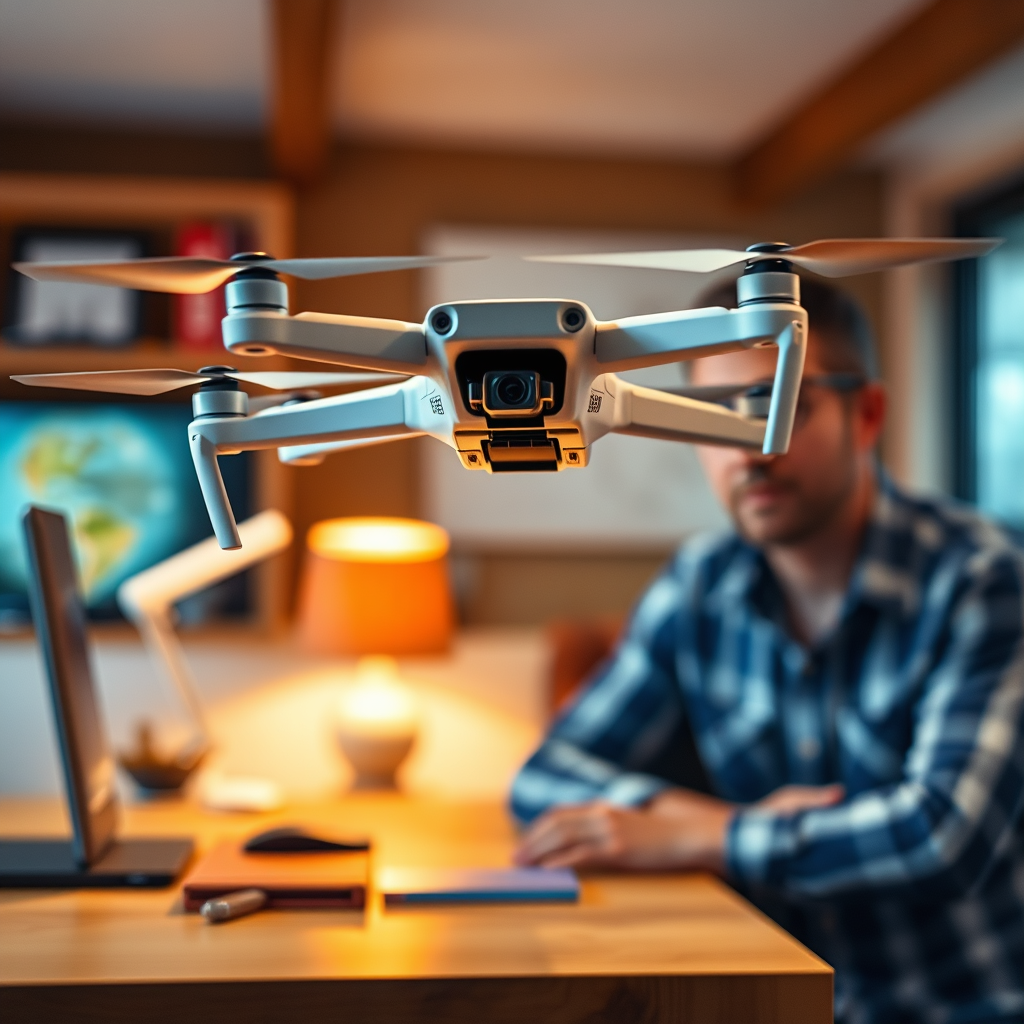
Shooting a drone is illegal and poses significant legal and ethical challenges. Engaging in such actions can lead to severe consequences, including criminal charges and public safety risks. This article explores the reasons behind these prohibitions and the implications of such behavior, highlighting the importance of understanding the legal framework, safety concerns, ethical considerations, and the impact of drone technology on our lives.
Legal Restrictions on Shooting Drones
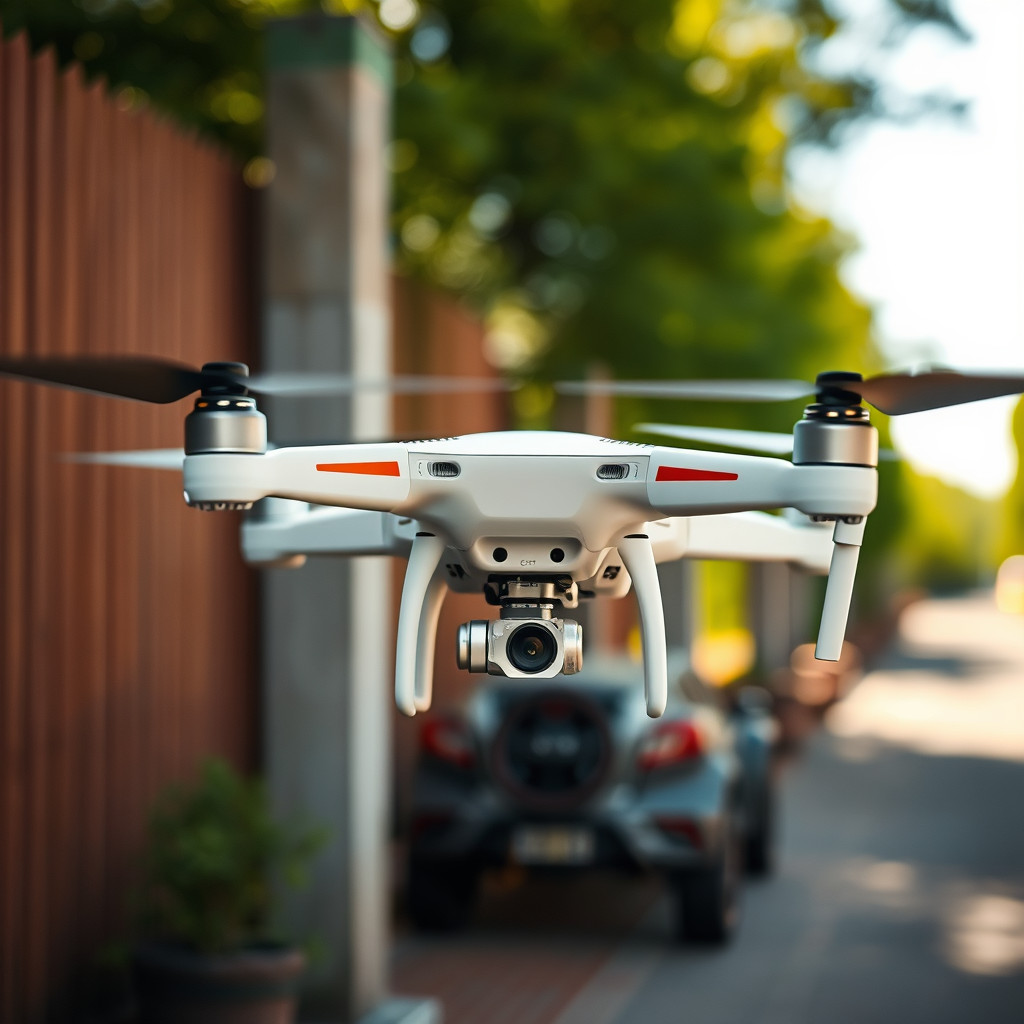
Federal laws in the United States, particularly those enforced by the Federal Aviation Administration (FAA), prohibit shooting down aircraft, which includes drones. The FAA categorizes drones as aircraft and thus applies the same regulations that govern manned aircraft. According to 49 U.S. Code § 501, it is illegal to destroy or damage any aircraft, and this carries serious penalties. Violating these laws can result in hefty fines, which can range from thousands to tens of thousands of dollars, or even criminal charges that could lead to imprisonment.
For instance, in 2019, a Texas man was arrested and faced federal charges for allegedly shooting down a drone with a shotgun. The case highlighted not only the legal repercussions of such actions but also the extent to which authorities are willing to enforce these laws to protect the integrity of the airspace. Additionally, state laws may impose further restrictions, complicating the legal landscape surrounding drone use and the rights of individuals who may feel threatened by their presence. Therefore, it is essential for individuals to be aware of both federal and state regulations before considering any action against a drone.
Safety Concerns
Shooting a drone raises significant safety concerns that extend beyond the immediate action of firing a weapon. When a drone is shot down, it can lead to debris falling from the sky, posing a substantial risk to people and property below. The consequences of falling drone parts can be catastrophic, potentially resulting in injuries, property damage, or even fatalities. For example, if a drone is shot down over a populated area, the unpredictability of its descent can lead to severe outcomes for unsuspecting individuals.
Moreover, the uncontrolled nature of a falling drone can lead to a greater risk of accidents. The drone may crash into vehicles, homes, or public spaces, further exacerbating the potential for harm. In an age where drones are increasingly integrated into various aspects of society—from delivery services to emergency response—it’s critical to prioritize safety and responsible behavior over impulsive reactions to perceived threats.
Ethical Implications
The ethical implications of shooting a drone are multifaceted, raising questions about privacy, property rights, and the rights of drone operators. Drones are often used for legitimate purposes, such as photography, surveying, and monitoring wildlife. When individuals take it upon themselves to shoot down these devices, they undermine the operator’s rights to use their equipment legally and responsibly.
Furthermore, the ethical considerations extend to the motivations behind shooting a drone. While some may argue that they are protecting their privacy or property, it is essential to consider the drone operator’s intentions. They may not be infringing on privacy rights but rather engaging in recreational activities or fulfilling professional duties. Engaging in dialogue and understanding the context of drone operations can foster a more respectful coexistence between drone operators and those who may feel threatened by their presence.
Alternatives to Shooting Down Drones
Instead of resorting to drastic measures such as shooting down a drone, individuals have several alternative courses of action that are both legal and constructive. Reporting unauthorized drones to local authorities is a preferable approach. Law enforcement agencies are equipped to handle such matters within the framework of existing laws and regulations, ensuring that appropriate measures are taken without endangering public safety.
Additionally, engaging directly with drone operators can lead to better communication and understanding. If someone feels uncomfortable with a drone’s presence, initiating a conversation can clarify the operator’s intentions and potentially resolve misunderstandings. By fostering dialogue, individuals can address concerns while respecting the rights of others, ultimately leading to a more harmonious environment where drone usage is accepted and regulated appropriately.
The Impact of Drone Technology
Drones have legitimate uses that extend far beyond recreational flying, impacting various industries such as photography, agriculture, delivery, and emergency services. For instance, in agriculture, drones are used for crop monitoring and precision farming, allowing farmers to assess crop health and optimize resource usage. In emergency situations, drones can aid first responders by providing aerial views of disaster areas, facilitating quicker and more effective responses.
Understanding the benefits of drone technology can shift public perceptions from viewing drones solely as intrusive devices to recognizing their valuable contributions to society. By highlighting the positive applications of drones, stakeholders can work towards establishing a regulatory framework that allows for safe and responsible drone operations while addressing public concerns.
Public Perception of Drones
Public perception of drones is often polarized, with many viewing them as nuisances or threats rather than valuable tools. This perception is fueled by concerns over privacy invasion, noise pollution, and safety risks. As a result, there are increasing calls for stricter regulations governing drone usage. Educating the public about drones, their capabilities, and their legitimate uses can help mitigate fears and promote responsible usage.
Community engagement initiatives, such as workshops and educational seminars, can inform the public about the regulations surrounding drone operations and the benefits they bring. By promoting responsible drone usage and encouraging open dialogue between drone operators and the public, we can foster a more informed and accepting attitude towards this emerging technology.
In summary, shooting a drone is not only illegal but also fraught with safety and ethical concerns. It is vital to explore alternative solutions while understanding the broader implications of drone technology in our lives. If you encounter an issue with a drone, consider reporting it or discussing it with the operator instead. By fostering communication and understanding, we can create a safer and more respectful environment for all parties involved.
Frequently Asked Questions
Why can’t you shoot a drone if it flies over your property?
Shooting a drone that flies over your property is illegal in most jurisdictions, as it can be considered destruction of property and may lead to criminal charges. Additionally, many countries have specific regulations that protect drones under aviation laws, treating them as aircraft. Instead of taking drastic measures, it’s advisable to report any invasive drone activity to local authorities who can address the issue lawfully.
What are the legal implications of shooting down a drone?
Shooting down a drone can have severe legal consequences, including fines and potential imprisonment. In the U.S., for example, the FAA prohibits any actions that could interfere with the operation of an aircraft, which includes drones. It’s important to understand that the drone operator could also pursue civil claims for damages, further complicating the situation.
How can I protect my privacy from drones without resorting to violence?
To protect your privacy from drones, consider installing privacy screens or using natural barriers like trees and shrubs to obstruct aerial views. Additionally, you can use anti-drone technology, such as signal jammers or drone detection systems, which can alert you to unauthorized drone activity. Always engage in open communication with neighbors about drone usage to mitigate privacy concerns amicably.
Which laws govern drone usage in my area, and how can I find them?
Drone usage is governed by a combination of federal, state, and local laws, which can vary significantly. In the U.S., the Federal Aviation Administration (FAA) sets the primary regulations for drone operations, while states and municipalities may have additional restrictions. To find specific laws in your area, you can visit the FAA’s website or consult your local government’s official site for information on drone regulations.
What should I do if a drone is causing a disturbance in my neighborhood?
If a drone is causing a disturbance in your neighborhood, the first step is to identify the operator, if possible, and express your concerns directly. If the issue persists, you can contact local law enforcement or your neighborhood association for assistance. Documenting the drone’s activity and any disturbances can also help authorities address the situation more effectively.
References
- https://www.faa.gov/uas/resources/policies_regulations/
- https://www.nytimes.com/2021/07/20/us/drones-shooting-down.html
- https://en.wikipedia.org/wiki/Drone
- https://www.wired.com/story/shooting-drones-illegal/
- https://www.bbc.com/news/world-us-canada-44283218
- https://www.theguardian.com/technology/2018/aug/04/drones-shooting-down
- https://www.nap.edu/catalog/24700/drone-technology-and-the-law
- https://www.nps.gov/articles/drones-and-the-law.htm
- https://www.cnbc.com/2020/01/30/why-you-cant-shoot-a-drone.html
