
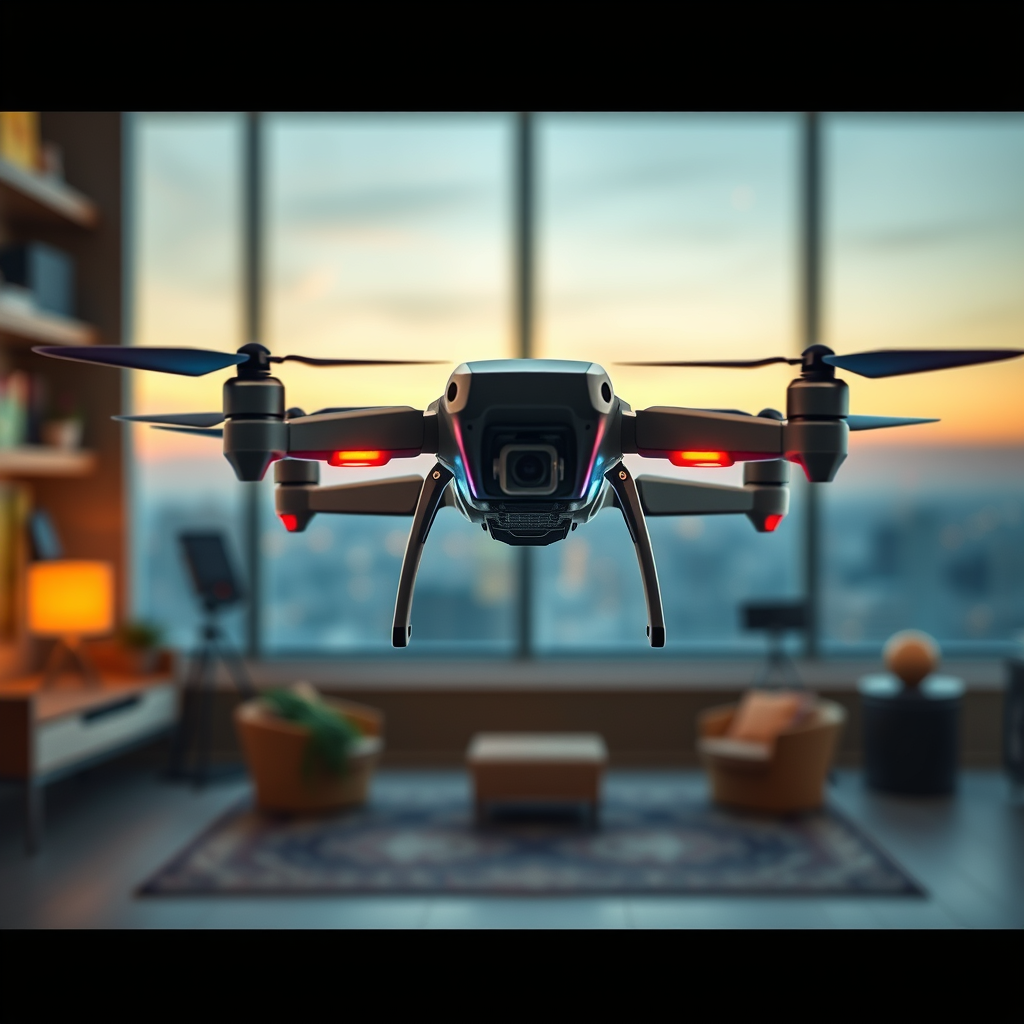
Most consumer drones can fly for approximately 20 to 30 minutes on a single battery charge, while professional-grade drones can last anywhere from 30 minutes to several hours depending on various factors. This article delves into the key aspects that affect drone flight duration and the advancements in technology that are enhancing flight capabilities. Understanding these elements is crucial for enthusiasts and professionals alike who rely on drone technology for aerial photography, surveillance, delivery services, and other applications.
Understanding Drone Battery Life
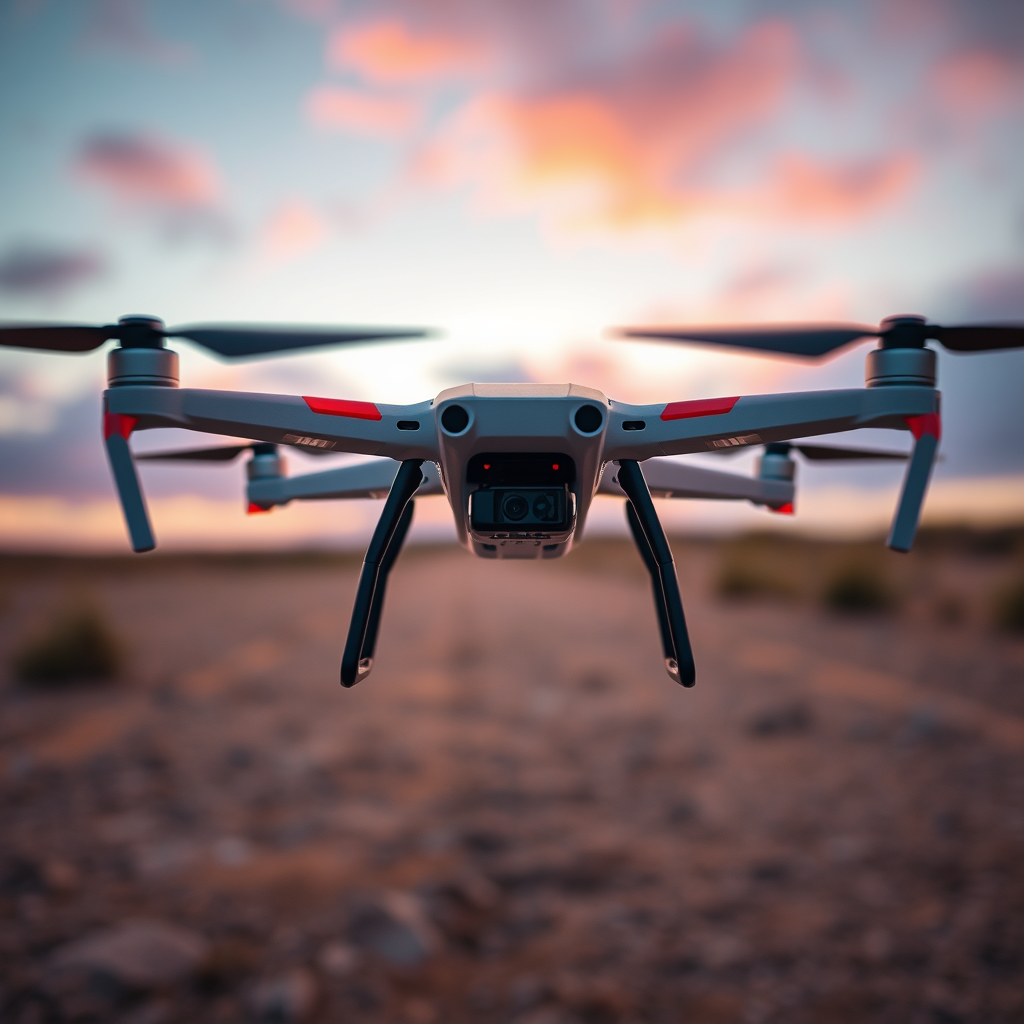
The type of battery a drone utilizes significantly influences its flight duration. The two most common battery types in drones are lithium-polymer (LiPo) and lithium-ion (Li-ion) batteries. Lithium-polymer batteries are favored in consumer drones due to their lightweight nature and ability to deliver high discharge rates, allowing for powerful performance within a compact size. On average, consumer drones equipped with LiPo batteries can achieve flight times of 20 to 30 minutes.
In contrast, professional drones, which often utilize larger and more advanced battery systems, can harness Li-ion batteries that provide longer flight times. These batteries, while typically heavier, are designed for endurance, enabling high-end drones to fly from 30 minutes up to several hours, depending on their design and intended use. For example, the DJI Matrice 600, a professional-grade drone, can fly for over 35 minutes, making it suitable for complex aerial tasks such as cinematography and industrial inspections.
Factors Affecting Flight Duration
Several factors influence how long a drone can stay airborne, and understanding these elements can help users optimize their flight times. One significant factor is weight and payload. Drones carrying additional equipment, such as high-resolution cameras, sensors, or extra batteries, experience increased battery consumption. For instance, a drone designed to carry a 1 kg payload may see its flight time reduced by 10-15% compared to its standard flight duration without any additional equipment.
Weather conditions also play a crucial role in determining flight duration. Wind resistance can severely impact battery life, as drones must exert more energy to stabilize against strong gusts. Cold temperatures can diminish battery performance, reducing overall flight time, while high humidity levels can affect electronic components. For optimal performance, it is advisable to monitor weather conditions before flying and to consider these factors when planning flights.
Technological Advancements
Advancements in battery technology are continuously pushing the boundaries of how long drones can fly without needing to refuel. Researchers are exploring innovative materials and designs, such as solid-state batteries, which promise higher energy densities and longer life cycles compared to traditional batteries. These developments could potentially double flight times for both consumer and professional drones in the near future.
Additionally, autonomous flight systems that leverage GPS and sophisticated flight planning algorithms can optimize battery usage. Drones equipped with advanced software can calculate the most efficient route, minimizing unnecessary altitude changes and conserving power. For example, delivery drones can plan their routes to reduce travel distance and avoid obstacles, further enhancing their operational efficiency and extending flight duration.
Tips to Maximize Flight Time
Maximizing flight time involves careful pre-flight preparation and smart flying techniques. Ensuring optimal battery health is paramount; users should regularly check battery charge levels, avoid over-discharging, and store batteries in a cool, dry place. Conducting pre-flight checks on the drone’s condition—such as inspecting propellers, motors, and firmware updates—can also prevent technical issues that might arise during flight.
In terms of flying techniques, gentle maneuvers, such as gradual ascents and descents, can significantly extend battery life. Rapid acceleration and sharp turns consume more power and can shorten flight time. Flying in stable weather conditions, avoiding strong winds, and maintaining an optimal altitude can further enhance the drone’s efficiency, ensuring that every minute of flying counts.
Future of Drone Flight Duration
The future of drone flight duration looks promising, with several emerging technologies on the horizon. Research into alternative fuel sources, such as hydrogen fuel cells, offers the potential for even longer flight durations and quicker refueling times compared to traditional battery systems. Such advancements could revolutionize industries reliant on drone technology, including agriculture, logistics, and emergency services.
Industry trends indicate that as drone applications continue to evolve—from increased delivery services to expanded use in urban planning—demands for longer flight durations will drive continued innovation. Companies are investing in R&D to create hybrid systems that combine battery and fuel cell technologies, potentially leading to drones that can fly for hours instead of minutes.
Common Myths About Drone Flight Time
There are numerous misconceptions surrounding drone flight time that can mislead users. One common myth is that all drones have the same flight capabilities. In reality, flight times can vary dramatically based on drone type, battery technology, and the conditions mentioned earlier. Another misconception is that battery life indicators are always accurate; however, factors such as temperature fluctuations and battery age can affect performance.
Real-life examples illustrate these points. For instance, while a consumer-grade drone may advertise a flight time of 25 minutes, users often experience shorter durations due to payload and environmental conditions. Conversely, professional drones designed for specific tasks often exceed their advertised times, thanks to sophisticated engineering and battery management systems.
In conclusion, while most drones have a standard flight time, understanding the factors at play can help users maximize their flying experience. As technology continues to evolve, we can expect even longer flight durations in the future. By staying informed and adapting flying habits accordingly, drone users can ensure they get the most out of their devices, whether for leisure or professional needs.
Frequently Asked Questions
How long can a typical consumer drone fly on a single battery charge?
A typical consumer drone can fly for approximately 20 to 30 minutes on a single battery charge. However, this duration can vary significantly based on factors such as the drone’s weight, battery capacity, and environmental conditions like wind speed. To maximize flight time, it’s essential to maintain the drone’s battery and ensure it is fully charged before each flight.
What factors affect a drone’s flying time before needing to refuel or recharge?
Several factors can affect a drone’s flying time, including battery capacity, drone weight, payload, and weather conditions. For instance, flying in windy conditions can drain the battery faster due to the increased power needed to stabilize the drone. Additionally, carrying extra equipment, such as cameras or sensors, can reduce flight time, making it crucial to plan flights considering these variables.
Why do professional drones have longer flight times compared to consumer drones?
Professional drones typically have longer flight times due to larger battery capacities and more efficient propulsion systems. These drones are designed for specific applications, such as aerial photography or surveying, and are often equipped with advanced technology that optimizes energy consumption. Additionally, high-end models may use lightweight materials that help improve overall efficiency and extend flight duration.
What are some tips to extend the flight time of a drone?
To extend the flight time of a drone, consider flying in optimal weather conditions, reducing payload weight, and maintaining battery health through proper charging practices. Additionally, flying at a steady altitude and minimizing aggressive maneuvers can help conserve battery life. Regularly updating the drone’s firmware can also enhance performance and efficiency, leading to longer flight times.
Which drones offer the best flight times for professional use?
Drones like the DJI Matrice 300 RTK and the Freefly Alta X are known for their impressive flight times, often exceeding 40 minutes under optimal conditions. These professional-grade drones are designed for heavy-duty tasks such as industrial inspections and cinematography, featuring powerful batteries and advanced aerodynamics that contribute to their extended flight capabilities. When choosing a drone, consider your specific needs and the balance between flight time and other features like camera quality and range.
References
- https://en.wikipedia.org/wiki/Drone
- https://www.bbc.com/news/technology-44555679
- https://www.nytimes.com/2018/09/19/business/drone-delivery.html
- https://www.sciencedirect.com/science/article/pii/S2352864817301953
- https://www.aaai.org/ojs/index.php/AIIDE/article/view/11940
- https://www.govinfo.gov/content/pkg/GAOREPORTS-GAO-18-43/html/GAOREPORTS-GAO-18-43.htm
- https://www.nasa.gov/feature/nasa-s-drones-are-flying-high
- https://www.nap.edu/catalog/23629/assessment-of-nasa-aircraft-noise-and-its-impact-on-the-environment
- https://www.aerospace.org/publications/overview-of-drone-technology-and-its-implications/
