
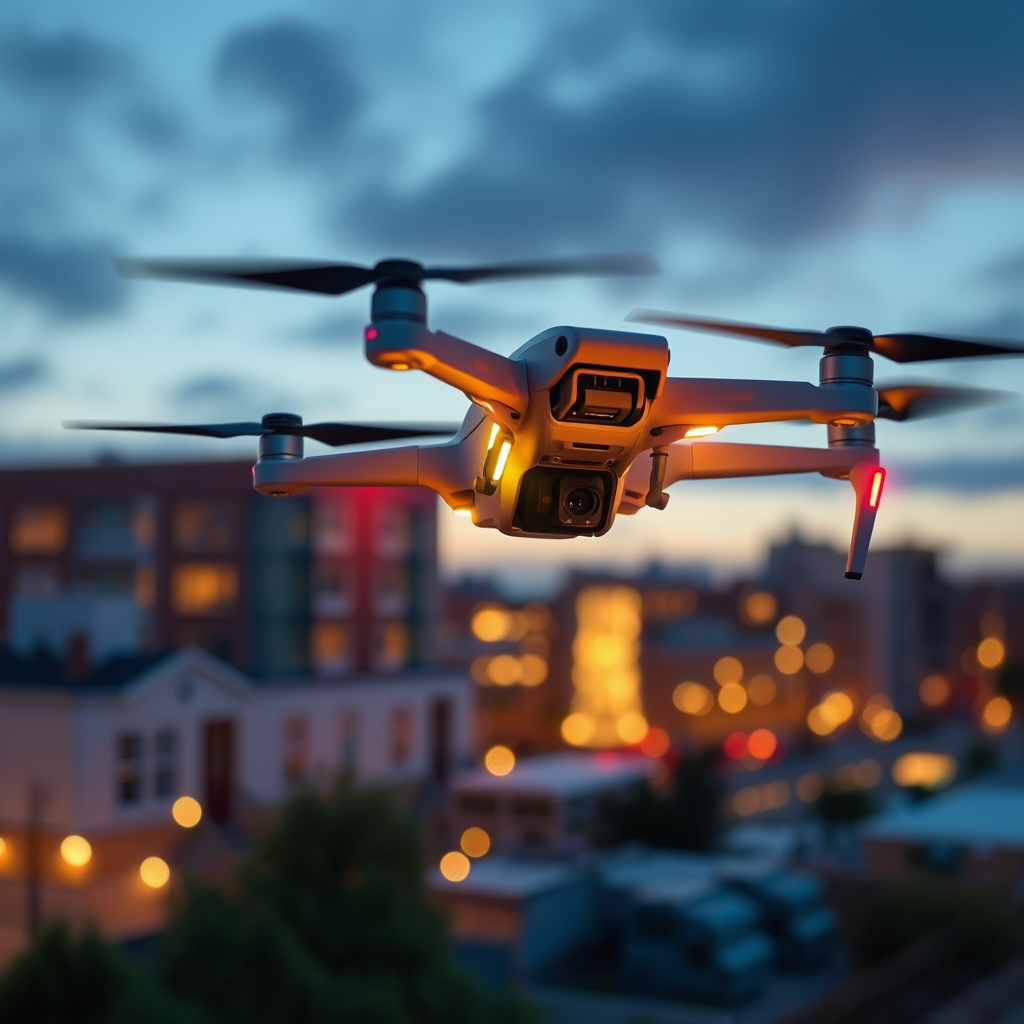
Drones can typically stay in the sky for about 20 to 30 minutes on a single battery charge, with some high-end models lasting up to 60 minutes or more. The duration of flight depends on a variety of factors, including the drone’s battery capacity, weight, and the conditions in which it is flown. Understanding these elements can significantly enhance your flying experience and ensure you are making the most of your drone’s capabilities.
Battery Capacity and Type
One of the most critical factors affecting a drone’s flight time is its battery capacity and type. The flight time is directly proportional to the battery’s capacity, usually measured in milliampere-hours (mAh). A higher capacity battery can store more energy, thus allowing the drone to fly for longer periods. For instance, while a typical consumer drone may come equipped with a 1,500 mAh battery, models designed for extended flight can feature batteries with capacities exceeding 5,000 mAh, significantly boosting their airtime.
Lithium polymer (LiPo) batteries are the most commonly used type in drones due to their lightweight and high energy density. These batteries offer a favorable balance between weight and power, making them ideal for both recreational and professional drone applications. However, it’s essential to note that while LiPo batteries provide excellent performance, they require careful handling and maintenance to ensure longevity and safety. Regularly checking the battery’s health and ensuring it is charged correctly can lead to better flight times and overall performance.
Weight and Payload
The weight of a drone, along with any additional payload it carries, plays a significant role in determining its flight time. Heavier drones or those carrying extra equipment, such as cameras or sensors, will typically experience reduced flight times due to the increased power required to maintain altitude and maneuverability. For example, a drone that weighs 1 kilogram may achieve a flight time of 30 minutes without a payload, but this could drop to 20 minutes or less when carrying an additional 500 grams.
To enhance flight duration, drone users should aim to minimize excess weight where possible. This can involve choosing lighter materials for drone accessories or opting for more compact equipment. Additionally, understanding the drone’s maximum payload capacity is crucial; exceeding this limit can lead to diminished performance and safety risks. By carefully managing weight and payload, users can optimize their drone’s efficiency and extend its time in the sky.
Flight Conditions
Flight conditions significantly affect a drone’s performance and battery usage. Wind speed, temperature, and weather conditions can all impact how efficiently a drone operates. For example, flying a drone in high winds requires more power, as the drone must exert additional energy to maintain stability and altitude against the wind’s force. In such conditions, flight time can often be reduced by 20% to 30%.
Conversely, operating in calm weather with mild temperatures generally helps extend flight durations. Windless days are ideal for flying, as they allow the drone to conserve battery power. Moreover, extreme temperatures, whether hot or cold, can influence battery performance, leading to shorter flight times. Understanding these dynamics can help drone pilots choose the best times for flying and, ultimately, maximize their airborne experience.
Drone Model and Technology
The specific model of the drone and its technological features greatly influence flight time capabilities. Different manufacturers design drones with varying specifications, resulting in diverse flight durations. For instance, while a budget-friendly consumer drone may provide around 20 minutes of flight time, a high-end model equipped with advanced technology can exceed 60 minutes.
Incorporating advanced technology, such as energy-efficient motors and improved aerodynamics, can significantly enhance a drone’s endurance. Drones equipped with features like GPS stabilization, optimized propeller designs, and smart flight modes can utilize battery power more efficiently. Researching and selecting the right model based on your specific needs—whether for photography, racing, or surveying—can make a substantial difference in how long the drone can stay airborne.
Usage Patterns
The manner in which a drone is operated also plays a pivotal role in determining flight duration. Continuous hovering or performing aggressive maneuvers, such as rapid ascents or sharp turns, demand more energy from the battery, resulting in reduced flight times. For example, a drone that hovers steadily at a constant altitude may achieve 30 minutes of flight time, while the same drone performing acrobatics could experience a drop to 15 minutes or less.
To maximize airtime, drone pilots can adopt strategic flying habits. Planning flight paths, utilizing gentle maneuvers, and allowing the drone to glide rather than continuously throttle its motors can all contribute to longer flight durations. Additionally, utilizing features such as return-to-home and altitude hold can help pilots conserve battery life during flight.
Maintenance and Care
Regular maintenance and care are essential for ensuring optimal battery health and overall drone performance. Neglecting battery care can lead to diminished flight times and potential safety hazards. Following best practices for battery storage—such as keeping it at a moderate temperature and avoiding complete discharges—can significantly extend its lifespan and maintain performance.
Moreover, regular inspections of the drone’s propellers, motors, and overall structure can ensure that everything is functioning optimally. Clean and well-maintained drones are more efficient, leading to better flight times. Additionally, keeping software and firmware updated can enhance performance and introduce features that improve energy efficiency. By investing time in maintenance, drone users can enjoy longer flights and a more reliable flying experience.
In conclusion, understanding the factors that affect a drone’s flight time can help users optimize their flying experience. From battery capacity and weight management to flight conditions and maintenance practices, each element plays a crucial role in determining how long a drone can stay in the sky. Whether you’re using a drone for recreation or professional purposes, managing these aspects will allow you to make the most of your time airborne, enhancing both enjoyment and operational efficiency.
Frequently Asked Questions
How long can a typical consumer drone fly on a single battery charge?
The flight time of a typical consumer drone varies widely depending on the model and battery capacity, but most consumer drones can stay in the air for approximately 20 to 30 minutes on a single charge. High-end models may achieve flight times of up to 40 minutes, while budget models may range from 10 to 15 minutes. It’s essential to consider factors like payload, flight conditions, and battery health, as these can significantly impact overall flight duration.
What factors affect the flight time of a drone?
Several factors can influence how long a drone can remain airborne. These include the drone’s weight (including any additional payloads), battery capacity, weather conditions (such as wind and temperature), and the flight mode being used (e.g., aggressive flying vs. gentle cruising). Additionally, the efficiency of the drone’s motors and propellers also plays a crucial role in determining flight duration.
Why do drones have limited flight times?
Drones have limited flight times primarily due to the constraints of battery technology. Most consumer drones use lithium polymer (LiPo) batteries, which provide a balance between weight and power but have finite energy storage. As the drone consumes battery power for propulsion, stabilization, and onboard systems, the energy is depleted quickly, leading to a limited operational period, typically between 10 to 40 minutes based on the drone’s design and usage.
How can I extend the flight time of my drone?
To extend your drone’s flight time, consider investing in higher-capacity batteries or additional batteries for longer sessions. Additionally, flying in optimal conditions—like calm weather and at lower altitudes—can increase efficiency. Reducing the weight of your drone by minimizing accessories, using energy-efficient flying techniques, and ensuring that your drone is well-maintained will also contribute to longer flight durations.
Which drones have the longest flight times on the market?
Some of the drones with the longest flight times include models like the DJI Mavic 3 and the Autel Robotics EVO Lite+, both of which can achieve flight times of up to 40 minutes under ideal conditions. Additionally, professional-grade drones like the DJI Matrice series can offer even longer flight times, often exceeding 50 minutes. When selecting a drone for extended flight, it’s crucial to look for specifications that highlight battery capacity and efficiency.
References
- https://en.wikipedia.org/wiki/Drone#Flight_time
- https://www.faa.gov/uas/
- https://www.nasa.gov/mission_pages/airspace/uas/
- https://www.reuters.com/technology/longer-flying-drones-are-revolutionizing-delivery-2021-05-28/
- https://www.sciencedirect.com/science/article/pii/S2213138821000490
- https://www.theguardian.com/us-news/2021/aug/16/drones-deliveries-us-airspace
- https://www.bbc.com/future/article/20201019-how-long-can-drones-fly-for
- https://www.techrepublic.com/article/how-long-can-drones-fly/
