
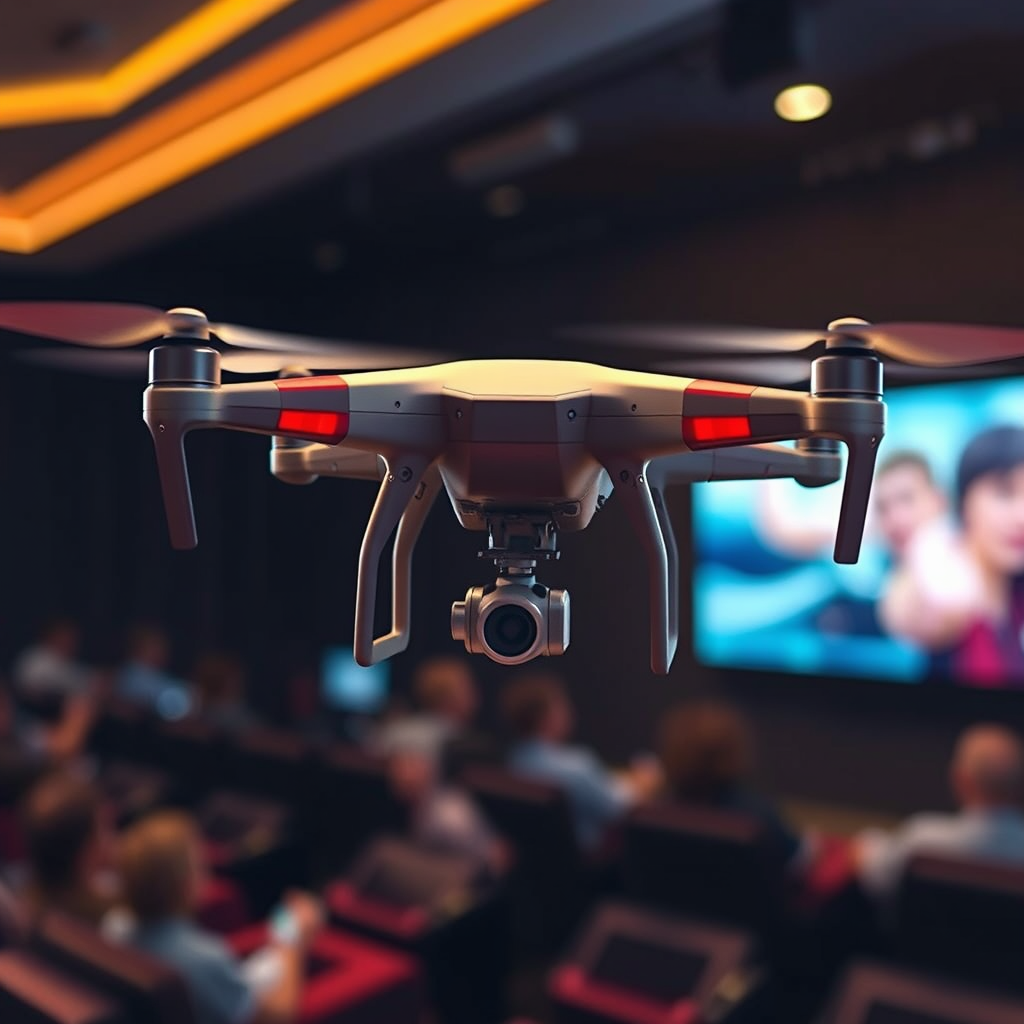
Drones can typically fly between 5 to 20 kilometers on a single charge, depending on various factors such as model, battery capacity, and environmental conditions. This broad range indicates that while some drones excel in distance capabilities, others are limited by design. Understanding these elements is essential for users aiming to optimize flight distances for their specific needs, whether for recreational purposes, aerial photography, or commercial applications.
Overview of Drone Flight Distances
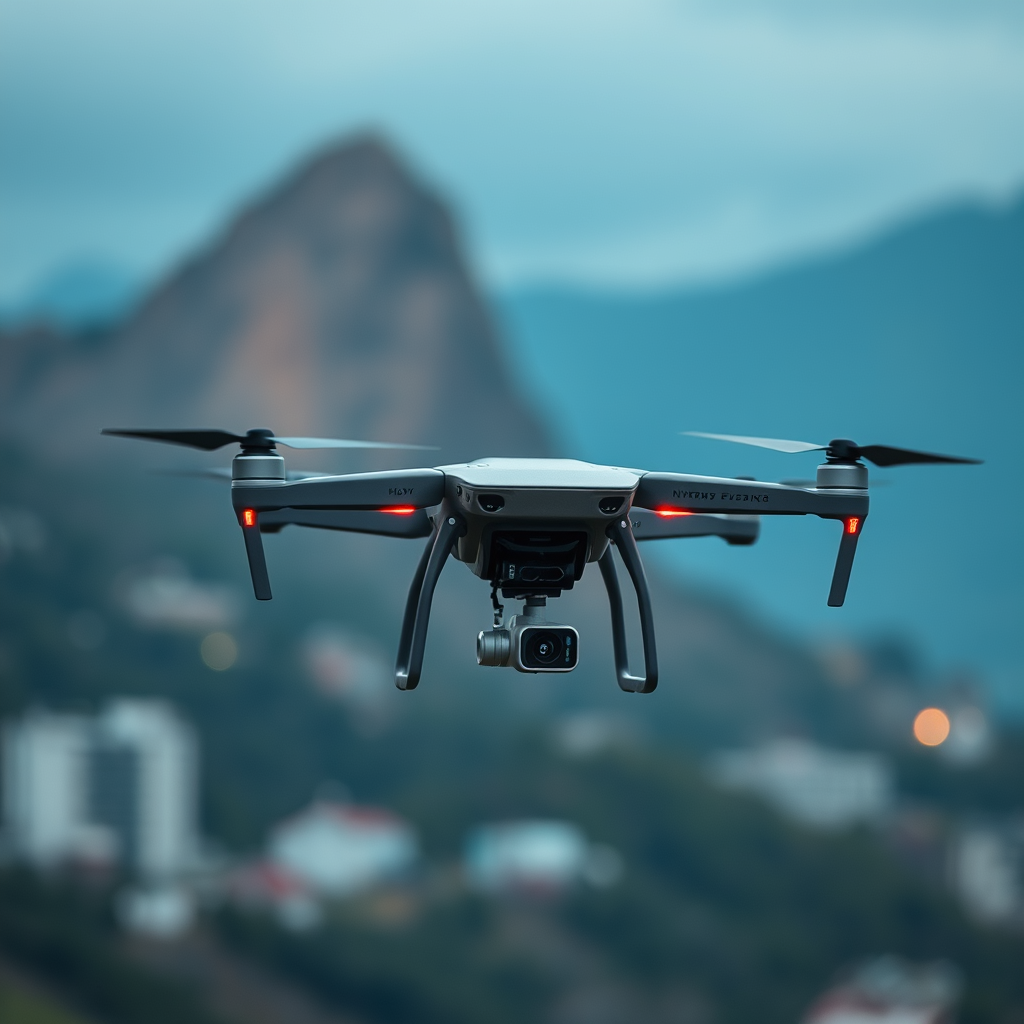
Different types of drones have varying flight ranges, which can be attributed to their intended use and design specifications. Consumer drones, such as those used for personal photography or recreational flying, generally have shorter ranges. Typical consumer models like the DJI Mini can fly approximately 4 kilometers, while more advanced consumer drones like the DJI Mavic Pro can reach flight distances of up to 10 kilometers.
In contrast, professional or commercial drones, such as those used in surveying, agriculture, or search and rescue operations, usually boast longer flight ranges, often extending beyond 20 kilometers. For instance, the senseFly eBee X can cover distances up to 60 kilometers, depending on its payload and battery configuration. This disparity illustrates that the purpose of the drone significantly influences its design and capabilities, including its maximum flight distance.
Factors Affecting Drone Flight Distance
Battery life and capacity play a crucial role in determining a drone’s flight range. Drones are powered by lithium polymer (LiPo) batteries, which come in various voltages and capacities measured in milliampere-hours (mAh). A higher mAh rating typically indicates a longer potential flight time. For example, a drone equipped with a 5000mAh battery may achieve flight times of up to 30 minutes under ideal conditions, while a drone with a 3000mAh battery may only offer 20 minutes.
Additionally, the weight of the drone and its payload can significantly impact how far it can fly. Heavier drones require more power to remain airborne, thus consuming battery life more quickly. For instance, a drone designed for aerial photography that carries a high-resolution camera will have a reduced flight range compared to a lighter model without such equipment. Users should carefully consider the weight they add to their drones to ensure optimal flight performance.
Conditions Influencing Flight Range
Weather conditions such as wind speed and temperature can significantly affect drone performance. High winds can make it challenging for drones to maintain stability, often resulting in increased battery consumption as the drone works harder to counteract the adverse effects of the weather. Cold temperatures can also impact battery efficiency, leading to reduced flight times. Pilots should always check local weather forecasts and choose optimal flying conditions to maximize their drone’s performance.
Moreover, obstacles such as buildings, trees, and other structures can interfere with the drone’s signal, reducing effective distance. Drones rely on radio signals to communicate with their controllers, and physical obstructions can disrupt these signals, leading to a loss of control or reduced range. When planning a flight, users should consider the environment and avoid flying in areas with numerous obstructions to ensure a smoother, uninterrupted flying experience.
Comparing Different Drone Models
When comparing different drone models, it is essential to understand their specific flight ranges and capabilities. For instance, consumer drones like the DJI Mavic Air 2 typically have a maximum flight distance of around 10 kilometers, making them suitable for hobbyists and casual users. These drones come equipped with advanced features such as obstacle avoidance and intelligent flight modes, enhancing the overall flying experience.
On the other hand, racing drones prioritize speed and maneuverability, often sacrificing flight range. A racing drone may only achieve a maximum distance of 1 to 2 kilometers, but it can cover that distance in seconds due to its high-speed capabilities. These drones are designed for competitive racing and agile flying rather than long-distance travel. Users should select a drone model that aligns with their specific needs, whether for leisurely use, professional applications, or competitive racing.
Tips for Maximizing Drone Flight Distance
To maximize drone flight distance, users should regularly maintain and calibrate their drones. This includes checking battery health, ensuring propellers are in good condition, and keeping firmware updated. Regular maintenance helps to avoid unexpected failures during flight and can lead to improved efficiency.
Planning flight routes to avoid obstacles and interference is another crucial strategy. Before launching, users should survey the flying area and identify potential obstructions. Utilizing GPS features and mapping tools can aid in plotting optimal routes that maximize distance while minimizing risks. Additionally, flying at lower altitudes can sometimes help maintain a strong signal, further enhancing range.
Legal Limitations on Drone Flight Distance
Many countries have regulations that limit the maximum flight distance from the operator. These laws are designed to enhance safety and ensure that drones are operated within the visual line of sight of the pilot. For example, in the United States, the Federal Aviation Administration (FAA) requires drone operators to keep their aircraft within sight at all times, which effectively limits the maximum flight distance.
Understanding local laws is essential to ensure compliance during flights. Drone operators should familiarize themselves with the regulations in their specific regions, including any restrictions related to altitude, no-fly zones, and required permits for commercial use. This knowledge not only helps avoid legal issues but also promotes responsible drone operation.
In conclusion, while most drones can fly between 5 to 20 kilometers, various factors can influence these distances. By considering aspects such as battery life, weight, environmental conditions, and regulations, drone users can make informed decisions to maximize their flight capabilities. Understanding the nuances of drone technology and operational best practices will enable enthusiasts and professionals alike to optimize their aerial experiences effectively.
Frequently Asked Questions
How far can a typical consumer drone fly on a single battery charge?
A typical consumer drone can fly anywhere from 5 to 15 kilometers (3 to 9 miles) on a single battery charge, depending on its model and specifications. High-end models specifically designed for long-range flights may cover up to 20 kilometers (12 miles) or more. Factors such as wind conditions, payload weight, and battery health can significantly affect the actual distance flown.
What factors affect a drone’s flying range?
Several factors influence a drone’s flying range, including battery capacity, drone weight, and environmental conditions. Wind resistance can decrease range, while flying at high altitudes may affect battery performance. Additionally, the type of communication technology used (e.g., Wi-Fi, radio signals) and any obstacles in the flight path can also limit the effective range of the drone.
Why do some drones have a longer flight range than others?
Drones with longer flight ranges typically feature larger batteries, more efficient motors, and advanced communication systems that enhance signal strength. Professional-grade drones are often engineered for extended ranges, allowing for higher-quality cameras and additional features. In contrast, consumer drones are designed to be more compact and cost-effective, which may reduce their operational range.
What is the maximum distance a commercial drone can fly?
Commercial drones can achieve impressive distances, with some models capable of flying up to 100 kilometers (62 miles) or more. These drones are often built for specific applications such as surveying, mapping, and delivery services. Factors like regulatory restrictions and line-of-sight requirements can limit practical flying distances, even for high-capacity commercial drones.
Which type of drone is best for long-distance flying?
The best type of drone for long-distance flying is generally a fixed-wing drone, which can achieve greater distances compared to quadcopters due to their aerodynamic design. Models like the Parrot Disco or the senseFly eBee X are excellent examples that can cover extensive ranges. Additionally, look for drones equipped with high-capacity batteries, efficient propulsion systems, and robust communication technology to ensure optimal performance during long flights.
References
- https://en.wikipedia.org/wiki/Drone
- https://www.faa.gov/uas/getting_started
- https://www.nasa.gov/feature/nasa-s-advanced-air-mobility-project
- https://www.cnbc.com/2021/02/18/how-far-can-drones-fly-in-2021.html
- https://www.sciencedirect.com/science/article/pii/S2212017320300210
- https://www.theguardian.com/technology/2021/mar/15/flying-drones-how-far-can-they-go
- https://www.ncbi.nlm.nih.gov/pmc/articles/PMC7074081/
