
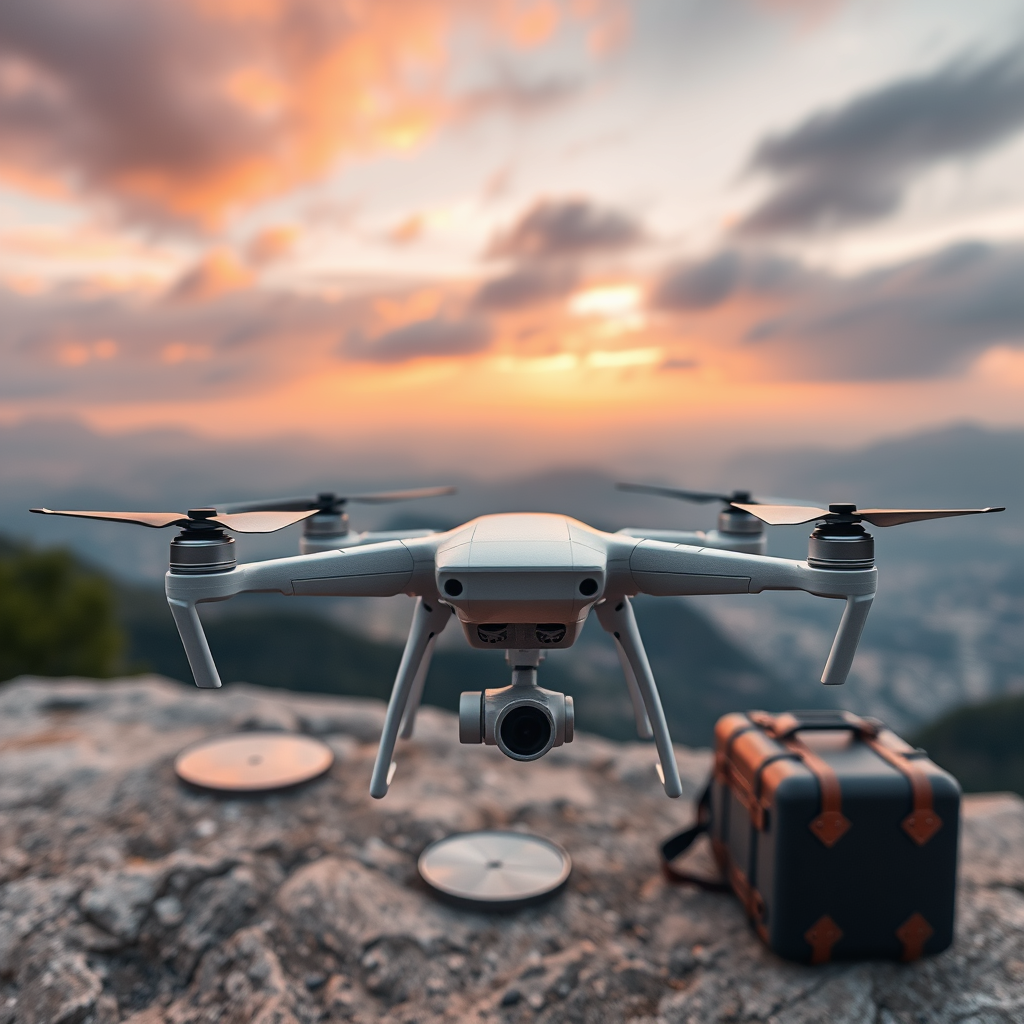
Drones can typically travel between 3 to 10 miles on average, depending on various factors like battery life, weather conditions, and technology. Understanding the intricacies of a drone’s travel capabilities is essential for both enthusiasts and potential users, as it can significantly impact their operational efficiency and enjoyment. This article will explore the influencing elements that determine a drone’s travel distance, providing a comprehensive understanding for all who are interested in this evolving field.
Understanding Drone Range
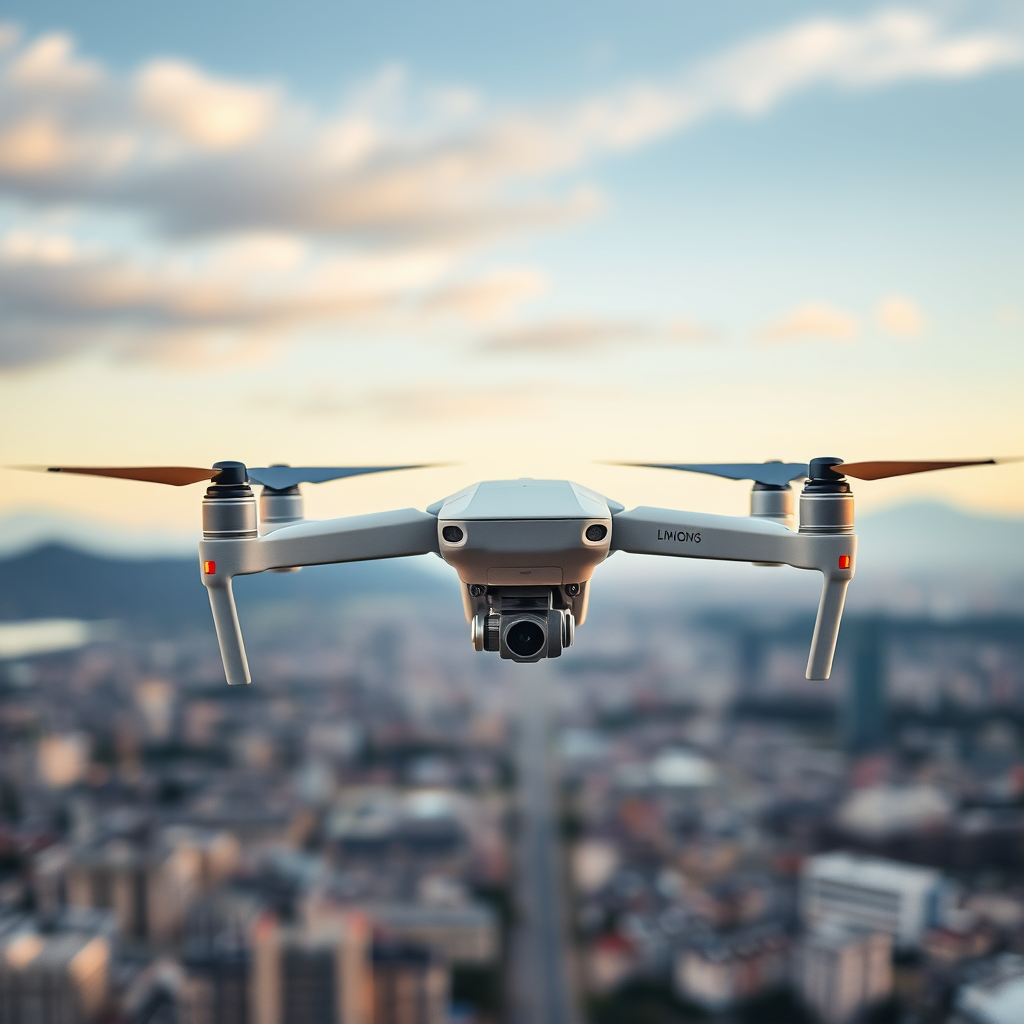
Most consumer drones have a range of 3 to 5 miles, which is generally sufficient for recreational activities such as aerial photography and videography. These drones are designed with user-friendly features that cater to hobbyists, yet they are limited by factors such as battery life and signal strength. High-end models, on the other hand, can reach distances of up to 10 miles or more, making them suitable for professional applications like surveying, mapping, and search-and-rescue operations. The range can also vary based on the manufacturer’s specifications, with some brands prioritizing extended distance capabilities in their higher-tier offerings.
For example, the DJI Mavic Air 2 boasts a maximum range of approximately 6.2 miles under optimal conditions, while the DJI Mavic 3 can extend this to around 9 miles. Such advancements in drone technology highlight the increasing demand for longer-range capabilities in both consumer and commercial markets, as users seek more flexibility and functionality in their aerial devices.
Types of Drones and Their Distances
Drones can be broadly categorized into two types: consumer drones and commercial drones. Consumer drones, designed primarily for recreational use, are generally limited by battery life and signal range, making them suitable for casual flying and photography. These drones often come equipped with basic GPS and stabilization features, allowing users to capture stunning imagery without requiring advanced technical knowledge.
Conversely, commercial drones are built for specific tasks that demand enhanced range capabilities. They often feature advanced navigation systems, improved battery technologies, and robust communication equipment, enabling them to operate over greater distances. For instance, agricultural drones used for crop monitoring can cover vast areas in a single flight, sometimes exceeding 10 miles, to collect data efficiently. These specialized drones are vital for industries that rely on precise aerial data and require drones to travel significant distances while maintaining operational integrity.
Factors Affecting Drone Travel Distance
Several key factors directly influence a drone’s travel distance. One of the most significant is battery life, which determines how long a drone can remain airborne. Most consumer drones are equipped with lithium-polymer (LiPo) batteries that typically offer flight times ranging from 20 to 30 minutes. However, flight times can vary based on how the drone is operated, with aggressive maneuvers or adverse weather conditions leading to quicker battery depletion.
Another critical factor is weight and payload. Drones designed to carry heavier loads, such as high-resolution cameras or additional sensors, may experience reduced travel distances due to increased energy consumption. For example, a drone that can typically fly 5 miles with no payload might only be able to cover 3 miles when loaded with equipment. Therefore, users must consider the balance between the drone’s capabilities and the payload it carries to optimize performance.
Environmental Influences on Drone Range
Environmental conditions play a pivotal role in determining the effective range of a drone. Weather elements such as wind speed, rain, and temperature can significantly affect a drone’s flight performance. High winds can cause instability and reduce a drone’s ability to maintain a straight line, while rain can affect electronic components and lead to operational failures.
Geographic obstacles, such as buildings, trees, and hills, can also limit a drone’s range by obstructing the line-of-sight communication between the drone and its remote controller. For instance, flying in urban environments presents challenges due to the presence of tall structures, which may hinder signal transmission. Operators must be mindful of their surroundings and choose flight paths that minimize the impact of these environmental factors.
Technological Advances Impacting Distance
Recent technological advancements have significantly improved drone range capabilities. Modern drones are equipped with sophisticated GPS and navigation systems that enhance flight precision and control over longer distances. These systems allow for automated flight paths, reducing the need for constant manual control and enabling users to focus on capturing data or imagery.
Signal strength is another area where technological improvements have made a notable impact. Advanced communication technologies, such as OcuSync and Lightbridge, are being integrated into newer drone models, allowing for extended operational ranges. These technologies facilitate clearer video transmission and control signals, which are crucial for maintaining connectivity during long-distance flights. As a result, users can confidently operate their drones at greater distances while minimizing the risk of losing control or losing connection with the device.
Legal Considerations for Drone Travel
Legal considerations are essential for drone users, as FAA regulations dictate flight distances and operational limits based on the drone’s classification. For instance, recreational drone pilots must adhere to specific guidelines, including maintaining visual line-of-sight with their drones at all times. This can inherently limit the distance a recreational user can travel.
Additionally, users must be aware of no-fly zones, which include areas around airports, military installations, and other restricted locations. Flying in these zones can lead to legal repercussions and fines. It is crucial for drone operators to familiarize themselves with local regulations and restrictions to ensure they remain compliant while maximizing their drone’s travel capabilities.
In conclusion, understanding how far a drone can travel involves considering multiple factors, including the type of drone, environmental conditions, and technological advancements. Battery life, payload weight, and legal restrictions all play significant roles in determining effective range. Whether you’re a hobbyist seeking a new perspective from above or a professional in need of reliable aerial data, knowing these elements can help you optimize your drone’s travel capabilities and enhance your overall experience in this exciting field.
Frequently Asked Questions
What factors determine how many miles a drone can travel?
The distance a drone can travel is influenced by several factors, including its battery capacity, weight, and design. For example, commercial drones often come with longer ranges due to larger batteries, while consumer drones may have shorter travel limits. Environmental conditions, such as wind and obstacles, can also impact flight distance, making it crucial to consider these factors when planning a drone flight.
How far can consumer drones typically fly?
Most consumer drones have a maximum range of about 3 to 7 miles, depending on the model and manufacturer. For instance, popular drones like the DJI Mavic series can reach distances of 4 to 5 miles in ideal conditions. However, users should always adhere to local regulations and keep the drone within visual line of sight to ensure safe operation.
Why do some drones have a longer range than others?
Drones with longer ranges typically feature advanced technology, such as enhanced signal transmission and larger battery capacities. High-end models often utilize sophisticated communication systems like OcuSync or Lightbridge, which enable them to maintain a stable connection over greater distances. Additionally, the overall design and weight of the drone can affect its efficiency and range, making it essential to choose a model aligned with specific user needs.
What is the longest range of a drone currently available on the market?
As of 2023, some of the longest-range drones available can travel up to 10 miles or more. For example, the DJI Matrice 300 RTK boasts impressive communication technology that allows for extended flight distances. These professional-grade drones cater to industries like agriculture, surveying, and search and rescue, where long-range capabilities are critical for effective operation.
Which drones are best for long-distance travel?
The best drones for long-distance travel include models such as the DJI Mavic 3, DJI Phantom 4 RTK, and the Autel Robotics EVO Lite+. These drones are specifically designed with powerful batteries and advanced transmission systems that enhance their range. When selecting a drone for long-distance flights, it’s important to consider its battery life, weather resistance, and compliance with local flight regulations to maximize your flying experience.
References
- https://en.wikipedia.org/wiki/Drone
- https://www.faa.gov/uas/
- https://www.nasa.gov/mission_pages/constellation/launch/drone.html
- https://www.ncbi.nlm.nih.gov/pmc/articles/PMC7460747/
- https://www.theguardian.com/technology/2021/mar/18/drone-flight-times-how-long-can-they-fly
- https://www.sciencedirect.com/science/article/pii/S2351978921001975
- https://www.uxdesign.cc/drone-design-considerations-for-flight-distance-and-range-5f0f5f4a5d34
- https://www.reuters.com/technology/drones-are-getting-smarter-more-advanced-2021-03-18/
