
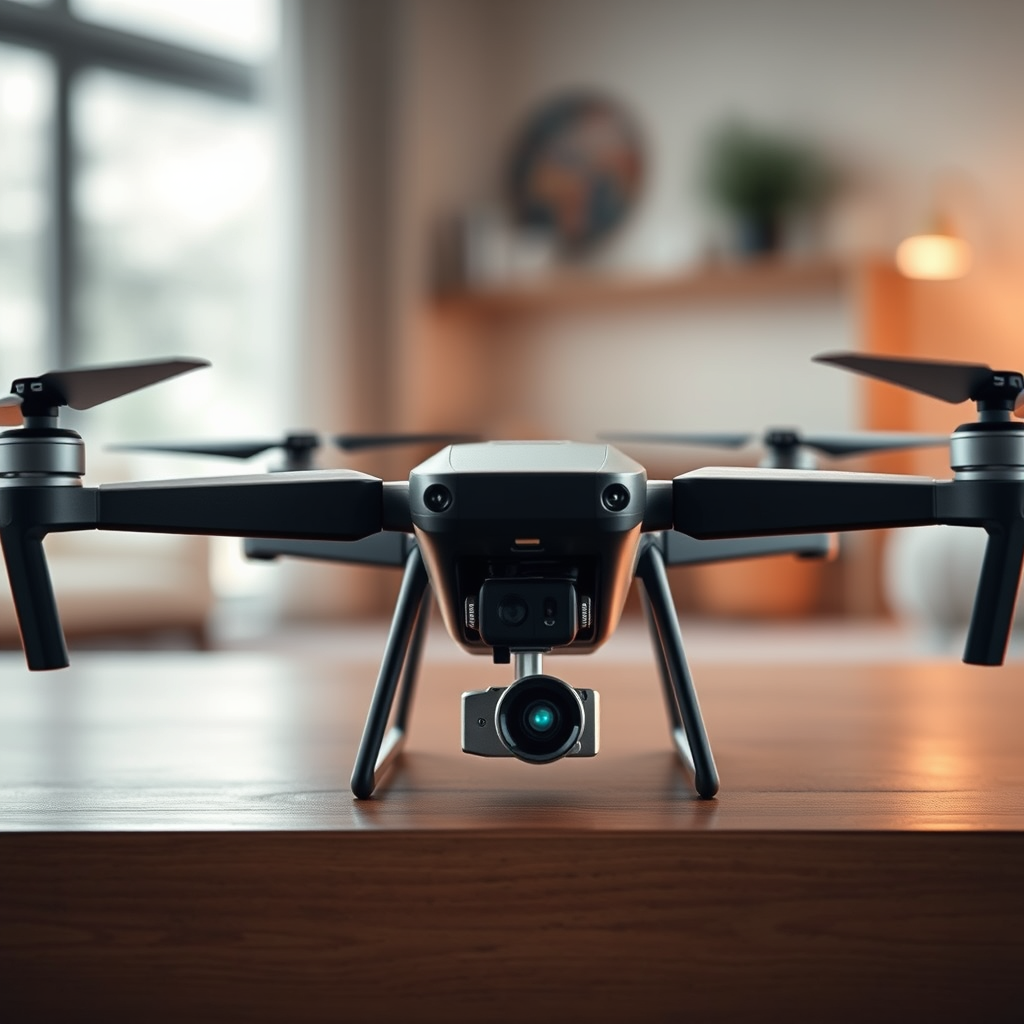
Drone photography services typically range from $150 to $500 per hour, depending on various factors such as location, project complexity, and the photographer’s experience. To effectively set your rates, it’s essential to understand the market dynamics and how they influence pricing. This knowledge allows you to establish competitive rates that reflect your value while meeting client expectations.
Understanding the Market Rates
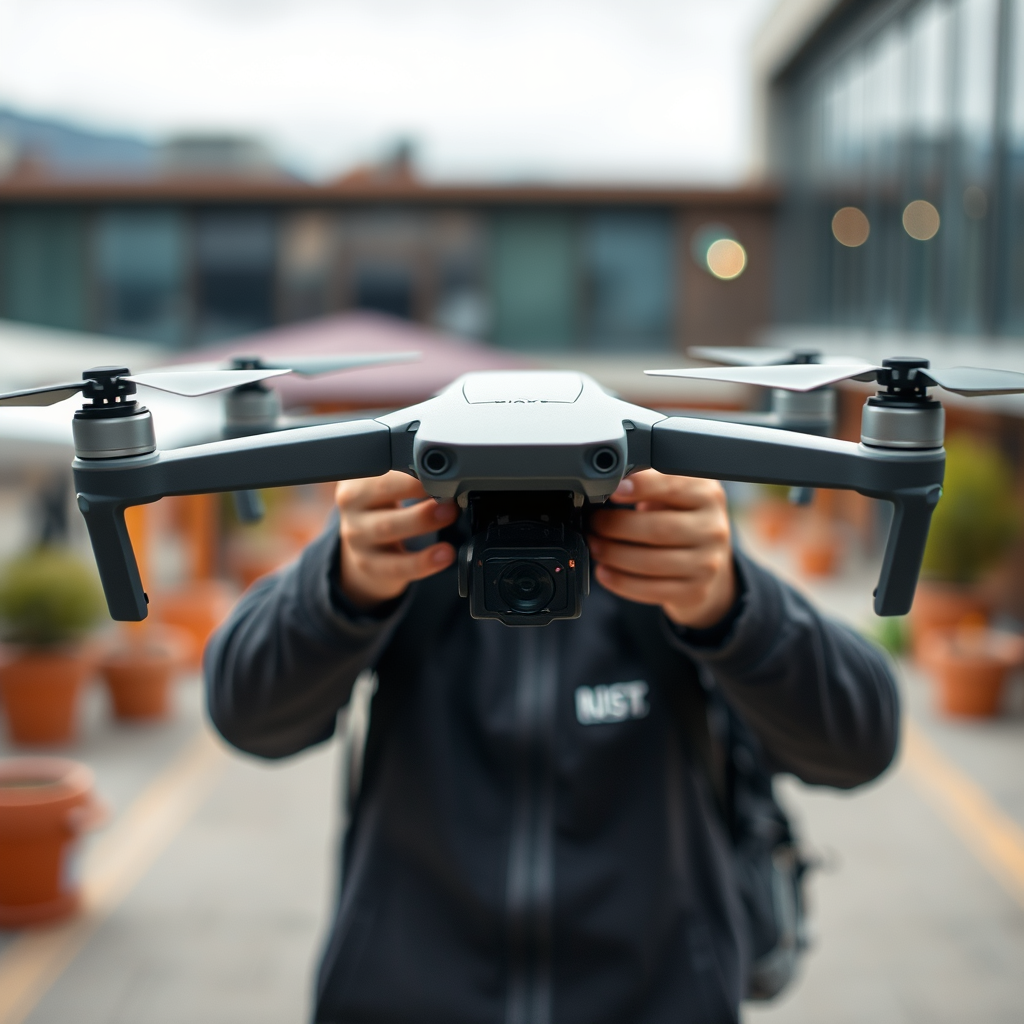
When determining how much you can charge for drone photography, it’s vital to understand the average pricing tiers within the industry. Generally, drone photography rates can be segmented into three broad categories: entry-level, mid-tier, and premium services. Entry-level services may start around $150 per hour, often offered by less experienced photographers or those using less sophisticated equipment. Mid-tier pricing typically ranges from $250 to $350 per hour and is common among photographers with a solid portfolio and a moderate level of experience.
Premium services, which can command $400 to $500 per hour or more, are usually provided by seasoned professionals who have invested heavily in top-of-the-line equipment and possess a deep understanding of complex aerial photography techniques. The regional market also plays a significant role in determining rates. For example, urban areas with higher living costs may allow photographers to charge more than those in rural locations. Additionally, demand for drone services in specific industries, such as real estate or event planning, can lead to variations in pricing across different regions.
Factors Influencing Your Pricing
Several factors contribute to how you price your drone photography services. Firstly, the quality and cost of your equipment can significantly impact your pricing strategy. High-end drones equipped with advanced cameras capable of capturing high-resolution images and video will require a larger initial investment, which should be reflected in your rates. Additionally, maintenance and upgrades of this equipment can also influence pricing.
Your experience level and the strength of your portfolio are crucial in establishing credibility and justifying your rates. A photographer with a rich portfolio showcasing diverse projects and strong client testimonials can charge more than someone just starting. Similarly, the complexity of the shoot plays a vital role in pricing. A straightforward real estate shoot may be less expensive than a comprehensive aerial survey requiring specialized skills and extended flight time.
Pricing Strategies for Drone Photography
When setting your rates, consider adopting various pricing strategies that can appeal to a broader range of clients. Hourly pricing is straightforward and often favored for one-off projects. However, project-based pricing can also be advantageous, particularly for larger assignments that may require multiple hours or days of work. This approach not only provides clients with a clear understanding of costs but also allows you to offer a discount for extended projects.
In addition to these strategies, offering package deals can be a compelling option for clients looking for multiple services, such as combining aerial photography with video editing or post-processing. This bundling not only adds value for your clients but can also increase your overall revenue. For unique projects, providing custom quotes can ensure that you cover all aspects of the job while meeting specific client needs.
Additional Costs to Consider
When determining your rates, it’s essential to account for additional costs that may arise during service delivery. Travel expenses, particularly if you are required to shoot in different locations, can quickly add up and should be factored into your pricing. This includes not just fuel costs, but also accommodations if overnight stays are necessary.
Licensing and insurance costs are other important considerations. Operating a drone commercially often requires specific licenses, and having liability insurance is crucial for protecting yourself against unforeseen incidents. These costs should be integrated into your pricing to ensure that you maintain profitability.
Furthermore, post-processing and editing time should not be overlooked. High-quality drone photography often requires significant editing work to enhance images and create a polished final product. Make sure to allocate time for this in your pricing model, as it can be a time-consuming process that adds considerable value to your services.
How to Position Yourself in the Market
Establishing a strong presence in the drone photography market is critical for attracting clients and justifying your rates. Building a professional online portfolio that showcases your best work is essential. This portfolio should highlight your versatility, technical skills, and the range of projects you have successfully completed. Additionally, maintaining an active presence on social media platforms and relevant photography forums can help you reach a wider audience.
Networking is equally important. Building relationships with real estate agents, event planners, and local businesses can lead to referrals and repeat clients, enhancing your reputation in the market. Utilizing client testimonials can also serve as powerful endorsements of your work, providing potential clients with the confidence they need to choose you over competitors.
Legal and Regulatory Considerations
Navigating the legal landscape is a critical aspect of operating a drone photography business. Understanding the Federal Aviation Administration (FAA) regulations for commercial drone use is essential to ensure compliance and avoid penalties. These regulations may include obtaining a Remote Pilot Certificate, adhering to specific flight restrictions, and maintaining your drone’s airworthiness.
Additionally, having adequate insurance and liability coverage is vital for protecting yourself and your clients. This coverage can mitigate the financial risks associated with potential accidents or damages that may occur during a shoot. Furthermore, some locations may require specific permits for drone flights, particularly in urban areas or near sensitive sites. Familiarizing yourself with these requirements ahead of time can prevent unexpected challenges during your projects.
Tips for Justifying Your Rates
To effectively justify your rates to potential clients, it is crucial to communicate the value of high-quality imagery. Educate clients on the benefits of professional drone photography, such as its ability to provide unique perspectives, enhance marketing efforts, and capture stunning visuals that can significantly impact their projects or businesses.
Highlight your unique selling propositions (USPs), such as your advanced equipment, specialized skills, or quick turnaround times. This not only reinforces your expertise but also differentiates you from competitors. Providing potential clients with case studies or examples of past successful projects can further illustrate the value you bring to the table.
In conclusion, establishing your rates for drone photography requires a thorough understanding of market dynamics and the factors that contribute to your unique offering. By considering these elements and effectively communicating your value to potential clients, you can confidently set and justify your pricing. With the right strategies and insights, you can build a successful drone photography business that reflects your skills and meets the needs of your clients.
Frequently Asked Questions
How much should I charge for drone photography services?
The pricing for drone photography services can vary widely based on factors such as location, the complexity of the shoot, and your level of expertise. On average, professional drone photographers charge between $150 to $500 per hour, or a flat rate of $1,000 to $2,500 for a full day’s work. It’s essential to consider your costs, competition, and the unique value you bring to clients when setting your rates.
What factors influence the pricing of drone photography?
Several factors can influence the pricing of drone photography, including the type of project (commercial vs. personal), duration of the shoot, post-processing requirements, and the specific equipment used. Additional elements such as travel expenses, permits required for aerial photography, and the photographer’s experience level also play significant roles in determining the final cost.
Why is drone photography often more expensive than traditional photography?
Drone photography is typically more expensive than traditional photography due to the specialized equipment and skills required. High-quality drones equipped with advanced cameras can be costly, and operating them requires training and certification to ensure safety and compliance with regulations. Additionally, the unique perspectives and aerial shots provided by drones often justify a higher price point.
What is the best pricing strategy for drone photography services?
The best pricing strategy for drone photography services involves a combination of market research and value-based pricing. Start by analyzing what competitors in your area charge and consider your unique selling points, such as specialized skills or high-quality equipment. Offering tiered packages or hourly rates based on project requirements can also attract a broader range of clients while reflecting your expertise.
Which industries commonly hire drone photographers, and how does that affect pricing?
Industries such as real estate, construction, agriculture, and tourism frequently hire drone photographers to capture unique aerial perspectives. The specific needs of these industries can affect pricing; for instance, real estate agents may be willing to pay more for stunning property aerials, while agricultural firms might seek bulk services for mapping and monitoring fields. Understanding the industry you are targeting can help you set competitive yet profitable rates.
References
- https://en.wikipedia.org/wiki/Drone_photography
- https://www.thebalancecareers.com/how-much-to-charge-for-drone-photography-5071606
- https://www.entrepreneur.com/article/323429
- https://www.forbes.com/sites/forbestechcouncil/2021/06/14/how-to-set-pricing-for-drone-services/?sh=3ae0d2c34f4e
- https://www.nasa.gov/feature/what-is-a-drone-and-how-do-they-work
- https://www.faa.gov/uas/
- https://www.capterra.com/project-management-software/guide/drone-photography-pricing-guide
- https://www.sba.gov/article/2020/mar/23/how-start-drone-photography-business
- https://www.dronelife.com/2021/02/24/how-to-price-your-drone-services/
- https://www.dronepilotgroundschool.com/how-much-can-you-charge-for-drone-services/
