

Drone pilots can earn anywhere from $30,000 to over $100,000 annually, depending on their level of experience, specialization, and the industry they serve. As the demand for aerial services continues to rise across various sectors, understanding the potential earnings and factors influencing income is crucial for aspiring drone pilots. This article explores various factors that influence a drone pilot’s income and provides insights into potential earnings across different sectors.
Understanding the Drone Pilot Market
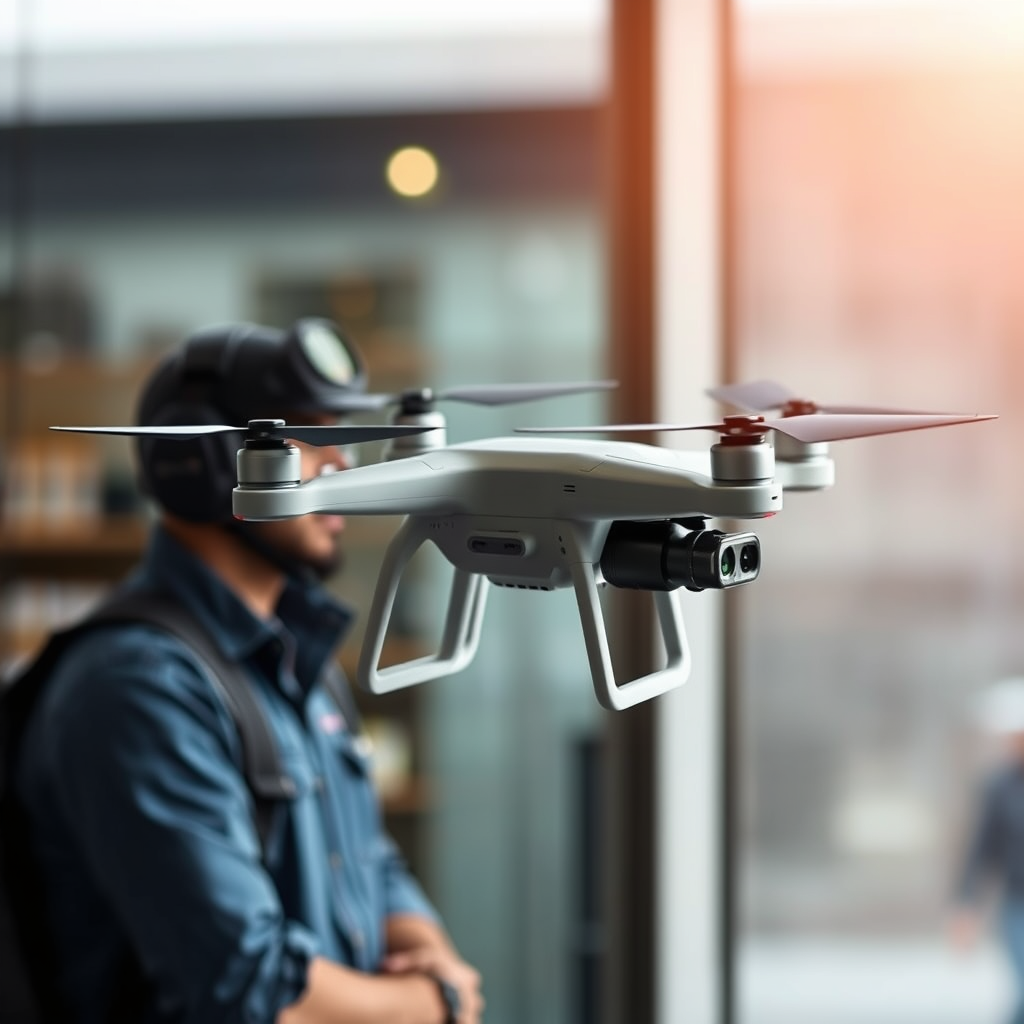
The drone pilot market has seen exponential growth in recent years, driven by advancements in technology and increasing applications of drones across various industries. The Federal Aviation Administration (FAA) has reported a significant uptick in the number of registered drones and pilots, highlighting the growing interest and investment in this field. Industries such as agriculture, real estate, filmmaking, construction, and emergency services are actively seeking skilled drone pilots to capture high-quality aerial imagery, conduct inspections, and enhance operational efficiency.
In agriculture, drone pilots are employed for crop monitoring, soil analysis, and precision farming, allowing farmers to make data-driven decisions that increase yields. In the real estate sector, aerial photography and videography have become indispensable tools for marketing properties, giving real estate agents a competitive edge. Filmmakers and content creators utilize drone pilots for stunning aerial shots that enhance storytelling, while construction companies employ them for site surveys and inspections. This diverse demand underscores the lucrative opportunities available for trained drone pilots.
Factors Influencing Drone Pilot Earnings
A drone pilot’s income is influenced by several factors, with experience and industry specialization being the most significant. Entry-level drone pilots typically earn between $30,000 and $50,000 annually, while seasoned professionals can command salaries exceeding $100,000. The gap in earnings often reflects the pilot’s ability to handle complex projects, operate advanced equipment, and provide specialized services.
Certifications and training also play an essential role in enhancing a drone pilot’s earning potential. The FAA requires commercial drone pilots to obtain a Remote Pilot Certificate, which necessitates passing a comprehensive aeronautical knowledge test. Additional certifications, such as those offered by the Association for Unmanned Vehicle Systems International (AUVSI) or the Drone Pilot Ground School, can further validate a pilot’s skills and knowledge. Specialized training in sectors like agriculture or cinematography can position pilots as experts, allowing them to charge premium rates for their services.
Income by Industry
Income for drone pilots varies considerably across different sectors. In commercial applications, salaries typically range from $50,000 to $80,000, while recreational pilots may earn significantly less, often around $30,000 to $40,000. The industrial sector, including construction and engineering, tends to offer higher salaries, often exceeding $70,000 for experienced pilots who conduct inspections and surveys.
For example, drone pilots working for large construction firms or in oil and gas exploration can earn upwards of $100,000 due to the complex nature of the projects and the high level of responsibility involved. Notable companies such as Amazon, Google, and specialized firms like PrecisionHawk and Skycatch are continually on the lookout for skilled drone pilots, further indicating the lucrative opportunities available.
Freelancing vs. Full-time Employment
The choice between freelancing and full-time employment as a drone pilot comes with its own set of pros and cons. Freelancing offers flexibility and the potential for higher earnings, as drone pilots can set their rates and take on multiple clients. However, it also involves the challenges of securing clients, managing business expenses, and handling fluctuations in workload.
On the other hand, full-time employment typically provides a steady salary, benefits, and job security. Salaries for full-time drone pilots often range from $60,000 to $100,000, depending on the industry and the pilot’s experience. Many companies prefer hiring full-time pilots to ensure consistency and reliability in their aerial services, particularly in sectors like construction and emergency response.
Ultimately, the decision will depend on individual preferences, career goals, and the ability to navigate the competitive landscape of the drone industry.
Geographic Location Impact
Geographic location significantly influences a drone pilot’s earnings. Urban areas, particularly those with a high concentration of industries, often provide more opportunities for drone pilots and can lead to higher salaries. For instance, pilots in metropolitan regions like San Francisco, New York City, and Los Angeles may earn more due to the higher demand for aerial services in real estate, film production, and construction.
Conversely, rural areas may offer fewer job opportunities and lower salaries, although they may still provide niches for agricultural drone pilots. Certain regions, such as agricultural hubs in the Midwest or technology centers in Silicon Valley, are experiencing a notable demand for drone services, which can lead to lucrative opportunities for pilots willing to relocate.
Equipment and Investment Considerations
The initial costs associated with becoming a drone pilot can vary significantly based on the quality of equipment chosen. A good-quality drone suitable for commercial use can cost anywhere from $1,000 to $10,000 or more, depending on features such as camera quality, flight time, and durability. In addition to the drone itself, pilots must invest in necessary accessories, software for editing and processing data, and insurance to protect their business.
While the upfront investment can be substantial, high-quality gear can lead to better services and, ultimately, higher earnings. Professional-grade drones equipped with advanced features can attract clients looking for superior results, allowing pilots to charge premium rates. Furthermore, maintaining and upgrading equipment is essential to stay competitive in the evolving drone market.
Tips for Increasing Your Earnings as a Drone Pilot
To maximize earnings as a drone pilot, it is crucial to build a robust professional network and client base. Networking can lead to referrals and repeat business, both of which are invaluable for sustaining a successful career. Attending industry conferences, joining online forums, and participating in local drone meetups can help pilots connect with potential clients and fellow professionals.
Continuing education is also vital for staying competitive. Pursuing specialized training in niches such as aerial mapping, surveying, or cinematic drone operations can open doors to higher-paying opportunities. Additionally, obtaining certifications from recognized industry organizations can enhance credibility and attract clients seeking skilled pilots.
Lastly, developing a strong online presence through a professional website and social media platforms can showcase a pilot’s portfolio and attract potential clients. Engaging with a community of drone enthusiasts and professionals can provide insights into emerging trends and opportunities in the field.
In conclusion, the income potential for drone pilots varies widely based on several factors, including industry, experience, and location. Aspiring drone pilots should consider these elements to maximize their earnings and find opportunities that align with their skills and interests. The drone industry is ripe with opportunities—starting today can pave the way for a rewarding career in this dynamic field.
Frequently Asked Questions
How much do drone pilots earn on average?
The average salary of a drone pilot varies significantly based on experience, location, and the industry in which they work. Typically, drone pilots can earn between $50,000 and $100,000 annually. Those who specialize in high-demand sectors such as real estate, construction, and filmmaking often command higher rates, especially when they have advanced certifications or unique skills.
What factors influence a drone pilot’s income?
Several factors influence a drone pilot’s income, including geographical location, industry demand, level of experience, and the type of work being performed. For instance, drone pilots in urban areas or regions with booming industries may earn more than those in rural areas. Additionally, specialized skills such as aerial surveying, mapping, or cinematography can significantly boost earning potential.
How can drone pilots increase their earnings?
Drone pilots can increase their earnings by diversifying their skills and specializing in niche markets such as agricultural monitoring, aerial inspections, or drone delivery services. Obtaining advanced certifications from recognized bodies can also enhance credibility and attract higher-paying clients. Networking and building a robust portfolio of work will help pilots secure more lucrative contracts and repeat business.
Which industries hire drone pilots the most?
The industries that hire drone pilots the most include real estate, construction, agriculture, film and television, and emergency services. For example, in real estate, drone pilots are often used to capture stunning aerial photographs and videos of properties. Similarly, in agriculture, they are employed for crop monitoring and pest management, making them essential across various sectors.
Why should someone consider becoming a drone pilot as a career?
Becoming a drone pilot offers a unique career path that combines technology and creativity, catering to a growing demand in various industries. With advancements in drone technology and an increasing number of applications, this field presents significant opportunities for growth and innovation. Additionally, the flexibility of freelance work and the ability to work remotely can provide an appealing work-life balance for many individuals.
References
- https://www.bls.gov/ooh/a-z/drone-pilots.htm
- https://www.forbes.com/sites/bernardmarr/2018/06/04/how-to-become-a-drone-pilot-and-what-you-can-earn/
- https://www.usa.gov/directories/agencies/federal-aviation-administration
- https://www.thebalancecareers.com/drone-pilot-career-overview-2060331
- https://www.dronepilotgroundschool.com/drone-pilot-salary/
- https://www.faa.gov/uas/getting_started/for_businesses/
- https://www.statista.com/statistics/1132651/drone-pilot-salary-usa/
- https://www.npr.org/2021/05/27/1000510007/what-it-takes-to-become-a-professional-drone-pilot
