

If you have been involved in a drone accident, you may have grounds to sue, depending on the circumstances and liability involved. The legal landscape surrounding drone incidents can be complex, but understanding your rights and the potential for compensation is crucial. This article will guide you through key considerations surrounding drone-related incidents and your legal options, helping you navigate this emerging area of law effectively.
Understanding Drone Liability
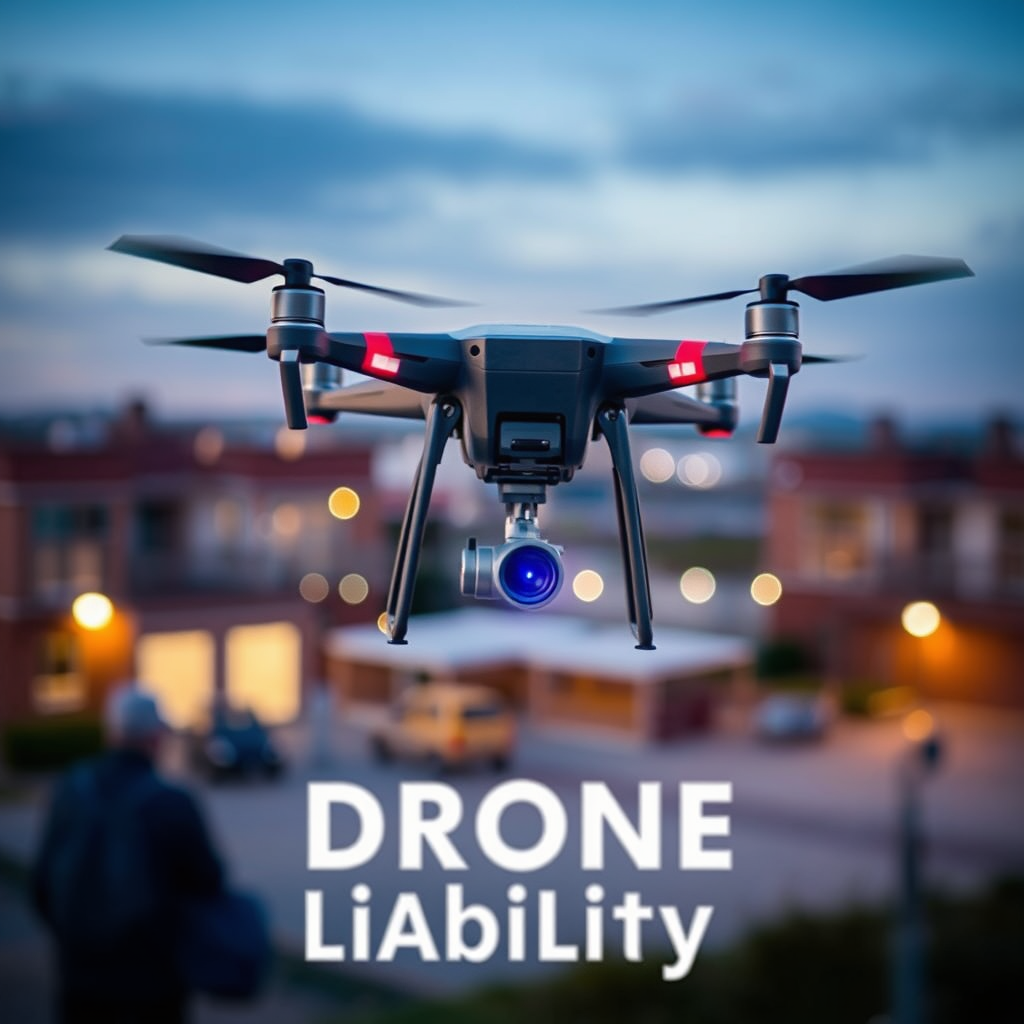
Liability in drone accidents can be nuanced and may fall on different parties depending on the specific circumstances. Primarily, the drone operator can be held liable if negligence is proven. For instance, if the operator was flying the drone in a restricted area, lacked proper training, or failed to adhere to safety regulations set forth by the Federal Aviation Administration (FAA), they may be found negligent in a court of law. Additionally, manufacturers could be liable for defective drones or parts. For example, if a drone malfunctioned due to a manufacturing defect, the manufacturer may be responsible for any resulting damages or injuries. This aspect of liability requires a thorough examination of both the operator’s actions and the drone’s design and functionality.
Types of Drone Accidents
Drone accidents can manifest in various forms, each leading to different legal implications. Common incidents include property damage, such as a drone crashing into a vehicle or a home, causing significant structural harm. Personal injury is another serious concern; individuals struck by a drone may suffer physical harm, necessitating medical treatment and potentially leading to long-term repercussions. Furthermore, privacy violations can occur if a drone captures images or videos of individuals without their consent, leading to legal disputes over privacy rights. Understanding the type of accident is vital as it determines the legal approach, including the potential for filing a lawsuit based on negligence, strict liability, or privacy infringement.
Proving Negligence in a Drone Accident
To successfully pursue a lawsuit for a drone accident, you must establish that the operator failed to exercise reasonable care, leading to the incident. This process involves gathering substantial evidence to support your claim. Key elements include photographic documentation of the accident scene, witness statements corroborating your account, and police reports that detail the incident. For example, if a drone struck a passerby while being flown in a crowded area, witness testimonies and video footage could serve as compelling evidence to demonstrate negligence. Additionally, expert testimony regarding standard operating procedures for drone pilots can help establish the expected level of care that was breached.
Insurance Considerations
Before pursuing legal action, it is essential to consider whether the drone operator has liability insurance that covers accidents. Many commercial drone operators maintain insurance to protect against claims arising from accidents. If the operator is insured, it may streamline the compensation process, as your claim could be directed towards their insurance provider rather than the individual directly. However, it is crucial to understand how insurance claims might affect your potential lawsuit. For instance, if the insurance payout does not fully cover your damages, you may still have grounds to pursue additional compensation from the operator. Conversely, if the operator lacks insurance, you may need to assess the feasibility of pursuing a lawsuit based on their personal assets.
Legal Steps to Take After a Drone Accident
After a drone accident, taking prompt and organized legal steps is critical for preserving your rights. Start by documenting the scene thoroughly—take photographs of any damage, injuries, and the drone itself. Collect all relevant information, including the operator’s details, insurance information, and contact information for witnesses. This documentation will serve as vital evidence should you decide to pursue legal action. Additionally, consult with a legal professional experienced in drone-related cases to discuss your situation and explore your options. An attorney can provide valuable insights into the viability of your claim and guide you through the complexities of the legal process.
Potential Compensation for Damages
If you are successful in your claim, potential compensation for damages could cover a range of expenses. Medical expenses resulting from injuries sustained in a drone accident can be substantial, including hospital bills, rehabilitation costs, and ongoing medical care. Property damage claims may also include the cost of repairs or replacements for damaged belongings. Furthermore, if the incident has caused emotional distress, you may be entitled to compensation for psychological trauma. However, it is essential to understand the limitations and caps on damages in your jurisdiction, as these can vary significantly. Consulting with an attorney can help clarify the potential compensation you might receive and any limitations that may apply.
When to Consult an Attorney
In the aftermath of a drone accident, particularly if injuries or significant property damage occurred, seeking legal advice is crucial. An experienced attorney can help assess the viability of your case, considering factors such as liability, potential damages, and the strength of your evidence. They can also guide you through the process of filing a lawsuit, ensuring that all legal deadlines are met and that your rights are protected. Delaying legal consultation can potentially jeopardize your claim, so it is advisable to reach out to a legal professional as soon as possible after the incident.
In conclusion, understanding your rights and the legal landscape surrounding drone accidents is essential. Liability can vary significantly based on circumstances, and various types of accidents require different legal approaches. If you believe you have a case, it is imperative to seek legal advice to explore your options and ensure your interests are protected. By doing so, you can navigate the complexities of drone law and pursue the compensation you deserve for any damages or injuries sustained.
Frequently Asked Questions
Can I sue for a drone accident that caused property damage?
Yes, you can sue for a drone accident that results in property damage if you can prove negligence on the part of the drone operator. This includes demonstrating that the operator failed to follow safety regulations or acted irresponsibly, leading to the incident. It’s crucial to gather evidence, such as photos of the damage, witness statements, and any relevant drone flight logs, to support your claim.
What are the legal grounds for suing someone over a drone accident?
The legal grounds for suing someone over a drone accident typically include negligence, strict liability, and intentional misconduct. Negligence occurs when the drone operator fails to exercise reasonable care, while strict liability can apply if the drone malfunctioned due to a defect. Understanding these legal principles can help you determine the viability of your case and whether you should seek legal counsel.
How can I determine if I have a valid case for a drone accident lawsuit?
To determine if you have a valid case for a drone accident lawsuit, assess three key factors: the extent of your damages, the operator’s liability, and the applicable laws in your jurisdiction. Gather evidence of the incident, including photos, witness accounts, and medical records if injuries occurred. Consulting with a personal injury attorney experienced in drone-related cases can provide you with clarity on your legal options and the likelihood of success.
Why is it important to document evidence after a drone accident?
Documenting evidence after a drone accident is crucial for establishing liability and supporting your claim. This evidence may include photographs of the accident scene, eyewitness testimonies, and any relevant drone registration and operator information. Thorough documentation can significantly strengthen your case, making it easier to prove negligence and secure compensation for damages or injuries incurred.
Which types of insurance might cover drone accidents?
Various types of insurance can cover drone accidents, including general liability insurance, homeowner’s insurance, and specialized drone insurance policies. If the drone operator has liability coverage, it may help cover damages or injuries resulting from the accident. However, not all policies automatically include drone-related incidents, so it’s essential to review the specific terms and conditions of the insurance to understand coverage options.
References
- https://en.wikipedia.org/wiki/Drone_accidents
- https://www.faa.gov/uas/resources/policy_library
- https://www.nolo.com/legal-encyclopedia/drone-accidents-legal-issues-29980.html
- https://www.reuters.com/technology/drone-accidents-what-you-need-know-2022-05-05/
- https://www.ncbi.nlm.nih.gov/pmc/articles/PMC6497260/
- https://www.theverge.com/2021/11/1/22756496/drone-accident-lawsuit-legal-rights
- https://www.usatoday.com/story/news/nation/2021/07/23/drone-accident-legal-issues/8006146002/
