
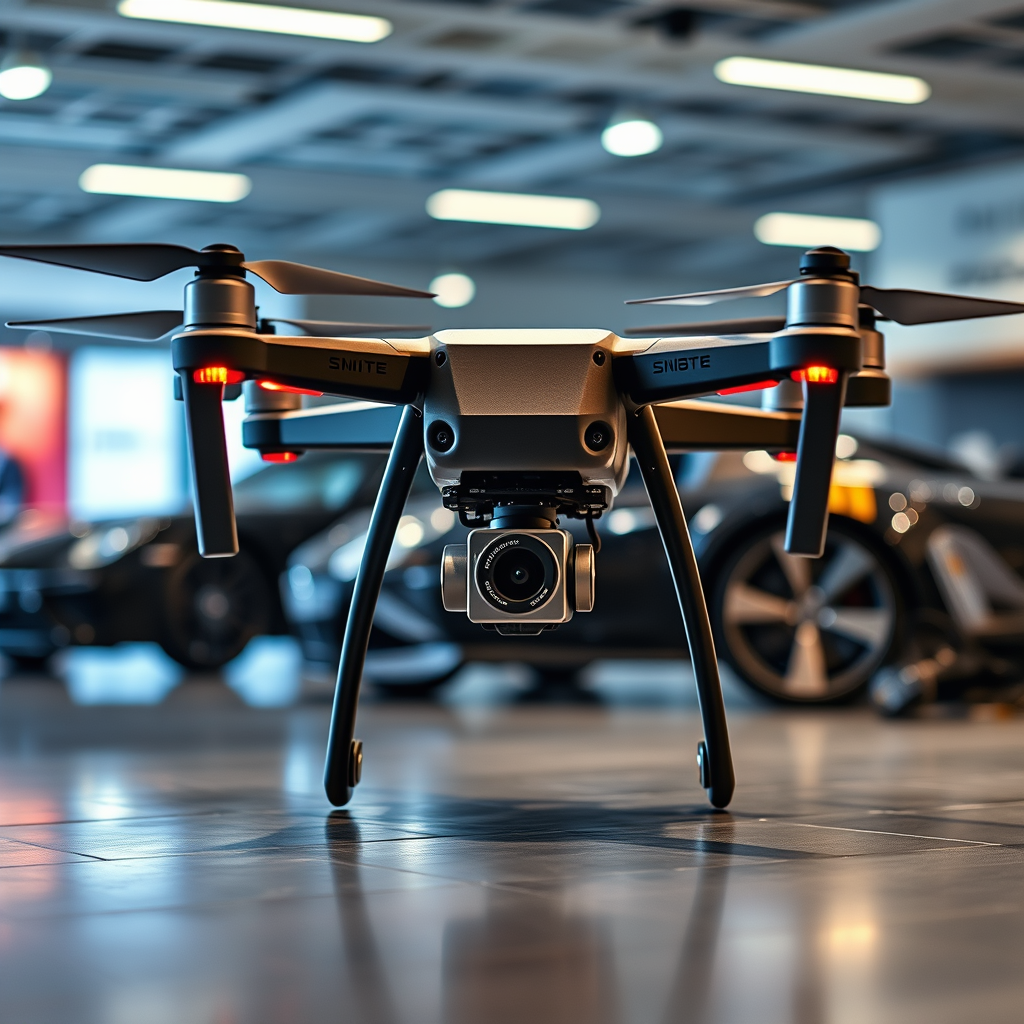
DJI drones can typically carry between 0.5 to 2.5 kilograms (1 to 5.5 pounds), depending on the specific model and its design capabilities. Knowing the weight limits of various DJI drones is essential for effective payload management across different applications, such as photography, surveying, and package delivery. Each model is engineered with specific payload capabilities, which can significantly impact flight performance, battery life, and stability. This article will delve deeper into the factors influencing payload capacity, provide recommendations for common models, and explore the practical applications of these drones in various industries.
Understanding DJI Drone Models
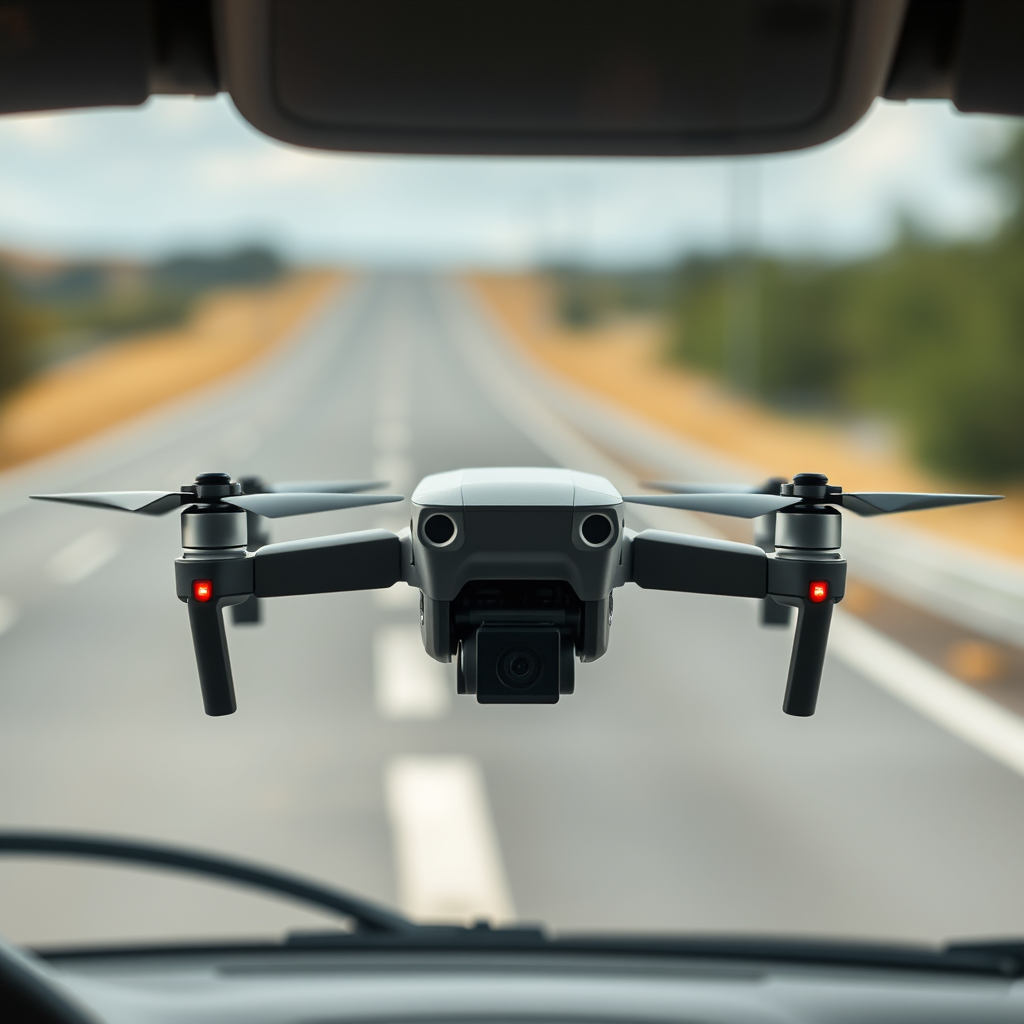
DJI offers an extensive range of drone models, each designed with unique specifications that determine their payload capabilities. The DJI Matrice series, for instance, is engineered for professional applications and can support heavier loads due to its robust design and powerful motors. The Matrice 300 RTK, for example, can carry payloads up to 2.7 kilograms (approximately 6 pounds), making it ideal for commercial use cases such as surveying and inspection.
In contrast, the DJI Mini series is focused on portability and ease of use, with a maximum payload capacity of around 0.5 kilograms (1.1 pounds). While these smaller drones are perfect for casual users and light-duty tasks, they are not suitable for carrying heavy equipment. Understanding the differences in payload capacities among DJI models is crucial for users looking to select the right drone for their specific needs.
Factors Influencing Payload Capacity
Several factors can influence the payload capacity of a drone, and understanding these can help users optimize their flight operations.
Battery Life
One of the most significant considerations when carrying weight is battery life. Heavier loads can lead to increased power consumption, which may reduce flight time. For example, a DJI Matrice 300 RTK typically has a flight time of up to 55 minutes when flying without a payload. However, if it carries a full load close to its capacity, the flight time could decrease significantly to around 30-40 minutes. Therefore, users must balance their desired payload with the drone’s energy efficiency to ensure sufficient flight duration for their tasks.
Weather Conditions
Weather conditions also play a critical role in a drone’s performance, particularly when it is carrying additional weight. Wind and rain can destabilize a drone, making it more challenging to maintain control, especially if the payload is heavy. For instance, flying a DJI Phantom 4 in windy conditions while carrying a camera might lead to shaky footage or even loss of control. Pilots should always consider the environmental factors and adjust their payload accordingly to maintain stability and safety during flights.
Recommended Payloads for Common DJI Drones
When selecting a drone for specific tasks, it is vital to know the recommended payloads for popular DJI models.
DJI Phantom 4
The DJI Phantom 4 is widely used for aerial photography and videography due to its excellent camera capabilities. It can carry up to 1 kilogram (2.2 pounds), making it suitable for lightweight cameras and accessories, such as gimbals or filters. This drone is ideal for photographers looking to capture stunning visuals without needing a more robust and expensive model.
DJI Matrice 300 RTK
On the other hand, the DJI Matrice 300 RTK is designed for commercial applications and can handle more substantial payloads, accommodating equipment weighing up to 2.7 kilograms (about 6 pounds). This makes it appropriate for carrying advanced sensors, thermal cameras, and heavy photographic equipment. The versatility of the Matrice 300 RTK allows it to cater to a variety of industries, including construction, agriculture, and emergency response.
Safety Guidelines for Carrying Weight
When operating a drone with a payload, adhering to safety guidelines is essential to ensure safe and effective flights.
Local Regulations
First and foremost, users must comply with local regulations regarding drone weight limits. Many countries have specific laws governing the maximum weight a drone can carry, which may vary based on the drone’s classification and intended use. Pilots must stay informed about their local guidelines to avoid penalties or accidents.
Stability and Control
Moreover, ensuring that the drone’s stability and control are not compromised is critical. Users should perform pre-flight checks to confirm that the drone can handle the intended payload. Testing the drone’s performance with different weights can help identify the optimal load for balanced flight. Additionally, maintaining a lower center of gravity by distributing weight evenly can improve stability during flight.
Comparing DJI Drones to Other Brands
While DJI drones are among the most popular choices in the market, it is essential to compare their payload capabilities with those of other brands. Some competitors, such as the Freefly Alta or the Yuneec Typhoon series, may offer higher payload limits. However, it is crucial to consider other factors, such as battery efficiency, flight stability, and camera quality.
For example, while a competitor’s drone may carry a heavier payload, it might have a shorter flight time or reduced stability in windy conditions. DJI drones are known for their advanced stabilization technology and reliable battery life, making them a strong choice for many applications. Potential users should evaluate their specific needs and consider the trade-offs between payload capacity and overall performance.
Real-World Applications of DJI Drones’ Payloads
The payload capacities of DJI drones have opened up numerous practical applications across various industries.
Aerial Photography
In the realm of aerial photography, drones like the DJI Phantom 4 can carry DSLR cameras, allowing photographers to capture breathtaking visuals from unique angles. The ability to transport high-quality cameras expands creative possibilities, enabling professionals to produce stunning images for advertising, real estate, or landscape photography.
Surveying and Mapping
In surveying and mapping, drones such as the DJI Matrice 300 RTK can carry specialized sensors, including LiDAR and multispectral cameras. These tools facilitate accurate data collection for land surveying, agriculture monitoring, and environmental assessments. The ability to handle complex payloads without exceeding weight limits ensures precision and efficiency in operations.
In conclusion, knowing how much weight a DJI drone can carry is essential for anyone looking to utilize these powerful machines effectively. By understanding the capabilities of various models, considering influencing factors, adhering to safety guidelines, and exploring real-world applications, users can optimize their drone operations for enhanced performance. Always check the specifications and consider the implications of payload on flight performance to ensure you achieve the best results. For more tips on drone usage and safety, stay tuned to our blog!
Frequently Asked Questions
What is the maximum payload capacity of a DJI drone?
The maximum payload capacity of a DJI drone varies significantly depending on the model. For instance, the DJI Matrice 600 can carry up to 6 kg (13.2 lbs), making it suitable for professional cinematography and industrial applications. In contrast, consumer models like the DJI Mavic Air 2 typically have a payload capacity of around 0.5 kg (1.1 lbs), which is ideal for carrying small accessories or lightweight cameras.
How can I determine the weight limit for my specific DJI drone model?
To determine the weight limit for your specific DJI drone, refer to the manufacturer’s specifications available on the DJI website or in the user manual. Each model has its designated payload capacity, which is crucial for ensuring safe and efficient operation. Additionally, you can consult online forums or user communities for insights on real-world experiences related to payload handling.
Why is it important to adhere to the weight limits of a DJI drone?
Adhering to the weight limits of a DJI drone is critical for several reasons. Overloading can lead to reduced flight time, compromised stability, and potential damage to the drone’s motors and batteries. Additionally, exceeding the recommended payload can increase the risk of accidents, making it vital for both safety and equipment longevity.
What modifications can I make to increase my DJI drone’s carrying capacity?
While some drone enthusiasts consider modifications to increase their DJI drone’s carrying capacity, such actions can void warranties and compromise safety. However, using lightweight materials for any added equipment, optimizing battery performance, and ensuring proper weight distribution can help maximize payload without altering the drone’s structure. Always proceed with caution and consult experts before making any modifications.
Which DJI drones are best suited for carrying heavier payloads?
The DJI Matrice series, particularly the Matrice 600 and Matrice 300 RTK, are among the best options for carrying heavier payloads due to their robust design and high maximum weight limits. These drones are specifically designed for professional use, supporting various payloads like advanced camera systems and sensors. If you require a drone for commercial applications, investing in one of these models can provide the necessary power and stability for heavy lifting.
References
- https://en.wikipedia.org/wiki/Drone_payload
- https://www.govinfo.gov/content/pkg/GAO-20-161/pdf/GAO-20-161.pdf
- https://www.researchgate.net/publication/330397040_Design_of_a_Multirotor_Drone_for_Carrying_Heavy_Payloads
- https://www.sciencedirect.com/science/article/pii/S2351978919301680
- https://www.nytimes.com/2020/05/14/technology/drones-delivery.html
- https://www.faa.gov/uas/
- https://www.mdpi.com/2504-446X/4/1/8
- https://www.theguardian.com/technology/2021/mar/16/drones-in-the-sky-what-the-future-holds
- https://www.wired.com/story/drones-carrying-cargo/
