
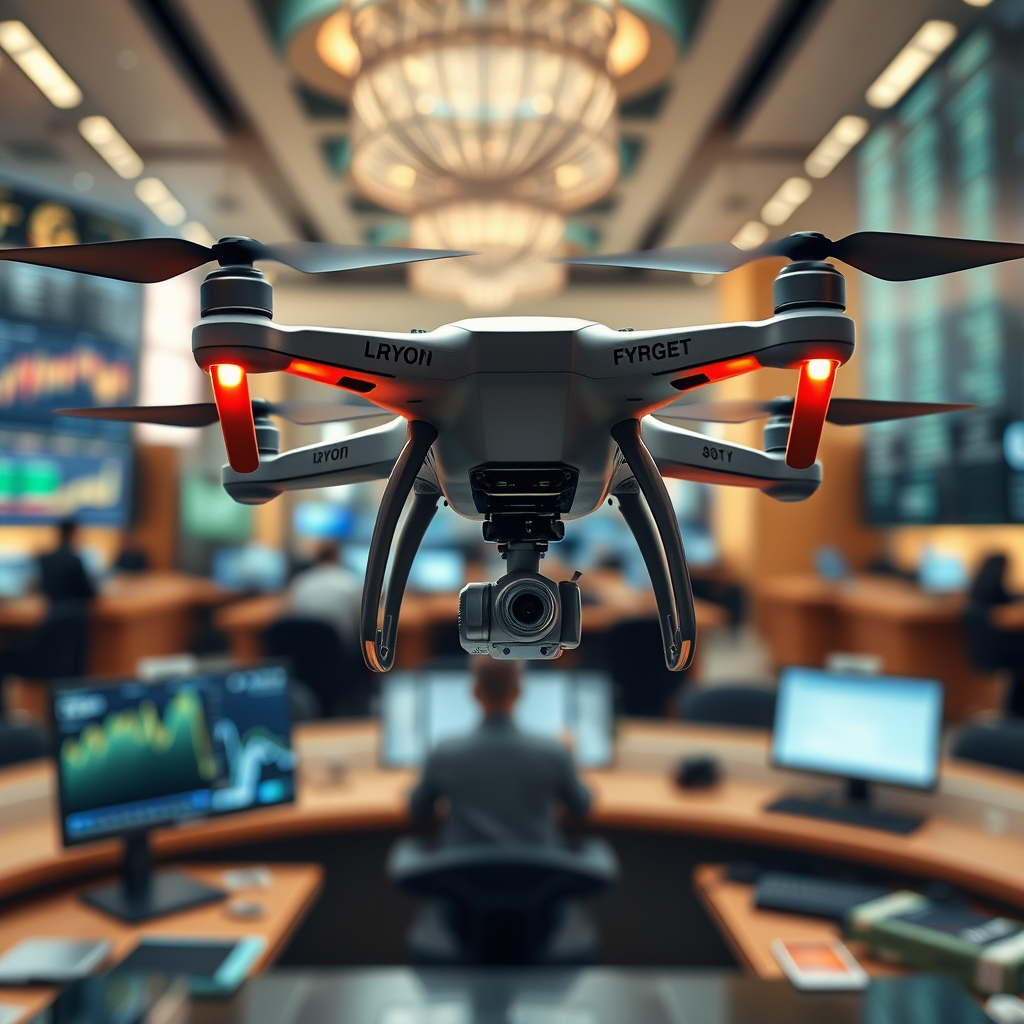
Crypto’s drone can facilitate secure transactions, enhance data collection, and support logistics. These capabilities are transforming various industries, from finance to delivery services, making the use of drones in the crypto space increasingly valuable. As cryptocurrency continues to grow in adoption and utility, the integration of drone technology presents a unique opportunity to streamline operations while ensuring security and efficiency.
Understanding Crypto’s Drone Technology
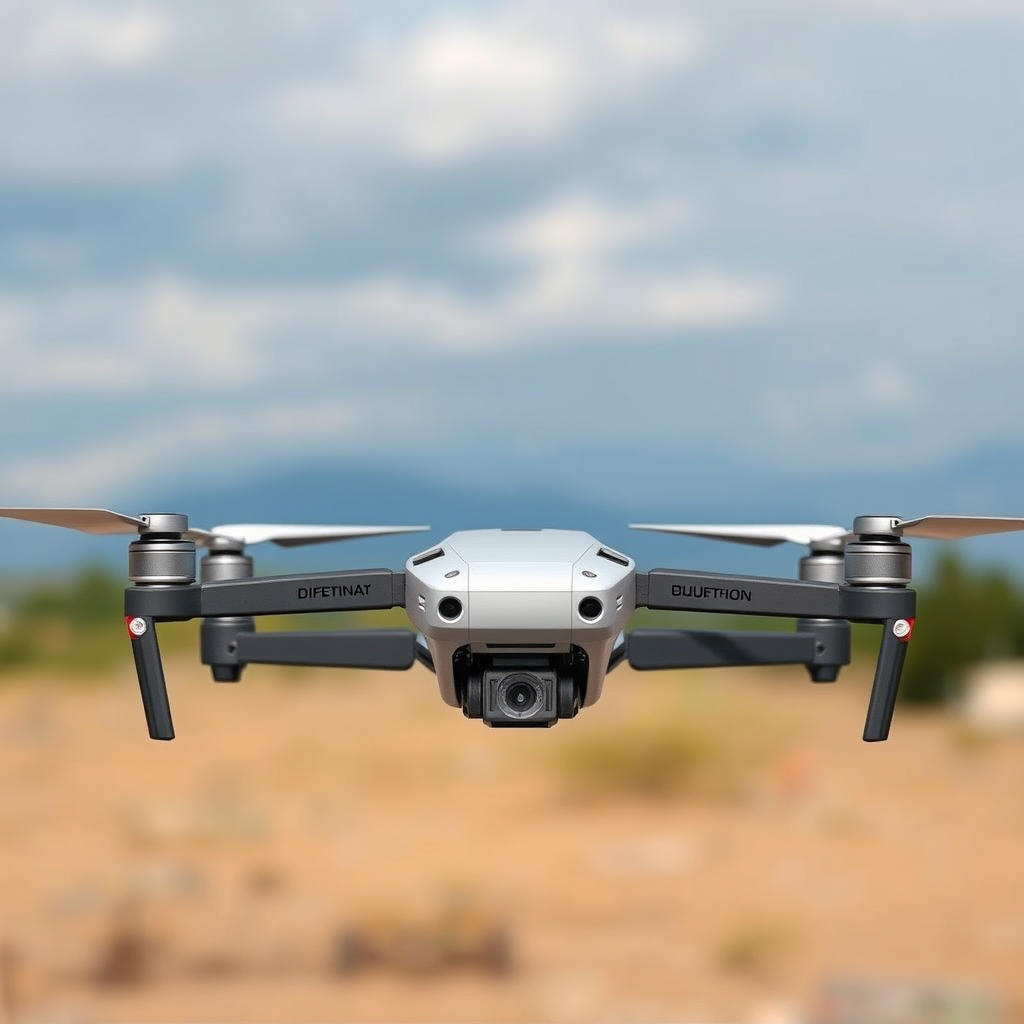
Drone technology within the cryptocurrency ecosystem encompasses unmanned aerial vehicles (UAVs) equipped with advanced sensors and communication systems that operate on decentralized networks. Utilizing blockchain technology, these drones can operate autonomously, ensuring data integrity and security during transactions. The blockchain serves as an immutable ledger, documenting every flight, transaction, and data collection task performed by the drone. This integration not only enhances operational efficiency but also builds trust among users, as every action taken by the drone can be verified and audited on the blockchain.
Moreover, the decentralized nature of blockchain reduces the reliance on centralized control systems, making drone operations more resilient to hacking and data breaches. This is particularly crucial in the context of cryptocurrency, where security is paramount. By leveraging smart contracts, which automatically execute transactions when predefined conditions are met, drones can facilitate real-time transactions without human intervention, further streamlining processes.
Secure Transactions and Payments
The use of drones for facilitating cryptocurrency transactions is a groundbreaking development that promises to enhance payment security. Drones can be programmed to deliver cryptocurrency directly to users or merchants, eliminating the risk of fraud associated with traditional payment methods. For instance, in remote areas where banking infrastructure is limited, drones can provide secure payment solutions, enabling residents to conduct transactions using cryptocurrencies like Bitcoin or Ethereum.
The benefits of real-time, secure payments via drone networks are manifold. First, they significantly reduce transaction times, which is critical in industries such as e-commerce and food delivery. Second, drones equipped with biometric authentication can ensure that the recipient is verified before a transaction is completed, adding an extra layer of security. As highlighted by the pilot projects undertaken by companies like Wing and Amazon Prime Air, the potential for immediate and reliable cryptocurrency transactions through drone technology is substantial, paving the way for a new era of financial interactions.
Data Collection and Analysis
Drones are increasingly being utilized to gather data that can inform blockchain analysis, enhancing decision-making in cryptocurrency trading and market predictions. Equipped with high-resolution cameras and sensors, drones can capture real-time data from various environments—be it for monitoring agricultural yields, assessing infrastructure, or tracking shipping routes. This data can then be uploaded to a blockchain, where it is stored securely and can be accessed by authorized parties for analysis.
In the context of cryptocurrency trading, the data collected by drones can provide valuable insights into market trends and consumer behavior. For example, analyzing drone-collected data on crop health can inform agricultural investment decisions, allowing traders to predict market movements based on supply fluctuations. Additionally, companies like DroneDeploy are already leveraging drone data to optimize logistics and supply chain management, thereby enhancing the accuracy of market predictions and driving smarter investment strategies.
Logistics and Delivery Solutions
Drones play a pivotal role in logistics by enabling swift and efficient delivery solutions, particularly in scenarios where cryptocurrency is used as a payment method. Companies such as UPS and DHL are exploring the integration of drones into their delivery networks, allowing customers to pay for goods using cryptocurrency at the point of delivery. This not only caters to the growing number of cryptocurrency users but also streamlines payment processes by eliminating the need for cash or card transactions.
A case study worth noting is the partnership between the drone delivery company Zipline and various medical supply chains. Zipline uses drones to deliver blood and medical supplies to remote healthcare facilities, allowing for payment via cryptocurrencies. This not only enhances the speed and efficiency of deliveries but also shows the potential for cryptocurrency to become a mainstream payment method in logistics. As more companies recognize the benefits of integrating drones into their operations, the logistics landscape is set to evolve significantly, with cryptocurrency playing a central role.
Regulatory and Compliance Challenges
Despite the promising capabilities of crypto drones, there are significant regulatory and compliance challenges that must be addressed. The current regulatory landscape for drones varies widely across countries, with many jurisdictions still formulating laws specific to drone operations. In the context of cryptocurrency, the situation becomes even more complex as regulatory bodies seek to establish frameworks that govern both drone technology and digital currencies.
Compliance measures necessary for operation include obtaining the required licenses for drone flights, adhering to safety regulations, and ensuring data protection protocols are in place. Additionally, as cryptocurrencies are often subject to anti-money laundering (AML) and know your customer (KYC) regulations, integrating these into drone operations is crucial for legal compliance. Stakeholders in the industry must stay informed about regulatory developments and engage with policymakers to shape a conducive environment for the successful integration of crypto and drone technology.
Future Trends in Crypto Drones
Looking ahead, several trends are emerging in the realm of crypto drones that could shape their future integration into various industries. Predictions suggest advancements in drone technology, such as improved battery life, enhanced payload capacities, and advanced AI capabilities for autonomous operations. Additionally, as blockchain technology continues to evolve, we may see new protocols designed specifically for drone operations, further enhancing security and efficiency.
Potential new use cases are also on the horizon. For instance, drones could be used for real-time monitoring of financial markets, providing traders with immediate data that can inform trading decisions. Additionally, as urban air mobility gains traction, drones could facilitate cryptocurrency payments for ridesharing services, creating a seamless integration of transportation and digital currency. The intersection of drone technology and cryptocurrency is likely to yield innovative solutions that transform various sectors, from finance to logistics.
The integration of crypto and drone technology offers promising innovations for secure transactions, efficient data gathering, and advanced logistics. As the industry evolves, staying informed about these developments will be crucial for stakeholders and enthusiasts alike. By embracing these advancements, businesses can leverage the full potential of crypto drones, positioning themselves at the forefront of this transformative movement.
Frequently Asked Questions
What can crypto’s drone do for delivery services?
Crypto’s drone technology is designed to enhance the efficiency of delivery services by enabling secure, fast, and cost-effective transportation of goods. Utilizing blockchain for tracking, the drone ensures real-time updates and transparency during the delivery process, minimizing the risks of fraud or loss. This innovative approach can significantly reduce delivery times and operational costs, making it an attractive option for businesses looking to optimize their logistics.
How does crypto’s drone utilize blockchain technology?
Crypto’s drone integrates blockchain technology to create a decentralized network that tracks the entire delivery process from start to finish. This ensures that all transactions and movements are recorded securely and transparently, allowing for real-time monitoring and eliminating potential disputes. By leveraging smart contracts, the drone can automatically execute delivery tasks based on predefined conditions, enhancing both efficiency and reliability.
Why should businesses consider using crypto’s drone for logistics?
Businesses should consider using crypto’s drone for logistics due to its ability to streamline operations, reduce costs, and enhance security. The use of drones can help reach remote areas quickly, while blockchain ensures that all data is secure and verifiable. Additionally, the automation of deliveries can lead to fewer human errors and improved customer satisfaction through timely service, making it a valuable investment for companies aiming to stay competitive in today’s market.
Which industries can benefit most from crypto’s drone technology?
Various industries can benefit from crypto’s drone technology, particularly e-commerce, agriculture, and healthcare. E-commerce companies can leverage drones for rapid delivery, while agricultural businesses can utilize them for crop monitoring and pesticide distribution. In healthcare, drones can efficiently transport medical supplies, vaccines, and lab samples, especially in hard-to-reach areas, ultimately improving service delivery and access to essential resources.
What are the regulatory challenges facing crypto’s drone implementation?
The implementation of crypto’s drone technology faces several regulatory challenges, including airspace regulations, safety standards, and privacy concerns. Governments must establish clear guidelines for drone operations to ensure public safety while integrating blockchain technology. Additionally, navigating complex legal frameworks regarding data protection and cryptocurrency transactions can pose significant hurdles for businesses looking to adopt this innovative solution, highlighting the need for ongoing dialogue between regulators and industry stakeholders.
References
- https://en.wikipedia.org/wiki/Drone
- https://www.bbc.com/news/technology-59254460
- https://www.reuters.com/technology/what-drones-can-do-2020-05-15/
- https://www.sciencedirect.com/science/article/pii/S2352864821000661
- https://www.nature.com/articles/s41598-020-73596-6
- https://www.techcrunch.com/tag/drones/
- https://www.faa.gov/uas/
- https://www.nist.gov/news-events/news/2021/06/nist-research-helps-ensure-drones-are-safe-and-reliable
- https://www.mdpi.com/2504-446X/4/1/10
