

Drones equipped with night vision and thermal imaging technology can capture a variety of visuals in low-light conditions, including heat signatures, detailed landscapes, and objects of interest. This capability makes drones valuable tools for various applications, from search and rescue missions to wildlife monitoring. As nighttime operations become increasingly important across industries, understanding the technologies and applications of drones in low-light environments is essential for maximizing their potential.
Night Vision Technology
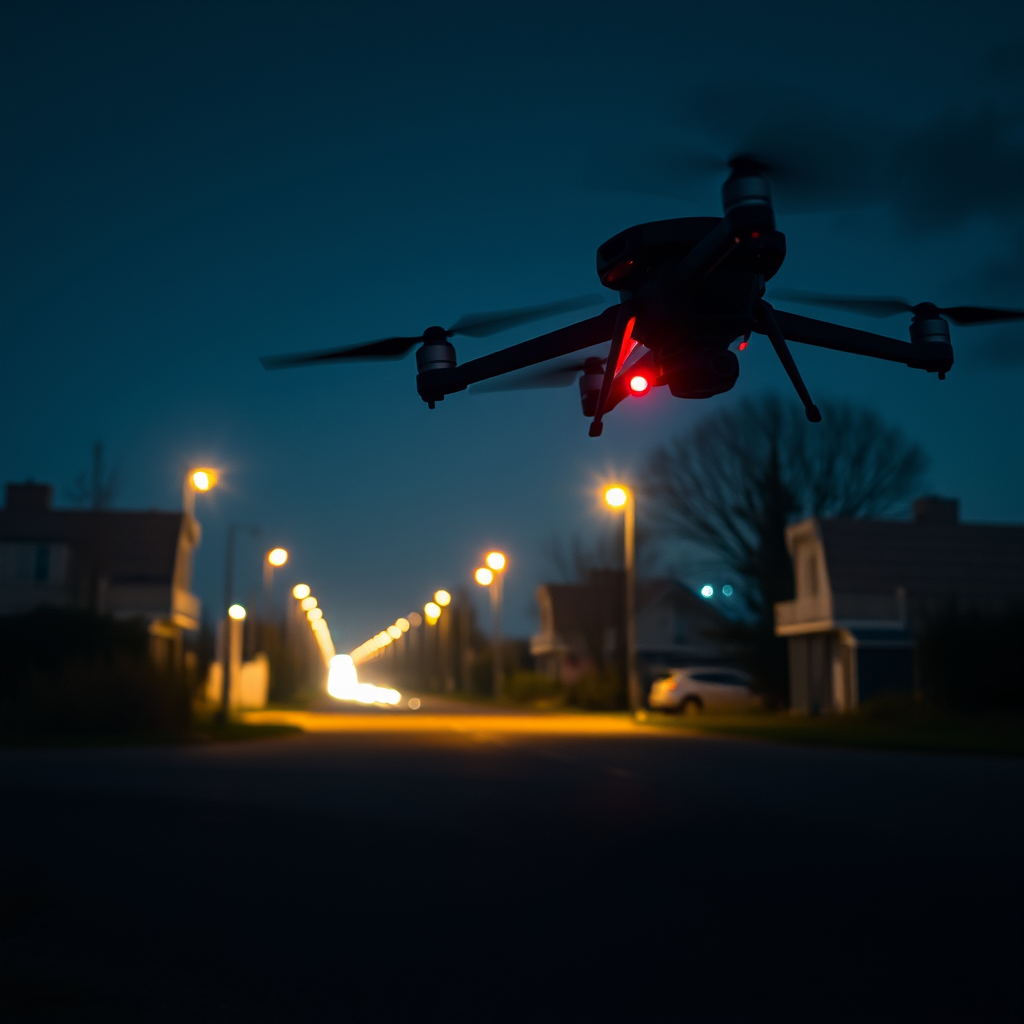
Night vision technology has revolutionized how we perceive our surroundings after dark. Drones fitted with night vision cameras utilize infrared light to enhance visibility, enabling them to capture images in complete darkness. This technology operates by amplifying available ambient light, such as moonlight or starlight, which is then converted into a visible image. The advancement of digital night vision cameras allows for clearer images compared to older analog systems, making them suitable for a range of applications.
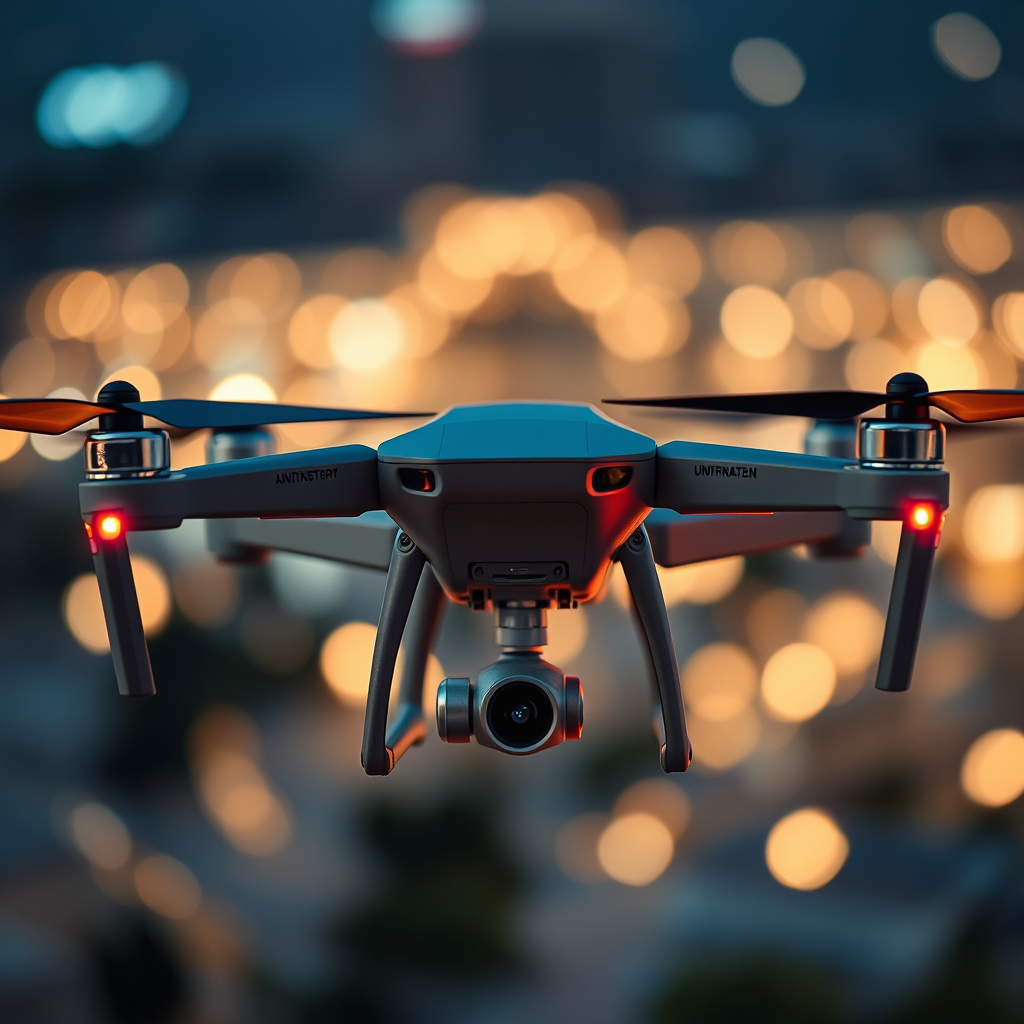
For instance, military operations often employ night vision-equipped drones to conduct surveillance and reconnaissance missions without alerting the enemy. Similarly, law enforcement agencies use these drones for monitoring criminal activity or crowd control during nighttime events. The ability to detect and display images based on varying levels of ambient light ensures that operators can navigate and assess their environments effectively, making night vision an invaluable tool for nighttime operations.
Thermal Imaging Capabilities
Thermal imaging technology takes drone capabilities a step further by allowing them to identify heat signatures. Unlike night vision, which relies on visible light, thermal imaging detects infrared radiation emitted by objects, translating heat into a visual representation. This feature is particularly beneficial for locating warm objects or living beings in complete darkness or when visibility is impaired by natural obstacles.
Applications of thermal imaging in drones are diverse. In search and rescue operations, thermal drones can quickly locate individuals lost in the wilderness by detecting their body heat, even if they are hidden under foliage or debris. Additionally, thermal imaging can be used in building inspections to identify heat leaks, allowing property owners to improve energy efficiency and reduce costs. By pinpointing areas where heat is escaping, inspectors can recommend targeted repairs, ultimately leading to greater energy conservation.
Uses in Search and Rescue
Drones have transformed search and rescue missions, significantly enhancing operational efficiency. Traditional ground searches can be time-consuming and labor-intensive, often requiring numerous personnel to cover expansive areas. In contrast, drones can quickly survey vast landscapes from the sky, dramatically reducing the time taken to locate missing persons or stranded individuals.
For example, during natural disasters like floods or earthquakes, drones equipped with thermal imaging can assist rescue teams by identifying survivors in challenging terrains. The ability to see through darkness or smoke allows these drones to provide critical support in life-or-death situations. Furthermore, real-time video feeds from the drone can help coordinate rescue efforts, ensuring that teams are deployed effectively and efficiently.
Wildlife Monitoring at Night
The study of wildlife behavior and movement patterns has historically been limited by the constraints of daylight. However, drones equipped with night vision capabilities are enabling researchers to monitor nocturnal species without disturbing their natural habitats. This non-invasive method allows for more accurate data collection and a deeper understanding of animal behaviors that occur during the night.
For example, wildlife biologists studying the movements of owls or bats can deploy drones to observe hunting patterns or nesting behaviors without the risk of human presence affecting the animals. Additionally, these drones can capture high-resolution images and videos, providing valuable insights into species interactions and environmental changes. By utilizing drones for nighttime wildlife monitoring, researchers can gather comprehensive data that informs conservation strategies and enhances biodiversity protection efforts.
Security and Surveillance Applications
The rise of drones in security and surveillance has been marked by their effectiveness during nighttime operations. Businesses and residential properties are increasingly employing drones to monitor premises after dark, providing a proactive approach to security. Drones equipped with night vision cameras can patrol large areas, detecting potential intruders or suspicious activities that may go unnoticed through traditional surveillance methods.
For instance, a commercial facility may deploy drones to conduct perimeter checks, using night vision technology to ensure that all entry points remain secure. In the event of unauthorized access, real-time alerts can be sent to security personnel, enabling prompt responses. Moreover, the ability to record and analyze footage from nighttime operations enhances overall security measures, providing valuable evidence in case of incidents.
Limitations of Drones at Night
While drones equipped with night vision and thermal imaging technologies offer significant advantages, they are not without limitations. Weather conditions can play a critical role in the efficacy of nighttime operations. Fog, rain, and heavy winds can obscure visibility, rendering the drones less effective. Operators must carefully assess weather forecasts before deploying drones for nighttime missions to ensure optimal performance.
Additionally, battery life is a notable concern when operating drones equipped with advanced imaging technologies. The additional power required for night vision and thermal imaging can lead to shorter flight times, necessitating careful planning and potentially limiting operational range. To mitigate this issue, operators can invest in high-capacity batteries or consider drones designed specifically for extended nighttime use.
Future of Nighttime Drone Technology
The future of nighttime drone technology looks promising, with advancements in artificial intelligence (AI) and imaging technologies on the horizon. AI can enhance the capabilities of drones by enabling them to autonomously identify and track subjects, improving efficiency in applications such as search and rescue or wildlife monitoring. Furthermore, next-generation imaging technologies may offer improved resolution and sensitivity, allowing drones to capture clearer details in low-light conditions.
As these advancements continue, the adoption of nighttime drones across various sectors is expected to grow. Law enforcement agencies may increasingly rely on drones for nighttime surveillance, while environmental studies will benefit from improved wildlife monitoring capabilities. The potential for innovative applications is vast, underscoring the importance of staying informed about developments in drone technology.
In conclusion, drones equipped with night vision and thermal imaging can see a wide range of details at night, making them essential tools in numerous fields. From search and rescue operations to wildlife monitoring and security applications, the ability to operate effectively in low-light conditions enhances the functionality and versatility of drones. As technology continues to improve, the potential applications for nighttime drone use will expand even further, paving the way for more effective solutions across various industries.
Frequently Asked Questions
What types of sensors do drones use to see at night?
Drones designed for nighttime operation typically use infrared (IR) cameras, low-light cameras, or thermal imaging sensors. Infrared cameras detect heat signatures, making them ideal for search and rescue missions or wildlife observation. Low-light cameras amplify existing light, allowing for better visibility in dark environments, while thermal imaging can identify living beings or heat sources even in complete darkness.
How effective are drones in low-light conditions?
The effectiveness of drones in low-light conditions largely depends on the type of sensors they are equipped with. Drones fitted with thermal imaging can operate effectively in total darkness, as they detect heat rather than light. However, drones with regular cameras may struggle in low-light situations unless they have advanced low-light capabilities, which can enhance image quality even in dimly lit environments.
Why would someone want to use a drone for nighttime surveillance?
Nighttime surveillance using drones can be beneficial for various reasons, including enhanced security monitoring, wildlife tracking, and search and rescue operations. Drones can cover large areas quickly and efficiently, providing real-time data without the need for ground personnel to navigate potentially dangerous or inaccessible environments during the night.
What are the best drones for nighttime photography?
The best drones for nighttime photography typically include models equipped with high-quality low-light cameras or thermal imaging capabilities. Popular options include the DJI Mavic 3, known for its impressive low-light performance, and the DJI Matrice 300 RTK, which can be outfitted with a variety of thermal cameras. Always consider the drone’s camera specifications, battery life, and flight stability when choosing for nighttime use.
Which regulations should I be aware of when flying a drone at night?
When flying a drone at night, it’s essential to comply with local aviation regulations and guidelines, which often include maintaining visual line of sight and using anti-collision lights. In the United States, the FAA requires that all drones flown at night must be equipped with appropriate lighting that makes the drone visible for at least three statute miles. Always check your local laws and regulations to ensure a safe and legal flying experience.
References
- https://en.wikipedia.org/wiki/Drone#Night_vision
- https://www.sciencedirect.com/science/article/pii/S2352146515001622
- https://www.nytimes.com/2020/06/15/us/drones-police.html
- https://www.bbc.com/news/technology-44517909
- https://www.nps.gov/articles/drones-in-national-parks.htm
- https://www.faa.gov/uas/
- https://www.geospatialworld.net/blogs/how-drones-are-changing-the-way-we-see-the-world-at-night/
- https://www.nationalgeographic.com/science/article/drones-technology-night-vision-thermal-imaging
