
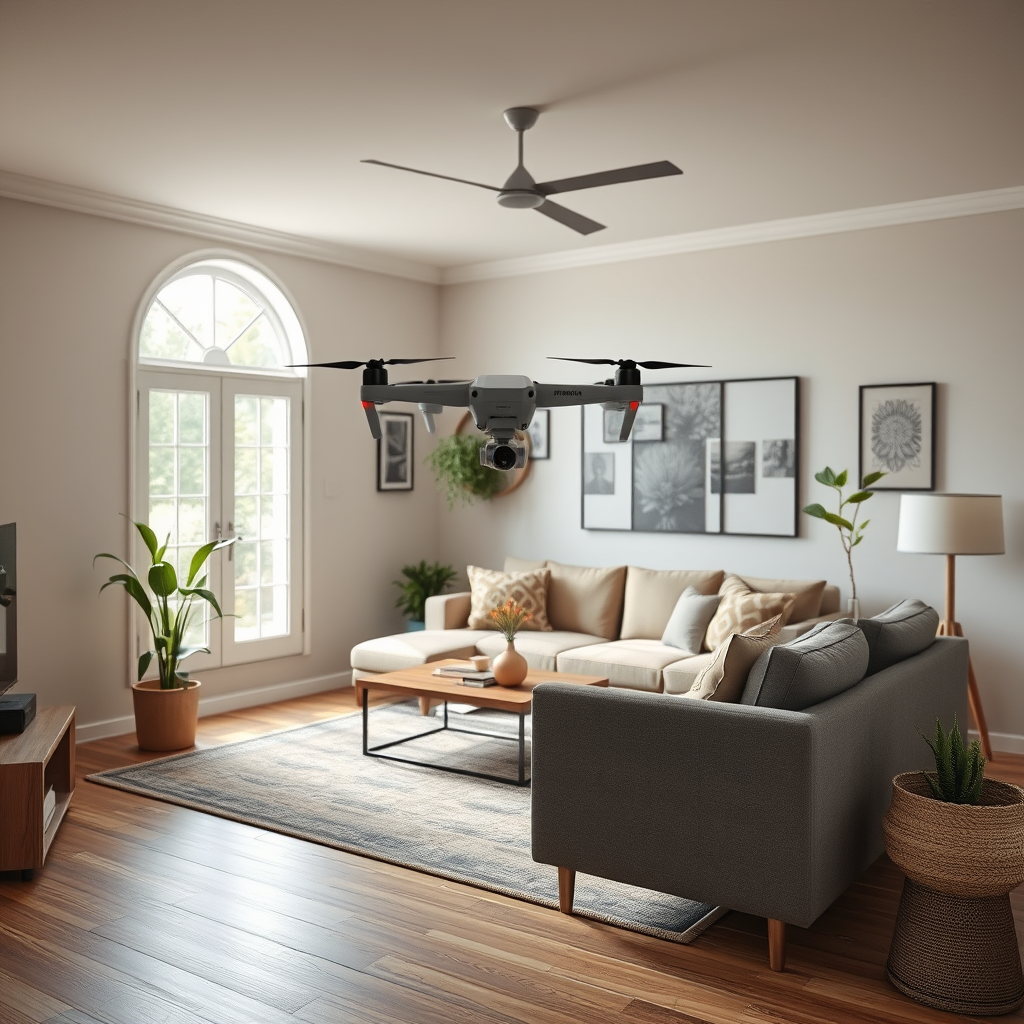
If a drone is hovering over your house, the most immediate action you can take is to assess the situation calmly and determine the appropriate steps to protect your privacy and safety. Depending on the context, this may involve documenting the activity, contacting the operator if possible, or seeking assistance from local authorities. Understanding the legal framework surrounding drone usage and what measures you can take is crucial for addressing this growing concern.
Understanding Drone Regulations
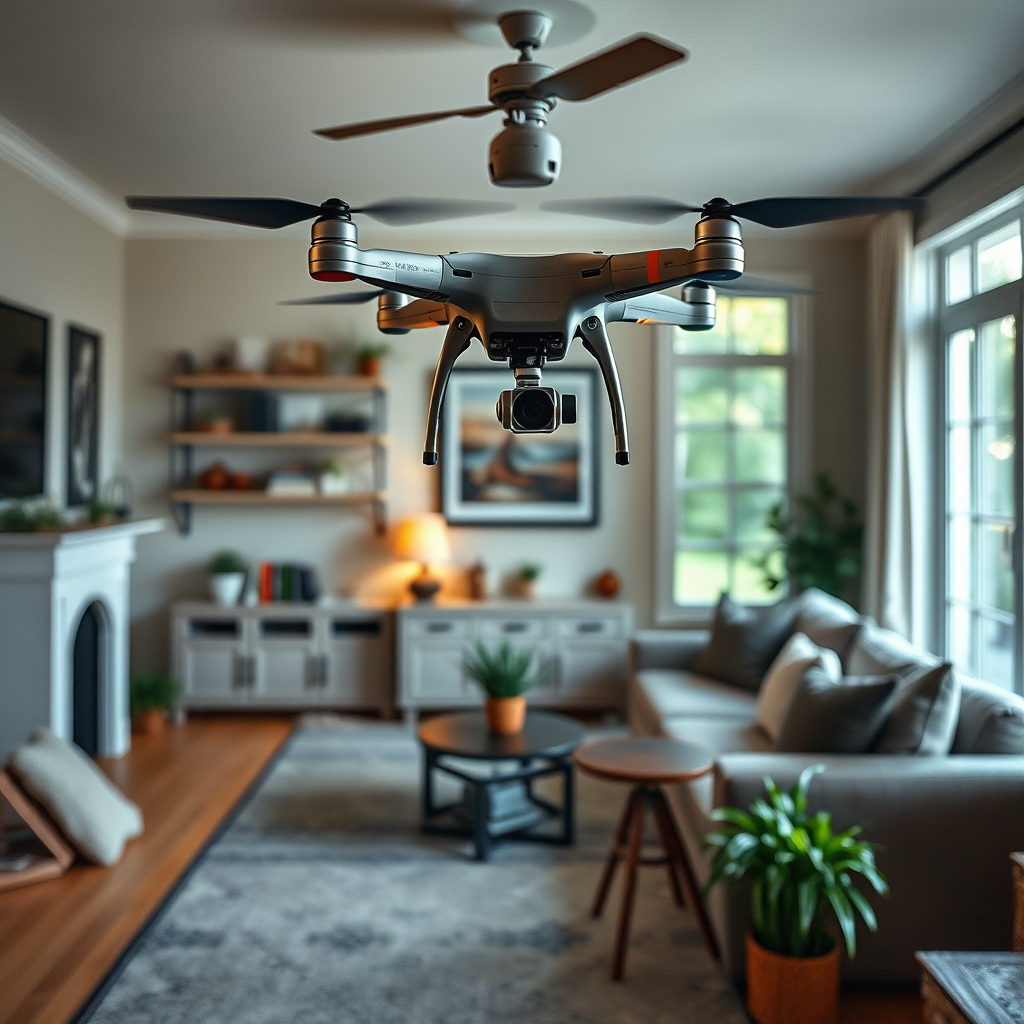
To effectively address drone activity over your home, it’s essential to familiarize yourself with the Federal Aviation Administration (FAA) regulations regarding drone usage. The FAA mandates that drone operators must adhere to specific guidelines, particularly in residential areas where privacy is a significant concern. According to FAA regulations, drones cannot be flown over people without consent, and operators are required to maintain a visual line of sight with their aircraft.
Moreover, many states and municipalities have enacted their own drone laws that may impose additional restrictions on where and how drones can be operated. For instance, some local laws prohibit drone flights over private property without permission. Understanding these regulations can empower you to take informed actions if a drone is infringing on your privacy or safety.
Documenting the Drone Activity
If you notice a drone consistently hovering over your property, it’s vital to document the activity thoroughly. Keep a detailed record of the time, date, and frequency of the sightings, as this information can be invaluable if you choose to take further action.
Taking photographs or videos can also serve as compelling evidence. Ensure that your documentation clearly shows the drone, its flight path, and any behavior that seems suspicious or threatening. This evidence can be useful in discussions with authorities or when addressing the issue with the drone operator. For instance, if the drone is flying close to your windows or engaging in behavior that feels invasive, having visual proof can strengthen your case.
Contacting the Drone Operator
If you can identify the drone operator, consider approaching them in a calm and respectful manner. Many drone enthusiasts are unaware of the impact their activities can have on others and may be willing to adjust their flight paths once informed.
When discussing your concerns, be clear about how the drone’s presence affects your privacy and sense of safety. Establishing open communication can sometimes lead to a quick resolution without the need for further escalation. For example, if the operator is a neighbor, they may not realize that their drone is causing distress and may agree to restrict their flying hours or avoid certain areas.
Reporting to Authorities
Should the drone activity persist or escalate to the point where you feel threatened, it may be necessary to report the situation to local law enforcement. Authorities can intervene when drone operations infringe upon privacy rights or violate local regulations.
When reporting to authorities, provide them with your documentation, including any evidence of harassment, such as recordings of the drone’s behavior or logs of its flights. Law enforcement agencies take these matters seriously, especially when there is a potential for harassment or safety concerns. For example, if the drone is consistently flying at low altitudes and capturing images of your property, this could be considered an invasion of privacy warranting police involvement.
Exploring Legal Options
In the event that drone activity continues to be a concern, exploring legal options may be necessary. Research your local laws regarding privacy infringement and drone usage to determine if any legal protections exist.
Consulting with a legal professional who specializes in privacy or drone-related issues can provide you with tailored advice based on your circumstances. They can help you navigate the complexities of local and federal laws and may suggest actions such as sending a cease-and-desist letter to the drone operator or pursuing legal action if your rights are being violated. For instance, states like California have specific laws pertaining to drone surveillance that could be relevant in your case.
Enhancing Your Privacy
While it’s important to address drone activity directly, taking proactive measures to enhance your privacy can also be effective. Consider installing privacy screens, tall fencing, or landscaping elements such as trees and shrubs to obstruct views of your property.
Additionally, installing security cameras can serve a dual purpose: monitoring drone activity and deterring operators who might be using drones for invasive purposes. When operators see that surveillance is in place, they may choose to avoid your property altogether. Moreover, visible security measures can provide peace of mind, knowing that you are taking steps to protect your home.
Community Resources and Support
Connecting with local community resources can also enhance your ability to address drone concerns effectively. Engage with neighborhood groups or online forums where residents discuss shared concerns about drone activity. These platforms can provide valuable insights and collective strategies for dealing with drone operators.
Furthermore, exploring local advocacy groups focused on drone regulation and privacy rights can be beneficial. Such organizations often work to raise awareness about drone-related issues and may provide resources or legal support for individuals facing persistent problems. For example, groups advocating for stricter drone regulations may be able to influence local policy changes that can help protect your rights.
In conclusion, if a drone is flying over your house, it’s crucial to be informed and proactive. By documenting the situation, contacting the operator, and exploring your legal options, you can take significant steps to protect your privacy and peace of mind. Do not hesitate to reach out to authorities or community resources if needed, as they can offer support and guidance in navigating this increasingly prevalent issue.
Frequently Asked Questions
What should I do if I see a drone flying over my house?
If you notice a drone hovering over your property, the first step is to remain calm and observe its behavior. Take note of the drone’s appearance and any identifying features, as this information can be crucial. If you feel uncomfortable or believe the drone is violating your privacy, consider contacting local law enforcement or your neighborhood watch. They can help determine if the drone is operating legally and take appropriate action.
How can I find out who owns the drone flying over my property?
Identifying the owner of a drone can be challenging since many drones do not have visible markings. However, you can check if the drone is registered through the Federal Aviation Administration (FAA) by noting its registration number, which is typically displayed on the drone. If you suspect that the drone is being used for improper purposes, such as invasion of privacy or harassment, you may report it to local authorities who can assist in identifying the operator.
Why is a drone flying over my house and what are the legal implications?
Drones may fly over residential areas for various reasons, including photography, surveying, or recreational purposes. Legally, drone operators must adhere to FAA regulations, which require them to maintain a safe distance from people and property. If the drone’s operation appears invasive or disruptive, you have the right to file a complaint with local law enforcement, as they can enforce laws related to privacy and trespass.
What are the best ways to protect my privacy from drones?
To safeguard your privacy from drones, consider installing privacy screens or using outdoor structures like pergolas that can obstruct aerial views. Additionally, employing physical barriers such as fences and tall plants can deter drone operators from hovering too close to your property. Finally, becoming familiar with local drone regulations can empower you to take action if you believe your privacy rights are being violated.
Which laws govern drone usage in residential areas?
Drone usage in residential areas is primarily governed by the FAA and local laws, which vary by state and municipality. The FAA mandates that drones must be flown below 400 feet, away from people, and not in restricted airspace. Many states also have specific laws regarding drone surveillance and privacy. It’s important to check both FAA guidelines and local ordinances to fully understand your rights and the legal limitations on drone flights in your area.
References
- https://en.wikipedia.org/wiki/Drone
- https://www.faa.gov/uas/commercial_operators/faq
- https://www.nolo.com/legal-encyclopedia/drone-law-what-you-need-know-29781.html
- https://www.aclu.org/other/drones-and-privacy
- https://www.techradar.com/news/what-to-do-if-a-drone-is-flying-over-your-property
- https://www.eff.org/deeplinks/2015/04/what-you-need-know-about-drones-and-privacy
- https://www.cnet.com/home/security/what-to-do-if-you-see-a-drone-flying-over-your-house/
