
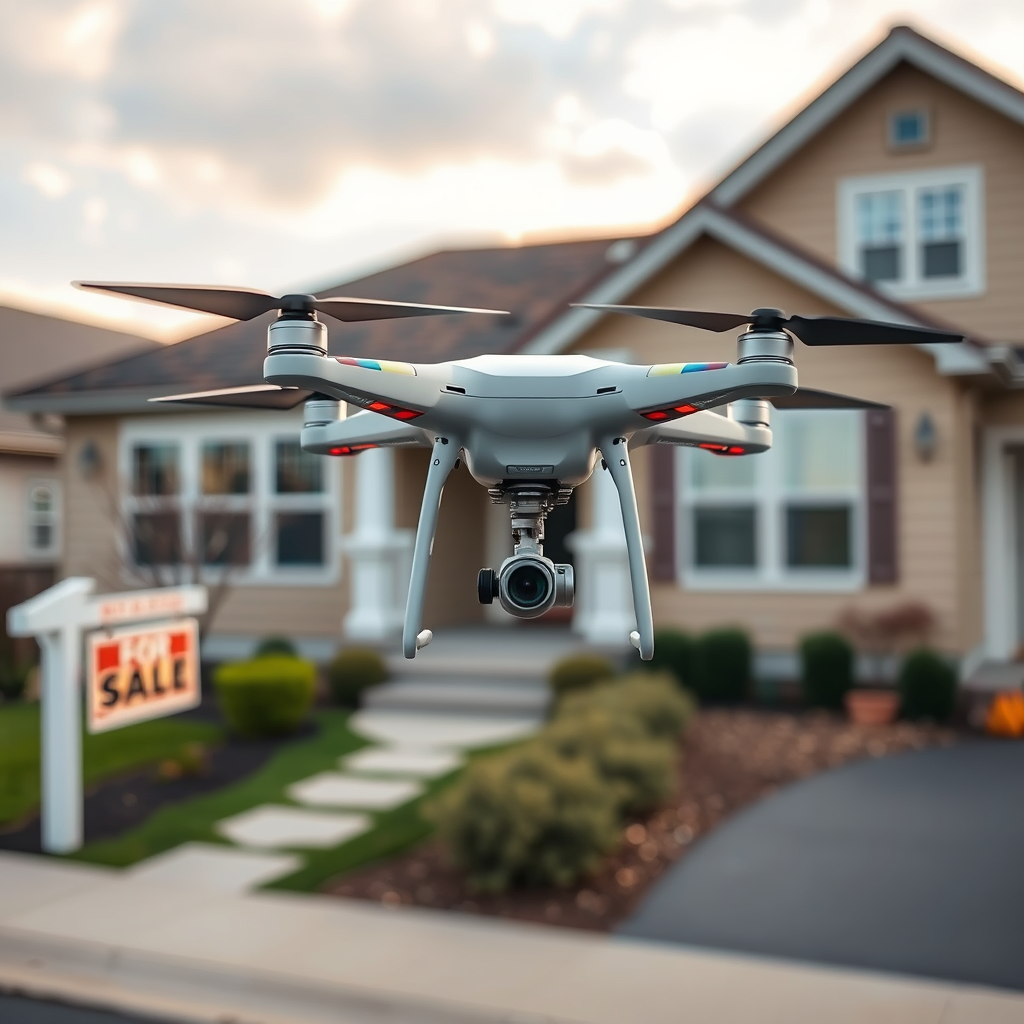
If you spot drones flying over your property, you have several options to address your concerns about privacy, safety, or nuisance. Understanding your rights and available actions can empower you to effectively manage the situation and advocate for your interests as a property owner. Drones have become increasingly popular for various purposes, including photography, surveillance, and recreational use, which may lead to unwanted intrusions. This blog will guide you through the steps you can take to address the presence of drones hovering above your land.
Understand Your Rights
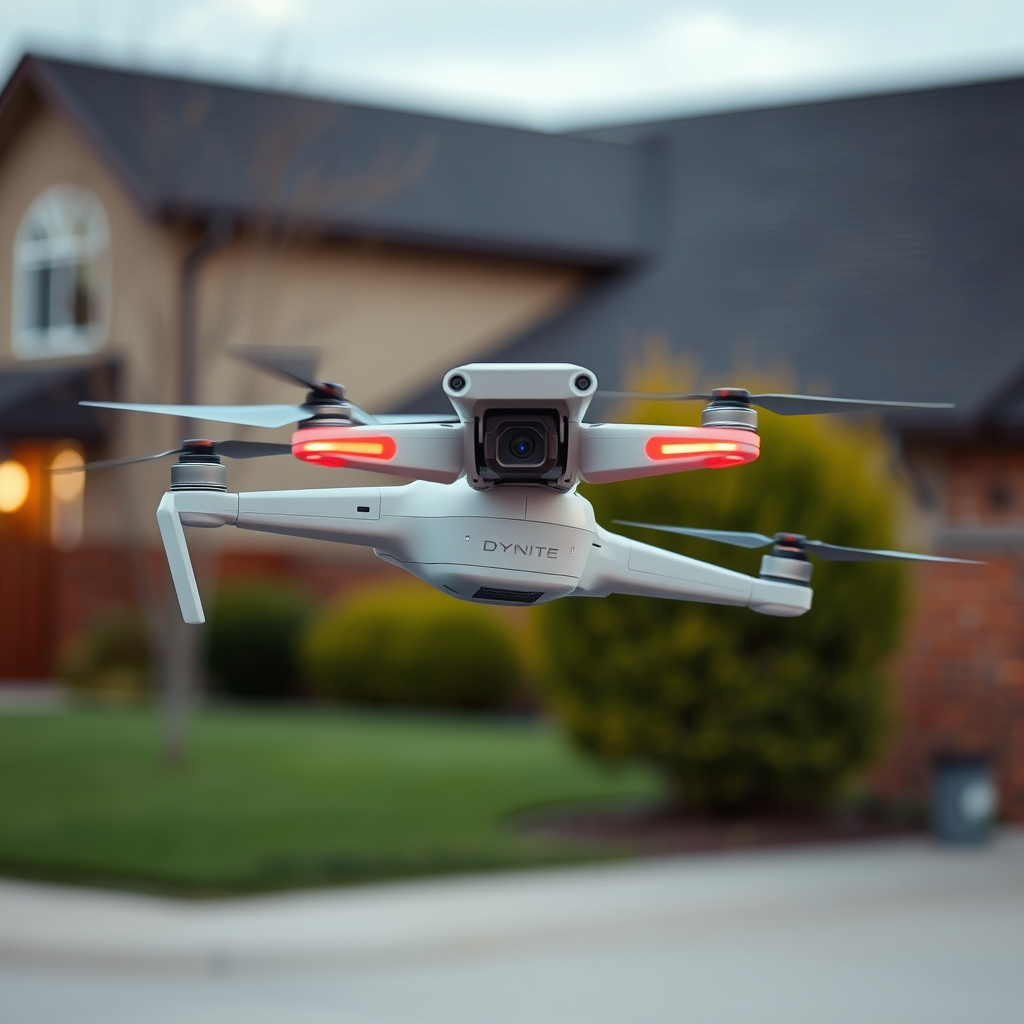
The first step in addressing concerns about drones over your property is to familiarize yourself with local laws regarding drone usage. In the United States, the Federal Aviation Administration (FAA) regulates drone operations, but individual states and municipalities may have additional laws that govern their use. For example, some states have enacted legislation specifically addressing privacy rights related to drone surveillance, while others may impose restrictions on where drones can be flown.
Understanding your rights will help you navigate the complexities of drone laws effectively. You may want to research whether your area has designated no-fly zones, which could apply to drones. Additionally, consider consulting legal resources or local government websites for up-to-date information on drone regulations that might impact your property.
Document the Incidents
Keeping a detailed record of drone sightings is essential for addressing any issues you experience. Begin by documenting the dates, times, and any unusual behavior associated with the drone activity. For instance, note if the drone appears to hover above your property for extended periods or if it seems to be capturing images or video.
If you feel comfortable doing so, capture photos or videos as evidence. This documentation can be invaluable if you decide to escalate the situation to local authorities or seek legal guidance. Be sure to note any patterns in the drone’s behavior, such as specific times of day when it is more active or whether it seems to follow certain flight paths. The more detailed your records, the stronger your case will be.
Communicate with the Drone Operator
If you encounter the drone operator, consider approaching them to discuss your concerns directly. This approach can often resolve misunderstandings or conflicts amicably. However, it is crucial to remain polite but firm about your boundaries and privacy issues. For example, you might express your discomfort with the drone flying over your property and request that they refrain from doing so in the future.
It’s important to remember that many drone operators may not be aware of the impact their activities have on nearby residents. Engaging in a respectful dialogue can help foster a better understanding of each party’s perspective. However, if the operator is uncooperative or dismissive, it may be necessary to consider other avenues for addressing the situation.
Contact Local Authorities
If you experience persistent or intrusive drone activity, reporting the issue to local law enforcement can be an effective next step. Many police departments have procedures in place for handling complaints related to drone use. When contacting authorities, be prepared to provide the documentation you have gathered, including dates, times, and descriptions of the drone’s behavior.
Inquire about any regulations that may apply to the drone operator. Law enforcement can often provide guidance on next steps, such as filing a formal complaint or pursuing legal action if necessary. Additionally, they may have insights into local drone laws that could strengthen your case.
Explore Technological Solutions
In an age where technology plays a significant role in our lives, consider exploring drone detection systems that monitor drone activity near your property. These systems can provide real-time alerts whenever a drone enters your airspace, enabling you to respond promptly. There are various products available on the market, ranging from simple apps to advanced detection devices that use radar technology.
Moreover, you may want to investigate potential anti-drone technology that can mitigate privacy concerns. While some solutions are still in development, options such as signal jammers or drone interceptors are emerging. However, it is essential to understand the legal implications of using such technology, as some anti-drone measures may themselves be subject to regulations.
Consult Legal Guidance
If the situation escalates and you feel that your privacy is being violated, seeking advice from a legal professional specializing in aviation or property law may be prudent. A lawyer can help you understand your options for potential legal action and assess the merits of your case based on the evidence you have collected.
Legal guidance can provide clarity on issues such as trespassing, invasion of privacy, or harassment related to drone activity. In some instances, mediation or cease-and-desist letters may be appropriate steps to take before pursuing more formal legal action. Understanding the legal landscape surrounding drones will empower you to make informed decisions about how to protect your property rights.
Stay Informed About Drone Regulations
Finally, staying informed about changes in drone laws and regulations at local, state, and federal levels is essential for any property owner concerned about drone activity. The regulatory landscape surrounding drones is rapidly evolving, with new legislation and guidelines frequently being introduced.
Joining community discussions or forums focused on drone issues can provide valuable insights and facilitate shared experiences among property owners facing similar concerns. Engaging with local advocacy groups or attending public meetings can also help you stay abreast of developments in drone regulations that may impact your rights and property.
In conclusion, addressing drones over your property involves a proactive approach that combines understanding your rights, documenting incidents, and engaging with authorities when necessary. By remaining informed and taking appropriate actions, you can effectively manage any drone-related concerns and protect your privacy and property. Whether through direct communication with drone operators, legal consultation, or technological solutions, staying vigilant and responsive will empower you in the face of emerging drone technologies.
Frequently Asked Questions
What are my legal rights regarding drones flying over my property?
As a property owner, you have certain legal rights concerning drones that fly over your land. Generally, you have the right to privacy and can expect that drones do not invade your personal space or capture images without your consent. Depending on your jurisdiction, you might also have the right to take action against drone operators if they trespass or violate local laws regarding aerial surveillance.
How can I identify and report a drone that is bothering my property?
To identify a drone, observe its flight patterns and take note of its appearance, including color and size. If a drone is consistently flying over your property and causing disturbance, you can report it to local law enforcement or the Federal Aviation Administration (FAA). Providing them with detailed information, such as the time, location, and nature of the disturbance, will help authorities address the issue effectively.
Why are drones flying over my property, and what can I do about it?
Drones may fly over your property for various reasons, including recreational use, aerial photography, or commercial applications like surveying and inspections. If you feel that a drone is intruding on your privacy or creating a nuisance, you can communicate with the operator if known, or report the situation to local authorities. Additionally, you can implement physical barriers, like privacy fencing, to minimize drone visibility.
What is the best way to deter drones from flying over my land?
To deter drones from flying over your property, you can install physical barriers like tall hedges or fences and use reflective materials or bird scare devices that can disrupt a drone’s flight path. Additionally, you can utilize drone jamming devices, where legal, to prevent drones from entering your airspace. It’s important to check local regulations before taking any measures, as some actions may be restricted.
Which laws regulate drone usage in residential areas?
Drone usage in residential areas is primarily regulated by the Federal Aviation Administration (FAA) in the United States, alongside state and local laws. The FAA requires drone operators to adhere to specific guidelines, such as maintaining a visual line of sight and flying below 400 feet. You should also check local ordinances that may impose additional restrictions on drone flights, including designated no-fly zones and privacy regulations, to ensure full compliance.
References
- https://www.faa.gov/uas/resources/policy_library/executive_order
- https://www.nolo.com/legal-encyclopedia/drone-law-what-you-need-know-29742.html
- https://www.ncsl.org/research/telecommunications-and-information-technology/state-drone-laws.aspx
- https://www.theguardian.com/us-news/2021/jun/15/drones-privacy-property-rights
- https://www.washingtonpost.com/technology/2021/04/26/drone-privacy-property-rights/
- https://www.privacyrights.org/resources/drones-and-privacy
- https://www.ama-assn.org/delivering-care/public-health/drone-delivery-health-care
- https://www.eff.org/deeplinks/2017/07/drones-privacy-law-and-you
