
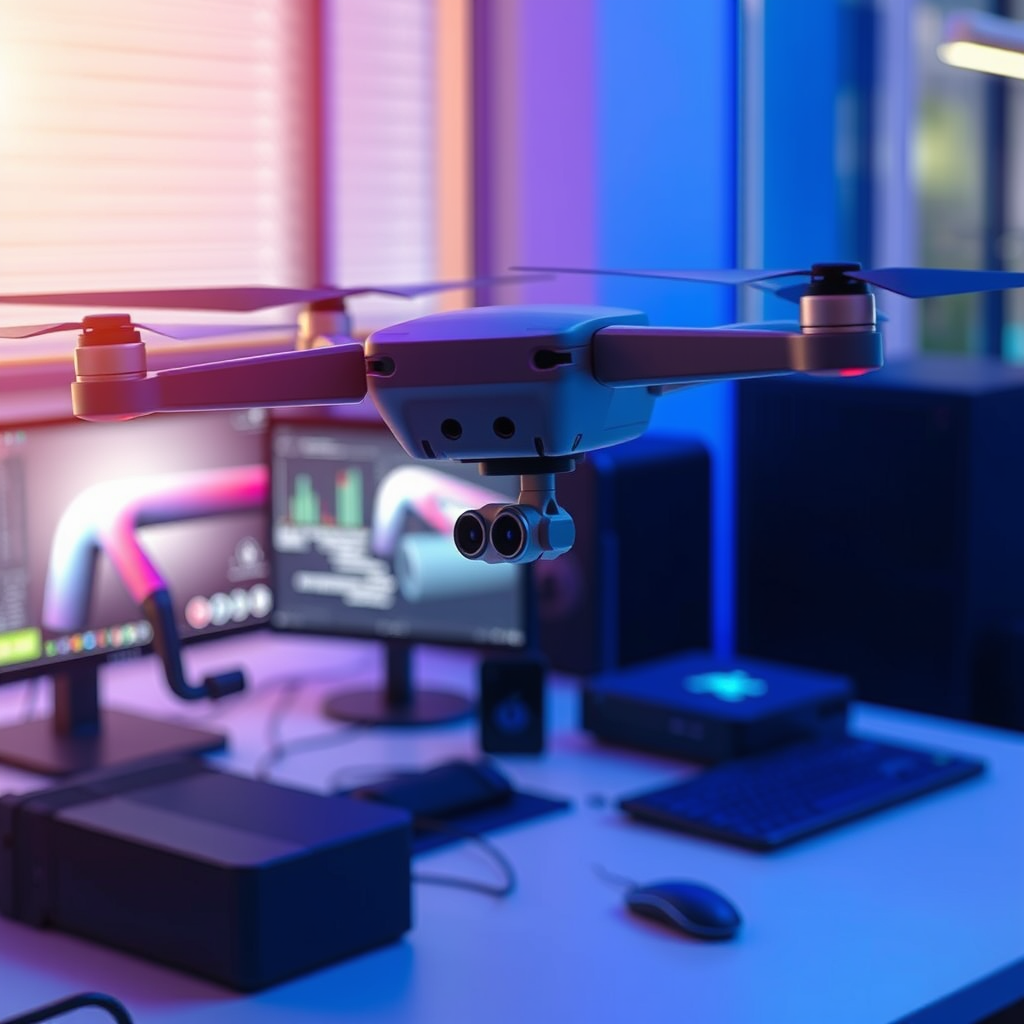
Drones can be utilized for a wide range of applications, from capturing breathtaking visuals to enhancing agricultural productivity. Their versatility has made them indispensable tools in various industries, including entertainment, emergency services, and environmental conservation. As technology advances, the potential uses for drones continue to expand, offering endless possibilities for both personal and professional endeavors.
Aerial Photography and Videography
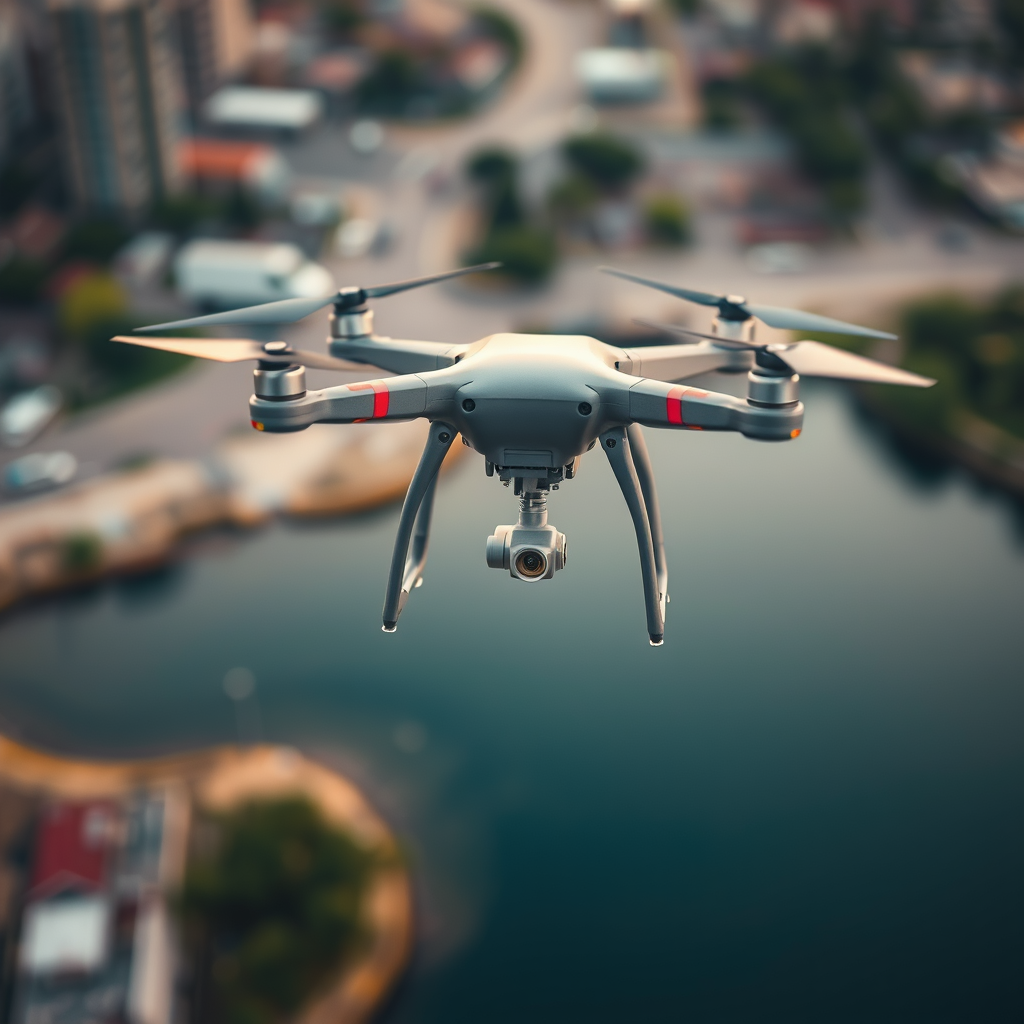
Drones have revolutionized the field of photography and videography, allowing creators to capture stunning landscapes and events from unique angles that were previously difficult or impossible to achieve. With high-resolution cameras mounted on drones, filmmakers and photographers can obtain high-quality visual content that adds depth and perspective to their work. For example, aerial shots of weddings, real estate, and nature documentaries can showcase scenes in a captivating manner, elevating the overall storytelling experience.
Professional photographers often use drones to access remote locations, providing a fresh viewpoint that enhances their portfolio. Additionally, platforms such as Instagram and YouTube have seen a surge in drone-related content, further propelling the demand for aerial imagery. As regulations surrounding drone usage become more defined, more photographers and videographers are incorporating drones into their services, making it an essential tool for modern visual content creation.
Agriculture and Crop Monitoring
In the agricultural sector, drones are transforming the way farmers monitor crop health and growth. Equipped with advanced sensors and imaging technology, drones can fly over fields to capture detailed images that help identify issues early, such as pest infestations, nutrient deficiencies, and water stress. This real-time data enables farmers to make informed decisions, optimizing their operations and improving overall yield.
Moreover, drones enhance precision agriculture by analyzing soil composition and moisture levels, allowing for targeted interventions. For instance, a farmer can use drone data to determine where to apply fertilizers or pesticides, reducing waste and minimizing environmental impact. Companies like PrecisionHawk and DroneDeploy are leading the way in agricultural drone technology, providing farmers with tailored solutions that boost productivity and sustainability.
Search and Rescue Operations
Drones play a crucial role in search and rescue operations, offering significant advantages in locating missing persons in remote or difficult terrains. Equipped with thermal imaging cameras, drones can detect heat signatures, making it easier to locate individuals who may be lost or stranded in challenging environments, such as forests or mountains.
In addition to locating missing persons, drones provide aerial views that help coordinate rescue efforts effectively. Emergency responders can use drone footage to assess the situation and determine the best approach for rescue. For example, during natural disasters, drones have been deployed to survey damage and identify areas in need of immediate assistance, streamlining response efforts and potentially saving lives.
Infrastructure Inspections
Drones have become invaluable tools for inspecting infrastructure, including bridges, power lines, and wind turbines. By providing high-resolution imagery and data, drones enable maintenance teams to assess the condition of structures without the need for scaffolding or climbing, significantly reducing safety risks.
For instance, utility companies are using drones to inspect power lines for wear and tear, minimizing outages and enhancing safety measures. Similarly, transportation departments utilize drones to assess the structural integrity of bridges, allowing for timely repairs and maintenance. The ability to conduct these inspections remotely not only saves time and resources but also ensures that essential infrastructure remains safe and functional.
Delivery Services
The potential for drone delivery services is rapidly gaining traction, with companies exploring innovative ways to enhance logistics and improve delivery efficiency. Drones can enable fast and efficient delivery of packages, medical supplies, and even groceries, particularly in urban areas where traffic congestion can delay traditional delivery methods.
For example, companies like Amazon and Zipline are pioneering drone delivery systems that can transport items directly to consumers’ doorsteps or deploy medical supplies to remote healthcare facilities. These advancements promise to revolutionize last-mile delivery, reducing delivery times and costs while improving accessibility for customers. As regulations evolve and technology advances, drone delivery could become a standard practice in logistics, significantly impacting the retail landscape.
Environmental Monitoring
Drones are increasingly being used for environmental monitoring, providing essential data for conservation efforts and climate research. Researchers can deploy drones to track wildlife populations, monitor their habitats, and assess the health of ecosystems. This technology allows for non-invasive data collection, minimizing human impact on delicate environments.
For instance, drones equipped with multispectral sensors can monitor forest health, assessing tree canopy cover and identifying areas of deforestation. Similarly, drones can be utilized to measure water levels in rivers and lakes, enabling authorities to respond proactively to changing environmental conditions. Organizations such as Conservation Drones and the World Wildlife Fund are leveraging drone technology to enhance conservation efforts and ensure sustainable practices.
Recreational Use
Beyond professional applications, drones are also popular for recreational use, providing enthusiasts with a fun way to engage with technology and explore the outdoors. Drone racing has emerged as a thrilling sport, with competitions held worldwide, attracting pilots who showcase their skills in navigating challenging courses.
Furthermore, hobbyists can use consumer drones for personal exploration, capturing stunning aerial footage of their adventures or simply enjoying the experience of flying. The availability of user-friendly drones has made it accessible for individuals of all ages to participate in this rapidly growing hobby. As technology continues to evolve, the recreational possibilities for drone enthusiasts will only expand, fostering a community of passionate individuals who share a love for aerial exploration.
In conclusion, drones serve a multitude of purposes across various sectors, showcasing their capabilities beyond just recreational use. From enhancing agricultural practices to aiding search and rescue operations, the versatility of drones makes them invaluable tools in today’s world. As we continue to explore and innovate, the potential for drone usage will only grow, presenting new opportunities for businesses and individuals alike. Whether for professional applications or personal enjoyment, consider how a drone might benefit your needs and contribute to a more efficient, sustainable future.
Frequently Asked Questions
What are the most common uses for drones in commercial industries?
Drones are widely utilized across various commercial industries for applications such as aerial photography, surveying, and inspections. In agriculture, drones help monitor crop health and optimize irrigation, while in construction, they provide real-time site monitoring and progress tracking. Additionally, delivery services are increasingly exploring drone technology to enhance logistics and reduce delivery times, making drones invaluable tools in modern business operations.
How can drones improve safety in emergency response situations?
Drones play a crucial role in emergency response by providing real-time aerial footage that helps assess disaster scenarios, such as fires, floods, or search-and-rescue missions. They can quickly survey hazardous areas, allowing first responders to strategize effectively without putting themselves at risk. Moreover, drones equipped with thermal imaging can locate missing persons or assess structural integrity, significantly enhancing safety and efficiency during critical operations.
Why should businesses consider using drones for marketing purposes?
Businesses can leverage drones for marketing by capturing stunning aerial footage and creating engaging content that stands out on social media platforms. This unique perspective can enhance brand storytelling, showcase properties for real estate, or promote events in a visually compelling way. Furthermore, drone videography can be more cost-effective than traditional methods, allowing businesses of all sizes to create high-quality promotional material.
What are the best drones for beginners looking to explore aerial photography?
For beginners interested in aerial photography, several user-friendly drones offer great value. Models like the DJI Mini 2 and the Holy Stone HS720 are highly recommended for their ease of use, impressive camera capabilities, and stability. These drones provide excellent image quality, GPS assistance, and automated flight modes, making them ideal for newcomers to capture stunning aerial shots without extensive prior experience.
Which regulations should drone operators be aware of when using drones commercially?
Drone operators must adhere to regulations set by aviation authorities, such as the FAA in the United States, which require registration of drones and adherence to specific flight rules. Key regulations include maintaining a visual line of sight, flying below 400 feet, and avoiding restricted airspace. Additionally, commercial operators are often required to obtain a Remote Pilot Certificate, ensuring they understand safety protocols and legal compliance for commercial drone operations.
References
- https://en.wikipedia.org/wiki/Drone
- https://www.faa.gov/uas/
- https://www.nationalgeographic.com/science/article/drones-uses-technology-environment
- https://www.un.org/en/observances/international-day-drones
- https://www.reuters.com/technology/what-drones-are-used-2021-06-25/
- https://www.abc.net.au/news/science/2020-01-23/drones-in-agriculture-and-farming/11890858
- https://www.theguardian.com/technology/2021/jan/15/drone-technology-uses-agriculture-disaster-relief
- https://www.sciencedirect.com/topics/engineering/unmanned-aerial-vehicle
- https://www.nytimes.com/2021/10/06/technology/drones-use.html
