
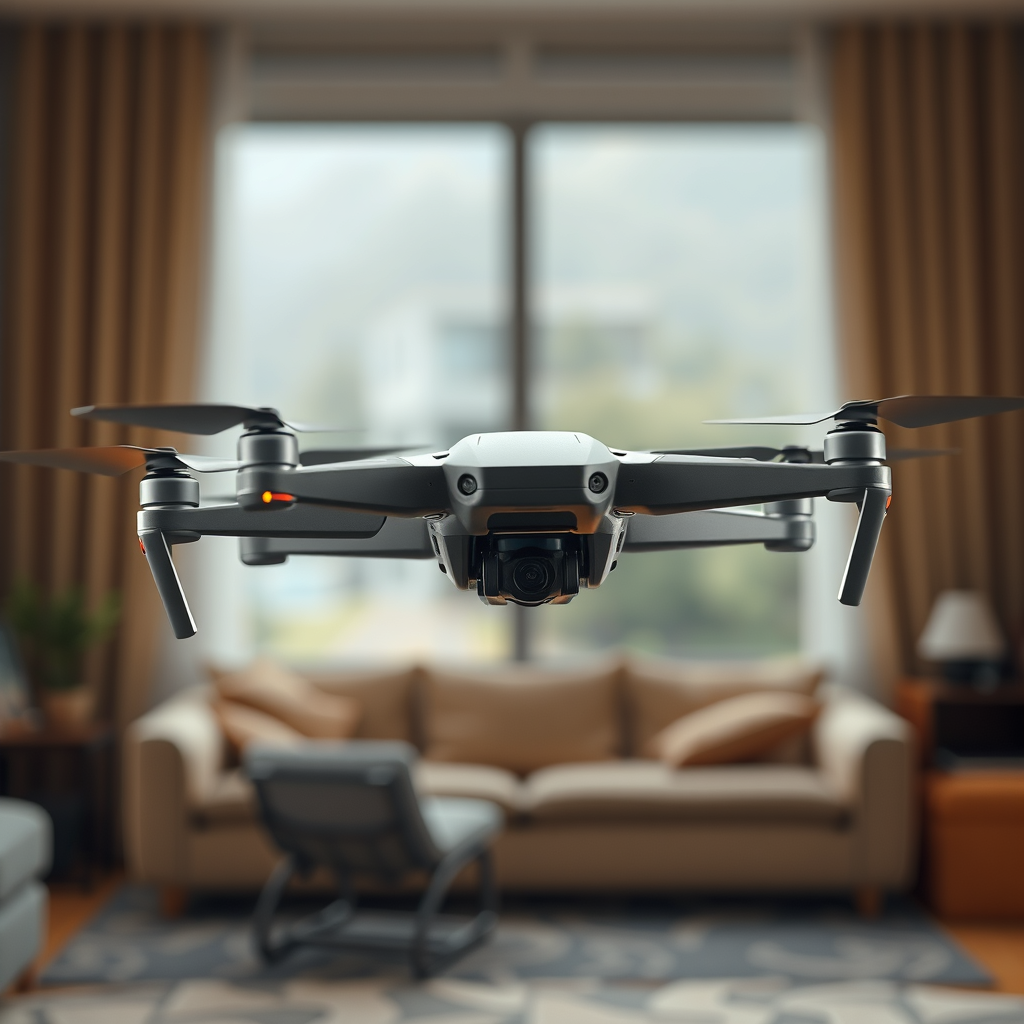
The drone that can fly the farthest is the DJI Mavic 3, boasting a range of up to 15 kilometers (9.3 miles) under optimal conditions. This impressive capability allows it to capture stunning aerial views and conduct extensive surveys without the need for constant repositioning. In this article, we will delve into the fascinating world of long-range drones, comparing various models and examining the features that contribute to their remarkable flight distances.
Understanding Drone Range
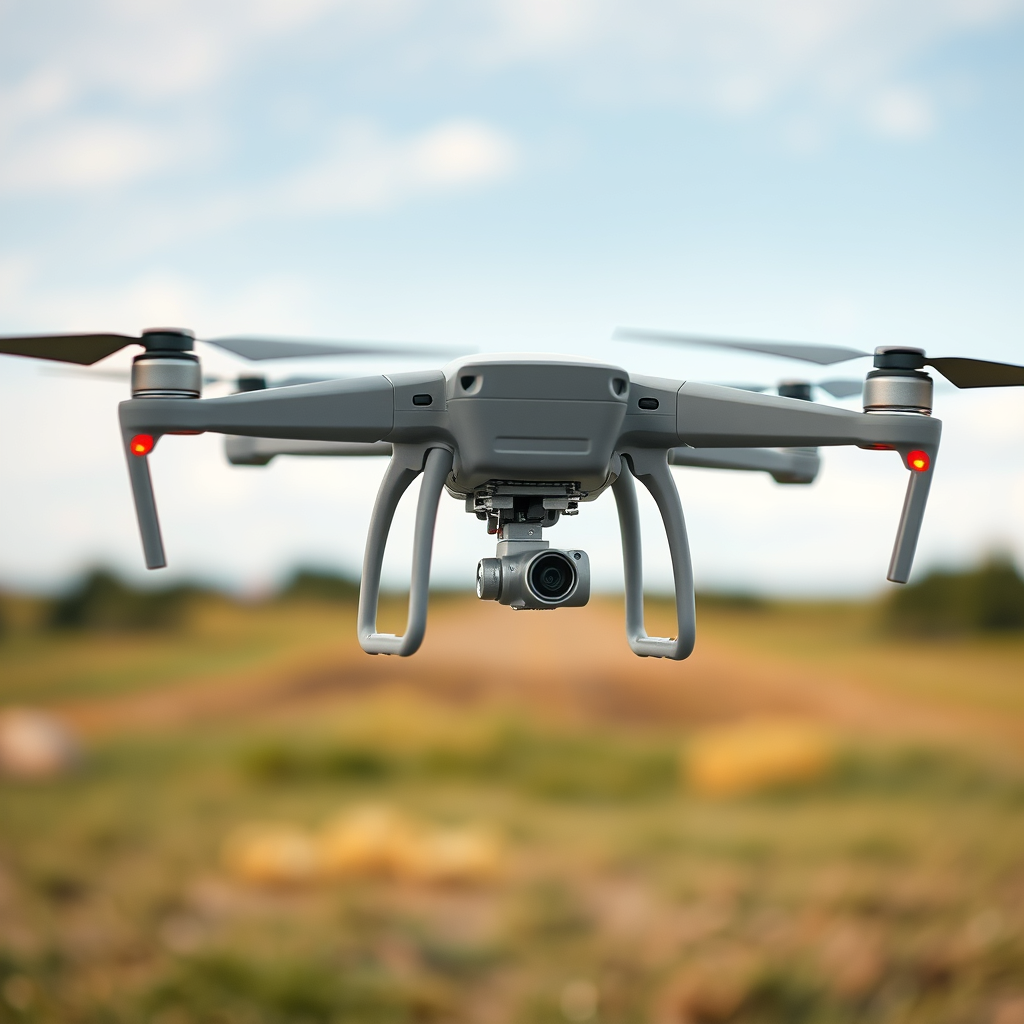
Drone range refers to the maximum distance a drone can fly from its remote controller before losing connection. Understanding this concept is crucial for both recreational and commercial users, as it determines how far a drone can travel during a flight. A longer range allows users to explore vast areas without needing to constantly reposition, making it particularly beneficial for applications such as aerial photography, surveying, and search-and-rescue operations.
Several factors influence the range of a drone, with signal strength and battery life being the most significant. Signal strength is affected by the quality of the communication technology used; for instance, drones that employ advanced transmission systems like OcuSync or Lightbridge often achieve longer ranges. Battery life is equally important, as a drone that consumes less power during flight will naturally be able to cover more distance before needing a recharge. Other factors include the drone’s weight, aerodynamics, and environmental conditions, which can all play a role in determining how far a drone can actually fly.
Top Long-Range Drones
When discussing long-range drones, the DJI Mavic 3 stands out as a top contender. This drone features advanced technology, including a dual-camera system with a 4/3 CMOS sensor, which enhances image quality while maintaining efficient power usage. The Mavic 3’s impressive range of up to 15 kilometers is complemented by a flight time of approximately 46 minutes, making it a versatile choice for both professionals and enthusiasts.
Comparing the Mavic 3 to other top contenders reveals its competitive edge in the market. The Autel EVO Lite, for instance, offers a range of up to 13 kilometers and a flight time of around 40 minutes. It is equipped with a 1-inch sensor that captures stunning 6K video, making it a viable alternative for those prioritizing image quality. Meanwhile, the Parrot Anafi USA boasts a range of 4 kilometers but is designed specifically for industrial applications, featuring thermal imaging capabilities that are invaluable for surveying and inspection tasks. While these models are impressive in their own right, the Mavic 3 currently leads the pack when it comes to sheer distance and overall performance.
Battery Life and Its Impact
Battery capacity plays a critical role in determining a drone’s ability to undertake long-distance flights. Drones equipped with higher-capacity batteries can sustain longer flight times, thereby extending their operational range. The DJI Mavic 3, for example, benefits from a 5000 mAh battery that enhances its endurance, allowing for extended aerial missions without the need for frequent recharges.
Different battery technologies also affect performance significantly. Lithium-polymer (LiPo) batteries are commonly used in drones due to their high energy density and lightweight properties. However, advancements in battery technology, such as lithium-sulfur and solid-state batteries, are being explored to further improve flight times and reliability. As these technologies mature, we can expect the next generation of drones to feature enhanced battery life, enabling even longer-range flights.
Environmental Factors to Consider
Weather conditions significantly impact drone range and flight performance. Wind speed, temperature, and precipitation can all affect a drone’s ability to maintain stable flight. For instance, high winds can cause a drone to expend more energy to stay aloft, thereby reducing its overall range. Similarly, low temperatures can diminish battery performance, leading to shorter flight times.
Obstacles and signal interference also play crucial roles in determining the effective range of a drone. Buildings, trees, and other structures can obstruct the line of sight between the drone and its controller, leading to potential connectivity issues. Additionally, electromagnetic interference from nearby electronic devices can disrupt the communication signals, further limiting the distance a drone can safely operate. Understanding these environmental factors is essential for drone operators seeking to maximize their aircraft’s range.
Regulations and Restrictions
Flying drones at long distances is subject to legal regulations that vary by country and region. In many places, drone operators are required to maintain a line of sight with their aircraft, which can limit the practical use of long-range capabilities. Furthermore, various countries have established no-fly zones near airports, military installations, and densely populated areas, imposing additional restrictions on where drones can operate.
Familiarizing oneself with local regulations is crucial for anyone considering long-distance drone flights. Operators should also be aware of altitude limits, as flying above certain heights may require special permits. Understanding and adhering to these regulations not only ensures compliance but also enhances safety for both the operator and the public.
Practical Applications of Long-Range Drones
Long-range drones have a myriad of applications across various industries. In agriculture, for example, drones equipped with multispectral cameras can monitor crop health over large areas, enabling farmers to make informed decisions about irrigation and fertilization. In surveying, drones can cover expansive landscapes quickly, significantly reducing the time and cost associated with traditional methods.
For filmmakers, long-range drones provide the ability to capture breathtaking shots from distances previously thought impossible. The extended range allows for dynamic aerial perspectives, enhancing storytelling and production quality. Recreational users also benefit from long-range capabilities, as they can explore remote areas and capture stunning visuals without the limitations of shorter-range drones.
Future Trends in Drone Technology
As the drone industry continues to evolve, several exciting innovations on the horizon may enhance flight distances further. One promising area of development is battery technology. Researchers are investigating new materials and designs that could lead to batteries with higher energy densities and faster recharge times, allowing drones to fly longer and more efficiently.
Aerodynamics is another key area of focus. Improvements in design and materials could lead to lighter, more efficient drones that can achieve greater distances on less power. Additionally, advancements in artificial intelligence and automation may enable drones to navigate complex environments autonomously, further extending their operational range without compromising safety.
In conclusion, understanding which drone can fly the farthest involves looking at various factors, including technology, battery life, and environmental conditions. The DJI Mavic 3 currently leads the market with its impressive range and capabilities, but other contenders offer unique features suited to specific applications. For those interested in purchasing a drone, considering these aspects will help identify the best option to meet long-distance flying needs, ensuring a successful and enjoyable experience in the skies.
Frequently Asked Questions
What drone can fly the farthest distance?
The drone that currently boasts the longest flight range is the DJI Mavic 3, which can fly up to 15 kilometers (approximately 9.3 miles) under optimal conditions. This impressive range is made possible by its advanced transmission technology, which ensures a stable connection even at great distances. Other contenders include the DJI Air 2S and the Autel Robotics EVO Lite+, with ranges of up to 12 kilometers and 10 kilometers respectively, making them excellent options for long-distance photography and exploration.
How does battery life affect a drone’s flying distance?
Battery life is a critical factor that directly impacts a drone’s flying distance. Drones with longer battery life can sustain their flight for more extended periods, allowing them to cover greater distances. For instance, a drone equipped with a high-capacity battery can typically fly for 30 minutes or more, translating to a longer range. However, environmental factors like wind speed, payload, and flying altitude also play a significant role in determining the actual distance a drone can achieve.
Why do some drones have longer ranges than others?
The range of a drone is influenced by several key factors, including the type of transmission technology used, the design of the drone, and its battery capacity. Drones that utilize advanced transmission systems, such as OcuSync or Lightbridge, can maintain a stable connection over longer distances, while those with powerful batteries can sustain longer flight times. Additionally, aerodynamic design and weight can affect how efficiently a drone travels, further impacting its overall range.
What is the best drone for long-range flying?
The best drone for long-range flying is often considered to be the DJI Mavic 3 due to its remarkable 15-kilometer range, excellent camera capabilities, and robust features tailored for aerial photography. However, other options like the DJI Air 2S and the Autel EVO Lite+ are great alternatives that provide impressive ranges and versatility at a more affordable price point. When choosing a drone for long-range use, it’s essential to consider factors such as flight time, camera quality, and ease of use.
Which factors should I consider when selecting a drone for maximum flight distance?
When selecting a drone for maximum flight distance, consider several factors: battery life, transmission technology, drone weight, and wind resistance. A drone with a high-capacity battery will naturally provide longer flight times, while advanced transmission systems will enhance the control range. Additionally, lighter drones with aerodynamic designs tend to have better performance in windy conditions, allowing them to cover more distance efficiently. Always check the manufacturer specifications for the most accurate information on range capabilities.
References
- https://en.wikipedia.org/wiki/Drone#Range
- https://www.faa.gov/uas/
- https://www.reuters.com/business/aerospace-defense/what-you-need-know-about-drones-2021-12-29/
- https://www.sciencedirect.com/science/article/pii/S235286482200109X
- https://www.nytimes.com/2021/10/22/technology/drones-uses.html
- https://www.theguardian.com/technology/2020/jun/10/drones-fly-long-distance-uses
- https://www.techrepublic.com/article/what-you-need-to-know-about-drone-range-2/
- https://www.nasa.gov/centers/dryden/pdf/88372main_DRAFT_2013-02-22.pdf
