
Drones can be utilized in a multitude of sectors, including photography, agriculture, surveillance, and delivery services. Their versatility enables individuals and businesses to leverage drone technology for diverse applications, ranging from enhancing creative projects to streamlining operations in various industries. In this article, we will explore the key areas where drones are making a significant impact, offering insights into their applications and the benefits they bring.
Aerial Photography and Videography
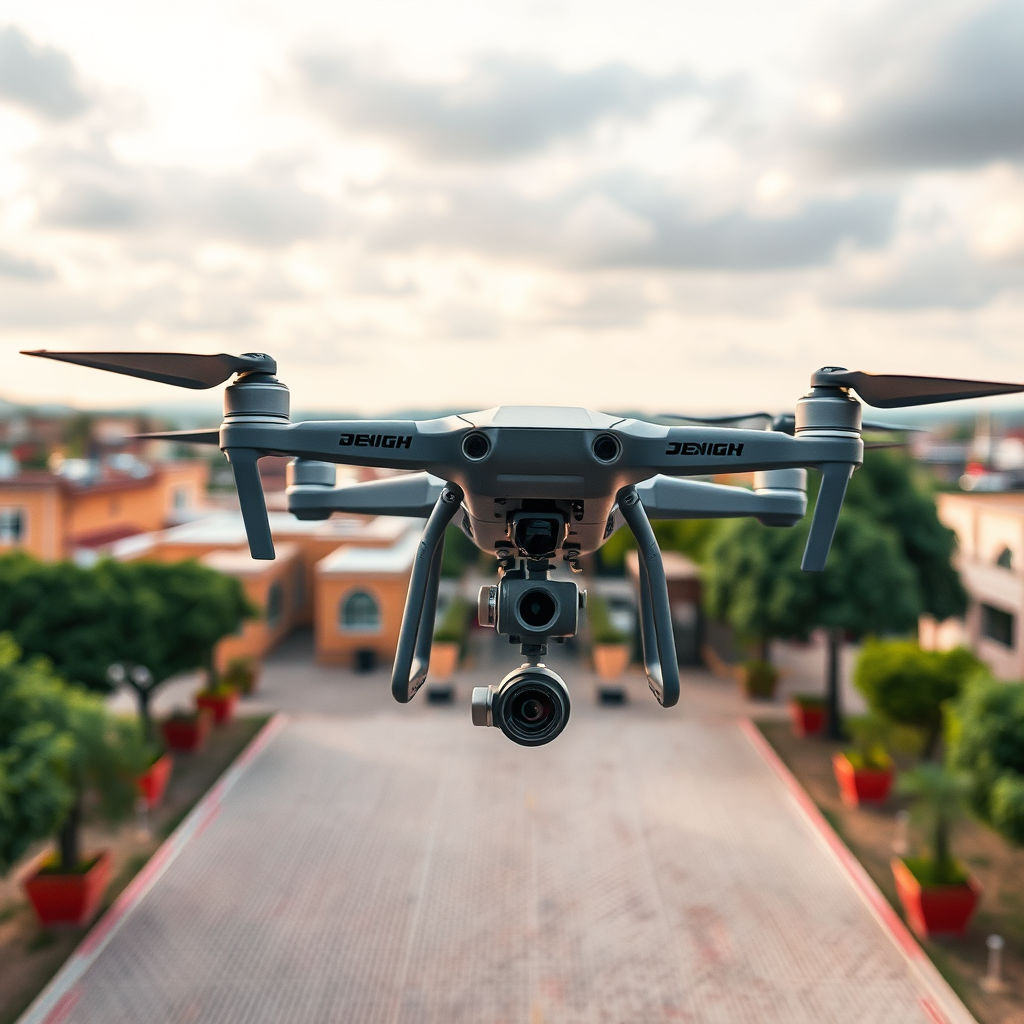
Drones have revolutionized the field of photography and videography by providing unique aerial perspectives that were once only accessible through helicopters or airplanes. Photographers and filmmakers can now capture breathtaking landscapes, dynamic event footage, and promotional material with ease. For instance, real estate agents are increasingly using drones to showcase properties from above, highlighting features like sprawling backyards or proximity to natural landmarks, thereby enhancing marketing efforts.
In the events sector, drones have become a popular tool for weddings and large gatherings. Aerial shots can capture the grandeur of the occasion, providing couples with stunning visuals that traditional photography may not achieve. Tourism promotions also benefit from drone imagery, as stunning aerial photographs can entice potential visitors by showcasing breathtaking views and attractions. With advancements in drone technology, photographers are now equipped with high-resolution cameras and gimbals that ensure smooth, professional-quality footage, further enhancing the value of aerial photography.
Agriculture and Farming
In agriculture, drones are transforming traditional farming practices by enabling precision agriculture. Farmers can utilize drones equipped with advanced sensors and cameras to monitor crop health, assess field conditions, and gather valuable data about soil composition and moisture levels. This information allows for informed decision-making regarding irrigation, fertilization, and pest control.
For example, drones can generate detailed aerial imagery that highlights areas of a field requiring attention, allowing farmers to target specific sections rather than applying chemicals uniformly across an entire field. This targeted approach not only increases crop yield but also reduces costs and minimizes environmental impact. Additionally, drone technology can facilitate the timely application of pesticides and fertilizers, ensuring that crops receive necessary nutrients at optimal times, ultimately leading to a more efficient farming operation.
Search and Rescue Operations
Drones play a crucial role in search and rescue operations, offering a swift and effective means of assessing disaster-stricken areas. In scenarios such as natural disasters, drones can quickly survey vast landscapes, providing real-time data to emergency responders. This capability is critical for locating missing persons or assessing damage, particularly in challenging terrains that may be hazardous for human rescuers.
For instance, during the aftermath of hurricanes or earthquakes, drones can cover ground that is otherwise inaccessible due to debris or flooding. Their ability to capture high-resolution images and thermal data allows rescue teams to identify heat signatures from individuals in need of assistance. Furthermore, drones can be equipped with loudspeakers or cameras to communicate with individuals in distress, enhancing the overall effectiveness of rescue missions.
Infrastructure Inspection
The maintenance and inspection of infrastructure, such as bridges, power lines, and telecommunications towers, can be significantly improved through the use of drones. These unmanned aerial vehicles can access hard-to-reach areas safely and efficiently, eliminating the risks associated with sending workers into dangerous positions.
Drones equipped with high-resolution cameras and specialized sensors can quickly assess structural integrity, identifying potential issues such as cracks, rust, or wear. For example, utility companies are increasingly deploying drones to inspect power lines, enabling them to detect faults before they lead to outages. This proactive approach not only enhances safety but also increases maintenance efficiency, allowing organizations to schedule repairs before infrastructure failure occurs. By reducing downtime and maintenance costs, drones have become invaluable tools in the realm of infrastructure management.
Delivery Services
The potential for drones to revolutionize delivery services is gaining traction among various companies. Drones offer a fast and efficient means of transporting packages, medical supplies, and even food, significantly reducing delivery times and operational costs. Companies like Amazon and UPS are actively exploring drone delivery systems to enhance their logistics capabilities.
For instance, in remote or hard-to-reach areas, drones can deliver vital medical supplies, such as vaccines or blood products, in a fraction of the time it would take traditional delivery methods. This capability is especially beneficial in emergency situations where timely access to medical resources can save lives. As regulations around drone operations evolve, the feasibility of widespread drone delivery continues to grow, promising a future where quick, efficient, and cost-effective delivery becomes the norm.
Environmental Monitoring
Drones are proving to be invaluable tools for environmental monitoring, offering a bird’s-eye view of ecosystems, wildlife, and natural resources. They allow researchers and conservationists to track wildlife populations, monitor deforestation, and assess the impact of climate change in remote areas.
For example, drones equipped with multispectral cameras can gather data on vegetation health, helping scientists understand the effects of environmental changes on ecosystems. Additionally, drones can be employed to monitor illegal logging or poaching activities, providing real-time intelligence to conservation organizations working to protect endangered species. By collecting accurate data from above, drones enable more effective research and conservation efforts, ultimately contributing to the preservation of our planet’s resources.
Recreational Use and Hobby Flying
Beyond professional applications, drones have become popular for recreational use and hobby flying. Enthusiasts enjoy piloting drones for fun, racing, and exploring new locations from a unique vantage point. The growth of drone racing leagues has created a vibrant community where pilots can compete and showcase their skills.
Joining local drone clubs or online communities can enhance the experience for hobbyists, providing opportunities to connect with fellow enthusiasts, share tips, and participate in group activities. Additionally, many manufacturers offer beginner-friendly drones, allowing newcomers to easily enter the hobby without a steep learning curve. As technology continues to advance, the recreational use of drones is likely to expand, offering exciting possibilities for both casual users and dedicated enthusiasts.
Drones offer a wide array of applications across multiple sectors, showcasing their versatility and significance in modern technology. From enhancing creative projects in photography to improving efficiency in agriculture and infrastructure inspection, the potential of drones is vast. As the technology continues to evolve, understanding where to use a drone can help you maximize its potential for both professional and recreational purposes. Consider the various opportunities available and explore how you can incorporate drones into your activities, harnessing their capabilities to enhance your work or hobbies.
Frequently Asked Questions
Where can I legally fly my drone?
You can legally fly your drone in various places, including parks, open fields, and rural areas, provided you follow local regulations. Always check for specific airspace restrictions, as near airports, military bases, and populated urban areas, flying is typically prohibited or requires special permission. Familiarizing yourself with the FAA regulations and obtaining any necessary permits will ensure safe and compliant drone operation.
What are the best locations for using a drone for photography?
The best locations for drone photography include scenic landscapes, such as mountains, beaches, and forests, where you can capture stunning aerial views. Urban areas with interesting architectural features also provide excellent opportunities for dynamic shots. Always ensure you have permission to fly in these areas, especially in places like national parks or private properties, where regulations may apply.
How do I find out if I can use my drone in a specific area?
To find out if you can use your drone in a specific area, start by checking the FAA’s B4UFLY app, which provides information on airspace restrictions and allows you to see if you need authorization. Additionally, consult local laws and regulations, as some states and municipalities have their own drone guidelines. It’s also wise to contact local authorities or landowners to confirm any site-specific rules.
Why are there restrictions on where I can use my drone?
Restrictions on where you can use your drone primarily exist for safety and privacy reasons. Drones can pose risks to manned aircraft, and flying near airports or in crowded areas can lead to dangerous situations. Furthermore, privacy concerns arise when drones are used to capture images or videos of individuals without consent, prompting regulations to protect personal privacy and uphold public safety.
Which states have the most drone-friendly laws?
States like Texas, Florida, and California are often considered drone-friendly due to their expansive open areas and less restrictive regulations for recreational use. However, it’s essential to research specific local laws, as regulations can vary significantly within states, especially in urban areas. Always stay updated with state and local legislation to ensure compliance and take advantage of the best drone-flying opportunities available.
References
- https://en.wikipedia.org/wiki/Drone
- https://www.faa.gov/uas/getting_started/where_to_fly
- https://www.nasa.gov/mission_pages/independent/what_is_a_drone.html
- https://www.reuters.com/technology/what-you-need-know-about-drones-2021-05-14/
- https://www.abc.net.au/news/science/2020-09-14/drone-uses-different-industries/12641632
- https://www.suasnews.com/2019/08/where-can-you-fly-drones-in-the-us/
- https://www.fcc.gov/consumers/guides/drone-use-public-safety-agencies
- https://www.usda.gov/topics/farmers-market/using-drones-agriculture
