
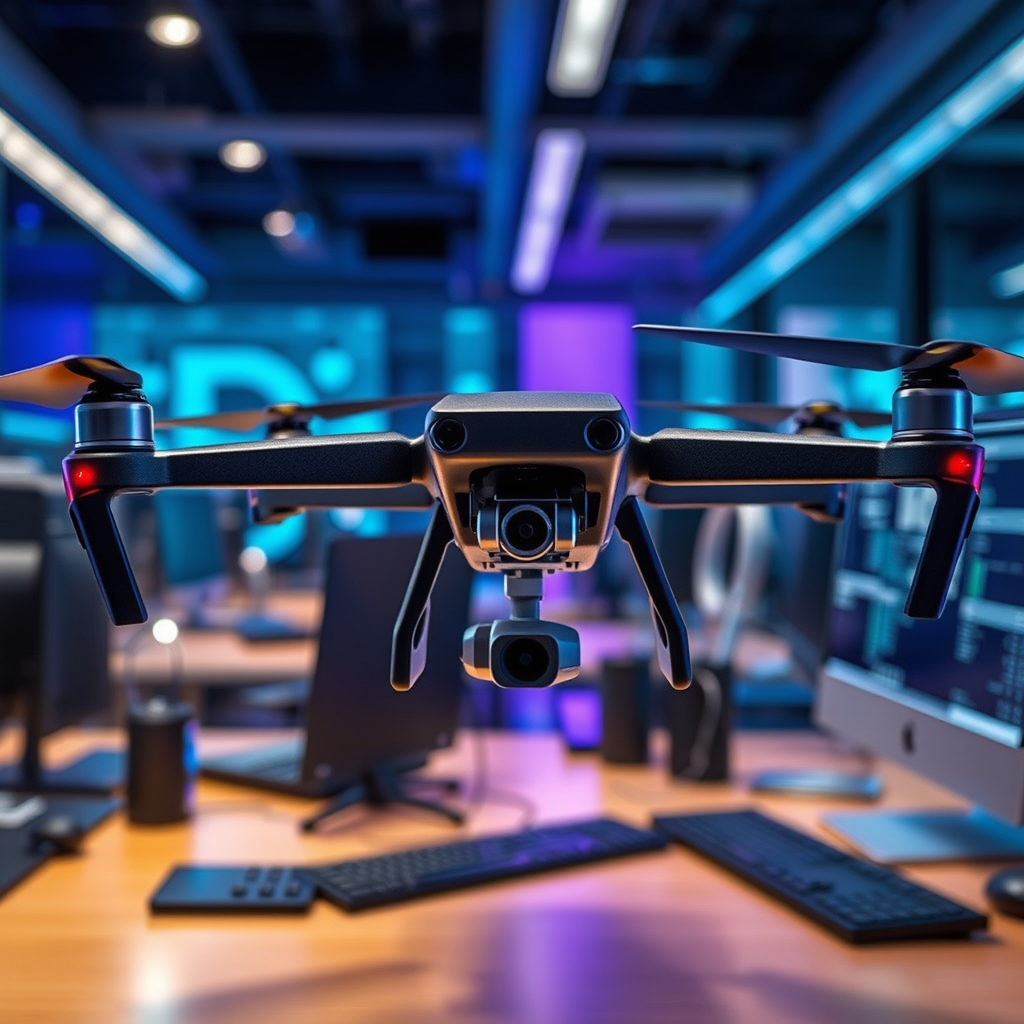
Drones can be employed across numerous sectors such as photography, agriculture, emergency services, and more, making them invaluable tools in today’s technological landscape. Their versatility allows for innovative applications that enhance efficiency, safety, and creativity. This article delves into the diverse uses of drones, providing insights on where and how they can be effectively utilized across various fields.
Aerial Photography and Videography
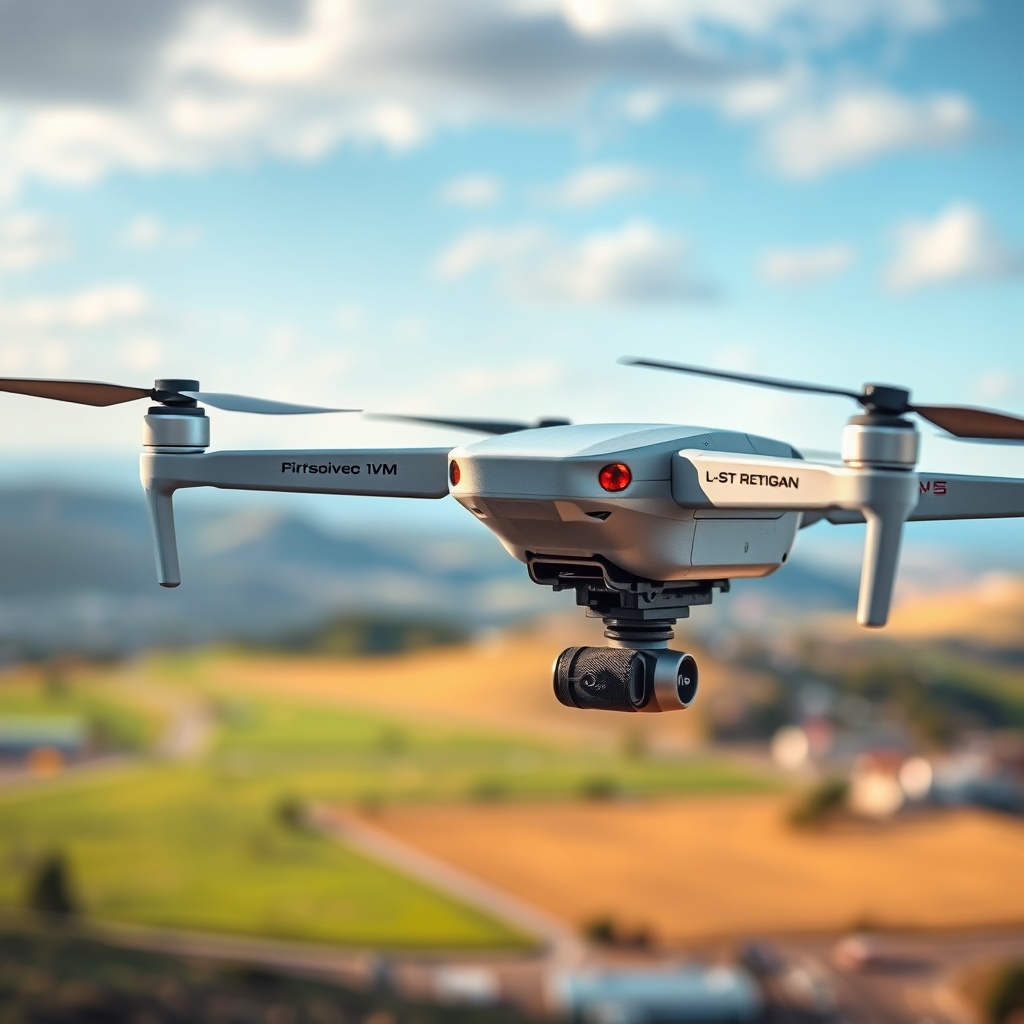
One of the most popular applications of drones is in aerial photography and videography. Drones equipped with high-resolution cameras can capture breathtaking landscapes and significant events from unique angles that traditional photography cannot achieve. For instance, in real estate, aerial shots provide potential buyers with expansive views of properties, showcasing not only the home but also the surrounding environment. Filmmakers leverage drones to create dynamic shots and sweeping vistas that enhance storytelling and visual appeal.
Moreover, drone technology has revolutionized the way events are filmed, from weddings to concerts. By flying above the crowd or around a venue, drones can capture footage that adds a cinematic quality to video productions. The affordability and accessibility of drone technology have democratized aerial photography, allowing even amateur photographers to create professional-quality images.
Agriculture and Farming
In the agricultural sector, drones are becoming essential tools for precision farming. They enable farmers to monitor crop health, optimize irrigation, and maximize yields through advanced analytics. Equipped with multispectral sensors, drones can assess the health of crops by capturing data that reveals variations in plant health, soil moisture, and nutrient levels. Farmers can then make informed decisions about which areas require additional attention or resources.
Additionally, drones facilitate aerial mapping and surveying, providing farmers with detailed information about field conditions. This technology allows for efficient analysis of crop yields and the identification of problem areas that may affect productivity. For example, utilizing drones for aerial imaging can significantly reduce the time and labor costs associated with traditional surveying methods, enabling farmers to focus resources where they are needed most.
Search and Rescue Operations
Drones play a pivotal role in search and rescue operations, particularly in challenging terrains that are difficult to access. Equipped with thermal imaging cameras, drones can quickly locate missing persons by detecting body heat even in dense forests or remote locations. This capability can drastically reduce response times in emergency situations, potentially saving lives.
During natural disasters, drones provide real-time aerial views that assist emergency responders in assessing the situation. For instance, after a hurricane or earthquake, drones can survey affected areas, identify hazards, and deliver critical data to first responders, thereby enhancing situational awareness and coordinating rescue efforts. The integration of drones into emergency services has proven to be a game-changer, offering a new dimension of support during critical moments.
Infrastructure Inspection
Drones are increasingly utilized for infrastructure inspection, allowing for safe and efficient assessments of critical assets such as power lines, bridges, and pipelines. Traditional inspection methods often require scaffolding or cranes, which can be costly and time-consuming. Drones streamline this process by providing high-resolution imagery and data without the need for extensive equipment.
For example, utility companies use drones equipped with thermal imaging to detect issues within electrical systems, such as overheating components. This proactive approach helps prevent outages and ensures the safety of infrastructure. Similarly, drones can inspect bridges for structural integrity, identifying cracks or weaknesses that may necessitate maintenance. The ability to conduct inspections quickly and safely not only reduces operational costs but also enhances overall safety protocols.
Environmental Monitoring
Drones are valuable tools for environmental monitoring, enabling scientists and conservationists to conduct wildlife surveys and monitor habitats from a safe distance. With the capability to cover large areas quickly, drones can collect data on animal populations, track migration patterns, and observe ecological changes without disturbing wildlife.
Moreover, drones are instrumental in tracking changes in ecosystems, such as deforestation or pollution levels. By employing drones to gather aerial imagery over time, researchers can analyze deforestation rates and assess the impact of human activities on natural habitats. This information is crucial for developing conservation strategies and promoting sustainable practices that protect the environment.
Delivery Services
The potential for drones in delivery services is rapidly expanding, with companies exploring innovative solutions for last-mile delivery of goods. Drones can navigate urban environments or reach remote areas, providing a fast and efficient way to deliver packages. This capability is particularly beneficial for industries that require quick turnarounds, such as e-commerce and food delivery.
In critical situations, drones have been tested for medical supply deliveries, transporting essential items like vaccines or blood to remote locations. For example, Zipline has successfully implemented a drone delivery service in Rwanda, providing timely medical supplies to hospitals in hard-to-reach areas. This application not only demonstrates the logistical advantages of drones but also highlights their potential to save lives by ensuring access to critical healthcare resources.
Recreational Use
Beyond professional applications, drones offer recreational opportunities for enthusiasts. Many individuals enjoy flying drones as a hobby, participating in racing events or engaging in aerial photography. The accessibility of consumer-grade drones has allowed hobbyists to explore the skies, capturing stunning images and videos while honing their flying skills.
Community events and competitions, such as drone racing leagues, provide platforms for enthusiasts to connect, share knowledge, and enhance their skills. These gatherings foster a sense of community and encourage innovation, as participants exchange tips on piloting techniques and drone modifications. As technology advances, recreational drone use continues to grow, attracting new enthusiasts and nurturing a vibrant culture around aerial exploration.
In summary, drones offer a multitude of applications across various fields, making them versatile tools for both professionals and hobbyists. From enhancing agricultural practices to transforming emergency response efforts, the potential uses of drones are expansive and continually evolving. As technology progresses, exploring new opportunities for drone usage will foster innovation and increase efficiency across numerous industries.
Frequently Asked Questions
Where can I legally fly a drone?
You can legally fly a drone in various locations, including public parks, rural areas, and designated drone zones, but you must adhere to local regulations. In the United States, the Federal Aviation Administration (FAA) mandates that drone pilots avoid flying near airports, over crowds, or in restricted airspace. Always check local laws and obtain any necessary permits to ensure you are flying your drone legally and safely.
What are the best places to use a drone for photography?
The best places for drone photography include scenic landscapes like mountains, beaches, and forests, as well as urban settings with interesting architectural features. Popular locations often include national parks, historical landmarks, and coastal areas that offer stunning vistas. Be sure to obtain the necessary permissions and follow local regulations to capture breathtaking aerial shots without any legal issues.
How can I find drone-friendly locations near me?
To find drone-friendly locations near you, you can use various online resources and apps that map out no-fly zones and designated flying areas. Websites like AirMap and the FAA’s B4UFLY app provide real-time information on airspace restrictions and drone regulations. Additionally, local drone clubs and communities can offer valuable insights on the best spots to fly safely.
Why is it important to know where I can use my drone?
Knowing where you can use your drone is crucial for both safety and compliance with local regulations. Flying in prohibited areas can lead to fines, confiscation of your drone, and potential legal repercussions. Understanding the rules and restrictions helps you enjoy your flying experience while protecting yourself and others from accidents or violations.
Which places are off-limits for drone use?
Off-limits areas for drone use typically include airports, military bases, and certain national parks or wildlife reserves. Additionally, you should avoid flying over populated areas, large gatherings, and sensitive infrastructure such as power plants and government buildings. Familiarizing yourself with these restrictions will help you avoid legal issues and promote safe drone operation.
References
- https://en.wikipedia.org/wiki/Drone_usage
- https://www.faa.gov/uas/
- https://www.nasa.gov/mission_pages/airborne/aircraft/drones.html
- https://www.ncbi.nlm.nih.gov/pmc/articles/PMC7076595/
- https://www.abc.net.au/news/2022-01-19/drones-in-agriculture-what-you-need-to-know/100786788
- https://www.theguardian.com/business/2021/jun/07/drones-are-here-to-stay-how-they-are-changing-the-way-we-live-and-work
- https://www.sciencedirect.com/science/article/pii/S2352146517300053
