
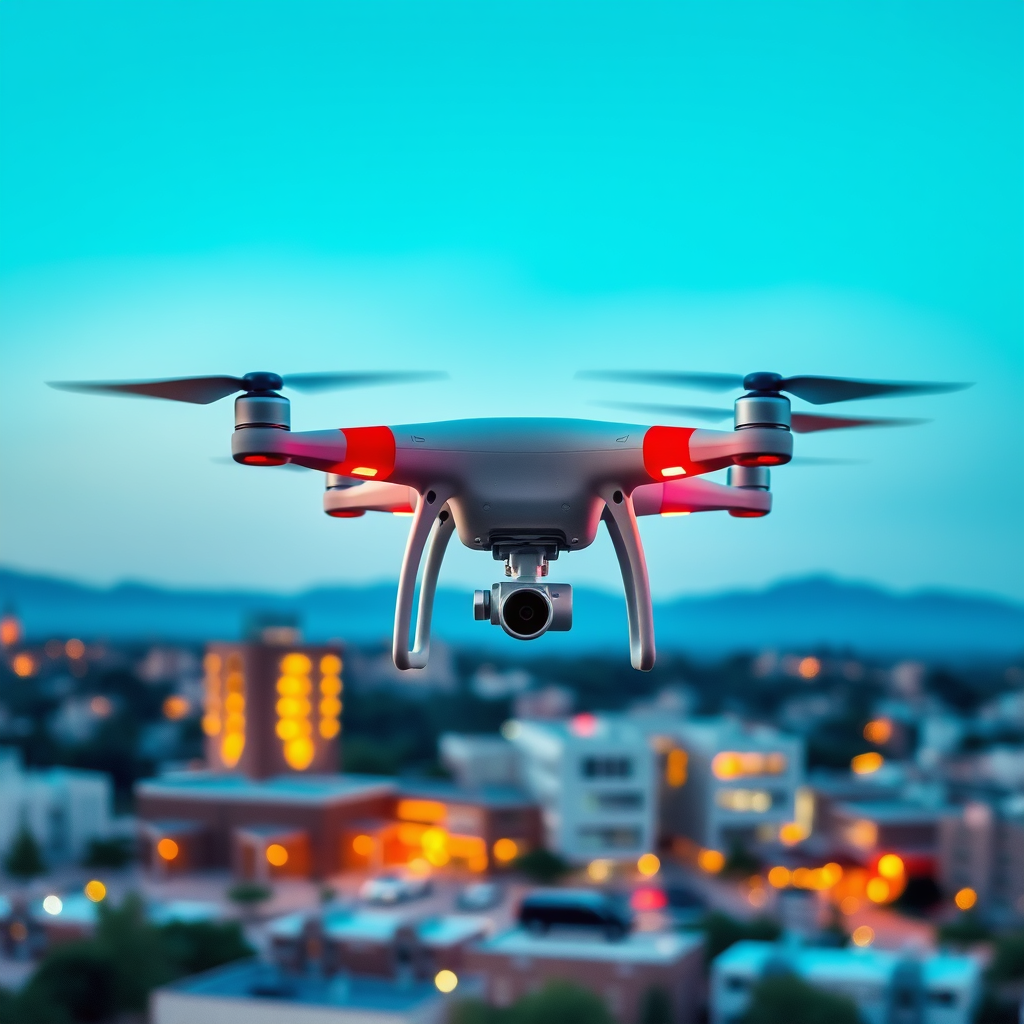
Flying drones in the U.S. is allowed in various locations, but it’s essential to adhere to federal, state, and local regulations. Understanding where you can legally operate your drone can enhance your flying experience while keeping you compliant with the law. This guide aims to provide you with a comprehensive overview of the rules governing drone flight across the country, along with practical tips and popular locations for drone enthusiasts.
Understanding FAA Regulations
The Federal Aviation Administration (FAA) governs drone use in the U.S., establishing a framework that ensures safety and compliance in airspace management. All drone pilots, whether for recreational or commercial purposes, must familiarize themselves with the FAA’s regulations. For instance, if you’re planning to use your drone for commercial activities, you must register your drone with the FAA and obtain a Remote Pilot Certificate under Part 107 rules. This certification involves passing a knowledge test that covers topics such as airspace classification, weather, and drone operation.
Moreover, all drones weighing more than 0.55 pounds must be registered, even for hobbyists. This registration is crucial not just for legal compliance but also for safety, as it helps authorities identify drone owners in case of any incidents. The FAA also mandates that drone pilots adhere to specific operational guidelines, such as flying below 400 feet, maintaining a visual line of sight with the drone, and avoiding flights over people. Understanding these regulations will ensure that you are flying safely and legally.
Designated Flying Zones
Knowing where you can fly your drone is crucial, as many locations have designated flying zones. National parks and wildlife refuges typically prohibit drone use to protect wildlife and preserve the natural environment. For example, the National Park Service has strict regulations that prohibit drone flights in all national parks, including iconic locations like Yellowstone and the Grand Canyon. It’s essential to respect these restrictions to avoid hefty fines and contribute to conservation efforts.
On the other hand, many cities and towns have designated areas for recreational flying. These areas are often marked by signage and may include parks, sports fields, and remote countryside locations. It’s advisable to check with local authorities or websites for information on designated drone zones before heading out. Websites like the FAA’s UAS Data Delivery System can provide insights into areas where drone flying is encouraged, ensuring you have a great flying experience without legal complications.
State-Specific Regulations
In addition to federal regulations, different states have varying laws governing drone flight. For instance, certain states, such as California and New York, have enacted laws that require drone pilots to obtain permits for aerial photography or commercial use. These permits can involve additional fees and paperwork, underscoring the importance of researching local laws before flying your drone in a new state.
Furthermore, some states have specific restrictions regarding flying near schools, hospitals, and other sensitive areas. For instance, in New Jersey, it is illegal to operate drones within 200 feet of a school building. Always check local regulations, as they can change frequently and may include guidelines that are not widely publicized. Websites such as the Drone Pilot’s Guide provide a state-by-state breakdown of drone laws, making it easier for pilots to stay informed.
No-Fly Zones and Restrictions
Understanding no-fly zones and restrictions is critical for responsible drone operation. Airports, military bases, and crowded public events are common no-fly zones. The FAA has established a 5-mile radius around most airports where drone pilots must notify the airport operator before flying. Additionally, military bases often have airspace restrictions that are strictly enforced, and breaching these can lead to severe penalties.
To navigate these restrictions effectively, drone pilots can use apps like B4UFLY, which provide real-time information on restricted areas and no-fly zones. This app is particularly beneficial for new pilots as it offers a visual representation of airspace classifications and alerts users to potential hazards. Familiarizing yourself with no-fly zones not only ensures compliance with the law but also promotes safety for all airspace users.
Best Practices for Flying Drones
Following best practices while flying drones is essential for safety, compliance, and respect for others. Always maintain visual line-of-sight with your drone, as this helps you avoid obstacles and ensures you can react promptly to any unforeseen situations. Additionally, it’s crucial to respect the privacy of others; avoid flying over private property without the owner’s permission, and be considerate of people in crowded areas.
Moreover, conduct pre-flight checks to ensure your drone is in good working condition. This includes checking battery levels, ensuring that propellers are secure, and verifying that all systems are functioning correctly. Lastly, familiarize yourself with local weather conditions, as flying in high winds or poor visibility can lead to accidents. By following these best practices, you can enhance your flying experience while ensuring the safety of yourself and others.
Popular Locations for Drone Flying
For those seeking great places to fly drones, numerous locations in the U.S. are particularly drone-friendly. National forests, such as the Angeles National Forest in California or the White Mountain National Forest in New Hampshire, often have vast open spaces with minimal restrictions. These areas allow for stunning aerial photography and the opportunity to explore nature from a new perspective.
Certain beaches are also excellent for drone flying, provided that local regulations permit it. For example, the beaches of Outer Banks in North Carolina are known for their scenic beauty and relatively open airspace. Urban areas with fewer people, such as industrial zones or parks during off-peak hours, can also provide excellent opportunities for aerial photography without the interference of crowds.
It’s crucial to always verify local regulations before flying in any new location, as rules can vary significantly by area. Engaging with local drone clubs or attending meetups can also introduce you to hidden gems for drone flying that you might not find in online searches.
Resources for Drone Pilots
To navigate the complexities of drone operation, several resources are available for drone pilots. The FAA website provides comprehensive resources, including regulatory updates, safety guidelines, and educational materials. These resources are invaluable for both new and experienced pilots seeking to enhance their knowledge and skills.
Local drone clubs can also be excellent sources of information and support. Joining a club allows you to connect with other enthusiasts, share experiences, and gain insights into local flying conditions and regulations. Online forums and social media groups dedicated to drone piloting can further expand your network and provide a platform for discussing best practices, equipment, and flying techniques.
Additionally, consider investing in drone-specific apps that offer features like flight planning, airspace awareness, and weather updates. These tools can significantly enhance your flying experience by providing critical information at your fingertips.
In conclusion, knowing where you can fly drones in the U.S. requires understanding FAA regulations, local laws, and best practices. By familiarizing yourself with designated flying zones, state-specific regulations, and no-fly zones, you can ensure compliance and safety during your flights. Remember to respect privacy and conduct thorough pre-flight checks to enhance your flying experience. With the right knowledge and resources, you can enjoy your drone flying adventures responsibly and legally.
Frequently Asked Questions
What are the legal requirements for flying drones in the US?
To fly drones legally in the US, operators must comply with Federal Aviation Administration (FAA) regulations. This includes registering your drone if it weighs over 0.55 pounds, obtaining a Remote Pilot Certificate if flying for commercial purposes, and adhering to specific operational rules, such as maintaining visual line-of-sight and flying below 400 feet. Additionally, it’s important to check local laws and restrictions, as they can vary significantly by state and municipality.
Where can I find places to fly my drone legally?
You can legally fly drones in various locations, including designated parks, open fields, and rural areas, provided you respect FAA regulations and local laws. Websites like the FAA’s B4UFLY app can help you determine whether specific areas allow drone flights. Additionally, some online communities and local drone clubs offer resources and suggestions for safe flying spots, including maps of no-fly zones.
Why are there restrictions on flying drones in certain areas?
Restrictions on flying drones in specific areas are primarily due to safety, privacy, and security concerns. For instance, drones are prohibited near airports to prevent interference with manned aircraft, and sensitive areas like military bases and national parks have regulations to protect wildlife and national security. Understanding these restrictions is crucial for responsible drone operation and to avoid legal penalties.
What are the best practices for flying drones in populated areas?
When flying drones in populated areas, always prioritize safety and privacy. Maintain a safe distance from people, buildings, and vehicles, ensuring that you fly at least 25 feet away from bystanders. It’s also essential to remain aware of your surroundings, avoid flying over crowds, and respect the privacy of individuals. Following local laws and obtaining any necessary permits can further ensure responsible flying in urban environments.
Which states have the most lenient drone laws for recreational flying?
States like Utah, Montana, and Wyoming are known for having more lenient drone laws, particularly for recreational flying, due to their vast open spaces and lower population densities. However, even in these states, it’s crucial to follow FAA guidelines and local regulations. Always check specific state laws and any city ordinances that may apply, as they can change and may include restrictions on where you can fly your drone.
References
- https://www.faa.gov/uas/getting_started/where_to_fly
- https://www.faa.gov/uas/
- https://www.nasa.gov/feature/nasa-s-drone-traffic-management-system
- https://www.nationalgeographic.com/science/article/what-you-need-to-know-about-flying-drones-in-the-us
- https://www.cnet.com/how-to/where-can-you-fly-drones-in-the-us/
- https://www.law.cornell.edu/wex/drone
- https://www.sans.org/blog/the-faa-and-drone-regulations-in-the-us/
- https://www.dronepilotgroundschool.com/drone-flying-restrictions-in-the-us/
