
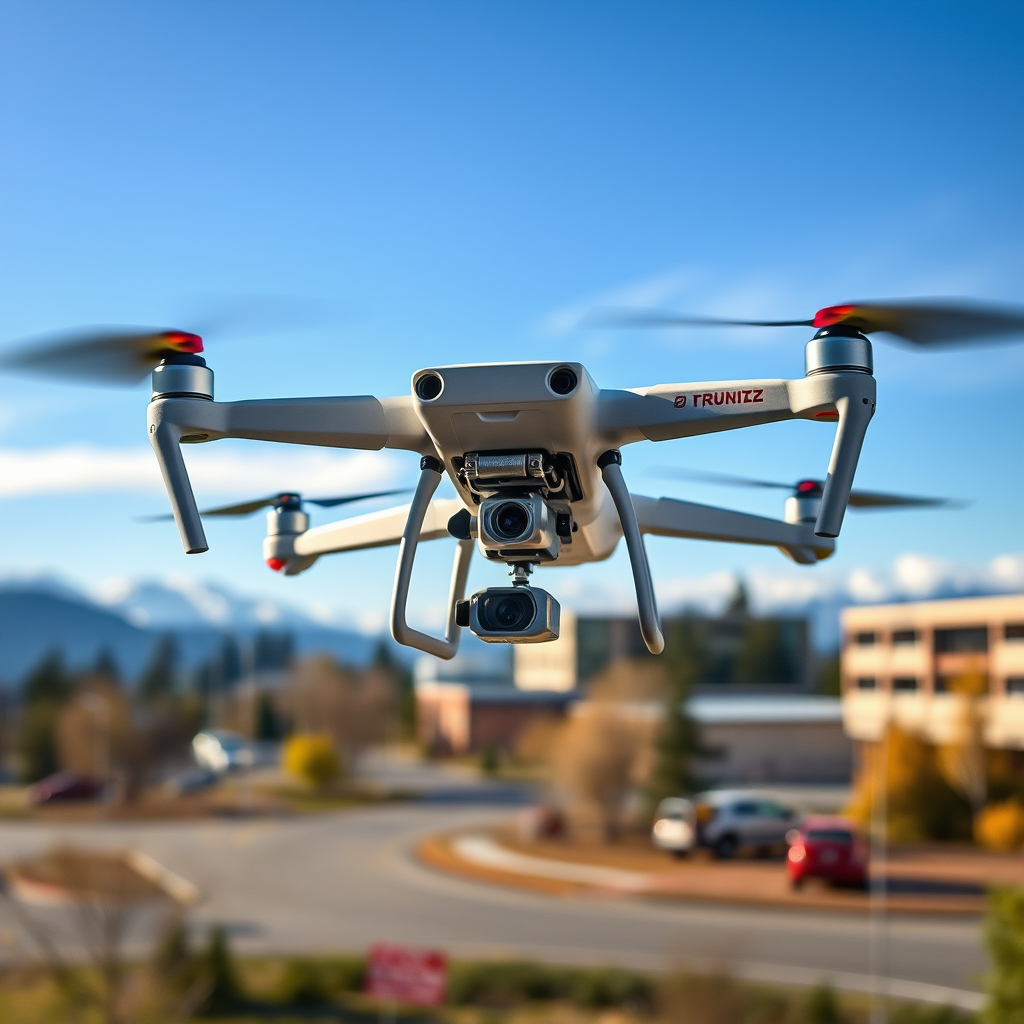
You can fly drones in many areas of Washington State, but specific regulations and guidelines must be followed. Navigating the complex landscape of drone laws is crucial for both safety and compliance, whether you’re a hobbyist looking to capture stunning vistas or a commercial operator seeking to enhance your business. This guide provides an overview of where you can legally operate your drone, the applicable regulations, and the best spots to enjoy flying your drone in Washington State.
Understanding FAA Regulations
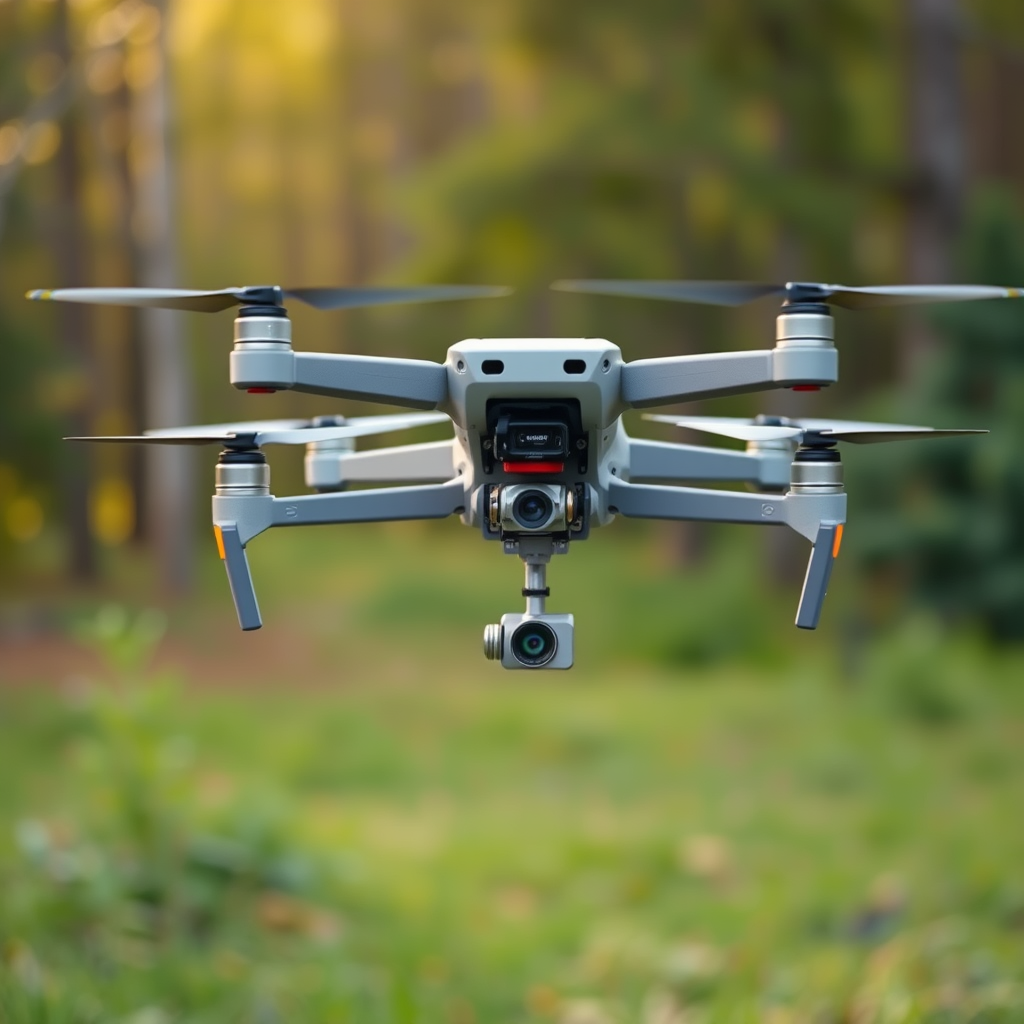
Before taking to the skies, it is essential to familiarize yourself with Federal Aviation Administration (FAA) regulations that govern drone operations. The FAA mandates that all drones weighing over 0.55 pounds (approximately 250 grams) must be registered. Registration is a straightforward process that can be completed online, and it ensures that you are recognized as a responsible drone operator.
For those flying for commercial purposes, adhering to the Part 107 rules is critical. This set of regulations requires operators to obtain a Remote Pilot Certificate after passing an FAA-approved knowledge test. This certification not only affirms your understanding of airspace rules and regulations but also highlights your commitment to safe flying practices. Understanding these regulations is the first step toward ensuring that your drone flights are legal and safe.
Local Laws and Restrictions
While FAA regulations establish a national framework, local laws and restrictions can vary significantly across Washington State. Many cities and counties have implemented specific regulations regarding drone use, which can include designated no-fly zones, restrictions on flying near schools, hospitals, or public events, and requirements for permits in certain areas.
For instance, flying in urban areas like Seattle may be subject to stricter regulations due to congested airspace and proximity to airports. It is advisable to check with local ordinances before flying to avoid potential fines or legal issues. Websites, local government offices, or even drone-friendly apps can provide up-to-date information on regulations specific to your chosen flying location.
Best Places to Fly Drones in Urban Areas
In urban environments, drone enthusiasts have several excellent locations to explore, although care must be taken to adhere to airspace rules. One of the most popular spots is Seattle’s waterfront, where you can capture stunning views of the Seattle skyline against the backdrop of the Puget Sound. However, due to the busy airspace and proximity to commercial flight paths, operators must remain vigilant and follow all regulations.
Gas Works Park, located on the north shore of Lake Union, offers ample open space for recreational flying. The park’s expansive fields and picturesque views of the city make it a favorite among local drone pilots. Just be sure to keep an eye out for other park visitors and maintain a safe distance from people and animals.
Ideal Natural Locations for Drone Flying
Washington State is renowned for its breathtaking natural landscapes, providing drone pilots with unparalleled opportunities for aerial photography and videography. However, many of these locations come with specific regulations that must be adhered to.
Olympic National Park is a prime example of a stunning natural setting where drone flying is permitted, but special permits are required for use. The park’s diverse terrain, ranging from rugged coastline to lush forests, offers incredible aerial shots, making it a must-visit for drone enthusiasts. Always check the National Park Service’s website for the latest updates on drone regulations and permit requirements.
Mount Rainier National Park is another iconic location that has designated areas for drone flying. The park’s awe-inspiring views of the mountain and surrounding wilderness are perfect for capturing stunning imagery. As with Olympic National Park, it is essential to ensure that your drone usage complies with park regulations to minimize the impact on wildlife and maintain the park’s natural beauty.
Popular Drone Events and Communities
Engaging with local drone communities can enhance your flying experience and provide valuable networking opportunities. Washington State hosts a variety of drone meetups and events throughout the year, where enthusiasts can share tips, showcase their skills, and participate in friendly competitions. These gatherings often include workshops on drone maintenance, aerial photography techniques, and regulatory updates.
Additionally, joining online forums and social media groups focused on drone flying in Washington State can be an excellent way to connect with other pilots. Platforms like Facebook and Reddit host vibrant drone communities where members share their experiences, recommend flying locations, and provide support to new pilots navigating the complexities of drone operation.
Safety Tips for Flying Drones
Safety should always be a top priority when flying drones. To ensure a safe flying experience, always maintain visual line of sight with your drone. This practice not only helps you avoid obstacles but also ensures compliance with FAA regulations.
Before flying, check the weather conditions to avoid flying in adverse conditions such as high winds or rain, which can affect your drone’s performance. Additionally, it’s crucial to avoid flying near people, animals, and sensitive areas to minimize risks and ensure a positive experience for everyone involved. Carrying out a pre-flight checklist can help you verify that your equipment is in good working order and that you are aware of your surroundings.
Resources for Drone Pilots
Several resources are available to assist drone pilots in Washington State, ensuring they stay informed and compliant with regulations. The Washington State Department of Transportation provides a wealth of information regarding drone operation, including guidelines, registration details, and safety tips. Their website serves as a comprehensive resource for both novice and experienced pilots.
Moreover, there are various apps and tools available that can help you identify no-fly zones and understand airspace classifications. These tools can be invaluable for planning your flights and ensuring that you are operating within the legal framework. Popular apps like AirMap and DJI’s Fly Safe feature interactive maps that highlight airspace restrictions, making it easier for pilots to navigate their flying locations safely.
In summary, Washington State offers a diverse range of locations for drone flying, from bustling urban areas to stunning natural landscapes. By understanding and adhering to FAA regulations, local laws, and safety practices, drone enthusiasts can enjoy a rewarding and compliant flying experience. Always stay informed about the latest updates and connect with fellow pilots to enhance your skills and knowledge. Happy flying!
Frequently Asked Questions
What are the drone flying regulations in Washington State?
In Washington State, drone operators must adhere to both federal and state regulations. The Federal Aviation Administration (FAA) mandates that drones must be flown below 400 feet, away from people, and not in restricted airspace. Additionally, Washington law prohibits flying drones over state parks, certain public facilities, and wildlife areas without permission. It is essential for drone pilots to familiarize themselves with these regulations to ensure safe and legal flying.
Where are the best locations to fly drones in Washington State?
Some of the best locations to fly drones in Washington State include the scenic landscapes of Mount Rainier National Park, the picturesque coastline of Olympic National Park, and the vast open spaces of the Columbia River Gorge. Urban areas like Seattle and Spokane also offer unique opportunities, but it’s crucial to check local regulations to avoid restricted airspace. Always seek open areas away from people and structures for a safe flight experience.
How can I find no-fly zones when flying my drone in Washington State?
To find no-fly zones when flying your drone in Washington State, use resources like the FAA’s B4UFLY app, which provides real-time information on airspace restrictions and no-fly zones. Additionally, you can consult sectional charts and local drone community forums to stay updated on any temporary flight restrictions. Proper planning is key to ensuring a safe flight while avoiding areas where drone usage is prohibited.
Why is it important to register my drone before flying in Washington State?
Registering your drone is crucial because it helps ensure compliance with FAA regulations, which require all drones weighing over 0.55 pounds to be registered. This registration not only promotes responsible drone use but also assists in identifying the owner in case of incidents or violations. In Washington State, failure to register can lead to fines and penalties, so it’s best to take this step before flying.
Which organizations or groups can help me learn more about drone flying in Washington State?
Numerous organizations can assist you in learning about drone flying in Washington State. The Washington State UAS (Unmanned Aircraft Systems) Association offers resources, training, and community support for drone enthusiasts. Additionally, the Academy of Model Aeronautics (AMA) provides valuable educational materials and local clubs where you can connect with experienced pilots. Joining these groups can enhance your knowledge and ensure safer flying practices.
References
- https://www.faa.gov/uas/getting_started/where_to_fly
- https://www.faa.gov/uas/
- https://www.dronerescue.org/drones-in-washington-state/
- https://www.wsdot.wa.gov/Travel/DroneFlight
- https://www.washington.edu/uwired/outreach/teaching/learning/faq/drones.html
- https://www.washington.gov/
- https://www.washington.edu/uwired/outreach/teaching/learning/faq/drones.html
- https://www.nps.gov/articles/drone-regulations.htm
