
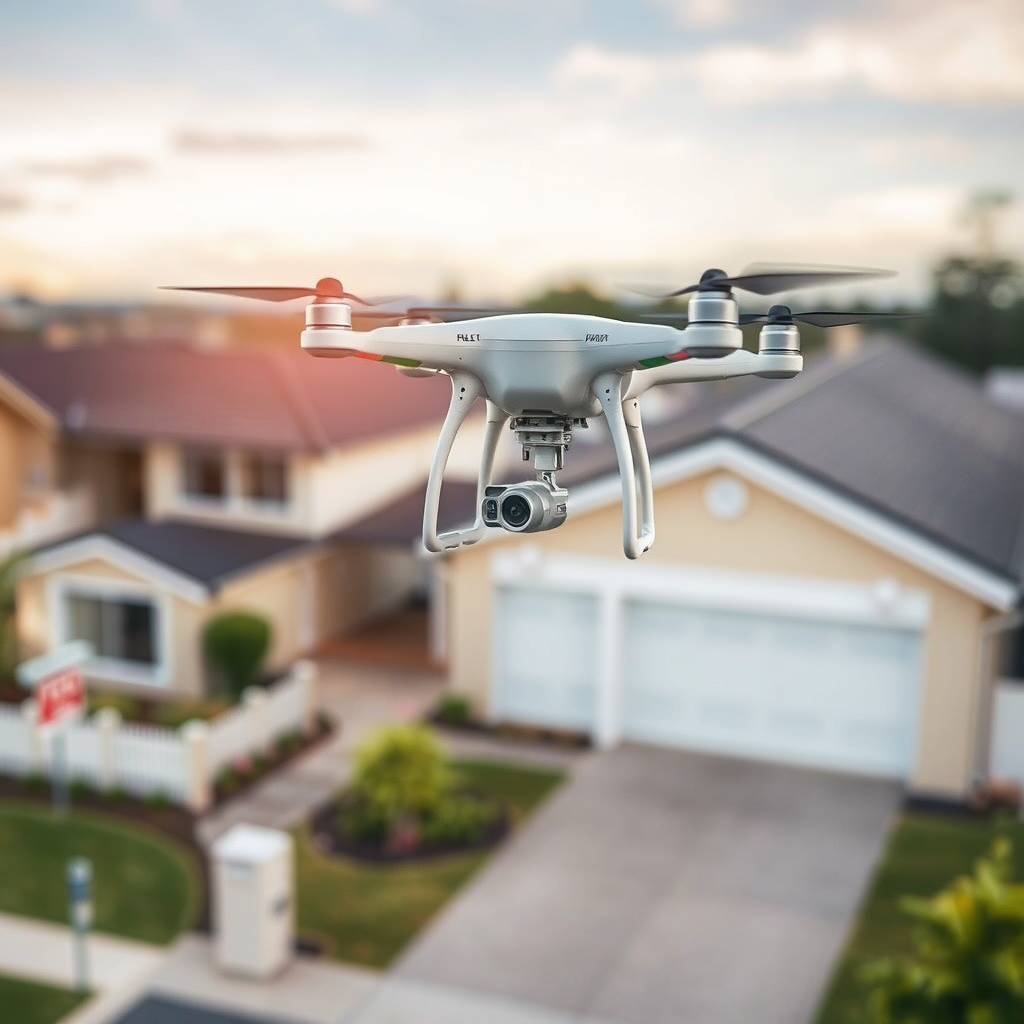
Yes, drones can fly over private property in Australia, but there are specific regulations and restrictions that operators must follow. Understanding these laws is crucial for drone enthusiasts and commercial operators to avoid potential legal issues. With the increasing popularity of drone technology, it is essential for operators to navigate the complexities of Australian drone regulations, privacy concerns, and local laws to ensure a responsible and lawful flying experience.
Understanding Australian Drone Regulations
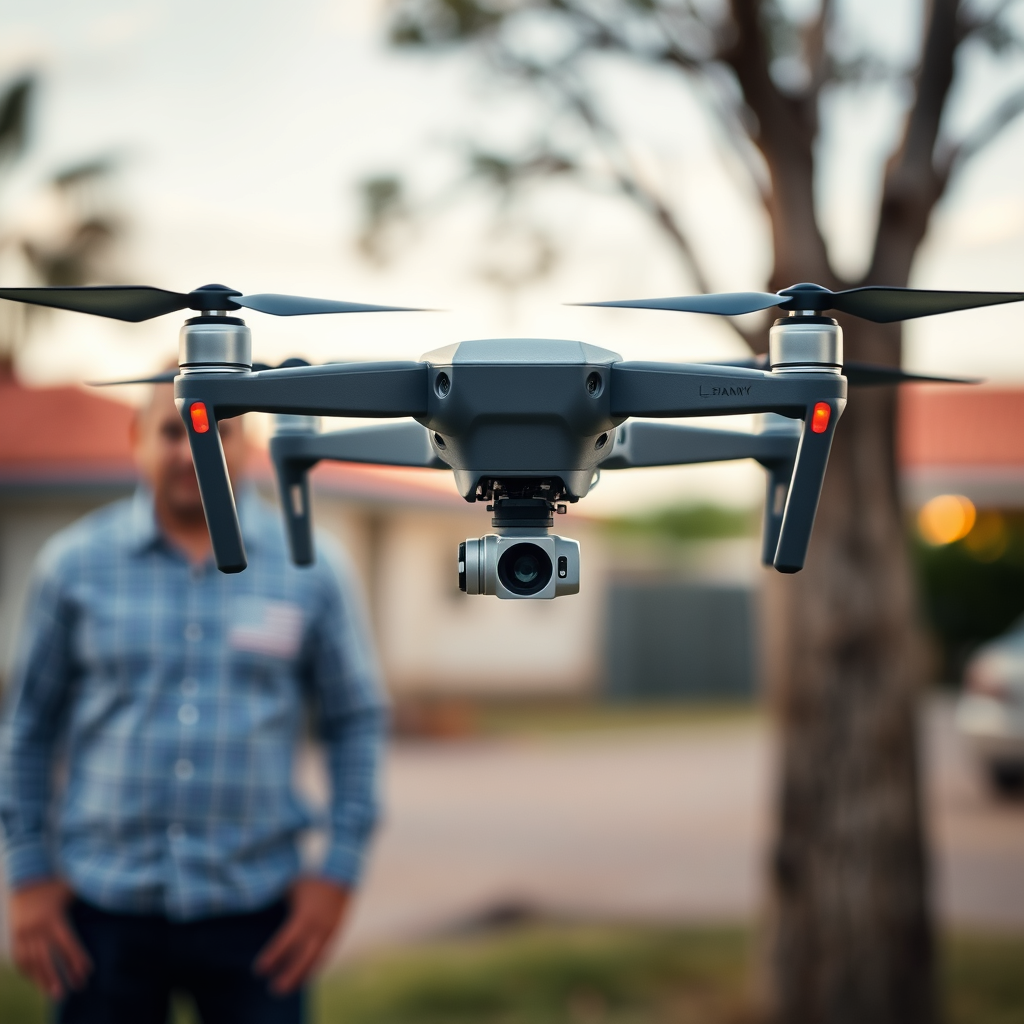
The Civil Aviation Safety Authority (CASA) is the primary regulatory body overseeing drone usage in Australia. CASA has established a comprehensive framework for the operation of Remotely Piloted Aircraft Systems (RPAS), which encompasses both recreational and commercial drone use. Operators must familiarize themselves with the key regulations outlined in the Civil Aviation Safety Regulations (CASR) Part 101, which governs the safe use of drones.
For instance, drone operators must comply with specific operational limitations, such as flying below 120 meters (400 feet) above ground level, maintaining a visual line of sight with their drones, and not flying within 30 meters of people. Commercial operators must also obtain a Remote Pilot License (RePL) and, in many cases, a Remote Operator’s Certificate (ReOC) if they intend to use drones for business purposes. Understanding these regulations is vital for ensuring that drone operations remain compliant and safe.
Privacy Laws and Drone Use
Australia has stringent privacy laws designed to protect individuals’ rights, particularly regarding their personal space and property. The Privacy Act 1988 and various state laws address the use of cameras and surveillance devices, thereby impacting drone operators. Flying a drone over private property can lead to privacy breaches if the drone captures images or recordings without the property owner’s consent.
For example, if a drone inadvertently records someone on their private property or captures footage of their home without permission, the operator may be infringing on privacy laws. This could lead to complaints or legal actions from the affected individuals. It is essential for drone operators to be aware of these privacy considerations and to take proactive measures to avoid potential violations.
No-Fly Zones and Restrictions
In addition to CASA regulations, certain areas are designated as no-fly zones, where drone operations are strictly prohibited. These include locations near airports, military bases, and certain emergency sites. No-fly zones are established to maintain safety and security, and violating these restrictions can have serious consequences.
Local councils may also impose additional restrictions on drone flights in public spaces, such as parks or crowded areas. For instance, a council may require permits for drone use during events or restrict flying during specific hours to minimize disturbances. It is vital for operators to research and understand local regulations before conducting any flights to ensure compliance with both national and local laws.
Responsibilities of Drone Operators
Drone operators bear significant responsibility for ensuring the safety and legality of their flights. One of the primary responsibilities is to maintain a visual line of sight with their drone at all times, which helps prevent accidents and ensures the operator is aware of their surroundings. This includes being vigilant about other aircraft, people, and obstacles in the area.
Moreover, operators must respect the privacy and property rights of others while flying. This means avoiding flights directly over private properties unless permission has been obtained and being cautious not to infringe on the privacy of individuals. Operators should conduct pre-flight assessments to identify potential risks and ensure that their operations do not disturb or intrude upon others.
Seeking Permission from Property Owners
While it is not always legally required to obtain permission from property owners before flying over their property, doing so is highly recommended. Seeking permission can prevent disputes and foster good neighborly relations, particularly if the drone operation is for recreational purposes or filming.
For example, if a drone operator wishes to capture aerial footage for a personal project, reaching out to the property owner can help clarify intentions and alleviate any concerns. In commercial scenarios, such as real estate photography, gaining explicit permission is often a standard practice that not only avoids legal complications but also enhances the professional reputation of the operator.
Consequences of Illegal Drone Flights
Failing to comply with established drone regulations can result in significant consequences for operators. CASA has the authority to impose fines and penalties for non-compliance with the regulations. For example, flying in restricted airspace or failing to maintain visual line of sight could lead to fines ranging from hundreds to thousands of dollars, depending on the severity of the infraction.
Additionally, property owners may take legal action against drone operators if their privacy is violated. This could result in civil lawsuits, further legal costs, and potential damages awarded to the property owner. Therefore, it is imperative for drone operators to adhere strictly to regulations and respect the rights of others to avoid such repercussions.
In conclusion, while flying a drone over private property in Australia is permissible, operators must adhere to the regulations set forth by CASA and respect the privacy of others. Understanding Australian drone laws, being mindful of privacy issues, and seeking permission from property owners can significantly enhance the flying experience and minimize legal risks. Always stay informed about local laws and regulations to ensure a responsible and enjoyable operation of drone technology.
Frequently Asked Questions
Can a drone legally fly over private property in Australia?
In Australia, the law permits drones to fly over private property, but operators must adhere to regulations set by the Civil Aviation Safety Authority (CASA). While the airspace is generally considered public, drone pilots must respect the privacy and rights of property owners. It is advisable to obtain permission from the property owner to avoid potential disputes or legal issues.
What are the restrictions for flying drones over private land in Australia?
While drones can fly over private land, there are specific restrictions to keep in mind. Operators must maintain a visual line of sight and avoid flying above 120 meters (400 feet) without permission. Additionally, drone flights must not interfere with manned aircraft, and pilots should not capture images or data in a way that violates privacy laws. Always check local regulations, as some areas may have further limitations.
How can I get permission to fly a drone over someone’s property in Australia?
To fly a drone over private property in Australia, the best approach is to directly contact the property owner and request permission. Clearly explain your intentions and the purpose of your flight, whether it’s for recreational use or professional photography. Documenting this permission can help avoid misunderstandings and provide legal protection if needed.
Why is it important to consider privacy when flying drones over private property?
Privacy is a significant concern when flying drones over private property in Australia, as capturing images or video without consent may breach privacy laws. Respecting individual privacy not only fosters good relationships with property owners but also mitigates the risk of legal repercussions. Always be mindful of your drone’s capabilities, especially with regard to surveillance and data collection.
Which resources can help me understand drone regulations for flying over private property in Australia?
To understand drone regulations for flying over private property in Australia, the Civil Aviation Safety Authority (CASA) website is the most comprehensive resource. They provide guidelines, safety rules, and updates on drone laws. Additionally, local government websites may have specific regulations for your area, and joining drone pilot forums can offer valuable insights and experiences from other drone enthusiasts.
References
- https://www.abc.net.au/news/2021-01-01/drone-laws-in-australia/13030786
- https://www.civicscape.com/drones-and-private-property-in-australia/
- https://www.legislation.gov.au/Details/F2019C00636
- https://www.aus.gov.au/information/drone-regulations
- https://www.oaic.gov.au/privacy/guidance-and-advice/using-drones-in-australia
- https://www.abc.net.au/news/2020-07-21/australian-drone-laws/12437194
