
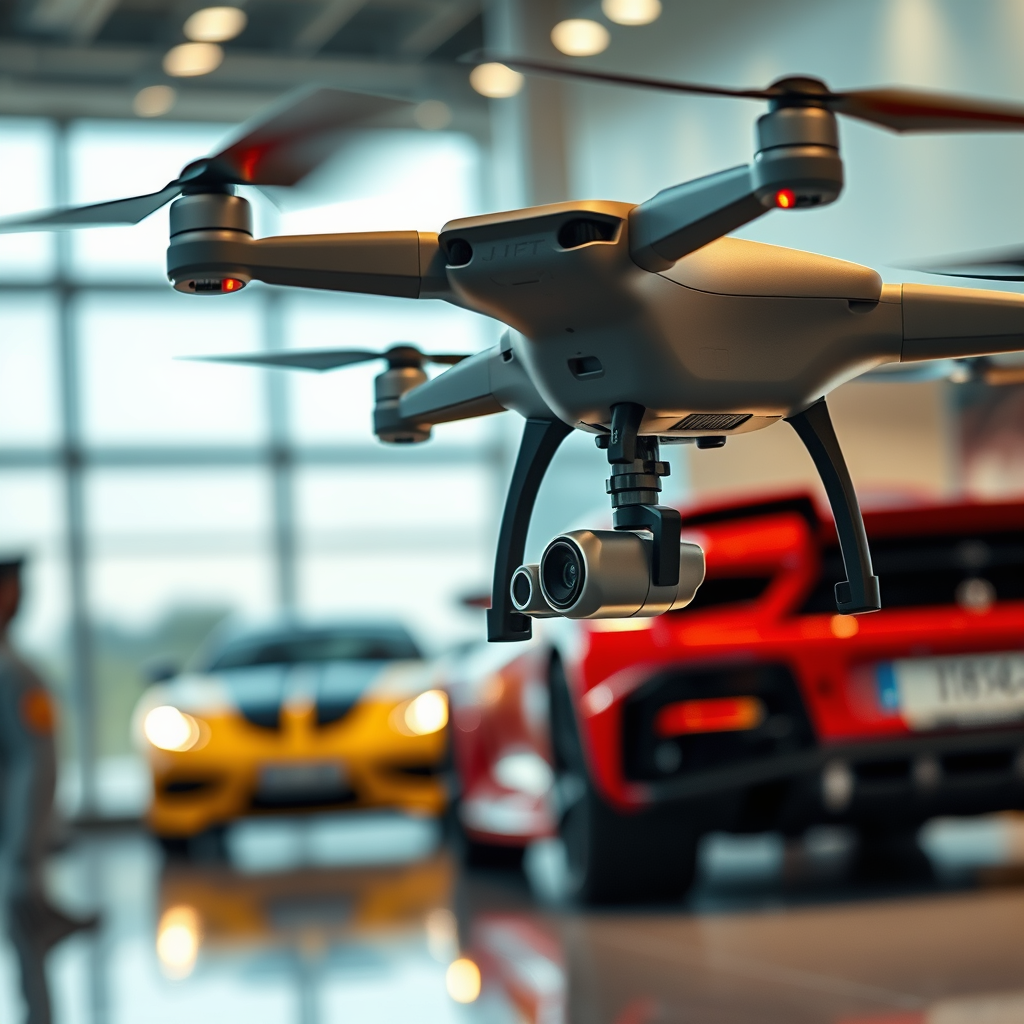
Yes, a drone can hover in place, thanks to its ability to control lift and thrust. This capability allows drones to maintain a stable position in the air, which is essential for various applications such as photography, surveying, and search-and-rescue missions. By adjusting the speed of its rotors and utilizing advanced stabilization technology, a drone can remain stationary in the air, providing a reliable platform for numerous tasks. In this blog post, we will delve deeper into the mechanics of hovering in drones, the types of drones that can achieve this, the factors that influence their hovering ability, and the practical applications and challenges associated with this functionality.
How Drones Achieve Hovering
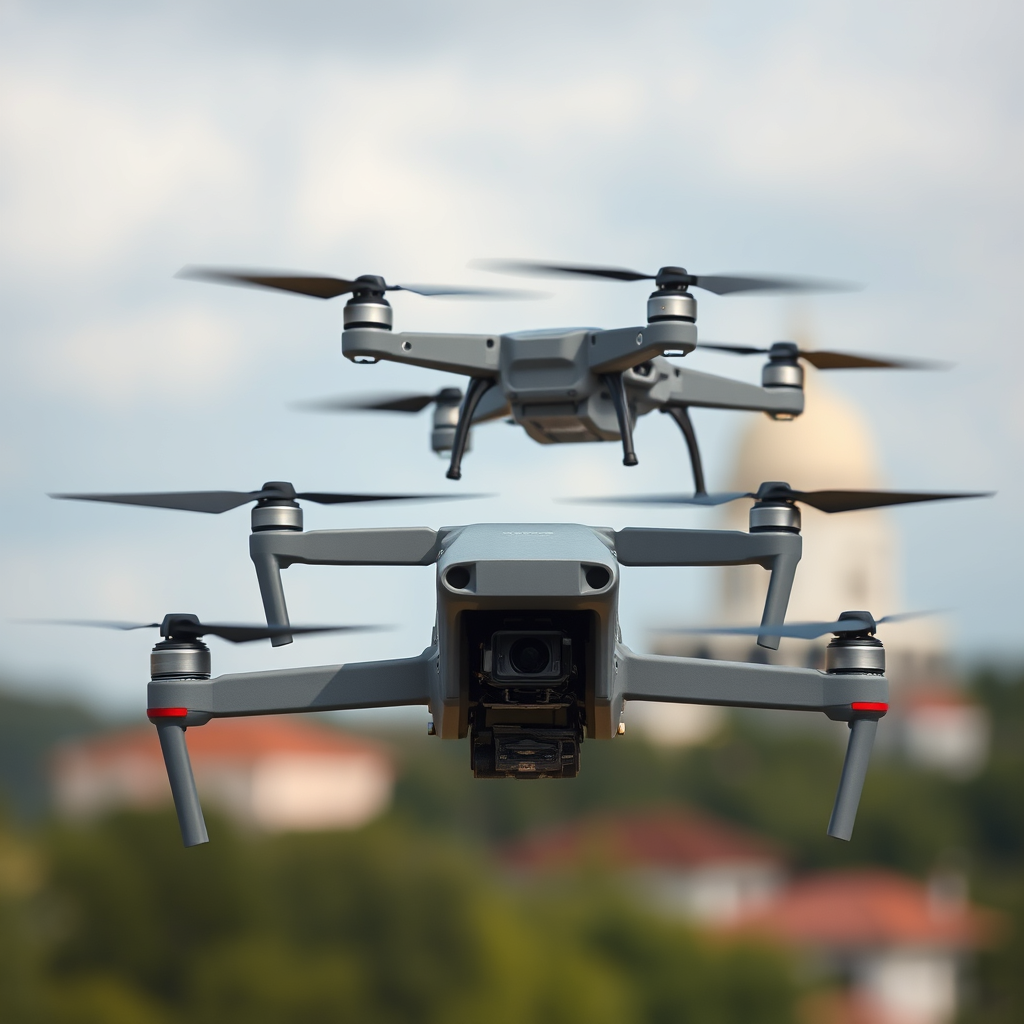
Drones use rotors to generate lift, which counteracts the force of gravity acting on them. When a drone’s rotors spin, they create a difference in air pressure above and below the blades, resulting in upward thrust. For a drone to hover, the lift produced by its rotors must equal the weight of the drone. This balance allows the drone to maintain a stable altitude.
Advanced sensors play a critical role in maintaining stability and orientation while hovering. Most modern drones are equipped with a combination of gyroscopes, accelerometers, and barometers that continuously monitor the drone’s position and movement. For instance, the gyroscope detects any tilt or rotation, while the accelerometer measures changes in speed and direction. This information is processed by the drone’s flight controller, which adjusts the rotor speeds in real time to counteract any disturbances, such as wind or pilot input. In addition, GPS technology can aid in maintaining position accuracy, allowing the drone to hover with precision even in challenging conditions.
Types of Drones Capable of Hovering
Multirotors, such as quadcopters and hexacopters, are the most common types of drones capable of hovering. Quadcopters, which have four rotors, are particularly popular due to their simplicity and stability. Each rotor can be controlled independently, allowing for fine adjustments in lift and thrust, thus facilitating precise hovering. This design makes them ideal for applications like aerial photography, where a stable camera platform is essential.
On the other hand, fixed-wing drones are generally not designed for hovering. These drones rely on forward motion to generate lift through their wings. While some fixed-wing drones can perform short, vertical takeoffs and landings (VTOL), they require additional mechanisms—such as rotors or tilting wings—to achieve true hovering capability. Consequently, fixed-wing drones are more suited for long-distance flights and applications that require extensive coverage, like agricultural monitoring.
Factors Affecting Hovering Ability
Several factors can influence a drone’s ability to hover effectively. One of the most significant is wind conditions. Wind can create turbulence around the drone, making it challenging to maintain a stationary position. Drones equipped with advanced stabilization systems can counteract minor gusts, but strong winds may push the drone off course, requiring constant adjustments from the pilot or the autopilot system.
Battery power is another critical factor affecting a drone’s hovering ability. The amount of lift a drone can generate is directly related to the power output of its motors, which is dependent on battery charge. When the battery is low, the drone may struggle to maintain altitude, resulting in decreased stability and control. As such, operators must monitor battery life closely, especially during tasks that require extended hovering.
Applications of Hovering Drones
Hovering capabilities make drones invaluable across various industries. Aerial photography and videography greatly benefit from the stability provided by hovering drones. For instance, real estate agents use drones to capture high-quality images and videos of properties from unique angles, enhancing marketing efforts and attracting potential buyers. Similarly, filmmakers utilize drones to create stunning aerial shots that add production value to their projects.
In agriculture, hovering drones are employed for crop monitoring and health assessments. Farmers can use drones equipped with specialized sensors to gather data on crop conditions without the need for extensive ground surveys. By hovering over specific areas, these drones can capture detailed images and data that help farmers make informed decisions about irrigation, fertilization, and pest control.
In search-and-rescue operations, hovering drones provide crucial support by delivering real-time aerial footage of disaster-stricken areas. This capability allows emergency responders to assess situations quickly and deploy resources effectively, potentially saving lives.
Challenges of Hovering
While hovering is a beneficial capability, it does come with its challenges. One major issue is battery life. Drones that hover continuously consume power at a higher rate than those that are in motion, leading to quicker battery depletion. Operators need to plan accordingly, ensuring that they have sufficient battery capacity for their intended tasks and allowing for safe landings.
Another challenge is the requirement for constant adjustments to maintain altitude. This can be particularly demanding in turbulent weather conditions or when dealing with varying payloads. Pilots must be skilled in making rapid corrections to maintain stability, or they risk losing control of the drone. Autopilot systems can help alleviate some of this burden, but they are not foolproof and may require human oversight.
Tips for Effective Hovering
To maximize hovering performance, operators should consider several practical tips. First and foremost, practice in calm weather conditions. Wind can significantly disrupt a drone’s ability to hover, so starting in a sheltered environment will help improve control and confidence.
Additionally, utilizing GPS and altitude hold features can greatly enhance hovering stability. GPS functionality allows the drone to lock onto a specific position, making it easier to maintain a fixed point in the air. The altitude hold feature helps regulate the drone’s height, allowing pilots to focus on orientation without constantly adjusting the throttle.
Moreover, familiarizing oneself with the drone’s controls and features through simulations or practice flights can lead to better hovering performance. Understanding how to react to various situations—such as sudden wind gusts or loss of signal—will enhance the pilot’s ability to maintain control during critical moments.
In conclusion, drones can indeed hover in place, making them versatile tools for a variety of uses. Understanding the mechanics behind this ability can help users maximize their drone’s potential. From aerial photography to agricultural monitoring and search-and-rescue operations, the ability to hover provides a stable platform for countless applications. By recognizing the factors that affect hovering ability and implementing effective strategies, both hobbyists and professionals can enhance their flying experience and harness the full potential of their drones.
Frequently Asked Questions
Can a drone hover in place without any external assistance?
Yes, most modern drones are designed to hover in place using GPS or visual positioning systems. These technologies allow the drone to maintain a stable position by constantly adjusting its motors based on sensor data. Drones equipped with GPS can hold their position relatively well outdoors, while those with visual sensors perform better indoors or in areas with limited satellite reception.
How do drones maintain their position while hovering?
Drones maintain their position while hovering through a combination of sensors and flight control systems. The primary sensors include GPS for location tracking and accelerometers and gyroscopes for stability control. The flight controller processes data from these sensors to make real-time adjustments to the drone’s motors, ensuring it remains stationary despite wind or other external forces.
Why is hovering important for drone photography and videography?
Hovering is crucial for capturing high-quality aerial photos and videos, as it allows the drone to stay steady while shooting. This stability minimizes motion blur and helps achieve clearer, more professional-looking images. Additionally, hovering allows the operator to frame shots precisely, ensuring that the desired subject is centered and in focus.
What is the best type of drone for hovering capabilities?
The best type of drone for hovering capabilities typically features advanced stabilization technology and reliable GPS systems. For instance, quadcopters, like the DJI Phantom series or the Mavic Air, are known for their excellent hovering performance due to their multiple rotors and sophisticated control systems. When choosing a drone, look for one with a strong flight controller and good battery life to maximize hovering time.
Which factors can affect a drone’s ability to hover effectively?
Several factors can impact a drone’s ability to hover effectively, including wind conditions, the drone’s weight, battery life, and the quality of its sensors. Strong winds can cause instability, making it difficult for the drone to maintain its position. Additionally, if the drone is overloaded or has a depleted battery, its hovering performance may suffer, potentially leading to loss of control or drift.
References
- https://en.wikipedia.org/wiki/Drone
- https://www.nasa.gov/feature/what-is-a-drone
- https://www.faa.gov/uas/getting_started/what_is_a_drone
- https://www.researchgate.net/publication/330216123_A_Survey_of_Drone_Hovering_Stability_Approaches
- https://www.sciencedirect.com/science/article/pii/S1877050920306649
- https://www.abc.net.au/news/science/2021-05-19/how-drones-hover/100145340
- https://www.theguardian.com/technology/2021/mar/30/how-drones-work-what-you-need-to-know
- https://www.uwaterloo.ca/engineering-ideas/what-is-a-drone-and-how-does-it-work
- https://www.nist.gov/news-events/news/2021/05/drones-are-here-how-they-hover-and-fly
