

Yes, DJI drones can fly in light rain, but it’s important to understand the limitations and risks involved. Many DJI models are designed with some degree of water resistance, allowing for operation in light moisture conditions. However, flying in heavy rain can pose significant risks, including potential damage to the drone and compromised performance. This article will explore the specifics of flying DJI drones in rain, safety precautions, and maintenance tips to ensure your drone remains in optimal condition.
Understanding Water Resistance in DJI Drones
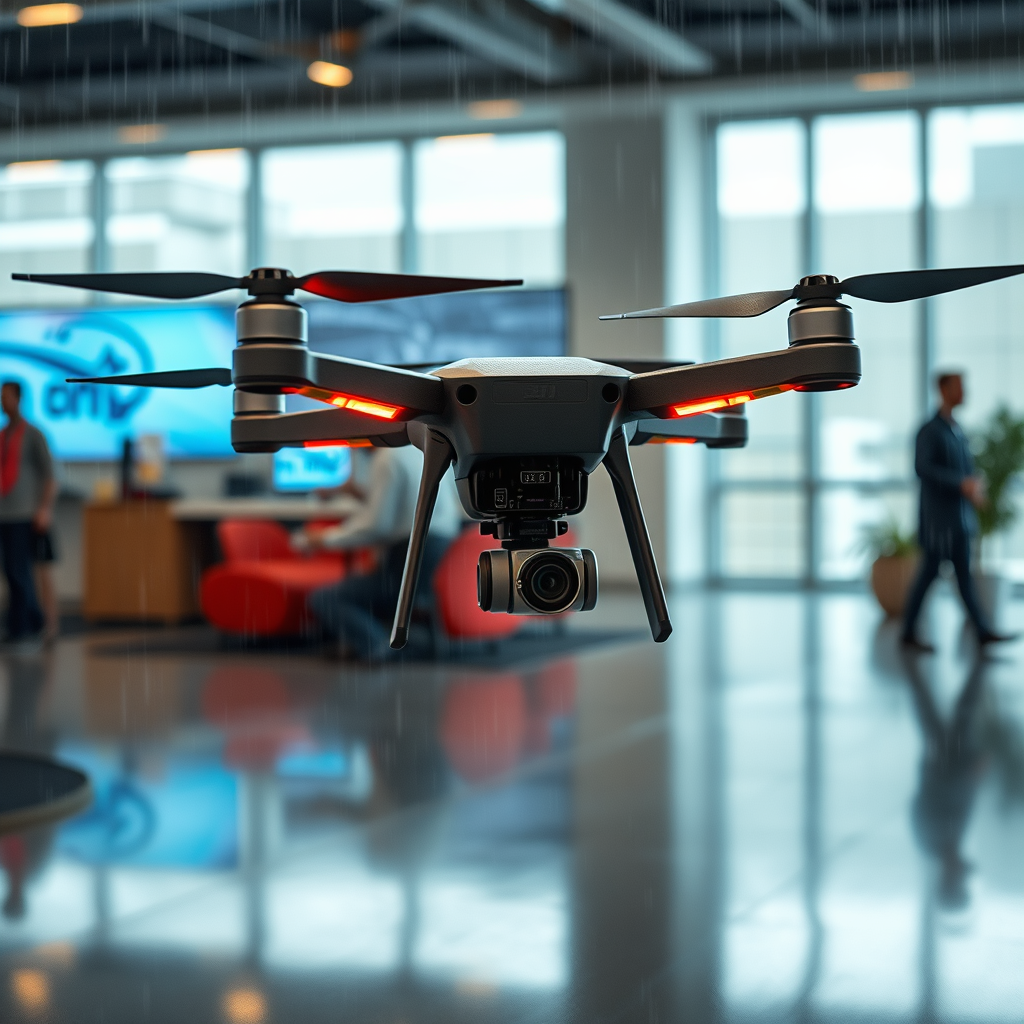
Most DJI drones come equipped with a water resistance rating, which is typically designed for light moisture exposure. Water resistance ratings can vary significantly between models; for instance, the DJI Mavic Air 2 is better equipped to handle light rain than the DJI Phantom 4, which is not rated for any exposure to moisture. Therefore, it is crucial to check the specifications of your specific model before flying in rain. DJI’s user manuals provide detailed information about the water resistance capabilities, specifying the conditions under which the drone can be safely operated. Understanding these limits will help you make informed decisions when faced with inclement weather.
While water resistance is a valuable feature, it is essential to note that it does not equate to waterproof. Even with a water resistance rating, prolonged exposure to heavy rain or water can lead to moisture ingress, which can severely damage electronic components and impair functionality. Thus, operating under the assumption that your drone is fully waterproof can lead to costly repairs or replacement.
Risks of Flying in Rain
Flying a drone in rain presents several risks that any operator must consider. One of the most significant dangers is water damage to the drone’s electronic components, which can lead to malfunction or failure mid-flight. Moisture can seep into sensitive areas such as the battery compartment, cameras, and GPS modules, potentially leading to short circuits or erratic behavior. For example, if water penetrates the gimbal assembly, it could disrupt stabilization and result in shaky footage or even cause the camera to fail entirely.
Additionally, flying in rain can reduce visibility, making it difficult to maintain control of the drone. Rain can obscure the operator’s line of sight, particularly when flying at a distance or at higher altitudes. This lack of visibility increases the likelihood of accidents, such as collisions with trees, buildings, or other obstacles. Furthermore, wet conditions can create slippery surfaces, increasing the risk of losing control upon landing. For these reasons, it is vital to assess both the weather conditions and your flying environment before launching your drone in rainy weather.
Best Practices for Flying in Light Rain
If you decide to fly your DJI drone in light rain, implementing best practices can help minimize risks. First, opt for low-altitude flights. Keeping your drone closer to the ground reduces the risk of water exposure and enhances your ability to maintain visual contact with your aircraft. Low-altitude flying also shortens the distance between the drone and your control inputs, improving responsiveness and reducing the chance of losing control.
It is also crucial to avoid flying when rain is accompanied by strong winds or thunderstorms. Wind can exacerbate the effects of rain by pushing water into areas that are otherwise protected and can make controlling the drone exceedingly difficult. Moreover, thunderstorms pose an additional risk due to lightning and unpredictable wind patterns, which can lead to catastrophic accidents. Always check weather forecasts and real-time conditions before taking off.
How to Protect Your Drone from Rain
To further safeguard your drone from rain, consider using a drone cover or a waterproof bag specifically designed for aerial equipment. These accessories can provide an extra layer of protection against moisture, especially during light rain. When selecting a cover, ensure it does not obstruct any sensors or cameras, as this could hinder performance.
Before flying in wet conditions, double-check that all ports and openings are sealed correctly. This includes ensuring that the battery compartment is securely closed and that any exposed connectors are protected. Using silicone grease on connections can provide additional moisture protection. Additionally, consider conducting a pre-flight inspection to identify any potential vulnerabilities in your drone’s design that could allow water ingress.
Maintenance Tips After Flying in Rain
Proper maintenance after flying in the rain is crucial for ensuring the longevity and performance of your drone. After exposure to moisture, thoroughly clean and dry your drone as soon as possible. Use a soft, lint-free cloth to wipe down the exterior and gently remove any water from the camera lens and sensors. It is advisable to let the drone air dry in a warm, dry environment to ensure that all moisture evaporates.
Regularly checking for signs of corrosion or damage in electronic components is another essential maintenance practice. Inspect the drone’s internal parts, especially after flying in challenging weather conditions. If you notice any signs of rust or corrosion, it may be necessary to replace affected components to prevent further damage. Additionally, consider utilizing an electronics-safe spray to protect internal circuits from moisture.
Alternatives to Flying in Rain
If the weather conditions are unfavorable for flying, there are several alternatives to consider that can still engage your interest in drone technology. Indoor flying options, such as flying in a gym or large indoor space, can provide a controlled environment that eliminates the risk of rain and wind. Many drones are designed for indoor use and can be operated safely without the threat of moisture.
Alternatively, you might explore drone simulators that allow you to practice flying in various weather conditions without the risk of damaging your equipment. These simulators provide a realistic experience, helping you to improve your piloting skills and prepare for real-world flying. Additionally, consider engaging in related activities, such as researching drone technology advancements or participating in online forums and communities dedicated to drone enthusiasts.
In conclusion, while DJI drones can handle light rain, it is crucial to exercise caution and follow best practices to protect your equipment. Understanding the limitations of water resistance, recognizing the risks of flying in rain, and following maintenance protocols can help ensure that your drone remains functional and safe. Always prioritize safety, and when the weather isn’t ideal, consider alternatives to outdoor flying. Happy flying!
Frequently Asked Questions
Can DJI drones fly in the rain?
Most DJI drones are not designed for flying in heavy rain or adverse weather conditions. While some models, like the DJI Matrice series, may have certain water-resistant features, it is generally advised to avoid flying in wet conditions. Rain can impair visibility, affect battery performance, and potentially damage the drone’s electronic components, leading to safety risks and costly repairs.
What should I do if it starts to rain while flying my DJI drone?
If it begins to rain while you are flying your DJI drone, the best course of action is to land the drone immediately and safely. Make sure to avoid landing in areas that may be dangerous or inaccessible. Monitoring the weather conditions before and during your flight can help prevent this situation, but if it occurs, prioritize the safety of your drone and the surrounding environment.
Are there any DJI drones that are waterproof or water-resistant?
While no DJI drones are completely waterproof, certain models like the DJI Matrice 300 RTK and the DJI Mavic 2 Enterprise Dual have some level of water resistance. However, this does not mean they can be flown in heavy rain; they may withstand splashes or light moisture but should still be kept away from prolonged exposure to water. Always refer to the specific model’s user manual for detailed information on its environmental tolerances.
Why is it risky to fly a DJI drone in the rain?
Flying a DJI drone in the rain poses several risks, including damage to the drone’s internal electronics and compromised flight stability. Water can cause short-circuits, leading to complete failure of the drone during flight. Additionally, rain can obstruct camera lenses, reducing image quality and making it challenging to navigate or control the drone effectively.
What are the best practices for flying a DJI drone in different weather conditions?
To ensure safe and effective drone operation, always check the weather forecast before flying and avoid flying in adverse conditions such as rain, snow, or strong winds. Use the drone’s features, like GPS and sensors, to help maintain stability, but never rely solely on them when flying in challenging weather. Finally, consider investing in a drone with enhanced weather resistance if you frequently encounter unpredictable weather, and always carry out pre-flight checks to ensure that all systems are functioning properly.
References
- https://www.wired.com/story/dji-drone-flying-in-rain
- https://www.dronepilotgroundschool.com/can-you-fly-a-drone-in-the-rain/
- https://www.faa.gov/uas/getting_started/flying_safely/
- https://www.reuters.com/technology/dji-mavic-air-2-review-2020-04-27/
- https://www.droneblog.com/2021/06/01/can-you-fly-a-drone-in-the-rain/
