

Yes, you can fly a drone in Class C airspace, but you must follow specific regulations and obtain permission from Air Traffic Control (ATC). Understanding these rules is crucial for safe and legal drone operations in these controlled spaces. Class C airspace is characterized by its proximity to airports with moderate levels of air traffic, making it essential for drone operators to be well-informed about the requirements for flying in such areas.
Understanding Class C Airspace
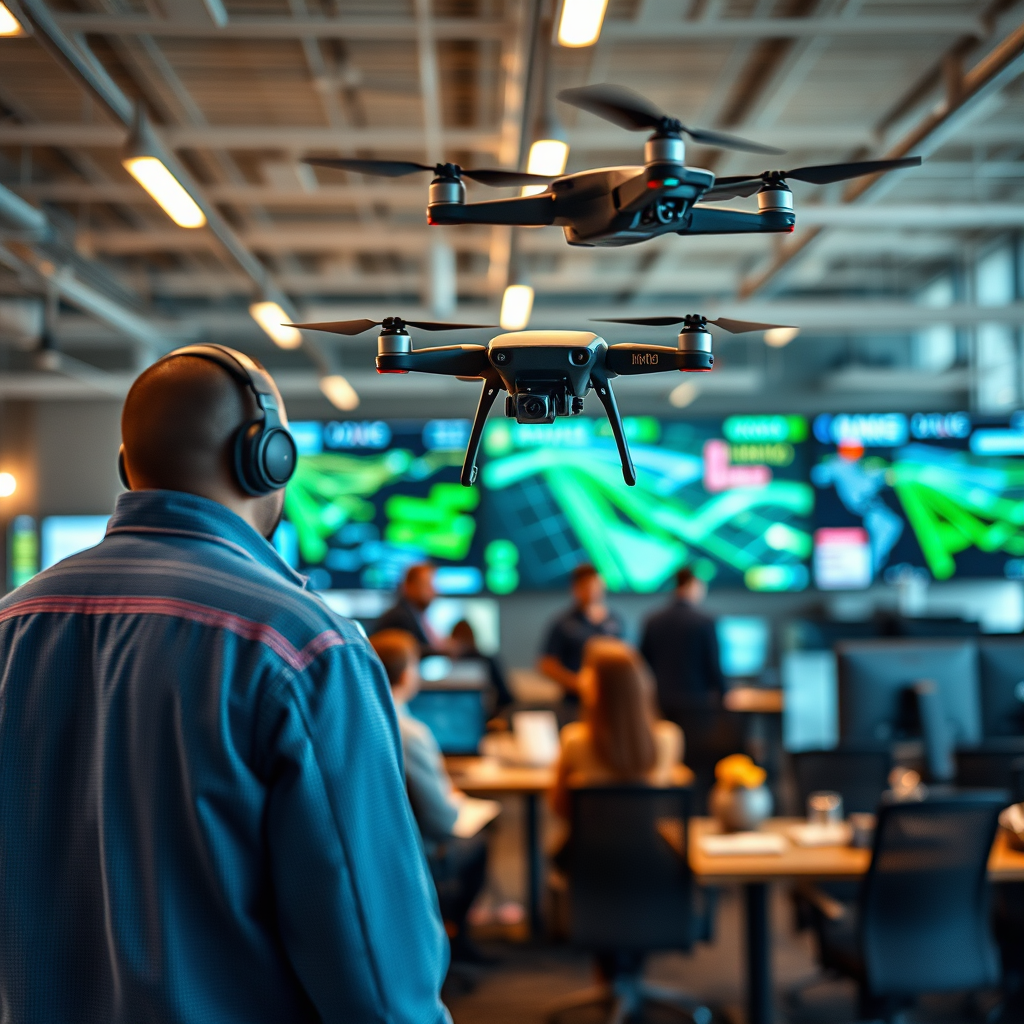
Class C airspace typically surrounds airports that experience a significant amount of commercial and general aviation traffic. It is designed to facilitate safe operations for both manned aircraft and drones while providing necessary air traffic services. The dimensions of Class C airspace generally extend from the surface up to 4,000 feet above ground level, surrounding the airport in a cylindrical shape. The airspace typically has an inner core, where ATC provides radar services, and an outer area that may still require communication with ATC but is less restrictive.
For drone operators, understanding the specific boundaries and characteristics of Class C airspace is vital. This information helps ensure compliance with regulations and enhances situational awareness during flight operations. Resources like FAA charts and online tools can assist pilots in identifying Class C airspace and its dimensions.
FAA Regulations for Drone Operations
To legally operate a drone in Class C airspace, adherence to FAA regulations is mandatory. First and foremost, you must possess a valid Remote Pilot Certificate issued by the FAA. This certification demonstrates that you have completed the necessary training and understand the rules governing drone operations.
In addition to the certification, compliance with Part 107 regulations is essential for commercial drone operations. Part 107 outlines various operational requirements, including altitude limits, maintenance of visual line of sight, and restrictions on flying over people. Moreover, it mandates that drone pilots avoid flying near airports without proper authorization. These regulations exist to ensure the safety of all airspace users, including manned aircraft, and failure to comply can result in severe penalties.
Obtaining Clearance from Air Traffic Control
Before entering Class C airspace, it is imperative to communicate with ATC to request permission. This process begins by contacting the relevant ATC facility, typically using a radio or other communication method. When making your request, be prepared to provide crucial information about your intended flight path, altitude, and the purpose of your operation.
ATC will assess your request based on current traffic conditions and may grant, deny, or modify your clearance. It is essential to follow ATC instructions precisely and maintain open communication to ensure a safe flying environment. This collaborative approach helps mitigate risks associated with drone operations in controlled airspace.
Situational Awareness and Safety Considerations
Maintaining situational awareness is a critical component of flying in Class C airspace. One of the most important practices is to keep a visual line of sight with your drone at all times. This means that you should be able to see your drone without the aid of instruments or binoculars, allowing for better control and responsiveness to any unexpected situations.
Additionally, drone operators must remain vigilant about other aircraft operating in the area. Manned aircraft often operate at higher altitudes, but they can also descend into lower altitudes for landing or takeoff. Understanding the typical flight patterns of manned aircraft in Class C airspace can help drone pilots anticipate potential conflicts and take necessary precautions.
Best Practices for Flying in Class C Airspace
Effective pre-flight planning is essential for successful drone operations in Class C airspace. Before embarking on your flight, conduct thorough pre-flight checks to ensure your drone is in optimal working order. This includes checking battery levels, calibrating sensors, and verifying that all components function correctly.
Researching the area where you intend to fly is also crucial. Familiarize yourself with local regulations, airspace restrictions, and any temporary flight restrictions (TFRs) that may be in place. Utilizing technology, such as dedicated apps and tools that provide real-time information on airspace status and ATC communications, can significantly enhance your situational awareness while flying.
Additionally, consider establishing a flight plan that details your route, altitude, and anticipated duration. Having a well-thought-out plan not only helps ensure compliance with regulations but also prepares you for any potential changes in flight conditions.
Potential Consequences of Non-Compliance
Failing to comply with airspace regulations can lead to serious consequences. The FAA has the authority to impose significant fines on drone operators who infringe upon airspace rules, which can range from hundreds to thousands of dollars. In more severe cases, non-compliance may lead to the suspension of your Remote Pilot Certificate or even criminal charges.
Beyond the financial repercussions, ignoring ATC instructions and airspace regulations poses considerable safety risks, not only to yourself but also to other airspace users. Collisions between drones and manned aircraft can have catastrophic consequences, making it imperative to prioritize safety and compliance at all times.
In conclusion, flying a drone in Class C airspace is feasible, provided that operators adhere to FAA regulations and maintain clear communication with Air Traffic Control. It is crucial to prioritize safety, conduct thorough pre-flight planning, and stay informed about the specific requirements of the airspace. By following these guidelines, drone pilots can enjoy a smooth flying experience in controlled airspace. For the most accurate and up-to-date information, always refer to the FAA’s official resources.
Frequently Asked Questions
Can you fly a drone in Class C airspace without permission?
No, you cannot fly a drone in Class C airspace without permission from air traffic control (ATC). Class C airspace typically surrounds airports with a significant volume of traffic, and operating a drone here requires advanced authorization. As a drone pilot, you must communicate with ATC to receive clearance before entering this airspace, ensuring safety for both manned and unmanned aircraft.
What are the rules for flying a drone in Class C airspace?
The rules for flying a drone in Class C airspace include obtaining prior authorization from air traffic control, adhering to altitude restrictions, and maintaining visual line-of-sight with your drone. Additionally, you must comply with any specific guidelines set by the airport or local regulations. It is crucial to check the FAA’s B4UFLY app or similar resources for real-time airspace information and compliance requirements.
How do I request permission to fly a drone in Class C airspace?
To request permission to fly a drone in Class C airspace, you must contact the relevant air traffic control facility via radio or telephone before your flight. Provide your drone’s identification, the intended flight path, and the purpose of your flight. It is advisable to make your request well in advance and be prepared to follow any instructions given by ATC to ensure a safe and compliant operation.
Why is flying a drone in Class C airspace restricted?
Flying a drone in Class C airspace is restricted primarily for safety reasons. This airspace is designed to protect the operations of commercial and private aircraft that are taking off and landing at nearby airports, which often experience high traffic volumes. Allowing unauthorized drone flights in this area could pose a collision risk and disrupt aviation operations, making compliance with regulations essential.
What are the best practices for flying a drone near Class C airspace?
The best practices for flying a drone near Class C airspace include staying informed about the airspace boundaries and any active NOTAMs (Notices to Airmen). Always maintain a safe distance from the Class C airspace unless you have obtained proper authorization. Additionally, conducting pre-flight checks, using a reliable app to monitor airspace status, and ensuring that your drone is equipped with the latest software updates will help you fly safely and responsibly near controlled airspace.
References
- https://www.faa.gov/uas/media/Part_107_Summary.pdf
- https://www.faa.gov/air_traffic/publications/ATC/
- https://www.faa.gov/uas/getting_started/
- https://www.faa.gov/uas/resources/policy_library/
- https://en.wikipedia.org/wiki/Controlled_airspace
- https://www.aviation.govt.nz/assets/publications/Unmanned-Aerial-Vehicles-and-Controlled-Airspace.pdf
- https://www.nasa.gov/feature/what-is-class-c-airspace
- https://www.dronepilotgroundschool.com/drone-flying-in-class-c-airspace/
