
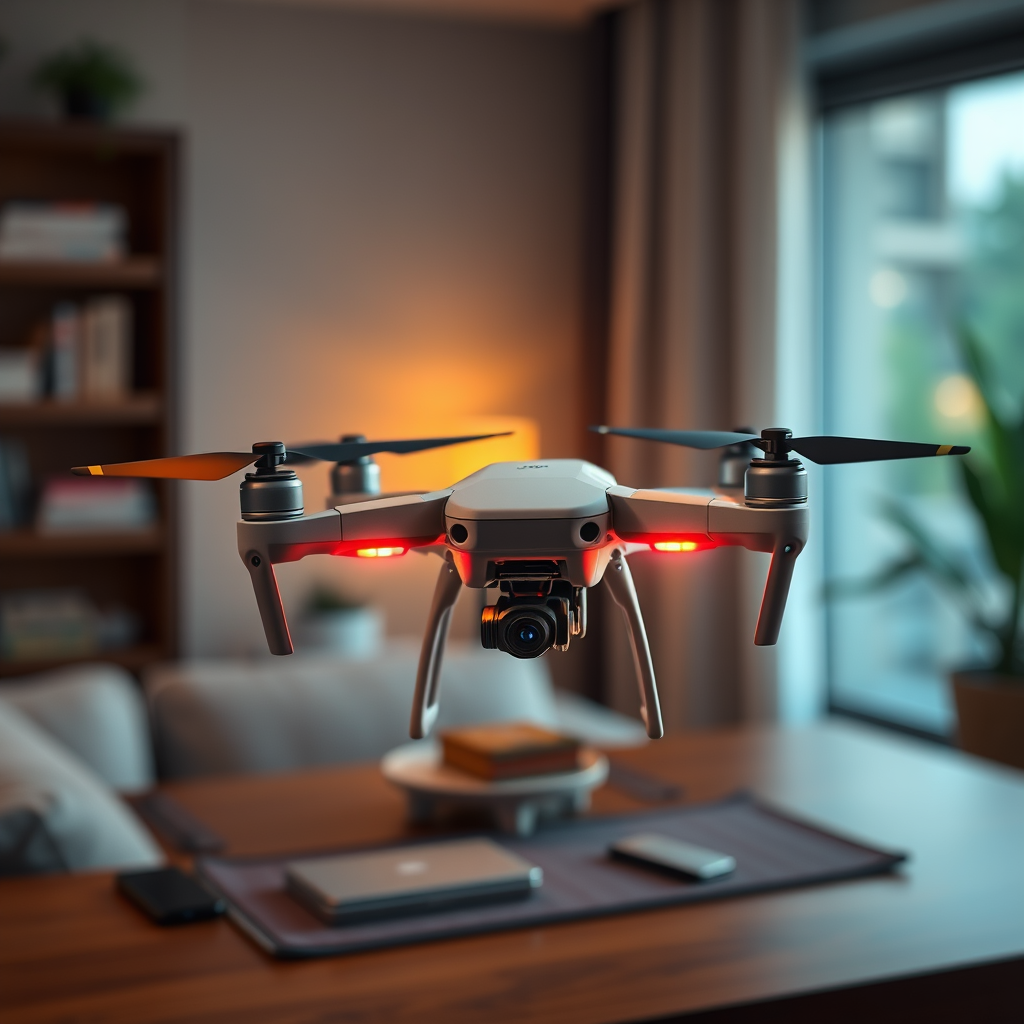
Yes, drones can be imported into India, but there are specific regulations and guidelines that must be followed. The Indian government has established a framework to ensure safety, security, and adherence to international standards for drone operations. This article will provide a thorough exploration of the requirements, procedures, and considerations necessary for importing drones into India, ensuring you are well-informed and prepared.
Understanding Drone Regulations in India
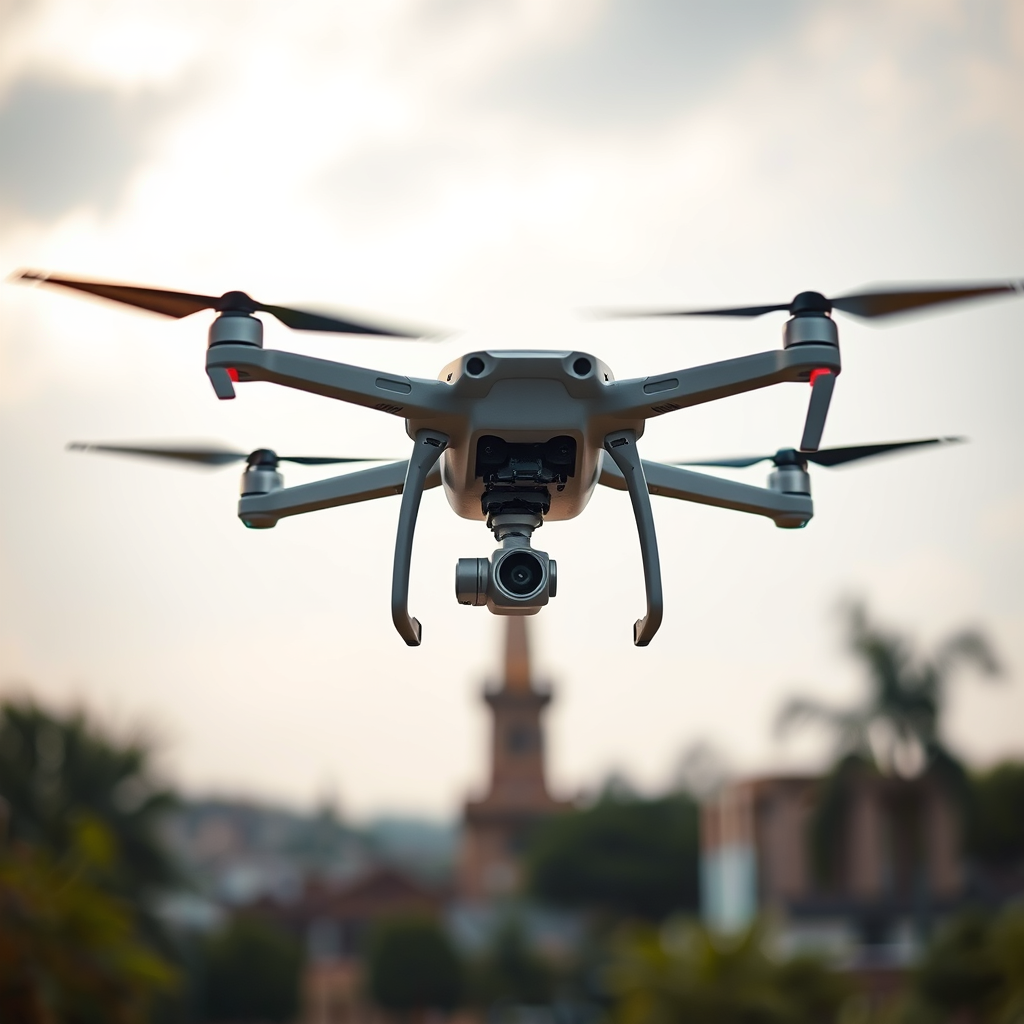
The regulation of drones in India falls under the purview of the Directorate General of Civil Aviation (DGCA), which is the national aviation authority. The DGCA has implemented comprehensive guidelines that govern all aspects of drone usage, including importation. These guidelines are crucial for maintaining air safety, privacy, and security within Indian airspace. Therefore, it is essential for potential importers to familiarize themselves with these regulations before attempting to import a drone.
Compliance with DGCA directives is not just a legal requirement but also a best practice that ensures the safe operation of drones. The regulations provide clarity on how drones should be operated, the qualifications needed to operate them, and the necessary precautions to ensure public safety. Importers must ensure that their drones adhere to these regulations to avoid penalties, confiscation, or legal complications.
Types of Drones Allowed for Import
When it comes to importing drones, it is vital to differentiate between recreational and commercial drones, as the regulations and restrictions vary significantly. Recreational drones, typically used for personal enjoyment, have fewer restrictions compared to commercial drones, which are often employed for business purposes. However, both categories must comply with DGCA regulations.
Certain drone models and specifications are restricted or prohibited from importation due to security concerns or safety issues. For instance, drones equipped with specific technologies that could pose a risk to national security, such as high-resolution cameras or advanced GPS systems, may be subject to scrutiny or outright bans. Therefore, potential importers should carefully research the specific models they intend to import and ensure they meet the required criteria.
Required Documentation for Importing Drones
Importing drones into India necessitates a specific set of documentation to ensure compliance with legal and regulatory requirements. The key documents required for drone importation include:
1. Import License: This is essential for the legal importation of drones and must be obtained from the DGCA.
2. Drone Registration: All drones must be registered with the DGCA before they can be legally operated in India.
3. Technical Specification Documents: These documents should detail the drone’s specifications, including weight, dimensions, and capabilities, to ensure compliance with safety standards.
4. Bill of Entry: This is a customs document that must be filed when importing goods into India.
It is crucial to ensure that all paperwork is complete and accurate before attempting to import a drone. Incomplete or incorrect documentation can lead to delays in the import process, additional fees, or even the rejection of the import application.
Customs Clearance Process for Drones
Once all documentation is in order, the next step is navigating the customs clearance process. This involves several steps:
1. Filing Import Declaration: Importers must file a declaration with customs that includes all necessary documentation supporting the import of the drone.
2. Customs Inspection: Drones may be subject to inspection by customs officials to verify compliance with regulations and assess any potential security risks.
3. Payment of Fees and Taxes: Import duties, Goods and Services Tax (GST), and any applicable cess must be paid before the drone can be released from customs. The rate of these fees may vary based on the drone’s specifications and intended use.
The customs clearance process can be intricate, and delays are not uncommon. Importers should be prepared for these potential hurdles and factor them into their timelines.
Compliance with Drone Safety Standards
The DGCA has set forth specific safety standards that all drones must meet to ensure their safe operation. These standards include technical specifications related to the drone’s design, weight limitations, battery capacity, and other operational parameters.
For instance, drones weighing over 250 grams must have a Remote Pilot License (RPL) for the operator, and they must also be equipped with specific safety features such as fail-safe mechanisms and geo-fencing capabilities to prevent them from flying into restricted areas.
Ensuring that a drone complies with these safety standards is crucial for the wellbeing of both the operator and the public. Failure to meet these specifications can result in fines or penalties and may even prevent the drone from being registered for use in India.
Post-Import Procedures and Registration
After successfully importing a drone, several post-import procedures must be followed to ensure compliance with Indian regulations. The first and foremost step is to register the drone with the DGCA. This registration process involves submitting the drone’s technical specifications, proof of importation, and obtaining a unique identification number (UIN) for the drone.
Additionally, operators must apply for the necessary permissions to fly the drone, which may include obtaining a Remote Pilot License if the drone is used commercially. It is also advisable to familiarize oneself with local flying regulations and airspace restrictions to ensure safe and legal operation.
Common Challenges and Solutions
Importers often encounter various challenges during the drone import process, including delays, documentation errors, and misunderstandings regarding regulations.
To navigate these challenges smoothly, here are some practical tips:
– Thorough Research: Before importing a drone, conduct comprehensive research regarding the specific regulations and document requirements to avoid surprises.
– Consult Experts: Engaging with import-export consultants or legal experts can provide valuable insights and assist with navigating the complexities of the import process.
– Prepare for Delays: Expect potential delays in customs clearance and plan accordingly, allowing for additional time in your logistics timeline.
By being prepared and proactive, importers can mitigate common challenges and streamline the import process.
In conclusion, while importing drones into India is feasible, it demands meticulous attention to regulatory requirements and documentation. By understanding the procedures, adhering to safety standards, and preparing for potential challenges, importers can successfully bring drones into the country for both recreational and commercial use. For those seeking more detailed assistance, consulting with an import-export expert is advisable to ensure a smooth and compliant import experience.
Frequently Asked Questions
What are the regulations for importing drones in India?
Importing drones in India is regulated by the Directorate General of Civil Aviation (DGCA) and the Ministry of Civil Aviation. As per the current regulations, all drones must be registered, and importers need to obtain a Unique Identification Number (UIN) from the DGCA. Additionally, drones should comply with the Indian Civil Aviation Requirements (CAR) and must be imported through authorized channels to ensure compliance with safety and security standards.
How can I import a drone for personal use in India?
To import a drone for personal use in India, you need to follow a few steps. First, ensure that the drone meets the specifications outlined by the DGCA. Next, acquire a UIN by submitting an application on the DGCA’s website. After obtaining the UIN, you can purchase the drone from an international supplier and ensure that all necessary customs documentation is in order to facilitate the import process. It’s also advisable to check the customs duty applicable on drones.
Why do I need a Unique Identification Number (UIN) to import a drone in India?
A Unique Identification Number (UIN) is essential for importing a drone in India as it helps the authorities keep track of all unmanned aerial vehicles operating within the country. The UIN ensures compliance with safety regulations, promotes accountability, and allows for effective monitoring of drone activities. Without a UIN, you cannot legally operate a drone in India, making it a crucial step in the importation process.
What types of drones are allowed for import into India?
In India, you can import various types of drones, but they must adhere to the specifications set by the DGCA. Drones can be classified into categories such as Nano, Micro, Small, and Large, based on their weight and usage. However, drones intended for commercial purposes require additional permits and must comply with specific operational guidelines. Always check the latest DGCA guidelines to ensure that the drone you intend to import meets the necessary criteria.
Which documents are required for importing a drone into India?
To import a drone into India, you will need several key documents. These typically include a bill of entry, invoice from the supplier, proof of payment, and a copy of the UIN obtained from DGCA. Additionally, you may need to provide a certificate of compliance with Indian standards, which verifies that the drone meets regulatory requirements. Make sure to have all documentation in order to avoid delays during customs clearance.
References
- https://www.civilaviation.gov.in/
- https://www.thehindu.com/news/national/unmanned-aircraft-systems-rules-2021-what-you-need-to-know/article34670380.ece
- https://www.mha.gov.in/sites/default/files/DronePolicy_03022021.pdf
- https://www.livemint.com/news/india/drones-to-be-allowed-for-commercial-use-in-india-11600584462745.html
- https://www.reuters.com/article/us-india-drones-idUSKBN2A10K8
- https://www.bbc.com/news/world-asia-india-53297217
- https://www.theguardian.com/world/2021/jul/15/india-unveils-drone-regulations-as-industry-takes-off
