
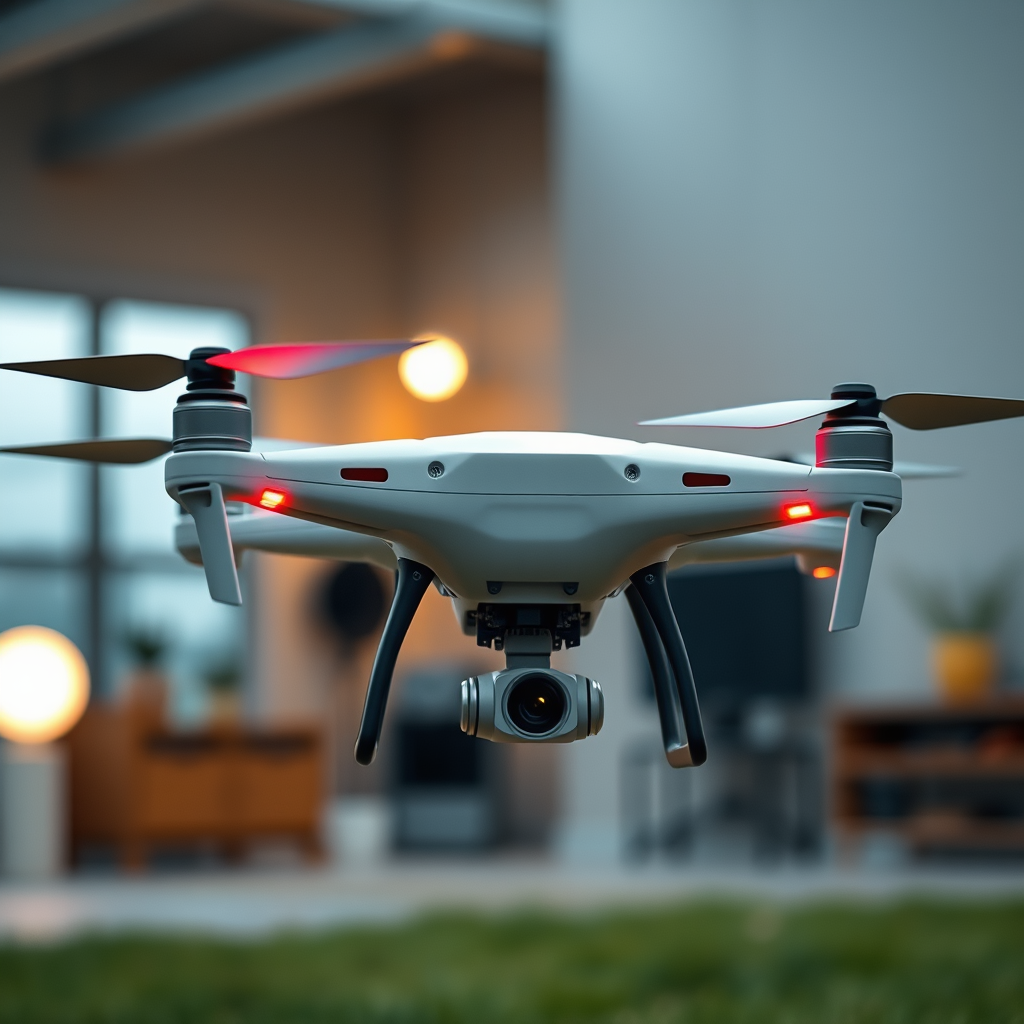
Drones can indeed detect radioactive material using specialized sensors and technology. This capability is crucial for various applications, including environmental monitoring, disaster response, and security. By leveraging advancements in drone technology, organizations can efficiently identify and assess radioactive substances in a wide array of scenarios, from nuclear power plant monitoring to responding to radiological emergencies. In this article, we will explore how drones are equipped to identify radioactive substances, the technology behind them, and their practical applications.
Understanding Drone Technology for Radiation Detection
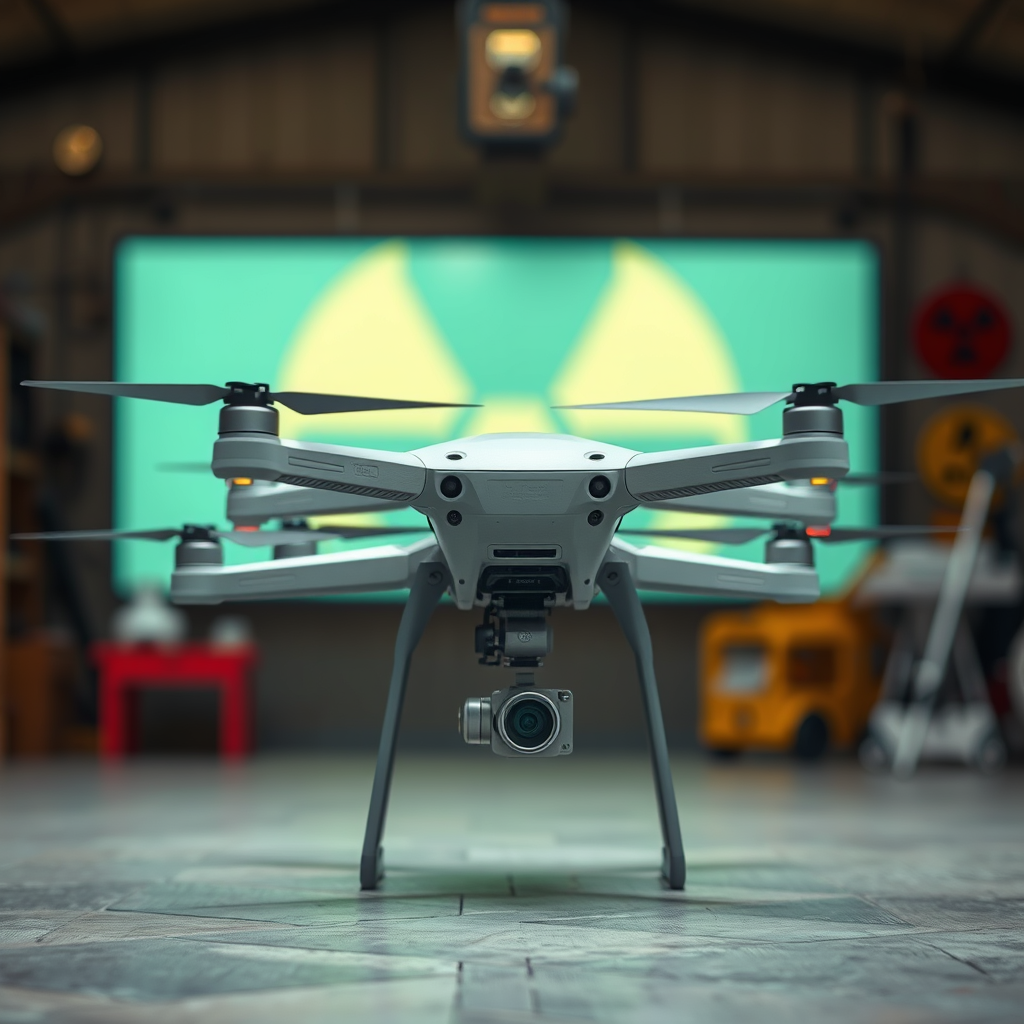
Drones used for radiation detection typically fall into two categories: fixed-wing and multirotor drones. Fixed-wing drones are designed for longer flight durations and can cover extensive geographic areas, making them suitable for large-scale environmental assessments. Conversely, multirotor drones are agile and capable of hovering, allowing for detailed inspections of specific sites, such as nuclear facilities or contaminated zones.
To effectively detect radioactive materials, drones are outfitted with advanced sensors and instruments. Gamma spectrometers are among the most common tools, enabling the detection of gamma radiation emitted by radioactive isotopes. These spectrometers can identify specific isotopes and their concentrations, providing critical data for environmental health assessments. Geiger counters, another widely used instrument, measure ionizing radiation levels and are often integrated into drone systems for real-time monitoring. The combination of these technologies enhances the drones’ capability to detect and analyze radioactive materials accurately.
How Drones Detect Radioactive Material
Drones employ both passive and active sensing methods to detect radioactive material. Passive sensing involves the detection of naturally emitted radiation without the need for any additional energy input. This method is particularly useful in assessing background radiation levels over large areas. On the other hand, active sensing methods involve the use of additional radiation sources, such as neutron sources, to stimulate the emission of radiation from materials, making it easier to identify specific isotopes.
The accuracy of radiation detection heavily relies on proper calibration and the precision of the sensors used. Regular calibration ensures that the sensors provide reliable readings, which are crucial for safety assessments and regulatory compliance. With advancements in technology, many modern drone systems are equipped with real-time data transmission capabilities, allowing for immediate analysis and interpretation of radiation levels detected during flights.
Applications of Drones in Radiation Detection
Drones play a vital role in various applications related to radiation detection. In environmental monitoring, they are invaluable for assessing contamination levels after nuclear incidents, such as the Fukushima disaster in Japan. Following the incident, drones were deployed to map radiation levels, providing crucial data that informed safety measures and recovery efforts.
In the realm of security and surveillance, drones are increasingly used to monitor nuclear facilities and borders. By continuously surveying these areas, drones can detect any unauthorized radioactive materials or leaks, enhancing security protocols and ensuring compliance with safety regulations. Their ability to respond quickly in emergency situations, such as the detection of radioactive materials in transit, further emphasizes their importance in national security strategies.
Advantages of Using Drones for Radiation Detection
One of the primary advantages of using drones for radiation detection is the increased safety for human operators working in high-risk areas. Traditional methods of radiation detection often require personnel to enter hazardous environments, exposing them to potential radiation exposure. Drones eliminate this risk by allowing remote monitoring of these areas, thereby protecting human health.
Additionally, drones possess the unique capability to cover large and difficult terrains quickly. This efficiency is particularly beneficial in remote or inaccessible locations where traditional methods would be time-consuming or impractical. With the ability to access various environments—from urban settings to rugged terrains—drones provide a versatile solution for radiation monitoring that traditional methods cannot match.
Challenges and Limitations of Drone Detection
Despite their advantages, the use of drones for radiation detection does come with challenges and limitations. Technical limitations, such as battery life and sensor range, can restrict the operational capabilities of drones. Most drones have limited flight times, which can hinder extensive surveys or prolonged monitoring missions. Furthermore, the range of sensors may not be sufficient to detect low levels of radiation from a significant distance, necessitating closer proximity for accurate assessments.
Regulatory and operational hurdles also pose challenges for drone operations. Airspace restrictions can limit where drones can be deployed, especially near populated areas or sensitive sites. Additionally, concerns over data privacy and security may arise when drones collect radiation data, necessitating compliance with strict regulations governing data use and sharing.
Future Trends in Drone Radiation Detection Technology
The future of drone radiation detection technology is promising, with numerous innovations on the horizon. Advances in sensor technology, such as the development of more sensitive and compact detectors, will enhance the precision and efficiency of radiation detection. Emerging technologies like photonics and quantum sensors hold the potential to revolutionize how radiation is detected and analyzed, providing more accurate readings with less energy consumption.
Furthermore, the integration of artificial intelligence (AI) and machine learning into drone systems will improve data analysis capabilities. AI can help in identifying patterns and anomalies in radiation data, facilitating faster decision-making during emergency situations. As these technologies evolve, drones will become even more effective in detecting and managing radioactive materials, paving the way for enhanced safety and security measures.
In conclusion, drones represent a significant advancement in the detection of radioactive materials, offering safety and efficiency in various fields. Their ability to monitor environmental conditions, secure sensitive facilities, and respond to emergencies makes them an invaluable tool in radiation detection. As technology continues to evolve, we can expect even more effective applications, making drones an essential component in radiation monitoring and response efforts. If you’re interested in the future of drone technology, consider following developments in this exciting area.
Frequently Asked Questions
Can drones detect radioactive material in the environment?
Yes, drones can be equipped with specialized radiation detection sensors to identify radioactive materials in the environment. These sensors can measure gamma radiation and other radiation types, allowing drones to survey large areas quickly and effectively. This capability makes drones invaluable for monitoring nuclear sites, conducting environmental assessments, and responding to radiological emergencies.
How do drone-based radiation detectors work?
Drone-based radiation detectors typically use scintillation counters or Geiger-Müller tubes to measure radiation levels. These devices convert radiation energy into light or electrical signals, which are then processed to provide real-time data on radiation intensity. The integration of GPS technology allows for precise mapping of radiation hotspots, enhancing the effectiveness of environmental monitoring and hazard assessment.
Why are drones preferred for detecting radioactive materials over traditional methods?
Drones are preferred for detecting radioactive materials due to their ability to access hard-to-reach areas quickly and safely. They can cover vast terrains in a fraction of the time it would take ground teams, reducing exposure risks to personnel and improving overall efficiency. Additionally, drones can collect real-time data, enabling rapid decision-making in emergency situations or during assessments of nuclear incidents.
What are the best types of drones for detecting radioactive materials?
The best types of drones for detecting radioactive materials are those equipped with heavy-lift capabilities and advanced sensor technology, such as the DJI Matrice 600 or the senseFly eBee X. These drones can carry specialized radiation detection equipment and have sufficient flight time and stability for detailed surveys. Features like GPS integration, autonomous flight paths, and high-resolution imaging can further enhance their effectiveness in radiation detection missions.
Which industries benefit the most from drone radiation detection technology?
Several industries benefit from drone radiation detection technology, including environmental monitoring agencies, nuclear power plants, waste management companies, and emergency response teams. These sectors utilize drones for routine inspections, accident response, and environmental assessments to ensure safety and compliance with regulations. The ability to quickly identify and map radioactive materials helps mitigate risks associated with radiation exposure and contamination.
References
- https://www.sciencedirect.com/science/article/pii/S0968090X16303151
- https://www.energy.gov/ehss/articles/using-drones-detect-radioactive-material
- https://www.nist.gov/news-events/news/2017/10/drones-and-radioactive-materials
- https://www.wired.com/story/drones-radiation-detection/
- https://www.bbc.com/news/science-environment-56392983
- https://www.osti.gov/servlets/purl/1492115
- https://www.nature.com/articles/s41598-020-62283-6
- https://www.nrc.gov/docs/ML1410/ML14103A195.pdf
