
Yes, drones can reach significant altitudes, but they generally fly much lower than commercial airplanes. While certain models can ascend to impressive heights, regulatory limitations and design factors often keep them grounded at lower elevations. Understanding the differences in altitudes between drones and planes is crucial for both enthusiasts and professionals in the aviation sector. This article will explore the altitude capabilities of drones, regulatory restrictions, and the technological advancements that may shape their future.
Understanding Drone Altitude Limits
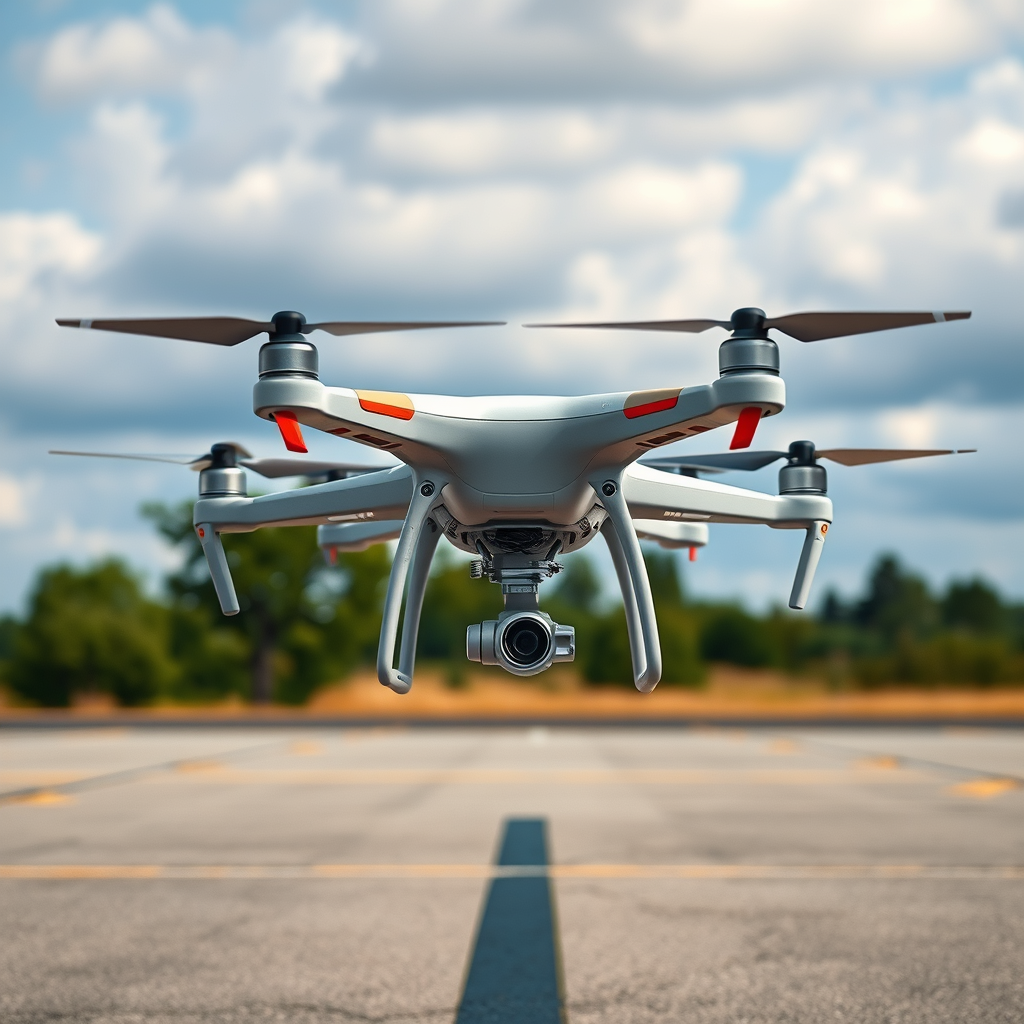
Most consumer drones are limited to a maximum altitude of about 400 feet. This restriction is primarily established by the Federal Aviation Administration (FAA) in the United States, which aims to ensure safety in the crowded airspace shared with manned aircraft. For instance, the DJI Phantom series, one of the most popular consumer drones, adheres to this limit, allowing users to capture stunning aerial photographs while complying with legal regulations.
Some specialized drones, such as those used for agricultural purposes or industrial inspections, can fly higher; however, these operations typically require special permits from aviation authorities. For example, the PrecisionHawk Lancaster, a drone used in agriculture, can operate at altitudes exceeding 400 feet, but the operator must obtain a Part 107 waiver from the FAA. Such regulations ensure that drone flights do not interfere with manned aircraft, which is paramount for maintaining safety in the skies.
Commercial Airplane Altitudes
Commercial jets typically cruise at altitudes between 30,000 to 40,000 feet. This high altitude is advantageous for several reasons, including enhanced fuel efficiency and reduced air resistance. For example, airlines like Delta and American Airlines operate their fleets at cruising altitudes of approximately 35,000 feet, where the thinner atmosphere allows for smoother flight and optimal fuel consumption.
Moreover, flying at these altitudes minimizes turbulence, which is often more pronounced at lower levels. Pilots use advanced navigation systems to maintain these cruising altitudes, ensuring that they can safely traverse long distances while adhering to air traffic control regulations. The significant gap in altitude capabilities between drones and commercial jets highlights the unique operational environments of each.
Regulatory Restrictions for Drones
The FAA and other aviation authorities enforce altitude restrictions for safety reasons. Drones must often remain within the visual line of sight of operators, which means that flying at high altitudes is generally impractical for most recreational users. Regulations stipulate that drones should not exceed 400 feet above ground level unless they are within 400 feet of a structure, such as a building or tower.
These restrictions are in place to prevent conflicts with manned aircraft, which operate at significantly higher altitudes. Additionally, drone operators are required to register their drones if they weigh more than 0.55 pounds, further emphasizing the regulatory landscape governing drone usage. Compliance with these rules not only promotes safety but also fosters responsible drone operations within the community.
Types of Drones and Their Capabilities
Consumer drones are designed for photography and leisure, prioritizing lower altitudes to capture stunning visuals and facilitate recreational flying. Popular models like the DJI Mavic Air and the Autel Robotics EVO Lite are well-suited for hobbyists and photographers, offering features such as 4K video recording and intelligent flight modes while adhering to altitude limitations.
In contrast, military and commercial drones can operate at higher altitudes for reconnaissance and surveying missions. For instance, the MQ-9 Reaper, a military drone, can reach altitudes of around 50,000 feet while conducting intelligence-gathering operations. Similarly, the Global Hawk UAV is designed for high-altitude, long-endurance missions, capable of flying at altitudes over 60,000 feet. These specialized drones are equipped with advanced technology that allows them to operate safely at these heights, highlighting the diverse applications and capabilities of drone technology.
Factors Affecting Drone Performance
Weather conditions can significantly impact a drone’s ability to fly at high altitudes. Factors such as wind speed, temperature, and precipitation can affect both stability and battery life. For example, high winds can make it difficult for drones to maintain altitude and control, potentially leading to accidents or loss of the aircraft.
Additionally, battery life and payload can limit how high and how long drones can operate. Most consumer drones have a flight time of around 20 to 30 minutes, which can be reduced by carrying additional weight, such as cameras or sensors. Advanced drone models, like those used in commercial applications, may have enhanced battery technology, allowing for extended flight times and higher altitudes, but they often come at a higher cost.
Potential Future Developments
Advances in drone technology may allow for higher flying capabilities in the future. Innovations in battery technology, such as the development of solid-state batteries, could significantly extend flight times and allow drones to operate at greater altitudes longer. Additionally, improvements in drone design, including lighter materials and more efficient propulsion systems, could enhance overall performance.
Changes in regulations could also open up new possibilities for drone operations. As the aviation industry evolves, authorities may adapt current regulations to accommodate advancements in drone technology. For example, the FAA is actively exploring the integration of drones into the national airspace system, which could lead to new operational frameworks that allow for higher flying capabilities in designated airspaces.
In summary, while certain drones can achieve impressive altitudes, they still fall significantly short of the heights reached by planes. Understanding these limits can help drone enthusiasts and operators navigate the skies safely and effectively. As technology progresses and regulations evolve, the potential for drones to operate at higher altitudes may become a reality, paving the way for new applications and opportunities in various industries.
Frequently Asked Questions
Can drones fly as high as commercial planes?
No, drones cannot fly as high as commercial planes. Most commercial aircraft cruise at altitudes between 30,000 and 40,000 feet, while consumer drones are typically limited to a maximum altitude of around 400 feet above ground level, as regulated by the Federal Aviation Administration (FAA) in the United States. This altitude restriction is in place to ensure the safety of air traffic and to prevent collisions with manned aircraft.
What are the altitude limits for drones in different countries?
Altitude limits for drones vary by country. In the United States, the FAA restricts drone flights to a maximum altitude of 400 feet, while countries like Canada also have similar regulations. However, some countries may allow higher altitudes for specific drone categories, such as commercial or research drones, provided they have the necessary permissions. It’s essential for drone operators to check local regulations before flying.
Why are drone flight altitudes restricted compared to planes?
Drone flight altitudes are restricted compared to planes primarily for safety reasons. Keeping drones below 400 feet helps prevent potential conflicts with manned aircraft, which operate at much higher altitudes. Additionally, this regulation helps ensure that drones do not interfere with air traffic control systems and allows for safer operations in shared airspace.
How does the altitude capability of drones affect their usage?
The altitude capability of drones significantly affects their usage, particularly in applications such as photography, surveying, and agricultural monitoring. With the 400-foot limit, drones are ideal for capturing aerial images and data close to the ground, where finer details can be observed. However, for tasks that require higher altitude perspectives, such as large-scale landscape mapping, operators may need to utilize specialized drones with higher altitude capabilities and necessary permits.
Which types of drones can fly at higher altitudes, and what are their limitations?
Some specialized drones, such as high-altitude research drones or military drones, can fly at much higher altitudes, sometimes exceeding 10,000 feet. These drones are typically equipped with advanced technology and are subject to different regulations than consumer drones. However, operating these drones usually requires special certifications, and they are often limited to specific missions or environments, such as scientific research or surveillance, where safety protocols can be strictly enforced.
References
- https://en.wikipedia.org/wiki/Drone
- https://www.faa.gov/uas/
- https://www.nasa.gov/mission_pages/constellation/launch/drones.html
- https://www.sciencedirect.com/science/article/pii/S0094576521001347
- https://www.theguardian.com/technology/2020/mar/25/drones-planes-flying-height
- https://www.bbc.com/news/technology-49635098
- https://www.nytimes.com/2021/12/06/business/drones-regulations.html
- https://www.airspacemag.com/flight-today/drone-vs-plane-180976042/
