
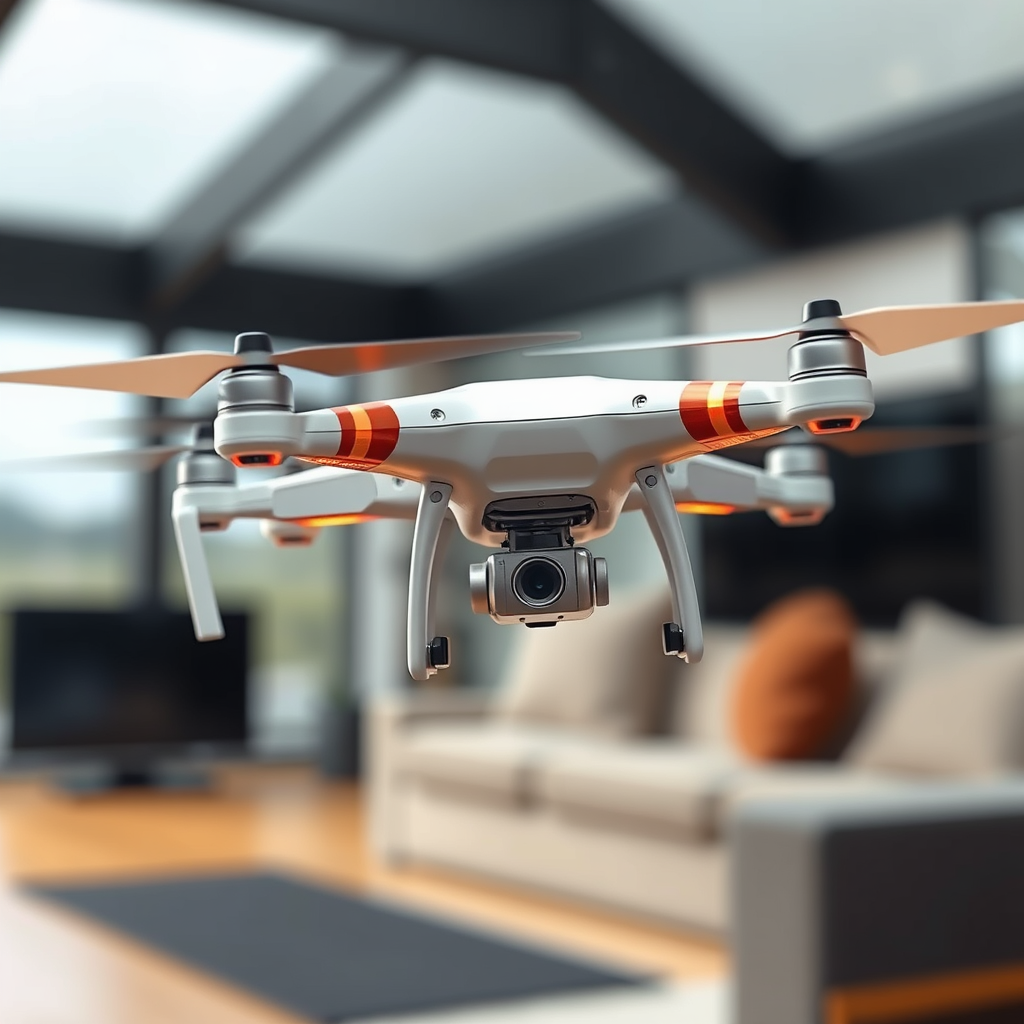
Drones can fly in high winds, but their performance and safety can be significantly affected. Understanding the limits and factors that influence drone operation in windy conditions is essential for successful flights. Many drone pilots underestimate the effects of wind, which can lead to dangerous situations, equipment damage, or even loss of the drone. This article will explore the specifications of different drones concerning wind resistance, the effects of wind on stability, safety precautions, techniques for flying in adverse weather, legal considerations, and alternatives to flying in high winds.
Understanding Drone Specifications
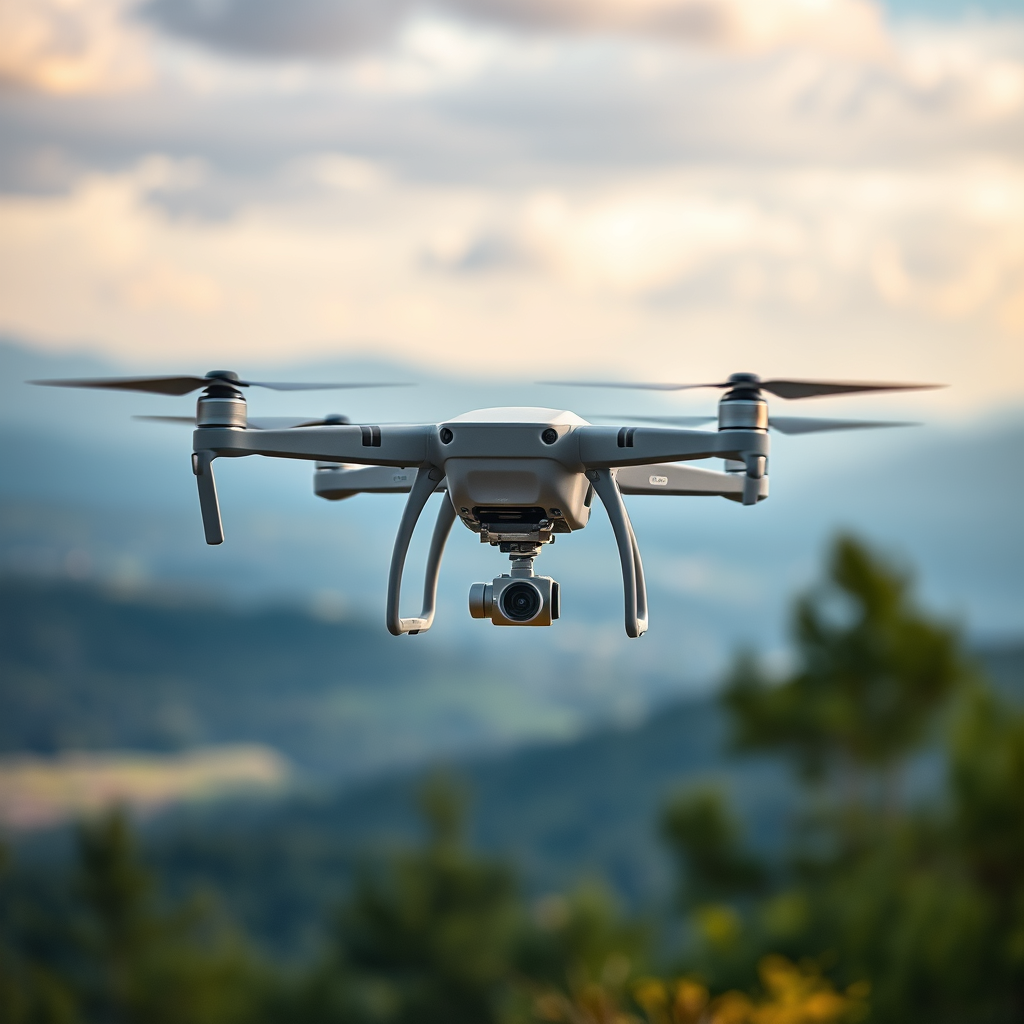
Different drones have varying wind resistance ratings, which are critical to know before undertaking a flight in windy conditions. Generally, consumer drones can handle wind speeds up to about 15-20 mph, while professional-grade drones might withstand higher gusts, sometimes reaching 30 mph or more. The quadcopter design, weight, and motor power all contribute to a drone’s ability to navigate windy conditions. For example, larger drones with more powerful motors tend to perform better in high winds compared to smaller, lighter models.
Manufacturers often provide maximum wind speed guidelines that are essential for pilots to follow. These specifications are typically found in the user manual or on the manufacturer’s website. Knowing these limits allows pilots to make informed decisions about whether conditions are suitable for flying. Furthermore, understanding the drone’s design characteristics, such as its center of gravity and aerodynamic features, can enhance a pilot’s ability to predict how the drone might perform in gusty weather.
Effects of Wind on Drone Stability
High winds can cause significant instability, making control difficult for the operator. Wind gusts can lead to sudden changes in altitude, orientation, and position, severely impacting the drone’s flight path. For instance, a strong gust can push a drone off course, requiring the pilot to exert more control input, which can be challenging in turbulent conditions. This instability may lead to erratic flying patterns and increased battery consumption as the drone works harder to maintain its position.
Moreover, increased wind speeds can result in a higher risk of losing GPS signals, particularly in urban environments with tall buildings or in areas with dense vegetation. This loss can lead to navigational challenges, causing the drone to drift from its intended flight path. In some cases, if the wind is strong enough, it may even cause the drone to crash or become irretrievably lost. Pilots must remain aware of these potential issues and continuously monitor their drone’s behavior during flight.
Safety Precautions for Flying in Windy Conditions
Before flying a drone in windy conditions, it is crucial to check weather forecasts and understand the specific wind conditions at the launch site. Utilizing apps and websites that provide real-time weather data can assist pilots in making informed decisions. Additionally, conducting a pre-flight inspection to ensure that all components, such as propellers and battery, are in optimal condition will help mitigate risks associated with flying in challenging weather.
Utilizing safety features like Return-to-Home (RTH) can also enhance safety when flying in high winds. This feature allows the drone to autonomously return to its takeoff point if it loses connection with the controller or if the battery is low. Pilots should familiarize themselves with how this feature works and ensure it is activated before takeoff. Furthermore, having a reliable and responsive controller can significantly improve stability and control during flights in adverse conditions.
Techniques for Flying in Windy Weather
When flying in windy weather, adapting flying techniques can help maintain control and stability. One effective method is to adjust flight patterns to counteract the wind direction. For example, if the wind is blowing from the east, pilots should consider taking off and landing into the headwind to ensure better control during these critical phases.
Maintaining lower altitudes can also reduce the impact of wind. Wind speeds tend to increase with altitude, so flying closer to the ground can often yield more stable conditions. Additionally, flying in a more confined space, such as a sheltered area or behind structures, can help shield the drone from direct wind gusts. Pilots may also benefit from utilizing a manual flying mode, which allows for finer control adjustments in response to changing wind conditions.
Legal Considerations and Regulations
It is essential to be aware of local regulations regarding flying in adverse weather, as some areas may have specific restrictions on drone operations during high wind conditions. National aviation authorities, such as the Federal Aviation Administration (FAA) in the United States, provide guidelines that pilots should follow to ensure compliance and safety. Pilots should also be familiar with any local ordinances that may apply, as these can vary significantly from one region to another.
Conducting flights in compliance with regulations not only promotes safety but also enhances the public perception of drone operations. Being a responsible pilot can help pave the way for more expansive regulations and acceptance of drone technology in various applications.
Alternatives to Flying in High Winds
If conditions are deemed too risky for flying, it is advisable to consider postponing the flight for calmer days. Wind forecasts can change rapidly, so keeping an eye on weather conditions in the days leading up to a planned flight can help in making better decisions.
Exploring indoor flying options or simulator training can also be a beneficial alternative. Many drones offer indoor flight capabilities, and there are numerous flight simulation programs available that allow pilots to practice maneuvers and improve their skills without the challenges posed by outdoor conditions. This not only helps in building confidence but also prepares pilots for when they can safely fly outdoors again.
In conclusion, while drones can technically fly in high winds, it’s crucial to assess the specific conditions and risks involved. Understanding drone specifications, recognizing the effects of wind on stability, implementing safety precautions, and adhering to legal regulations are fundamental to ensuring a successful flying experience. Ultimately, prioritizing safety and compliance while considering alternatives when conditions are unfavorable will lead to more enjoyable and risk-free drone operations.
Frequently Asked Questions
Can drones fly in high winds safely?
Drones can fly in high winds, but safety depends on several factors, including the drone’s design, weight, and the wind speed itself. Most consumer drones have a maximum wind resistance range between 15 to 25 mph. It’s crucial to check the manufacturer’s guidelines and use your best judgment; flying in winds exceeding these limits can lead to loss of control, crashes, or damage to the drone.
How do I know if the wind is too strong for my drone?
To determine if the wind is too strong for your drone, check local weather reports for wind speed and gust forecasts. Additionally, you can use an anemometer to measure wind speed at your flying location. If the wind is gusty or exceeds your drone’s specified maximum wind resistance, it’s best to postpone your flight to ensure safety and protect your equipment.
What are the effects of flying a drone in windy conditions?
Flying a drone in windy conditions can lead to several issues, including difficulty controlling the drone’s flight path, reduced battery life, and increased risk of crashes. Wind can cause the drone to drift or ascend unpredictably, making it challenging to maintain stability. Additionally, strong winds can strain the drone’s motors and propellers, potentially leading to mechanical failures.
Why do some drones perform better in high winds than others?
Some drones are designed with features that enhance their stability and performance in windy conditions, such as larger, more efficient propellers and advanced stabilization technology. Drones with heavier frames tend to handle wind better, while those equipped with GPS and altitude hold functions can maintain their position more effectively. Understanding your drone’s specifications and features can help you choose one that performs well in adverse weather conditions.
What is the best practice for flying drones in windy weather?
The best practice for flying drones in windy weather includes checking the wind speed and gusts before flying, using a drone designed for stability in winds, and maintaining a lower flight altitude to minimize wind effects. Always be prepared to land quickly if wind conditions change unexpectedly and avoid flying near obstacles that could pose additional risks. Prioritizing safety and adhering to the manufacturer’s recommendations will enhance your flying experience in challenging conditions.
References
- https://en.wikipedia.org/wiki/Drone
- https://www.faa.gov/uas/
- https://www.nasa.gov/mission_pages/Global_Hawk/technology/wind-turbulence.html
- https://www.theguardian.com/technology/2020/oct/12/drones-wind-speed
- https://www.sciencedirect.com/science/article/pii/S2213138820300038
- https://www.ncbi.nlm.nih.gov/pmc/articles/PMC7515395/
- https://www.researchgate.net/publication/319171241_The_Effect_of_Wind_on_the_Stability_of_Fixed-Wing_UAVs
- https://www.techrepublic.com/article/how-wind-speed-affects-drone-flight/
