
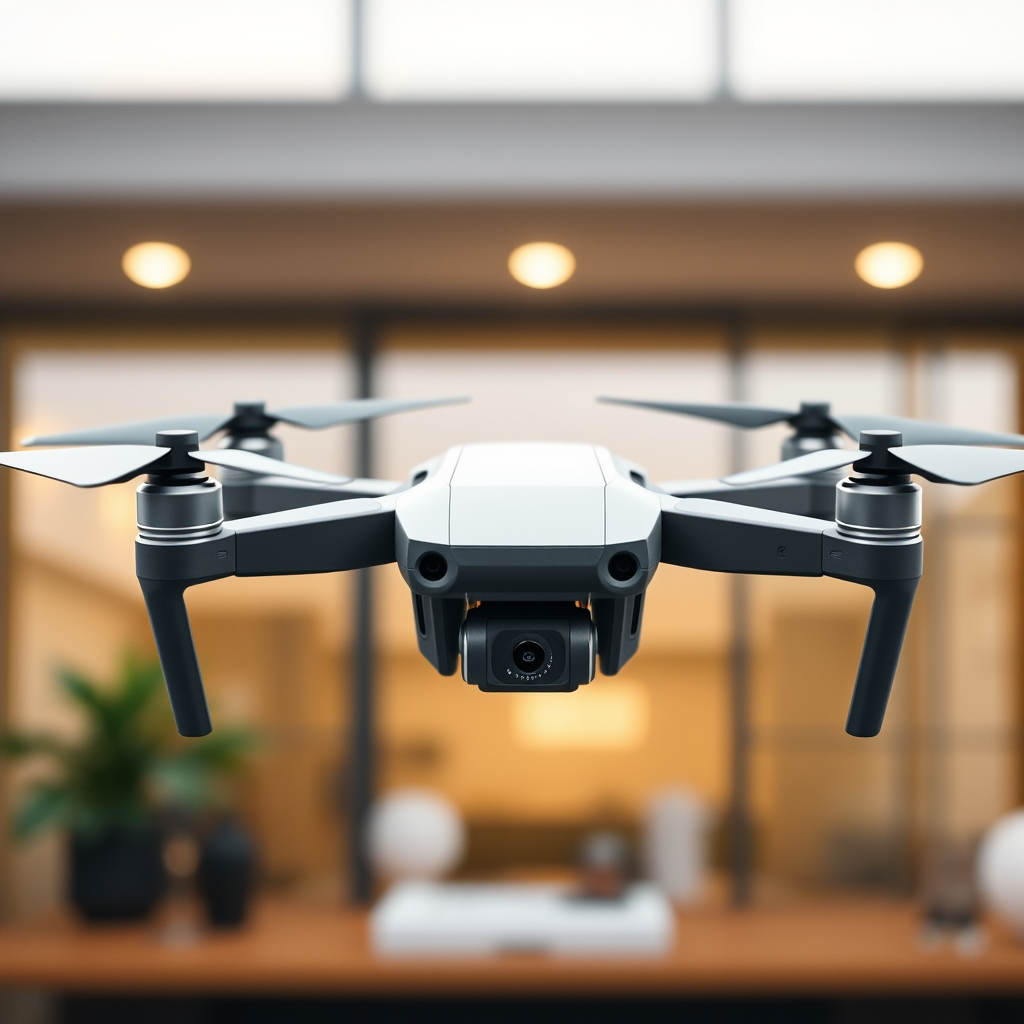
Yes, you can buy a large drone, but there are several important factors to consider before making your purchase. Large drones can offer advanced features and capabilities suited for various applications, but navigating the landscape of regulations, specifications, and costs is essential for making an informed decision. This guide will provide you with the necessary insights to ensure that your investment aligns with your needs and complies with legal requirements.
Understanding Drone Regulations
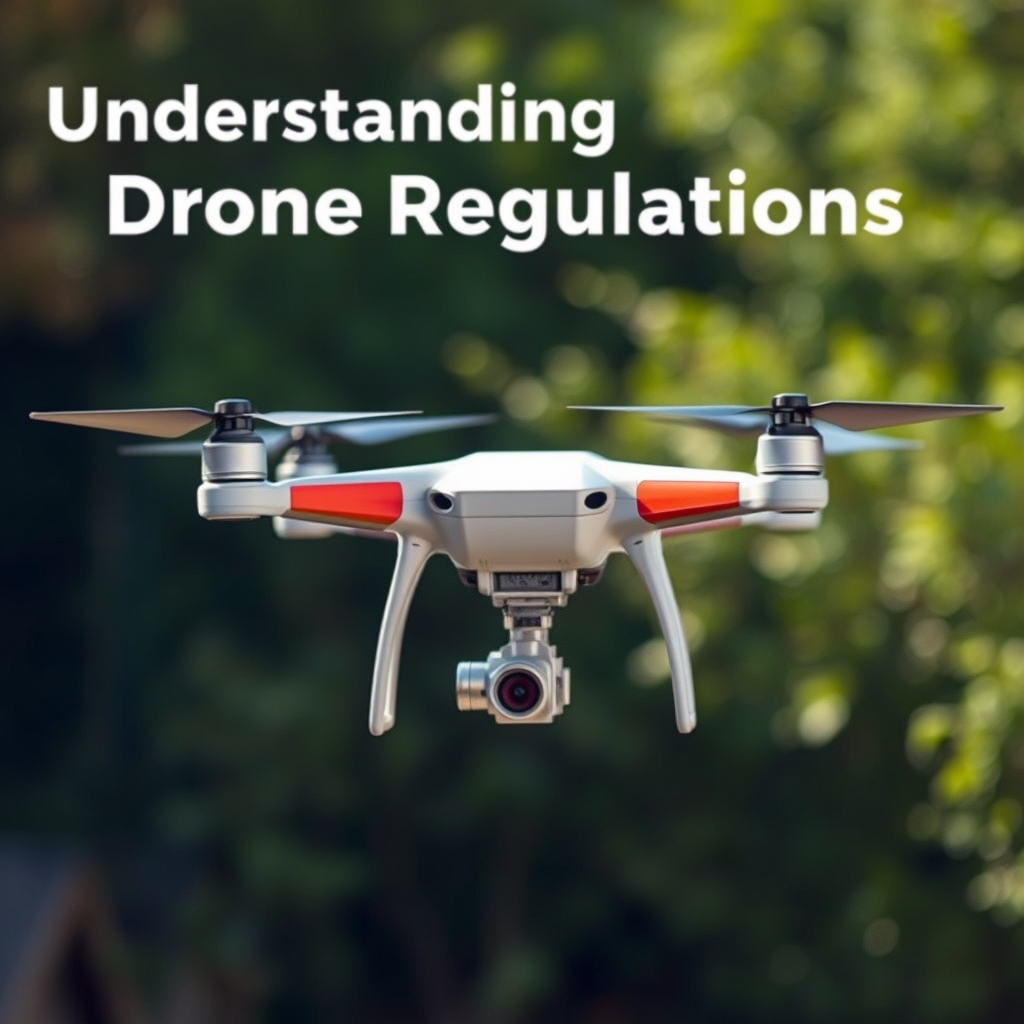
Before purchasing a large drone, it is crucial to research local laws and regulations regarding drone usage. The Federal Aviation Administration (FAA) in the United States, for example, has specific guidelines that govern the operation of drones, particularly those over a certain weight limit. Understanding these regulations is paramount to avoid penalties or legal issues.
In many regions, there may be restrictions on where large drones can be flown, such as near airports or populated areas, and some localities impose additional regulations that could affect your ability to operate a large drone. For instance, you may need to register your drone, adhere to specific flight altitudes, or even acquire a remote pilot certificate, depending on the drone’s intended use. Checking with local aviation authorities or online resources can provide clarity on these matters.
Choosing the Right Type of Large Drone
Identifying the purpose for which you need the drone is a fundamental step in your purchasing decision. Different applications, such as photography, agriculture, or delivery services, require different features and capabilities from a drone. For instance, if you’re interested in aerial photography, you’ll likely need a drone equipped with a high-quality camera and stabilization technology.
Exploring the different types of large drones available on the market can also help narrow your options. Commercial drones, such as those designed for agricultural use, may feature specialized sensors for crop monitoring, while delivery drones might focus on payload capacity and flight endurance. Researching brands and models, along with user reviews, can provide valuable insights into which drones might best suit your needs.
Budgeting for Your Purchase
When considering a large drone, it’s important to establish a budget that encompasses not only the initial purchase price but also additional costs such as accessories, maintenance, and insurance. Large drones can range from a few hundred to several thousand dollars, depending on their specifications and intended use.
Additionally, consider the cost of necessary accessories like extra batteries, carrying cases, and protective gear. Insurance can also be an important expense, especially if you’re using the drone for commercial purposes. If your budget is tight, exploring financing options or second-hand models can be a viable solution. Websites that specialize in drone sales often feature refurbished models at discounted prices, allowing you to acquire a quality drone without overspending.
Key Specifications to Look For
Evaluating important specifications is essential to ensure you purchase a drone that meets your operational needs. Key features to consider include battery life, flight range, and payload capacity. For example, a drone with a longer battery life can allow for extended flight sessions, which is particularly beneficial for tasks such as surveying large areas or conducting extended aerial photography shoots.
If you plan to carry specific equipment, such as high-end cameras or sensors, ensure the drone has an adequate payload capacity. Likewise, if your interest lies in capturing high-resolution images or videos, assessing the camera quality and stabilization options is critical. Drones equipped with gimbals can provide smoother footage, making them ideal for cinematic applications.
Maintenance and Support
Understanding the maintenance needs of large drones is vital for ensuring their longevity and optimal performance. Regular maintenance may include firmware updates, battery care, and physical inspections of components such as propellers and motors. Ensuring that you are familiar with the maintenance schedules and requirements of your chosen model will help you avoid operational issues in the future.
Additionally, research customer support and warranty options from manufacturers. A reputable company will offer robust customer service, helping you troubleshoot issues and providing necessary repairs or replacements when needed. Look for warranties that cover parts and labor, as this can save you significant costs in the long run.
Learning to Operate a Large Drone
Investigating training programs or online resources for flying large drones is a vital step for both novice and experienced pilots. Many manufacturers offer training courses or tutorials that can help you understand the ins and outs of your specific drone model. Additionally, there are numerous online platforms providing instructional videos and forums where you can learn from other drone enthusiasts.
Consider obtaining a drone pilot license if required in your area. In many regions, flying a drone for commercial purposes necessitates certification, which often involves passing a written exam and demonstrating proficiency in flying. Being properly licensed not only ensures compliance with the law but also enhances your credibility as a drone operator.
Future Trends in Drone Technology
Staying informed about upcoming advancements in drone technology can significantly affect your purchasing decision. Innovations such as improved battery technology, enhanced camera capabilities, and autonomous flight features are rapidly evolving and could soon become standard in the industry.
For instance, advancements in AI and machine learning are paving the way for drones that can autonomously navigate complex environments, resulting in safer and more efficient operations. As you consider your purchase, think about how these emerging features could enhance your drone experience and ensure that your investment remains relevant in a fast-evolving market.
In conclusion, buying a large drone is feasible, but it requires careful consideration of regulations, budget, specifications, and more. By following this guide, you can make an informed decision that best suits your needs, ensuring that your investment in drone technology is both beneficial and compliant with existing laws. Whether for personal use or commercial applications, thorough research and preparation will enhance your drone ownership experience.
Frequently Asked Questions
What are the legal requirements for buying a large drone?
Before purchasing a large drone, it’s essential to understand the legal requirements in your country. In the U.S., for example, the Federal Aviation Administration (FAA) mandates that drones weighing over 0.55 pounds must be registered, and users must follow specific guidelines for commercial or recreational use. Always check local laws and regulations, as they can vary significantly depending on your location.
How much does a large drone typically cost?
The cost of a large drone can vary widely based on features, brand, and intended use. On average, you can expect to pay anywhere from $1,000 to over $10,000 for high-quality large drones equipped with advanced technology like 4K cameras or enhanced payload capacities. It’s crucial to consider your specific needs and budget when selecting a drone, as additional features can significantly impact the price.
What features should I look for when buying a large drone?
When purchasing a large drone, consider key features such as flight time, camera quality, range, and payload capacity. Look for drones with at least 20-30 minutes of flight time, a high-resolution camera if you plan to capture aerial footage, and a robust build for stability and durability. Additionally, consider GPS capabilities for precise navigation and return-to-home functions for safety.
Why would I need a large drone instead of a smaller one?
Large drones offer several advantages over smaller models, particularly in professional applications. They typically have higher payload capacities, allowing you to carry advanced cameras, sensors, or other equipment essential for tasks like filmmaking, surveying, or agricultural monitoring. Additionally, larger drones often feature more powerful motors and longer flight times, making them suitable for extensive coverage and more demanding aerial tasks.
Which large drone is best for commercial use?
The best large drone for commercial use largely depends on your specific needs, but popular options include the DJI Matrice 300 RTK and the Freefly Alta X. The Matrice 300 RTK is known for its versatility, advanced AI capabilities, and robust payload options, making it ideal for applications like industrial inspection and search and rescue. Conversely, the Freefly Alta X is favored in the film industry for its ability to carry heavy camera setups. Be sure to assess your operational requirements before making a purchase.
References
- https://en.wikipedia.org/wiki/Drone
- https://www.faa.gov/uas/getting_started/
- https://www.nasa.gov/mission_pages/aircraft/aircraft_drones.html
- https://www.theguardian.com/technology/2020/jun/29/drones-uses-risks-regulations
- https://www.smithsonianmag.com/innovation/the-history-of-drones-180975053/
- https://www.ncbi.nlm.nih.gov/pmc/articles/PMC7104200/
- https://www.aaas.org/news/drones-are-becoming-more-easily-accessible-what-are-the-implications
