
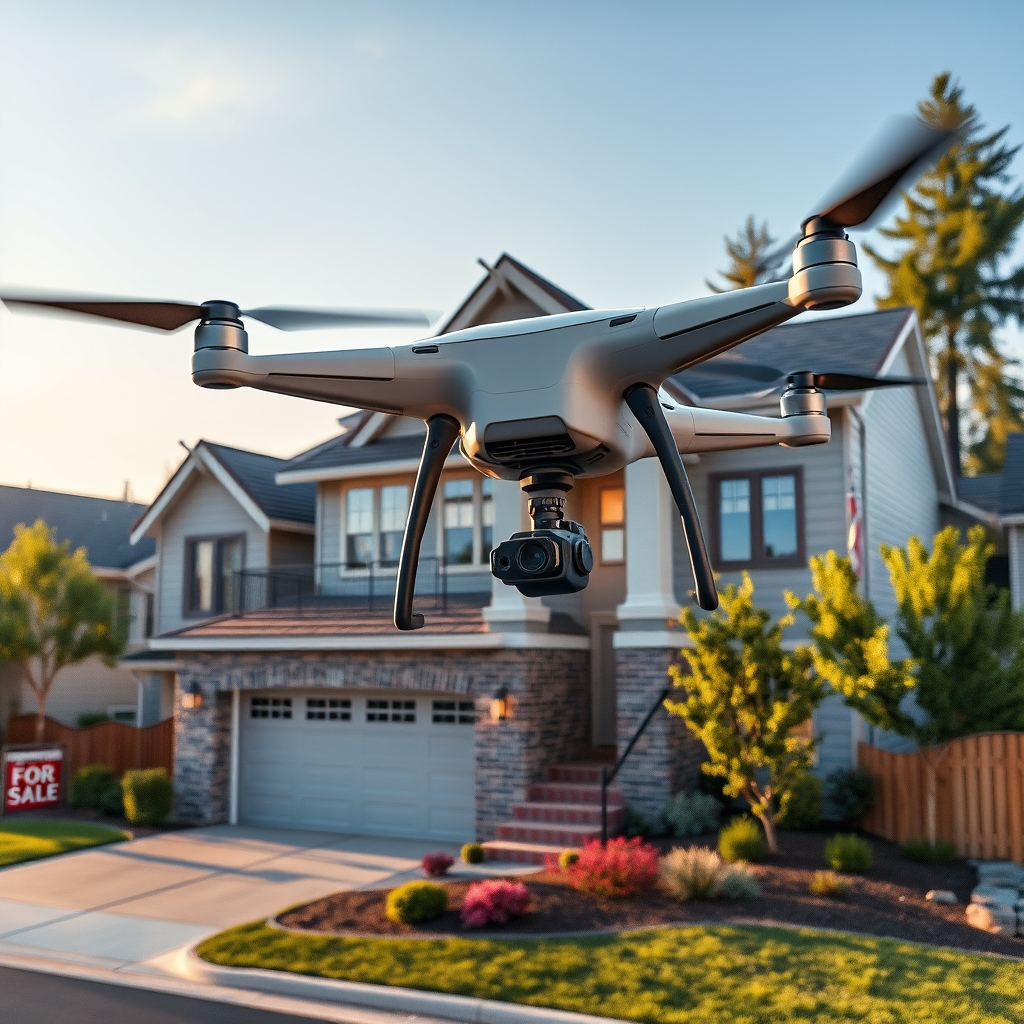
Yes, you can shoot down a drone over your own property, but it comes with significant legal risks and potential consequences. Understanding the complexities of airspace rights, federal regulations, and local laws is crucial before taking any action. Many property owners may feel justified in defending their privacy or property, but the implications of using force against a drone can lead to serious legal battles and unintended consequences.
Understanding Airspace Rights
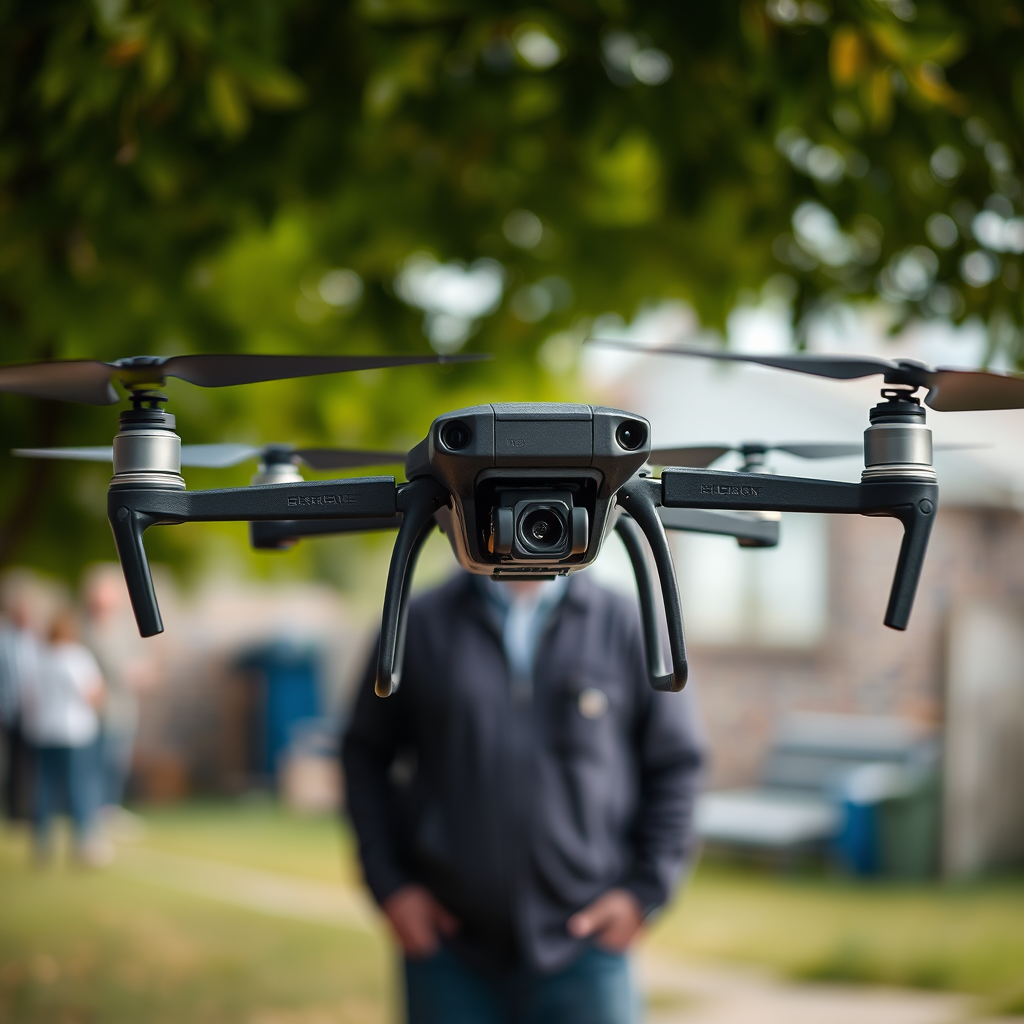
Property owners generally have rights to the airspace above their land, but these rights are not absolute. The Federal Aviation Administration (FAA) governs airspace in the United States, and drones are classified as aircraft under federal law. This means that while you may have a claim to the airspace above your property, this claim is limited by federal regulations that prioritize the safety of air traffic, including drones. For example, the FAA has established specific airspace classifications, and drones must operate within these boundaries.
Moreover, the concept of “navigable airspace” often means that the airspace above a certain altitude, typically above 400 feet, is generally considered public airspace. Therefore, while a drone flying directly over your land may feel intrusive, it is likely operating legally unless it violates any specific state or local ordinances. Understanding this balance between property rights and federal regulations is essential for any property owner considering taking action against a drone.
Legal Implications of Shooting Down a Drone
Shooting down a drone can lead to severe legal repercussions, including criminal charges. Engaging in such an act may be classified as destruction of property, as drones are considered personal property owned by individuals or companies. If the drone belongs to someone else, the property owner could face civil lawsuits for damages or even criminal charges for endangerment. For instance, if a drone is shot down and crashes into a neighboring property or injures a person, the shooter could be held liable for those damages.
Additionally, the FAA has strict regulations against the discharge of firearms in urban areas, which may lead to further legal complications. In many jurisdictions, the use of deadly force is only justified in specific self-defense situations. Therefore, discharging a firearm to take down a drone may not be legally justified, even if the drone is perceived as a threat to privacy or safety. It is crucial for property owners to weigh these risks carefully before considering such drastic measures.
Alternative Actions to Consider
Instead of resorting to shooting down a drone, property owners have several alternative actions to consider that are both legal and effective. One of the most sensible approaches is to contact local authorities to report the drone activity. Many law enforcement agencies have established protocols for dealing with unauthorized drone flights, and they may be able to intervene or provide guidance on how to handle the situation.
Additionally, there are non-destructive methods to deter unwanted drones. For instance, using noise devices, such as ultrasonic repellents, can discourage drones from lingering in your airspace. Visual barriers, like tall fences or privacy screens, can also minimize the visibility of your property, reducing the appeal for drone operators who may be seeking to capture video or images without permission. These alternatives not only protect your property rights but also help avoid the legal pitfalls that come with shooting down a drone.
Drone Privacy Laws
Familiarizing yourself with local privacy laws is essential when dealing with drones, especially those that may be conducting surveillance or data collection over your property. Many states have enacted specific legislation to protect individuals from invasive drone surveillance, which can include unauthorized video or photographic captures. Violating these privacy laws can lead to civil suits or fines, even if the drone is over your property.
For instance, some states require drone operators to obtain consent before capturing images of individuals or private property. If you believe a drone is invading your privacy, documenting the activity and gathering evidence can be critical. This may involve taking screenshots of any footage captured, noting the drone’s registration number, or recording the dates and times of incidents. Armed with this information, you can pursue legal remedies based on local privacy laws.
Best Practices for Handling Drones
When faced with persistent drone activity, adopting best practices can help property owners navigate the situation more effectively. First and foremost, it is advisable to document any drone activity that concerns you. Keeping a detailed log of occurrences, including timestamps, descriptions of the drone, and any interactions with the operator, can be valuable if you decide to pursue legal action or report the activity to authorities.
Additionally, consider communicating with neighbors to determine if they own the drone. Many times, drone operators may be local residents unaware of the disturbance they are causing. A friendly conversation could lead to a resolution that respects both parties’ rights. Furthermore, joining community discussions about drone regulations can help foster a better understanding among residents and promote responsible drone use in your area.
When to Seek Legal Advice
If you find yourself unsure about your rights concerning drone activity or the specific laws in your area, it is wise to consult with a legal professional who specializes in property rights or aviation law. A knowledgeable attorney can clarify the complexities of local regulations and help you understand the best course of action to take in your specific situation.
Understanding local regulations can help you navigate conflicts with drone operators more effectively. For example, if you learn that your state has specific privacy laws regarding drones, you can take appropriate steps to protect yourself and your property. Legal advice can also assist in preparing for potential disputes or understanding your rights if you decide to take action against a drone operator.
In summary, while you technically have the right to protect your property, shooting down a drone can lead to serious legal repercussions. It is essential to understand the complexities of airspace rights and the potential liabilities associated with such actions. Instead, consider safer, legal alternatives like reporting concerns to authorities or using non-destructive deterrents. Engaging with local laws and consulting with professionals can help ensure that you navigate these issues effectively and responsibly.
Frequently Asked Questions
Can I legally shoot down a drone that is flying over my property?
Legally shooting down a drone that enters your airspace can lead to serious legal consequences. In the U.S., federal law prohibits the destruction of any aircraft, including drones, so taking this action could result in criminal charges or civil liability. It’s crucial to understand that even if the drone is intruding on your property, the law favors protecting airspace rights, and there are safer, legal alternatives to address drone trespassing.
What should I do if a drone is hovering over my property?
If a drone is hovering over your property and causing you concern, the first step is to remain calm and assess the situation. You can try to identify the drone’s owner, as they may be filming or conducting legitimate activities. If the drone’s presence is invasive or intrusive, consider contacting local law enforcement or reporting the situation to the Federal Aviation Administration (FAA) for guidance on how to proceed legally.
Why are drones allowed to fly over my property?
Drones are permitted to fly over private property because the airspace above your land is regulated by federal law, specifically by the FAA. This means that as long as the drone operator is complying with FAA regulations, they have the right to operate drones in navigable airspace, which can include areas over personal property. Understanding this can help property owners navigate their rights concerning drone activity.
What are the best ways to protect my privacy from drones?
To safeguard your privacy from drones flying over your property, consider using physical barriers such as tall fences or privacy screens that obstruct the view from above. You can also invest in anti-drone technology designed to disrupt drone operations, but ensure that such devices comply with local laws. Additionally, educating yourself about local regulations regarding drone flights can help you advocate for stronger privacy protections in your community.
Which laws govern drone flights over private property?
Drone flights over private property are primarily governed by federal laws enforced by the FAA, which oversees airspace regulations. Additionally, some states and municipalities have enacted specific drone laws addressing privacy concerns, trespassing, and noise complaints. It’s essential to familiarize yourself with both federal and local laws to understand your rights and options concerning drone activity in your area.
References
- https://en.wikipedia.org/wiki/Drone#Legal_issues
- https://www.faa.gov/uas/resources/policy_library
- https://www.aclu.org/news/privacy-technology/2020/10/what-you-need-to-know-about-drones-and-your-privacy
- https://www.nolo.com/legal-encyclopedia/can-i-shoot-drone-my-property-32907.html
- https://www.theguardian.com/technology/2021/jun/15/us-drone-laws-shooting-down
- https://www.forbes.com/sites/jessicabaron/2021/08/02/can-you-shoot-down-a-drone-over-your-property/?sh=5a1c1e366a5b
- https://www.usatoday.com/story/news/nation/2020/07/07/can-you-shoot-drone-your-property/5387633002/
- https://www.nytimes.com/2021/09/23/us/airspace-drone-law.html
- https://www.abcnews.go.com/Technology/faq-shoot-drone-property/story?id=71967599
