
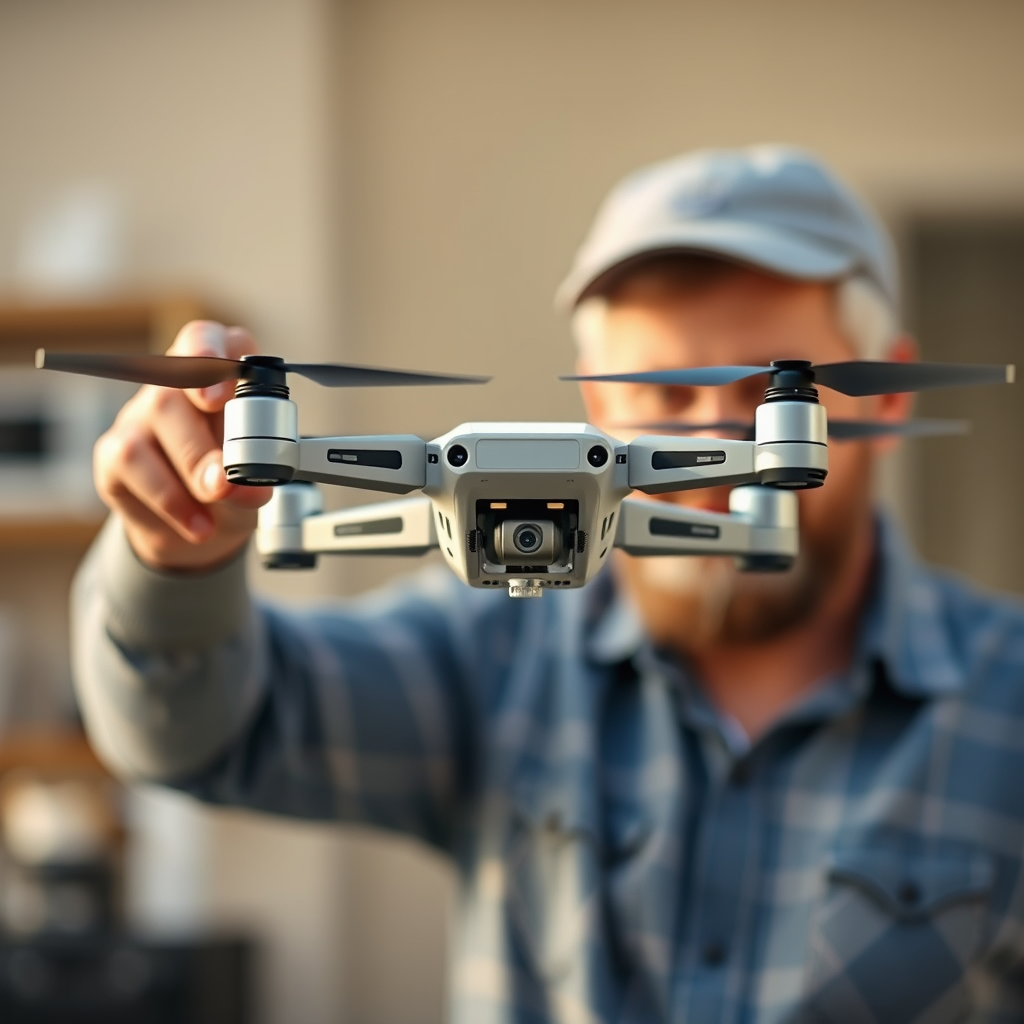
Yes, you can shoot down a drone with a slingshot, but doing so may be illegal and pose safety risks. As drones become increasingly popular for various recreational and commercial purposes, concerns about privacy and safety have also escalated. Many individuals may feel tempted to take matters into their own hands when it comes to unwanted drone activity. However, before resorting to such drastic measures, it is essential to understand the legal implications, effectiveness, and potential consequences of using a slingshot against drones.
Understanding Drone Regulations
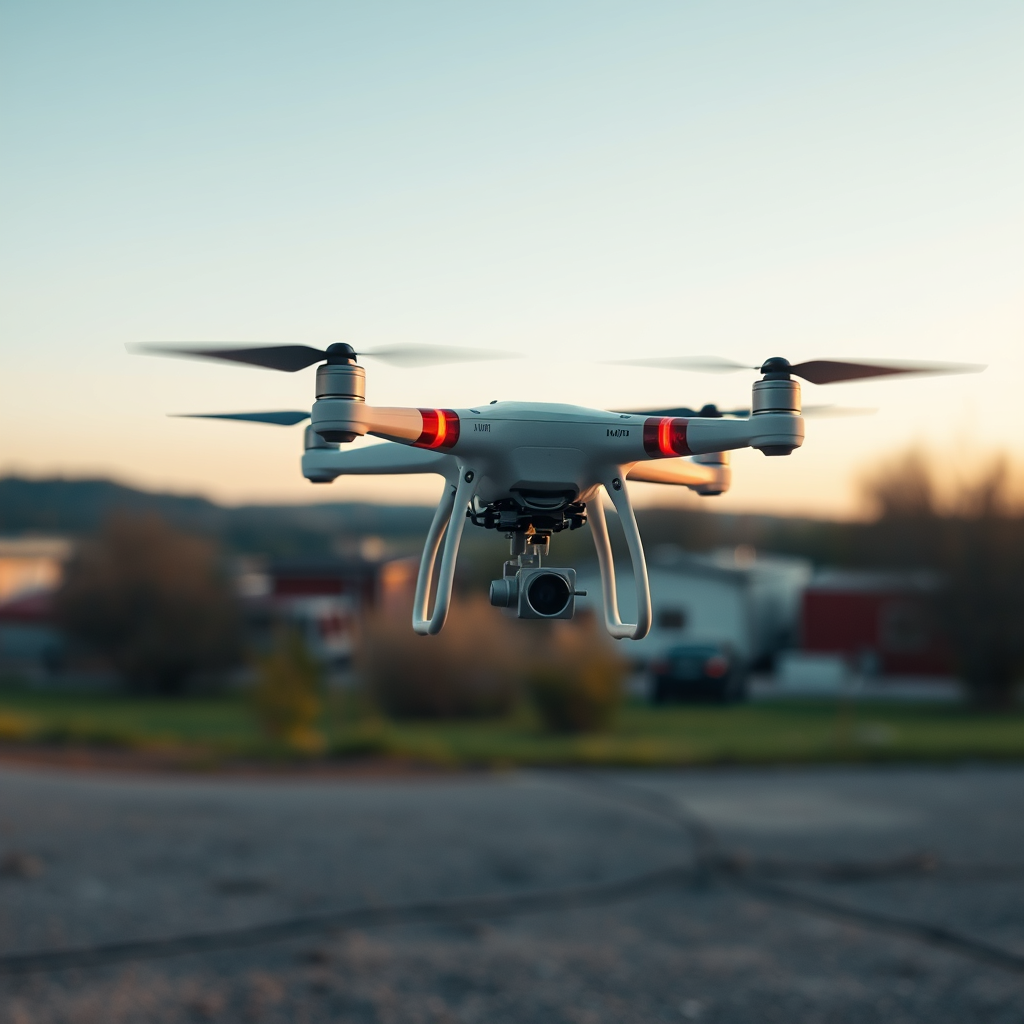
Drone regulations vary significantly across different countries and even within regions of the same country. In many jurisdictions, laws are in place that specifically prohibit the destruction of drones, especially those owned by others. For instance, in the United States, the Federal Aviation Administration (FAA) has stringent regulations regarding airspace and drone operation. Engaging in any actions that may be deemed as destruction of property can lead to serious legal repercussions, including criminal charges or civil liability.
Moreover, drones are often classified as aircraft, and targeting them could be viewed as interfering with aviation operations. This perspective has been upheld in various legal cases, where individuals who shot down drones faced fines and legal actions. Understanding these regulations is critical for anyone considering taking aggressive action against a drone, as the consequences could far outweigh the perceived benefits.
Effectiveness of a Slingshot Against Drones
While a slingshot may seem like a feasible tool for bringing down a drone, its effectiveness is highly questionable. Drones typically fly at altitudes ranging from 100 to 400 feet, and many models can reach speeds of up to 50 miles per hour. This combination of height and speed makes them challenging targets for a slingshot, which relies on a combination of strength, precision, and timing to be effective.
Moreover, the likelihood of hitting a small, moving target from a distance is significantly reduced with a slingshot. The aerodynamic design of drones means they can maneuver quickly, making it hard to predict their trajectory. In practice, using a slingshot against a drone is more likely to result in failure than success, leading to wasted effort and potential legal repercussions.
Safety Risks Involved
Shooting at a drone with a slingshot is not without its risks, particularly concerning safety. One of the most significant dangers is the potential for hitting bystanders or damaging property. Drones often operate in public spaces, where people might be unaware of an impending projectile. A misfired shot could cause unintended injuries, leading to serious consequences both ethically and legally.
Additionally, should the drone be shot down, it may crash into nearby buildings, vehicles, or individuals, causing damage and injuries. Such outcomes could result in civil lawsuits or criminal charges against the shooter. Thus, the safety risks involved in attempting to shoot down a drone far outweigh any benefits an individual might perceive.
Alternative Methods for Drone Mitigation
Rather than resorting to drastic measures like using a slingshot, there are more effective and legal alternatives for dealing with unwanted drone activity. One option is to utilize drone jammers, which can disrupt the communication between the drone and its operator, forcing the drone to land safely. However, it is crucial to check the legality of using such devices in your area, as many places have specific laws against their use.
Another approach is to report the drone to local authorities. Most municipalities have regulations in place governing drone use, particularly concerning privacy violations or reckless operation. By informing law enforcement or local aviation authorities, individuals can address their concerns through legal channels rather than taking matters into their own hands.
Public Perception and Community Guidelines
The perception of drones within a community can significantly influence how individuals respond to unwanted aerial surveillance. Some people may view drones as a nuisance or invasion of privacy, while others may appreciate the technology for its benefits in fields like photography, surveying, and delivery.
Understanding the sentiments of your community is essential before taking any action against a drone. Engaging in discussions about drone regulations, privacy rights, and community guidelines can foster a more informed and cohesive dialogue about acceptable drone use. Communities may even decide to establish local rules or guidelines to govern drone operations, ensuring that everyone’s rights and safety are respected.
Tips for Responsible Drone Interaction
If you find yourself in a situation where a drone is invading your privacy or causing distress, it is vital to handle the situation responsibly. Instead of attempting to shoot it down, consider documenting the situation by taking photos or videos of the drone and its activities. This documentation can serve as evidence if you decide to report the drone to authorities.
Additionally, familiarize yourself with local laws regarding drone usage and personal rights. Knowing your rights can empower you to take appropriate action while remaining within legal boundaries. Engaging with local drone enthusiasts or community groups can also provide insights into the responsible use of drones and how to address concerns effectively.
In conclusion, while it is technically possible to shoot down a drone with a slingshot, it is fraught with legal and safety challenges. Engaging in such actions could lead to significant legal repercussions, including criminal charges and civil liability. It is crucial to explore lawful alternatives for addressing unwanted drone activity, such as reporting to authorities or utilizing legal mitigation methods. Always prioritize safety and legality in any action you consider, ensuring that you contribute positively to the ongoing dialogue surrounding drone use in your community.
Frequently Asked Questions
Can I legally shoot down a drone with a slingshot?
Legally, shooting down a drone with a slingshot is generally considered illegal in many jurisdictions. U.S. federal law prohibits the destruction of drones as they are classified as aircraft, and doing so could lead to severe penalties, including fines and possible criminal charges. Always check local regulations regarding drone usage and personal property rights before taking any action.
How effective is a slingshot at bringing down a drone?
A slingshot can be somewhat effective at bringing down a drone, but its success largely depends on your accuracy and the type of drone. Most consumer drones are lightweight and can be susceptible to impact; however, targeting a moving drone accurately can be quite challenging. Additionally, using a slingshot may not guarantee that the drone will be severely damaged or brought down, as many drones are designed to withstand minor collisions.
Why would someone want to shoot down a drone with a slingshot?
People may consider shooting down a drone with a slingshot due to concerns about privacy invasion, safety, or property rights. For example, if a drone is flying over private property or is believed to be recording without consent, individuals might feel compelled to take action. However, it’s crucial to recognize that there are legal avenues available for addressing drone-related concerns that do not involve destructive measures.
What are the best alternatives to shooting down a drone with a slingshot?
Instead of resorting to a slingshot or other destructive methods, consider alternatives like reporting the drone to local authorities or filing a complaint with the Federal Aviation Administration (FAA). You might also use signal blockers or noise devices designed to disrupt drone operations legally. Engaging with local drone regulations or community forums can also help address concerns without resorting to potentially illegal actions.
Which types of drones are most vulnerable to being shot down?
Generally, smaller, consumer-grade drones are more vulnerable to being shot down due to their lightweight construction. Drones that lack advanced stabilization and safety features may also be more susceptible to impact. However, it’s essential to remember that regardless of the drone type, attempting to shoot one down poses legal risks and ethical considerations that should not be overlooked.
References
- https://en.wikipedia.org/wiki/Drone#Regulation_and_law
- https://www.faa.gov/uas/
- https://www.nytimes.com/2020/06/16/us/drone-regulations.html
- https://www.theguardian.com/technology/2018/dec/11/drone-law-uk-how-to-know-what-is-legal
- https://www.nass.org/can-i-shoot-down-a-drone
- https://www.aclu.org/news/privacy-technology/can-you-shoot-down-a-drone-what-the-law-says
- https://www.wired.com/story/how-to-know-if-you-can-shoot-down-a-drone/
