
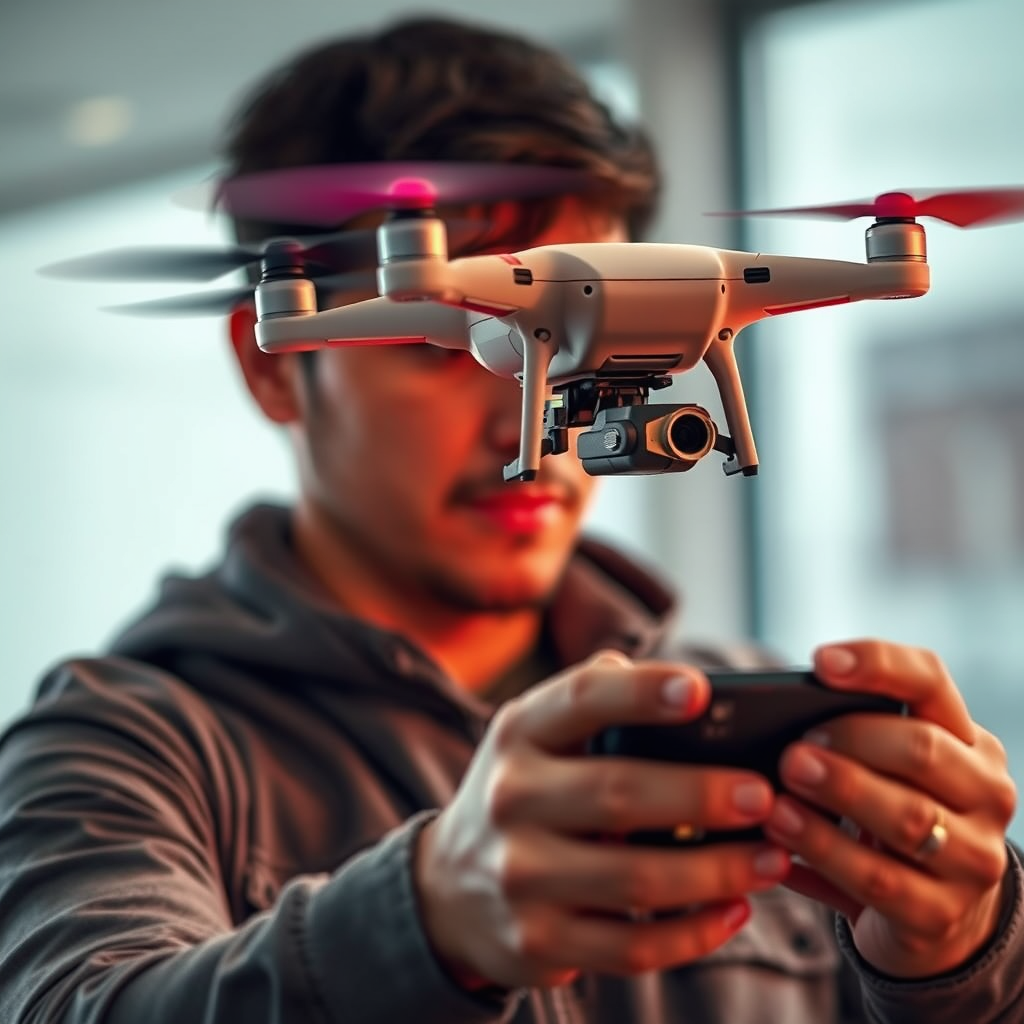
Yes, you can shoot down drones under specific circumstances, but it is illegal in many jurisdictions and could result in severe legal consequences. The advent of drone technology has ushered in a new era of aerial surveillance, photography, and delivery services, but it has also led to significant legal and ethical debates regarding airspace rights. This article will explore the legal implications surrounding the act of shooting down drones, the reasons drones are present in your airspace, and viable alternatives to consider before resorting to such drastic measures.
Understanding Drone Regulations
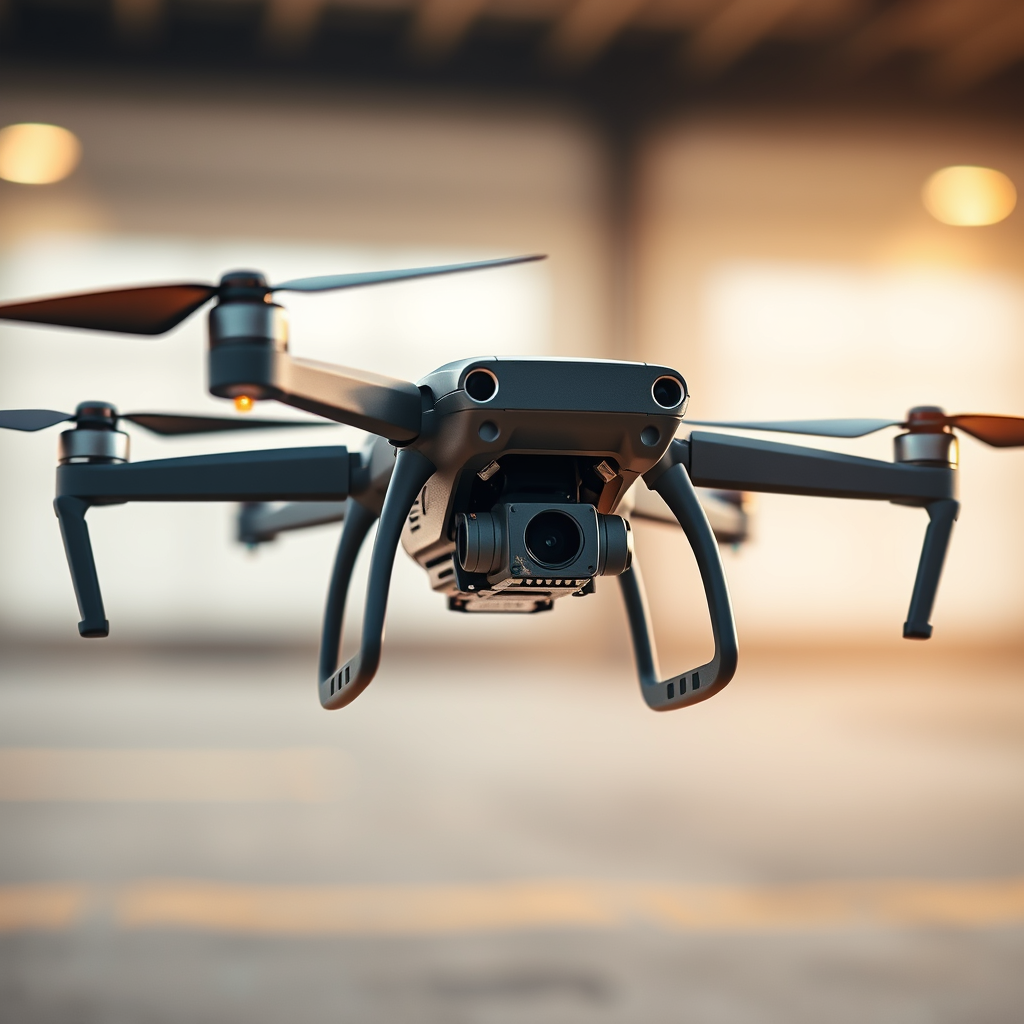
The regulation of drones is governed by a combination of federal and state laws, which can vary significantly depending on location. At the federal level, the Federal Aviation Administration (FAA) oversees drone operations in the United States, establishing guidelines that dictate where and how drones can be flown. For instance, drones are typically prohibited from flying above 400 feet and must avoid no-fly zones, which include areas near airports and certain public facilities.
State laws can impose additional restrictions, such as requiring drone operators to obtain permits or licenses for specific types of flights. Understanding these regulations is crucial for anyone contemplating shooting down a drone, as ignorance of the law does not exempt individuals from legal responsibility. Moreover, knowing your rights and responsibilities helps promote safe interactions with drone operators, encouraging dialogue rather than conflict.
The Legal Risks of Shooting Down Drones
Shooting down a drone can expose individuals to serious legal risks. Potential criminal charges can include unlawful use of a firearm, destruction of property, and even endangerment of lives. For example, in many jurisdictions, discharging a firearm in a populated area is a felony, which could lead to significant fines and imprisonment.
In addition to criminal liabilities, individuals may also face civil lawsuits for damages caused by shooting down a drone. If a drone is damaged or destroyed, the owner can seek compensation for the loss, which could involve substantial financial penalties. Legal precedents show that courts tend to favor property rights, and shooting down a drone could be construed as an illegal act of vandalism. Therefore, the legal ramifications of shooting down a drone can be extensive and costly.
Reasons Drones Are in Your Airspace
Drones serve various purposes, ranging from recreational use to commercial operations. Common applications include aerial photography, agricultural monitoring, parcel delivery, and even surveillance for security purposes. Understanding the motivations behind a drone’s presence in your airspace is paramount before reacting.
Misidentifying a drone’s purpose can lead to unnecessary conflict. For instance, a drone flying over your property may be capturing photographs for a real estate listing rather than invading your privacy. It is essential to consider the context and functionality of the drone before taking action, as this may alter your perspective on its presence.
Alternatives to Shooting Down Drones
Instead of resorting to shooting down a drone, there are several alternatives that are both legal and effective. One of the primary actions is to report the drone to local authorities or the FAA. Providing details about the drone’s appearance, flight patterns, and any suspicious behavior can help authorities address the situation appropriately.
Another option is to utilize anti-drone technology or services, which are becoming increasingly available. These solutions can include drone detection systems that alert you to the presence of unauthorized drones in your vicinity, allowing for a more informed response without the need for direct confrontation.
Public Safety and Ethical Considerations
The act of shooting down a drone poses significant risks to public safety and raises ethical questions. A drone, when shot down, can fall uncontrollably, potentially injuring people or damaging property on the ground. The harm caused by such actions can far outweigh the perceived threat posed by the drone itself.
Moreover, the ethical considerations surrounding the use of force against a drone are substantial. Engaging in violence may escalate tensions between individuals and drone operators, leading to a cycle of hostility that could have been avoided through peaceful communication. It is imperative to consider non-violent solutions, as they not only adhere to legal standards but also foster a more harmonious community environment.
Case Studies and Precedents
Several incidents involving the shooting down of drones have made headlines, often with significant legal consequences. For example, in 2015, a man in New Jersey shot down a drone that he believed was invading his privacy, resulting in criminal charges and a court ruling in favor of the drone’s owner. This case highlights the legal complexities and potential repercussions of taking matters into one’s own hands.
Another notable case occurred in 2017 when an individual in Colorado shot down a drone believed to be spying on him. The court found that the drone operator had not violated any laws and ordered the shooter to pay damages. These cases serve as cautionary tales, emphasizing the importance of adhering to legal frameworks and understanding the potential outcomes of actions taken against drones.
In conclusion, while it might be tempting to shoot down a drone intruding on your privacy or property, the legal repercussions and ethical considerations are significant. Understanding the regulations surrounding drones, recognizing the reasons they are present in your airspace, and exploring legal alternatives is crucial. Reporting concerns to the authorities and utilizing technology can provide a safer and more effective response. Staying informed and acting responsibly when dealing with drones in your vicinity will not only protect your rights but also contribute to a more peaceful coexistence in our increasingly crowded airspace.
Frequently Asked Questions
Can I legally shoot down a drone that is flying over my property?
Legally shooting down a drone that is flying over your property can lead to serious consequences. In most jurisdictions, drones are considered aircraft under federal law, making it illegal to shoot them down without explicit authorization. Instead, it is advisable to contact local law enforcement or the Federal Aviation Administration (FAA) if you believe a drone is invading your privacy or posing a threat.
What should I do if a drone is hovering above my house?
If a drone is hovering above your house, the first step is to assess the situation. Ensure that it is not a legitimate commercial operation or a public safety drone. If you feel uncomfortable or threatened, document the drone’s appearance and flight pattern, and then contact local authorities to report it. Avoid confronting the operator directly, as this could escalate the situation.
Why do people want to shoot down drones?
People may want to shoot down drones for various reasons, including privacy concerns, safety issues, or annoyance at intrusive behavior. Drones can capture images or videos without consent, which can lead to feelings of vulnerability. However, it is crucial to understand that taking such action is illegal and can result in criminal charges or civil liability.
What are the best alternatives to shooting down a drone?
Instead of shooting down a drone, consider safer alternatives such as using a signal jammer, if legal in your area, or contacting local authorities for assistance. You can also utilize privacy screens or other measures to block the drone’s line of sight if you’re concerned about privacy violations. Educating yourself about drone laws and reporting any violations can also be effective in managing the situation peacefully.
Which laws apply to shooting down drones in the United States?
In the United States, the primary laws that apply to shooting down drones include federal aviation regulations and property laws. The FAA regulates airspace and considers drones as aircraft, making it illegal to shoot them down. Additionally, laws vary by state, and some states have enacted specific drone-related legislation, so it’s essential to be aware of both federal and state regulations before taking any action.
References
- https://en.wikipedia.org/wiki/Drone_regulation_in_the_United_States
- https://www.faa.gov/uas/resources/policy_library/
- https://www.nytimes.com/2022/11/25/us/drone-laws.html
- https://www.theguardian.com/technology/2021/jan/21/drones-shooting-down-privacy-legal
- https://www.c-span.org/video/?c4900367/drone-regulation-issues
- https://www.lawfareblog.com/what-you-need-know-about-shooting-down-drones
- https://www.npr.org/2021/06/03/1002766278/drone-safety-regulations-are-changing-what-you-need-to-know
- https://www.aclu.org/news/privacy-technology/what-are-your-rights-when-it-comes-to-drones
- https://www.rand.org/pubs/research_reports/RR2706.html
