
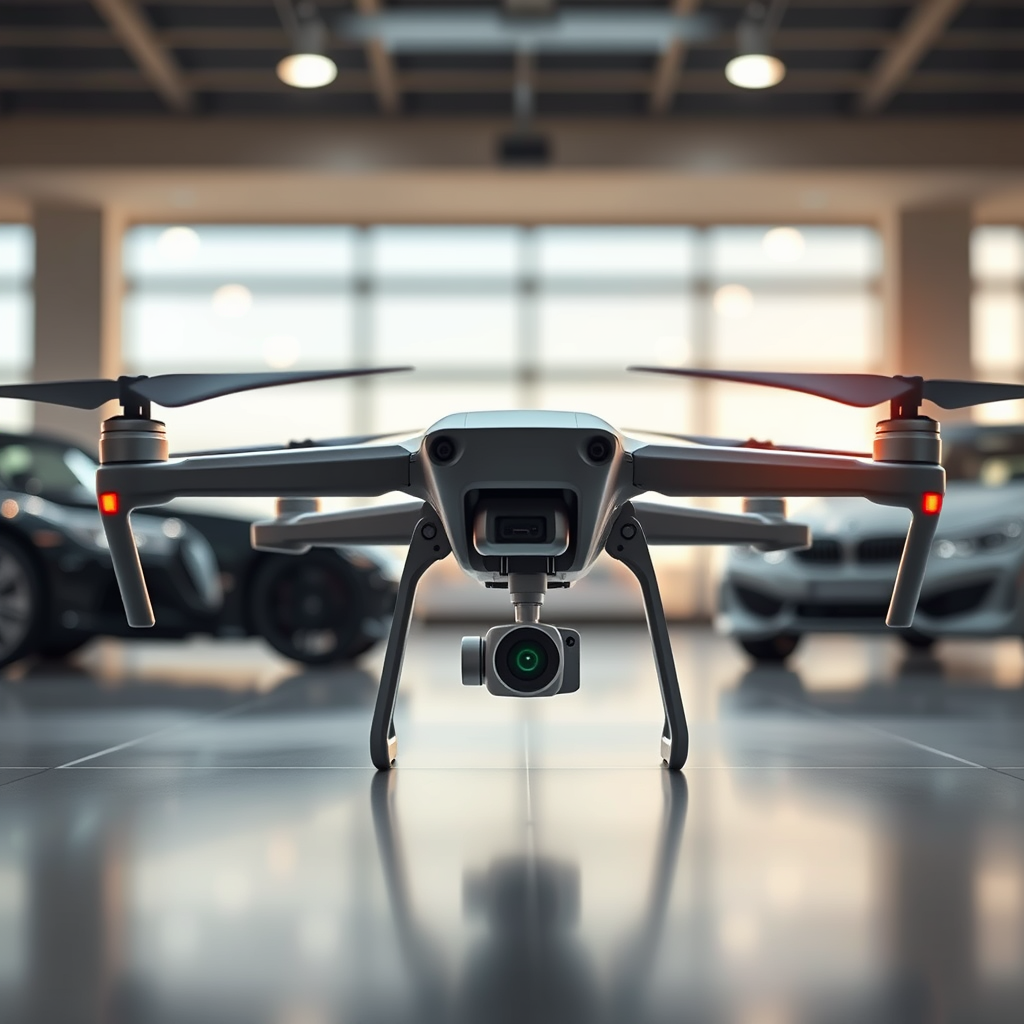
Yes, you can take your drone as carry-on luggage on most airlines, but there are specific regulations and guidelines you need to follow. Understanding these rules will help ensure a smooth travel experience while keeping your drone safe. As the popularity of drones continues to rise, many travelers wish to bring their devices along for capturing stunning aerial photographs or videos during their trips. However, it is essential to be aware of airline policies, battery regulations, and local laws to avoid complications during your journey.
Airline Policies on Drones
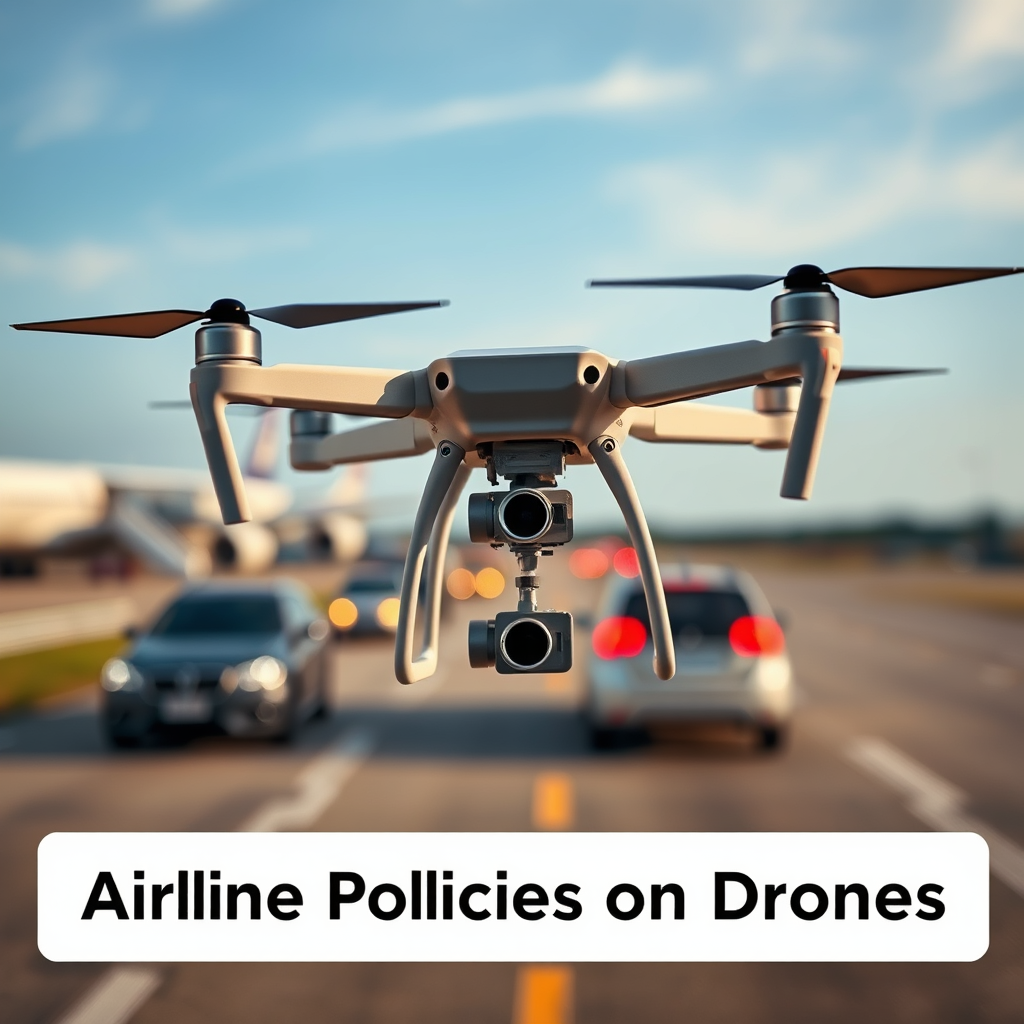
Different airlines have varying rules regarding drones in carry-on luggage. Some airlines allow drones as part of your carry-on baggage, while others may require them to be checked. For example, major carriers like Delta, American Airlines, and United Airlines generally permit drones in the cabin, provided they adhere to specific size and weight restrictions. However, it is crucial to check the airline’s website for specific drone guidelines before traveling, as policies may change and can vary by route or aircraft type. If you plan to travel with your drone, visiting the airline’s official page and reviewing their policy not only helps in compliance but also prepares you for any potential questions at the airport.
Battery Regulations
Lithium batteries are often subject to carry-on regulations due to safety concerns related to fire risks. Most airlines limit the number of batteries you can carry and require them to be within specific watt-hour limits. Typically, batteries that exceed 100 watt-hours are not allowed in carry-on luggage and must be shipped as cargo. For example, many consumer drones come with batteries rated between 3,000 mAh and 6,000 mAh, which translates to about 11.1 to 22.2 watt-hours, generally within acceptable limits. However, it’s essential to check the specifications of your batteries and ensure they meet airline regulations. Additionally, ensure that spare batteries are stored in protective cases or plastic bags to prevent short circuits during transit.
Packing Your Drone for Travel
Proper packing is essential for ensuring that your drone arrives at your destination in good condition. Using a protective case specifically designed for your drone model is highly recommended to avoid damage during transit. These cases often feature foam inserts that hold your drone and accessories securely. When packing your drone, ensure all components (remote, batteries, etc.) are easily accessible for security checks, as TSA agents may request to inspect them separately. Organizing your gear not only facilitates a smoother security process but also minimizes the risk of losing smaller components during your travels. Consider labeling your case as “fragile” to alert airline staff to handle it with care.
Security Screening Process
Be prepared to remove your drone from its case for inspection at security checkpoints. The Transportation Security Administration (TSA) recommends that travelers place their drones in bins for screening, similar to how you would handle laptops and other large electronics. Familiarizing yourself with TSA guidelines regarding electronics can expedite the screening process. This may include removing batteries from the drone and placing them in a separate bin. Additionally, consider arriving at the airport early to allow yourself ample time for the security process, especially if you are traveling during busy hours or peak travel seasons.
International Travel Considerations
Traveling internationally with a drone necessitates extra research, as different countries have specific regulations regarding drone usage. Some countries may require registration of your drone, while others may have strict restrictions on where you can fly. For instance, in countries like Canada or Australia, drone operators must adhere to local aviation regulations, which may include obtaining permits or licenses. Before arriving at your destination, research local laws and customs regarding drones to avoid potential fines or confiscation. Websites like the International Civil Aviation Organization (ICAO) or local aviation authorities can provide vital information on international drone regulations.
Tips for Traveling with a Drone
When preparing to travel with your drone, carry necessary documentation, such as registration or permits, to avoid issues at security checkpoints or upon arrival at your destination. Some countries may require proof of registration, so having this documentation handy can save you from unnecessary complications. Additionally, consider travel insurance that covers your drone in case of loss, theft, or damage. Insurance policies tailored for drone owners can provide peace of mind, allowing you to focus on capturing breathtaking aerial shots without worrying about the potential costs of repairs or replacements.
In conclusion, taking your drone as carry-on luggage is generally permissible, but you must adhere to airline policies, battery regulations, and local laws. By doing thorough research ahead of time, you can ensure a hassle-free travel experience with your drone. Always check airline policies, pack your equipment securely, prepare for security screenings, and familiarize yourself with international regulations. With careful planning and consideration, you can enjoy your travels while capturing stunning aerial visuals with your drone.
Frequently Asked Questions
Can I take my drone as carry-on luggage on flights?
Yes, you can typically take your drone as carry-on luggage on most airlines, but it’s essential to check the specific airline’s policy before traveling. Many airlines allow drones in carry-on bags as long as they comply with size and weight restrictions. Ensure that you also pack your drone safely to avoid damage during transit.
Are there specific regulations for traveling with a drone on domestic flights?
Yes, when traveling domestically with a drone, you must adhere to the Federal Aviation Administration (FAA) regulations, which require you to register your drone if it weighs over 0.55 pounds. Additionally, airlines may have their own rules regarding battery restrictions, so ensure that lithium batteries are stored properly and comply with guidelines regarding watt-hour limits.
What should I do if my drone’s batteries exceed the airline’s carry-on limits?
If your drone’s batteries exceed the airline’s carry-on limits, you have a couple of options. First, check if the airline allows you to ship the batteries separately or if you can purchase smaller, compliant batteries. Alternatively, consider using a drone with smaller batteries that meet carry-on regulations to avoid complications during your travel.
Why do airlines have restrictions on drone batteries?
Airlines impose restrictions on drone batteries, particularly lithium-ion batteries, due to safety concerns. These batteries can pose a fire hazard if damaged or improperly handled, especially in the cargo hold. By limiting the size and number of batteries allowed in the cabin, airlines aim to minimize risks and ensure passenger safety.
Which drones are best suited for travel as carry-on luggage?
When choosing a drone for travel, look for compact and lightweight models that easily fit into carry-on luggage. Popular options include foldable drones like the DJI Mavic series or the Parrot Anafi, which are designed for portability without compromising performance. Always check the dimensions and weight of your drone to ensure compliance with airline regulations.
References
- https://www.faa.gov/uas/getting_started/registration
- https://www.tsa.gov/travel/security-screening/whatcanibring/items/drone
- https://www.wired.com/story/airlines-drone-carry-on-luggage/
- https://www.nytimes.com/2019/07/17/travel/drone-travel-tips.html
- https://www.reuters.com/article/us-drone-airline-idUSKBN1WH0J4
- https://www.ama-assn.org/delivering-care/public-health/can-i-take-my-drone-my-vacation
- https://www.tripsavvy.com/drone-travel-tips-4170832
- https://www.flylax.com/traveling-with-your-drone-guide-to-lax
- https://www.bbc.com/news/technology-49435664
