
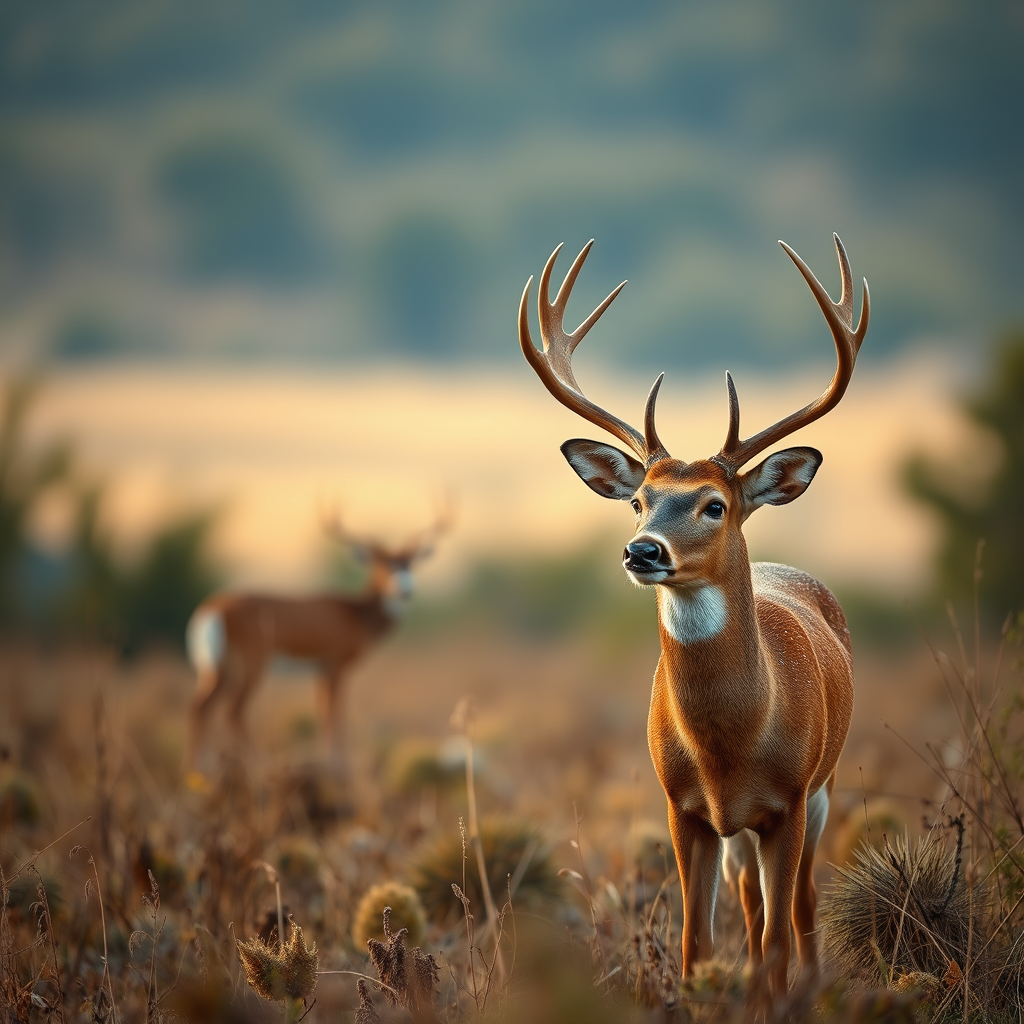
Yes, you can use a drone to recover your deer. Drones have become a valuable tool for hunters, particularly in enhancing the efficiency of locating downed game in challenging terrains. With their ability to cover vast areas quickly and provide a unique vantage point, drones can significantly improve your chances of finding a deer after a hunt. However, it is essential to understand the legalities, choose the right equipment, and follow best practices to ensure that your use of drones is both effective and responsible. This article will explore practical tips, legal considerations, and the benefits of using drones in deer recovery.
Understanding Drone Regulations
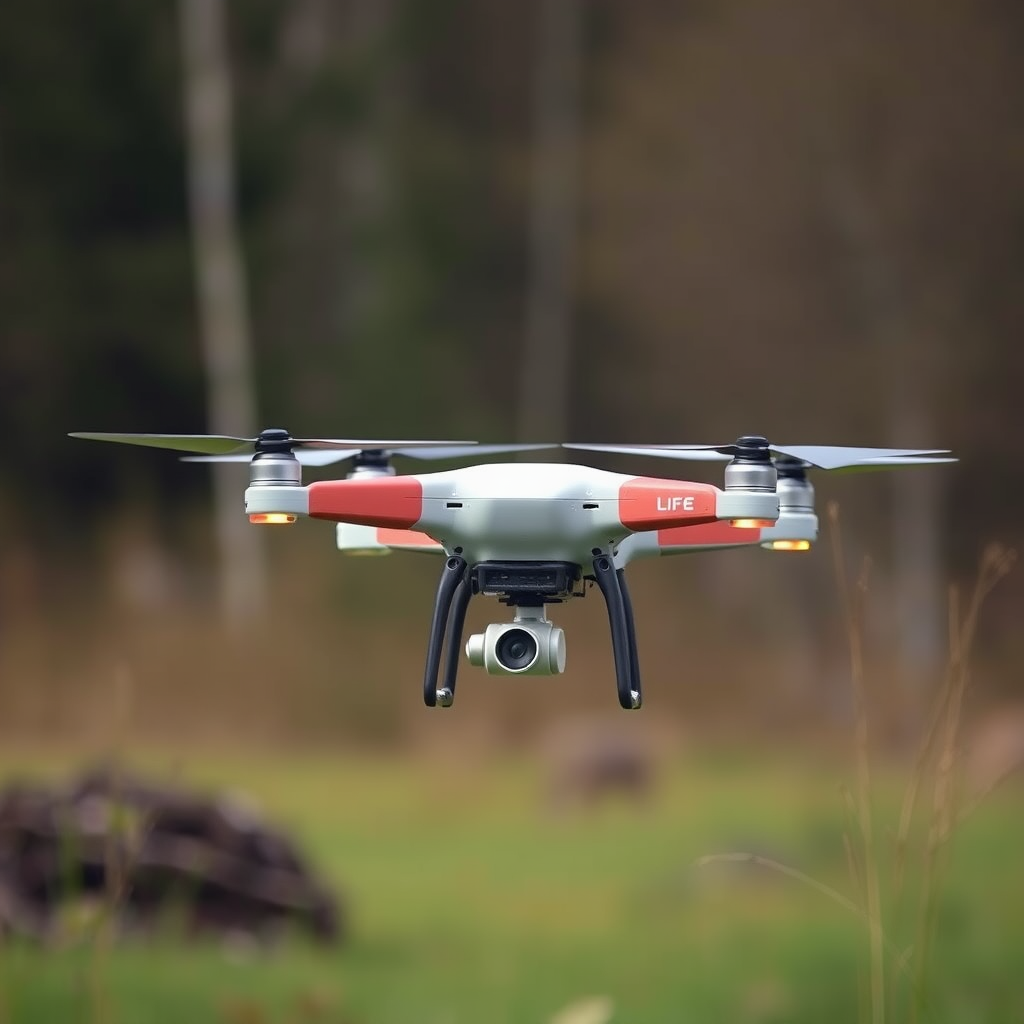
Before integrating drones into your hunting strategy, it is crucial to familiarize yourself with the Federal Aviation Administration (FAA) regulations regarding drone usage, especially in hunting contexts. The FAA mandates that all drone operators must adhere to specific guidelines, such as flying below 400 feet, maintaining a visual line of sight with the drone, and not operating in controlled airspace without prior authorization. Additionally, many states have laws that may further restrict or allow drone usage during hunting activities, which can vary significantly from one jurisdiction to another. For instance, some states may prohibit the use of drones for hunting or retrieving game altogether, while others might allow it under certain conditions. Always check with local wildlife agencies to ensure compliance with both federal and state regulations before deploying a drone in the field.
Choosing the Right Drone
Selecting the appropriate drone is vital for effective deer recovery. Look for drones equipped with high-resolution cameras, as these will provide clearer images and enhance visibility when scanning areas from the sky. A drone with a 4K camera or thermal imaging capabilities can be particularly beneficial in locating deer in dense foliage or during low-light conditions. Additionally, consider the flight time and range of the drone; models that offer longer battery life (30 minutes or more) and extended operational ranges (over 1 mile) are ideal for covering larger hunting areas. Features such as GPS tracking, obstacle avoidance, and automated flight paths can also enhance the efficiency of your search operations.
Best Practices for Deer Recovery with Drones
To maximize the effectiveness of your drone in deer recovery, it is best to deploy it after your initial search. While on-foot searches can help you cover smaller, more accessible areas, drones excel at scanning larger expanses quickly. Establishing a systematic search pattern, such as a grid or spiral, can help ensure that you do not miss any potential sightings. When flying your drone, consider flying at a height that balances visibility with the ability to spot deer among the underbrush; typically, 100-200 feet is a good starting range. Furthermore, make sure to communicate with your hunting partners during the flight to coordinate efforts and maximize search efficiency.
Advantages of Using Drones for Recovery
The advantages of utilizing drones for deer recovery are numerous. First and foremost, drones can cover large areas in a fraction of the time it would take for a human search party. This rapid capability not only saves time but also reduces the stress on both hunters and the deer, which can be critical for minimizing the likelihood of losing the animal. The bird’s-eye view provided by drones allows for better visibility of the terrain, making it easier to spot the animal, especially in densely wooded or challenging landscapes. Moreover, the ability to review footage after the flight can help hunters assess the area more thoroughly and identify potential spots where the deer may have traveled.
Limitations and Challenges
Despite the many benefits, using drones for deer recovery does come with certain limitations and challenges. One primary concern is battery life; while many drones offer impressive flight durations, it is essential to monitor battery levels to avoid losing the drone mid-flight. Additionally, technical failures can occur, ranging from software glitches to hardware malfunctions, which can impede your recovery efforts. Weather conditions also play a significant role in drone performance; rain, high winds, and fog can severely limit visibility and flight stability, making it unsafe or impossible to operate the drone effectively in such conditions. As a result, hunters should always have a backup plan in place should the drone be rendered unusable.
Ethical Considerations in Drone Usage
Using a drone for deer recovery raises several ethical considerations that hunters must navigate carefully. It is crucial to ensure that drone usage does not disturb wildlife or other hunters in the vicinity. Excessive noise or activity from a drone can spook game animals, potentially making them harder to find. Additionally, respect for privacy and property rights is paramount; flying a drone over someone else’s land without permission may violate their rights and lead to conflicts. Always seek consent before flying over private property, and be mindful of the presence of other hunters to maintain a respectful hunting environment.
Tips for Integrating Drones into Your Hunting Strategy
To effectively integrate drones into your hunting strategy, practice flying your drone before the hunting season to ensure you are familiar with its controls and capabilities. This will help prevent mishaps during crucial search periods. Additionally, collaborating with hunting partners can optimize search efforts; assign roles based on each person’s strengths, such as piloting the drone or scanning the ground for signs of deer. Discussing search strategies and reviewing footage together can enhance your overall approach to deer recovery, making the most of the technology at your disposal.
Using a drone to recover your deer can be an effective tool when used responsibly and legally. By following regulations and best practices, you can enhance your hunting experience and improve your chances of a successful recovery. As technology continues to evolve, the integration of drones into hunting practices will likely become more commonplace, offering both opportunities and challenges for hunters. Embrace this innovation, stay informed, and ensure that your drone usage contributes positively to your hunting endeavors.
Frequently Asked Questions
Can I use a drone to locate my deer after a hunt?
Yes, using a drone to locate a deer after a hunt can be an effective method. Drones equipped with high-resolution cameras allow hunters to cover large areas quickly, making it easier to spot a downed deer, especially in dense foliage or rugged terrain. Additionally, thermal imaging drones can help locate deer by detecting their body heat, which can be particularly useful during early morning or late evening when visibility is low.
What are the legal regulations regarding using drones for deer recovery?
The legality of using drones for deer recovery varies by state and country, so it’s essential to check local hunting regulations before using a drone. Some regions may have restrictions on drone usage during hunting seasons or specific guidelines about how and when drones can be used. Familiarizing yourself with these regulations can help ensure that you are hunting ethically and legally.
How can I effectively use a drone to track down my deer after a shot?
To effectively use a drone for tracking down a deer, first, ensure that your drone is fully charged and equipped with a good camera. After shooting, wait a reasonable amount of time before deploying the drone to allow the deer to settle. Fly the drone over the area where you last saw the deer, focusing on natural cover and possible hiding spots. Using a drone with GPS and mapping capabilities can enhance your search efficiency.
What features should I look for in a drone for deer recovery?
When selecting a drone for deer recovery, look for features such as high-resolution cameras, long battery life, and GPS capabilities. A drone with thermal imaging is particularly beneficial, as it can detect heat signatures in low visibility conditions. Additionally, consider the drone’s range and ease of use, as you’ll want to operate it quickly and efficiently while in the field.
Why is using a drone for deer recovery becoming popular among hunters?
The popularity of using drones for deer recovery among hunters is largely due to their ability to save time and increase efficiency. Drones can quickly cover large areas where a deer might be hiding, reducing the time spent on foot searching for a downed animal. Furthermore, technological advancements such as thermal imaging allow hunters to locate deer in challenging conditions, making the recovery process more successful and less stressful.
References
- https://www.nationalgeographic.com/science/article/drones-hunting-deer
- https://www.abc.net.au/news/2020-11-13/drones-are-helping-hunters-find-deer/12885054
- https://www.outdoorlife.com/using-drones-to-recover-deer/
- https://www.wildlife.state.nm.us/hunting/
- https://www.dnr.state.mn.us/hunting/index.html
- https://www.wisconsin.gov/Pages/AllIndividuals/DeerHunting.aspx
- https://www.fws.gov/
- https://www.nass.usda.gov/Newsroom/Notices/2021/2021-03-25-Drones.pdf
