
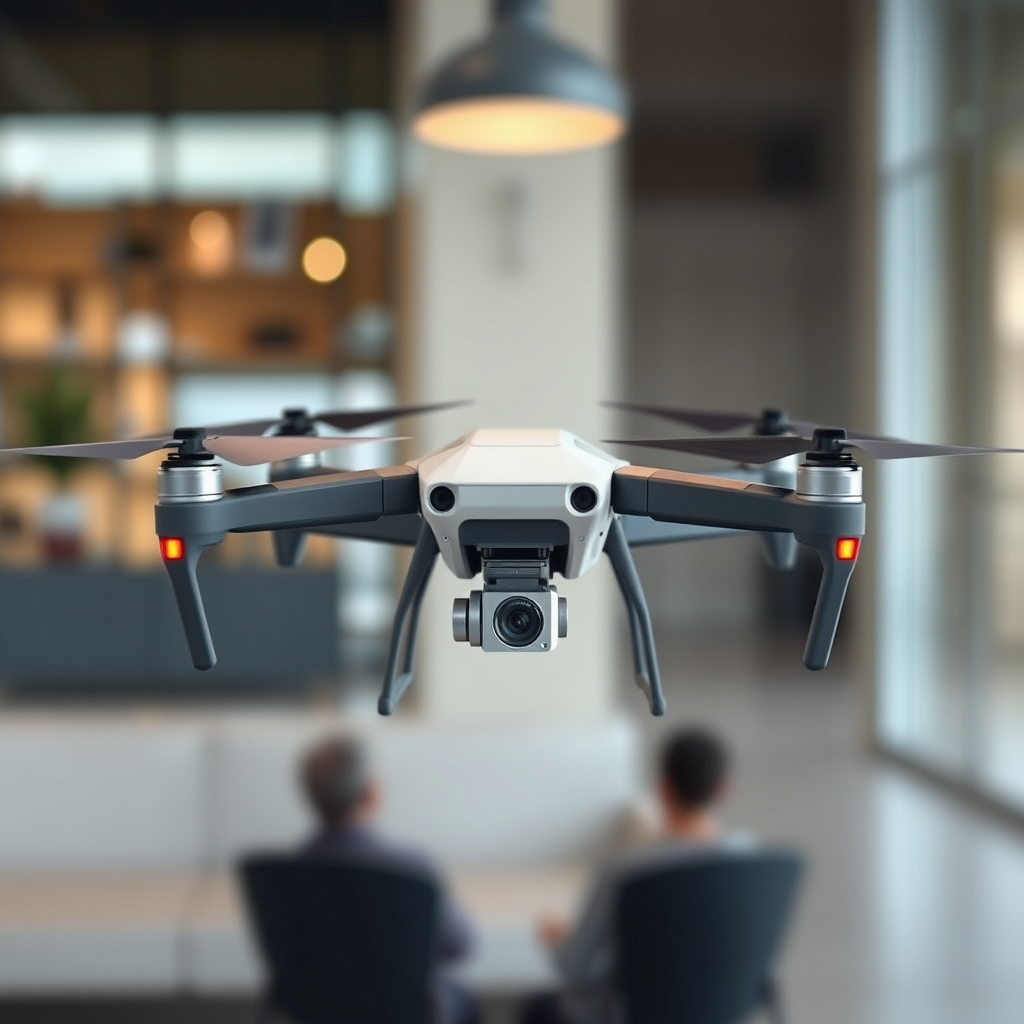
Yes, you can use a drone in Australia, but there are specific regulations and guidelines that you must follow to ensure safety and compliance. Understanding these rules is crucial for both hobbyist and commercial drone operators, as failing to adhere to them can result in hefty fines or restrictions on drone use. The Civil Aviation Safety Authority (CASA) governs the use of drones in Australia, and it is essential to familiarize yourself with their requirements to enjoy a safe and legal flying experience.
Understanding Australian Drone Regulations
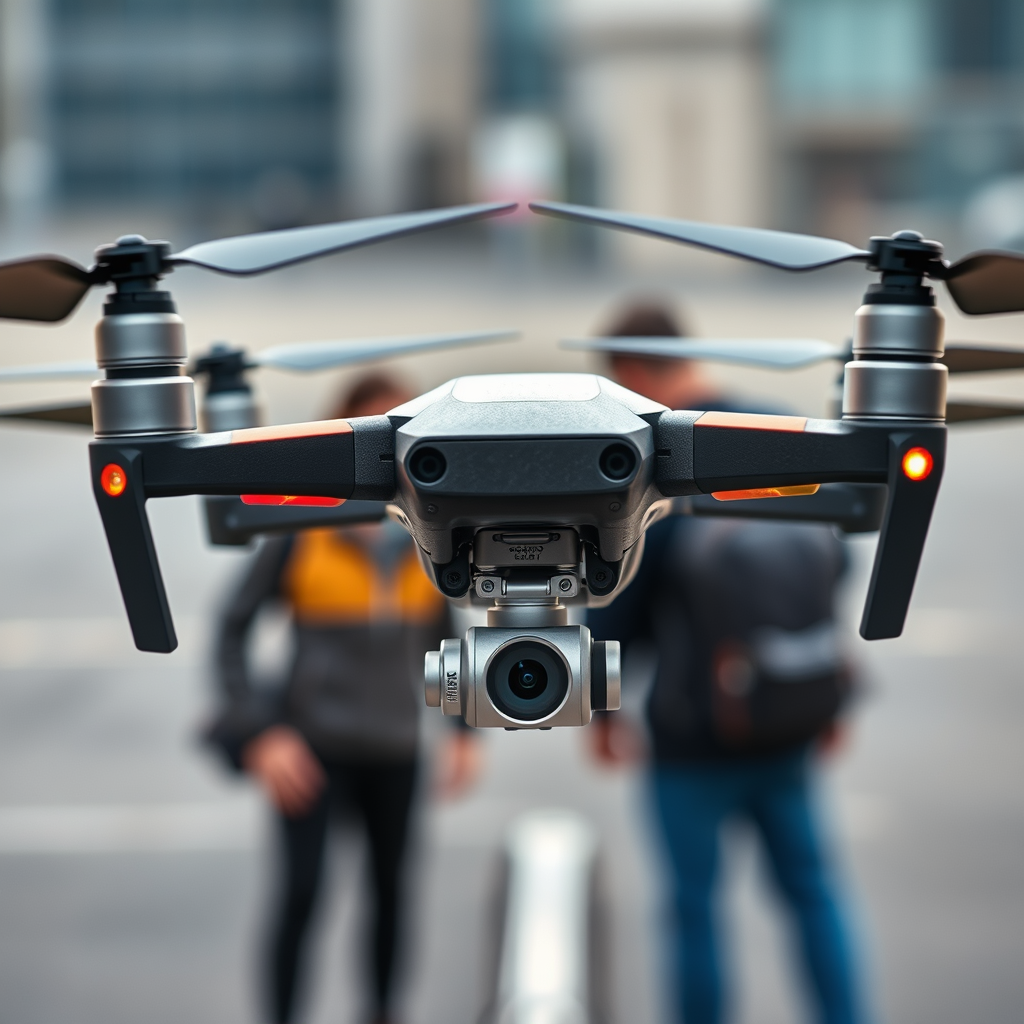
The Civil Aviation Safety Authority (CASA) plays a pivotal role in managing Australian airspace and ensuring safe aviation practices, including the operation of drones. CASA has established a set of regulations that cater to both recreational and commercial drone users. For instance, recreational drone operators must adhere to a maximum altitude of 120 meters (400 feet) and must not fly within 30 meters of people, while commercial operators are subject to more stringent regulations, including the need for a Remote Pilot License (RePL) and an Operating Certificate (ReOC) under specific circumstances.
In addition to general operational rules, CASA also emphasizes the importance of being aware of local laws and regulations, which can vary across states and territories. For example, some areas may have additional restrictions in place due to environmental concerns or public safety considerations. Therefore, it is imperative to stay updated on both national and local regulations to ensure compliance.
Types of Drones You Can Use
Drones can be categorized into three main types: toy drones, recreational drones, and commercial drones. Toy drones typically have a lightweight design and often fall under the classification of devices weighing less than 250 grams. These drones are generally exempt from registration, making them accessible for beginners looking to explore drone flying.
Recreational drones, weighing between 250 grams and 2 kilograms, require users to follow CASA regulations but do not necessitate a formal license. However, operators must still comply with safety guidelines, including maintaining visual line-of-sight and avoiding restricted airspace.
Commercial drones, which weigh more than 2 kilograms or are used for any form of compensation, require operators to obtain a RePL and a ReOC. These drones are often equipped with advanced technology, enabling them to be used for various applications such as aerial photography, surveying, and agricultural monitoring. Each category of drone has its own maximum weight limits and operational restrictions, making it essential for users to understand the classification of their drone before flying.
Registration and Licensing Requirements
When operating a drone in Australia, it is necessary to register your drone with CASA if it weighs more than 250 grams. Registration can be completed online through the CASA website, which requires users to provide details about the drone and their personal information. Once registered, operators are assigned a unique registration number that must be displayed on the drone.
For commercial drone operators, additional licensing is required. The Remote Pilot License (RePL) is obtained through a training course that covers essential aspects such as flight safety, airspace rules, and the practical operation of drones. Additionally, depending on the scale and nature of the commercial operation, an Operating Certificate (ReOC) may also be required. This certificate ensures that the operator adheres to operational safety standards and has a comprehensive safety management system in place.
No-Fly Zones and Restrictions
In Australia, certain areas are designated as no-fly zones to ensure public safety and security. These typically include locations such as airports, military bases, and national parks. For instance, drones are prohibited from flying within 5.5 kilometers of controlled airports without explicit permission from air traffic control. Similarly, flying over populated areas or large gatherings is also restricted to minimize risks to public safety.
It is vital for drone operators to be aware of these restrictions and to regularly check for updates, as restrictions may change based on local events or new regulations. Utilizing apps such as AirMap or CASA’s own drone safety app can help operators verify their airspace and understand any applicable restrictions before embarking on a flight.
Safety Guidelines for Drone Operation
Operating a drone safely is paramount to ensuring not only the safety of the operator but also that of the public and property. CASA has outlined several best practices for responsible drone operation. Firstly, maintaining visual line-of-sight with the drone at all times is crucial. This means that operators should not fly their drones beyond their sight, even if equipped with first-person view (FPV) technology.
Additionally, it is important to avoid flying over people and vehicles to reduce risks in case of a malfunction. Operators should also conduct pre-flight checks to ensure that the drone is in good working condition and that the battery is adequately charged. Keeping a safe distance from emergency situations, such as fires or accidents, is also essential to prevent interference with emergency services.
Lastly, operators should be aware of weather conditions that may affect drone performance and avoid flying in adverse conditions such as high winds or rain, which could lead to accidents.
Insurance and Liability Considerations
While insurance is not a legal requirement for recreational drone operators in Australia, it is highly recommended to protect your investment and mitigate potential liability issues. For commercial drone operators, having insurance coverage is often a prerequisite for obtaining a ReOC. Insurance can cover damages caused by accidents, including property damage and personal injury, and can also provide peace of mind while operating the drone.
Understanding liability issues is critical for drone operators. If a drone malfunctions and causes damage or injury, the operator may be held liable for any resulting claims. Hence, investing in comprehensive insurance coverage is a prudent step toward safeguarding both the operator and the public.
Resources for Drone Operators in Australia
Several resources are available for drone operators in Australia to help navigate regulations and improve their flying experience. The official CASA website provides extensive information on drone regulations, registration, and safety guidelines. Additionally, apps such as AirMap and DroneMate offer real-time information about airspace restrictions and local regulations, making it easier for operators to plan their flights responsibly.
Community groups and forums, such as the Australian Drone Users Group on Facebook, provide valuable platforms for operators to share experiences, seek advice, and stay informed about the latest developments in the drone industry. Engaging with these communities can enhance both knowledge and skills, fostering a more responsible and informed drone operating culture.
In summary, using a drone in Australia is indeed possible, provided that operators adhere to the regulations set forth by CASA. It is crucial to stay informed about the rules, register and license drones appropriately, and engage with the drone community for a safe and enjoyable flying experience. By understanding and following these guidelines, drone enthusiasts can explore the skies while ensuring the safety and compliance of their operations.
Frequently Asked Questions
What are the regulations for using a drone in Australia?
In Australia, drone usage is regulated by the Civil Aviation Safety Authority (CASA). To operate a drone, you must follow specific rules such as flying below 120 meters, maintaining a visual line of sight, and not flying over people or in controlled airspace without permission. Additionally, if your drone weighs more than 2 kg, you may need to obtain a Remote Pilot License (RePL) and register your drone with CASA.
How do I register my drone in Australia?
To register your drone in Australia, you must visit the CASA website and complete the online registration process. All drones weighing over 250 grams must be registered, and the registration will require you to provide details such as your contact information and drone specifications. Once registered, you will receive a unique identification number that must be displayed on your drone.
Why is it important to follow drone laws in Australia?
Following drone laws in Australia is crucial for safety, privacy, and legal compliance. Non-compliance can lead to fines, legal action, or even criminal charges. Moreover, adhering to regulations helps prevent accidents, protects wildlife, and ensures the privacy of individuals, enhancing the overall acceptance of drones in society.
What are the best practices for flying a drone in urban areas in Australia?
When flying a drone in urban areas in Australia, it’s important to familiarize yourself with the local regulations and no-fly zones. Always maintain a visual line of sight, avoid flying over densely populated areas, and seek permission from property owners before capturing images. Additionally, be mindful of privacy concerns and respect the personal space of others to ensure a positive flying experience.
Which drone models are recommended for beginners in Australia?
For beginners in Australia, models like the DJI Mini 2 and the Ryze Tello are highly recommended due to their ease of use, lightweight design, and compliance with CASA regulations. These drones are not only user-friendly but also equipped with features like GPS and automated flight modes, making them ideal for newcomers to the hobby. Always check the specifications to ensure they meet the registration weight requirements before purchasing.
References
- https://www.casa.gov.au/drones
- https://www.gov.au/information-and-services/technology/drones
- https://www.transport.gov.au/aviation/drone-safety
- https://www.safework.nsw.gov.au/hazards-a-z/drones
- https://www.abc.net.au/news/2020-12-04/drone-use-in-australia-what-you-need-to-know/12949020
- https://www.australianaviation.com.au/2021/06/drone-regulations-in-australia/
- https://www.wired.com/story/drone-regulations-australia/
- https://www.unmannedaircraftsystemsassociation.org.au/
- https://www.anu.edu.au/about/our-story/our-people/researchers/drone-safety-research
