

Yes, people can ride in certain types of drones, specifically passenger drones designed for human transport. These innovative vehicles are still in the development stage, but advancements in technology are paving the way for a future where drone taxis may become commonplace. As urban congestion continues to worsen, the potential for aerial transport solutions has garnered significant interest from both the public and private sectors. This exploration will delve into passenger drones, the regulations surrounding them, technological advancements, potential use cases, and the challenges they face.
Understanding Passenger Drones
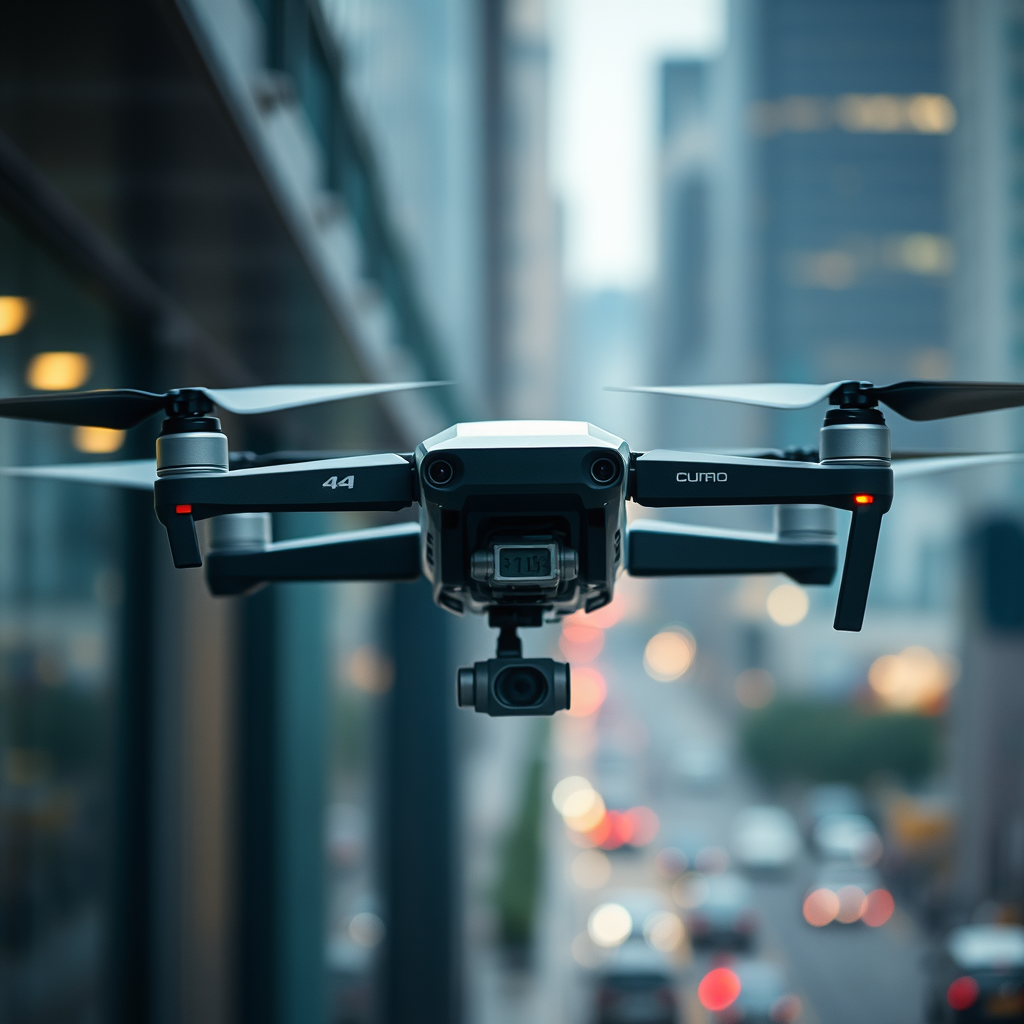
Passenger drones, often referred to as eVTOL (electric Vertical Takeoff and Landing) aircraft, are aerial vehicles specifically designed to transport humans. Unlike traditional drones used for photography or delivery, these vehicles are engineered with the capacity to carry passengers safely and efficiently within urban environments. The primary purpose of passenger drones is to alleviate traffic congestion on the ground while offering rapid transit over distances that would otherwise be time-consuming.
Several companies are at the forefront of this technology, including established aerospace firms and innovative startups. For instance, Uber Elevate (now part of Joby Aviation) has been working on developing a ridesharing network utilizing passenger drones, while companies like Volocopter and Lilium are designing their own models aimed at urban air mobility. These firms are not only focused on creating viable passenger drones but also on establishing the necessary infrastructure to support their operation, such as vertiports for takeoff and landing.
Current Regulations and Safety Standards
As the development of passenger drones progresses, regulatory frameworks are being established to ensure their safe integration into existing airspace systems. Key regulations governing the use of passenger drones include those outlined by the Federal Aviation Administration (FAA) in the United States, as well as similar governing bodies worldwide. These regulations typically require rigorous safety assessments, pilot licensing, and operational guidelines to mitigate risks associated with flying vehicles.
Safety standards are paramount before passenger drones can operate commercially. These standards encompass various aspects, including redundancy in critical systems, collision avoidance mechanisms, and emergency landing protocols. For example, the European Union Aviation Safety Agency (EASA) has proposed specific regulations targeting the certification of eVTOL aircraft, emphasizing the need for comprehensive safety measures. Manufacturers must demonstrate the reliability of their vehicles through extensive testing and validation processes to gain regulatory approval.
Technological Innovations Driving Drone Transport
Recent advancements in drone technology have significantly improved the feasibility of passenger transport. Key innovations include enhanced battery life, more efficient propulsion systems, and sophisticated navigation capabilities. For instance, battery technology has seen breakthroughs in energy density, enabling drones to fly longer distances without recharging. This is crucial for passenger drones, which need to cover urban areas effectively.
Moreover, the integration of artificial intelligence (AI) plays a vital role in enhancing the safety and efficiency of passenger drones. AI algorithms can facilitate real-time data analysis for navigation, obstacle detection, and emergency response. For example, AI can help in optimizing flight paths to avoid congested airspace or dynamically adjusting routes based on changing weather conditions. By leveraging machine learning and deep learning technologies, passenger drones can become more autonomous, reducing the need for human intervention and minimizing the margin for error.
Potential Use Cases for Riding in Drones
The implications of passenger drones extend far beyond mere convenience; they hold the potential to revolutionize urban transport systems. Urban air mobility, for instance, can significantly alleviate traffic congestion in densely populated cities. By taking to the skies, these drones can transform daily commutes, allowing individuals to bypass ground-level traffic jams and arrive at their destinations more swiftly. Cities like Los Angeles and Dubai are already exploring pilot programs to test drone taxi services within their metropolitan areas.
In addition to urban transportation, passenger drones can play a crucial role in emergency services and medical transport applications. For instance, drones can expedite the delivery of medical supplies or transport patients to hospitals in critical situations. Companies like Zipline have already demonstrated the efficacy of drone delivery in remote areas, delivering blood and medical supplies quickly and efficiently. This capability could be expanded to include passenger transport in emergencies, providing a vital service where traditional transportation may falter.
Challenges Facing Passenger Drones
Despite the exciting potential of passenger drones, several challenges must be addressed before they can be widely adopted. Technical challenges, such as battery limitations, present a significant hurdle. While advancements are being made, current battery technology may still not support the range and payload capacities required for commercial passenger drones. Additionally, air traffic control systems must evolve to accommodate the influx of aerial vehicles, ensuring safe and orderly operations in crowded urban airspaces.
Public perception and acceptance also pose challenges. Many people remain skeptical about the safety of flying in drones, particularly when it comes to automated systems. Building trust will require transparent communication from manufacturers and operators regarding safety measures and reliability. Public education campaigns will be essential to inform potential users about the benefits and safety of drone transport.
Future Prospects for Drone Rides
Looking ahead, industry experts predict that commercial passenger drone services could become a reality within the next decade. Companies are actively working towards obtaining the necessary regulatory approvals and conducting real-world testing to validate their designs. For example, Joby Aviation has already received significant investments and is conducting flight tests to expedite its service launch.
The potential economic impacts of passenger drones are substantial, with estimates suggesting that the urban air mobility market could reach billions of dollars in the coming years. This growth could create jobs in manufacturing, maintenance, and operation of passenger drones while contributing to a more efficient transportation network. As cities grapple with the challenges of congestion and pollution, passenger drones may emerge as a viable solution, reshaping urban landscapes and travel experiences.
In conclusion, while people can ride in drones through specialized passenger models, widespread use is still on the horizon. As technology and regulations evolve, the dream of drone taxis may soon become a reality, offering new transportation solutions. Keeping informed about developments in this exciting field will be crucial as we move toward a future where aerial transport becomes an integral part of urban life.
Frequently Asked Questions
Can people ride in drones like they do in helicopters?
Currently, most commercial drones are not designed to carry passengers due to safety, weight, and regulatory constraints. However, there are emerging technologies, such as passenger drones or eVTOL (electric vertical takeoff and landing) aircraft, that are being developed with the intention of transporting people. These vehicles are still in the testing phase and are subject to stringent regulations before they can operate commercially.
What are the safety regulations for passenger drones?
Safety regulations for passenger drones vary by country, but they generally include stringent requirements for pilot training, vehicle maintenance, and operational protocols. In the United States, the Federal Aviation Administration (FAA) is developing guidelines for eVTOLs that focus on airworthiness, operational safety, and pilot certification. As the technology evolves, these regulations will continue to adapt to ensure safe passenger transport.
How much weight can a drone carry if it were to transport a person?
The weight capacity of a drone depends on its design and specifications. Most consumer drones can carry only a few kilograms, but specialized drones designed for carrying passengers, such as eVTOLs, are engineered to lift significantly more weight. These passenger drones can typically carry between 150 to 250 kilograms (330 to 550 pounds), accommodating a single person or a small group along with their belongings.
Why aren’t drones currently used for passenger transport?
Drones are not widely used for passenger transport primarily due to regulatory hurdles, safety concerns, and technical challenges. Issues such as air traffic management, battery life, flight range, and public acceptance still need to be resolved. Additionally, the infrastructure required for takeoff, landing, and charging stations is still in development, making widespread use impractical at this time.
What are the best examples of passenger drones currently in development?
Some of the best-known examples of passenger drones currently in development include the Volocopter, which emphasizes urban air mobility, and Joby Aviation’s eVTOL, designed for longer distances. Other notable projects are the Archer eVTOL and the Lilium Jet, both aiming to revolutionize urban transportation. These companies are conducting extensive testing to ensure safety and efficiency before launching commercial services.
References
- https://en.wikipedia.org/wiki/Drone_taxi
- https://www.reuters.com/business/aeronautics/drones-are-now-used-transportation-2021-06-15/
- https://www.nytimes.com/2021/10/28/business/drone-taxis.html
- https://www.faa.gov/uas/
- https://www.sciencedirect.com/science/article/pii/S2351978920300351
- https://www.forbes.com/sites/bernardmarr/2021/07/12/the-future-of-drone-delivery-and-urban-air-mobility/?sh=3b4e4e4b2b53
- https://www.bbc.com/future/article/20210709-how-drone-taxis-could-change-transportation
