
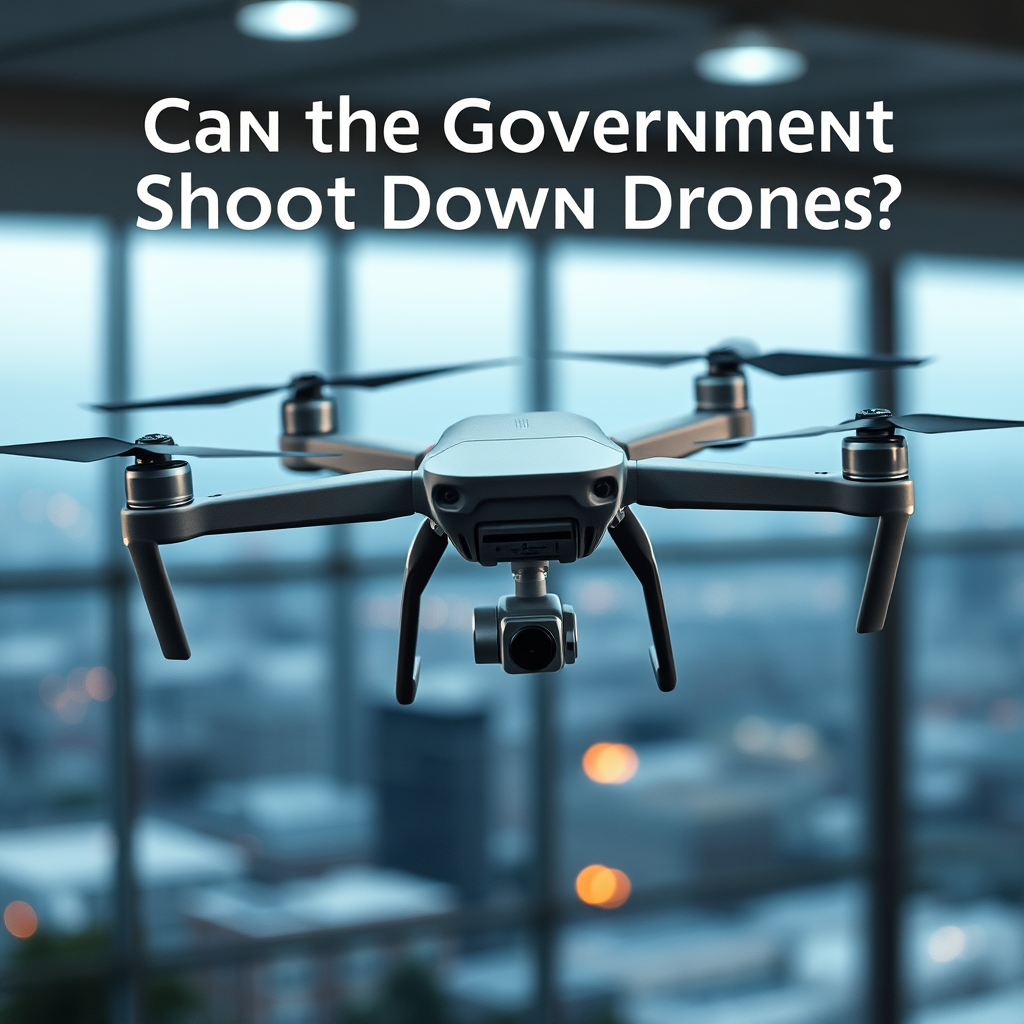
Yes, under specific conditions, the government can shoot down drones that pose a threat to public safety or national security. This authority is governed by a complex web of laws and regulations which dictate when and how such intervention can take place. As drone technology becomes increasingly accessible and prevalent in our airspace, understanding the legal framework surrounding drone interception is crucial for both governmental authorities and the public.
Understanding Drone Regulations
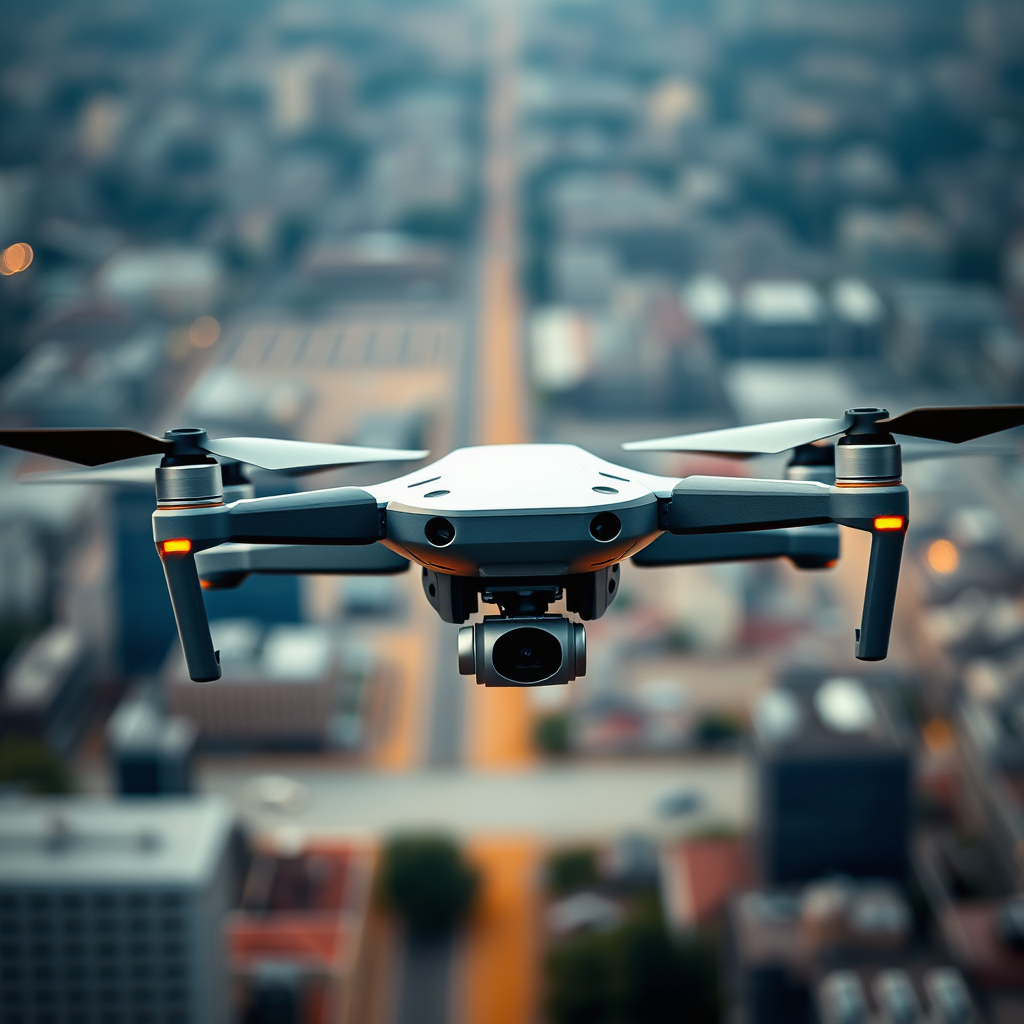
In the United States, drone regulations are primarily overseen by the Federal Aviation Administration (FAA), which categorizes drone use into two main types: recreational and commercial. Recreational drones are typically flown for personal enjoyment, adhering to guidelines that include keeping the drone within visual line-of-sight and not exceeding a maximum altitude of 400 feet. Conversely, commercial drones are used for business purposes, requiring operators to obtain specific certifications and follow stricter regulations, including obtaining a Remote Pilot Certificate.
The distinction between these two categories is vital, as the regulations surrounding each define not only how drones can be used but also the extent to which government authorities can intervene. As drone technology evolves, so too do the laws that govern their use, necessitating ongoing education for operators and law enforcement alike.
Government Authority and Legal Framework
The legal authority for government intervention against drones stems from several federal and state laws, including the FAA regulations, the National Defense Authorization Act (NDAA), and various state statutes that address aviation safety. The FAA has the primary jurisdiction over national airspace, which includes the authority to manage and regulate drone activity.
Furthermore, the government may invoke the principle of self-defense or national security when determining the appropriateness of shooting down a drone. This can include situations where a drone is perceived to be an imminent threat, such as when it violates restricted airspace, is involved in criminal activities, or is suspected of carrying harmful payloads.
The FAA plays a critical role in this legal framework by establishing guidelines that help both operators and authorities navigate the complexities of drone usage. Their policies are designed not just to promote safety, but also to protect citizens from potential threats posed by rogue drones.
Conditions for Shooting Down Drones
For the government to legally shoot down a drone, several criteria must be met. Firstly, the drone must pose an immediate threat to public safety or national security, which typically requires clear evidence of malicious intent or dangerous capabilities. Additionally, there must be no feasible alternative to neutralize the threat, such as using less lethal methods like jamming signals or deploying nets.
Examples of scenarios where drone interception may be justified include instances where a drone is flying over a restricted area, such as a military installation or a large public event, and is suspected of gathering intelligence or delivering a harmful payload. Another example could be a drone that is being operated near a wildfire, potentially causing further disruptions or hazards.
The decision to shoot down a drone is not taken lightly and usually involves multiple layers of oversight, including law enforcement and military authorities. Each situation is assessed based on the unique circumstances, potential consequences, and adherence to legal statutes.
Technological Capabilities
A variety of technologies are available to law enforcement and military agencies for disabling or destroying drones. These include radar systems that can detect drones at long distances, electronic warfare systems that can jam communications, and kinetic methods such as missiles or drones equipped with nets to physically capture rogue units.
However, these technologies come with limitations and challenges. For instance, jamming signals can interfere with legitimate drone operations and create safety hazards for other aircraft. The use of kinetic methods raises concerns regarding collateral damage, especially in populated areas. Furthermore, the rapid pace of technological advancements in drone capabilities necessitates that law enforcement agencies continually adapt and refine their approaches to drone interception.
Consequences of Shooting Down Drones
The repercussions of shooting down a drone can be significant, both for the government authorities involved and for the individuals operating the drone. Legally, if a government entity shoots down a drone without proper justification, it may face lawsuits from the drone owner for damages or violations of property rights. This can lead to complicated legal battles over issues such as privacy and trespassing.
From a public perception standpoint, the decision to shoot down a drone can provoke controversy. High-profile incidents may lead to public outcry over civil liberties, the right to privacy, and the limits of government authority. This scrutiny can prompt regulatory changes and influence public opinion on drone usage and legislation.
Additionally, the shooting down of drones may lead to heightened tensions between drone enthusiasts and authorities, further complicating the landscape of drone regulation and enforcement.
Case Studies and Precedents
Several notable incidents have shaped the conversation around government drone takedowns. One prominent case occurred in 2018 when the U.S. military shot down a drone near a military base in Syria after it was determined to be a threat. This incident underscored the complexities surrounding drone activity in conflict zones and highlighted the legal justifications for such actions.
Another example includes local law enforcement using drones for surveillance purposes and, in some cases, intercepting unauthorized drones over public events. These incidents have drawn attention to the need for clear guidelines and policies regarding the use of drones in sensitive areas and the responsibilities of operators to comply with regulations.
Lessons learned from these cases emphasize the importance of establishing clear legal frameworks and operational protocols for drone interception. As drone technology continues to advance, the implications of these incidents will likely influence future policy discussions and regulations.
In conclusion, while the government does have the authority to shoot down drones under certain circumstances, it is essential to understand the legal framework and the implications of such actions. Awareness of these regulations can help ensure responsible drone use and compliance with the law, fostering a balance between public safety and the rights of individuals. As drone technology evolves, continuous dialogue among stakeholders will be crucial in navigating the complexities of this rapidly changing landscape.
Frequently Asked Questions
Can the government legally shoot down drones that invade private airspace?
Yes, the government can legally shoot down drones under certain circumstances. If a drone is deemed to pose an imminent threat to public safety or national security, law enforcement agencies may take action to neutralize it. However, specific laws and regulations vary by country and state, and the use of force must generally be proportional and justified. It’s essential to consult local laws to understand the legal framework surrounding drone interception.
How does the government determine if a drone is a threat before shooting it down?
The government assesses various factors to determine if a drone poses a threat, including its flight path, altitude, and proximity to sensitive areas, such as airports or military installations. They may also consider intelligence reports, the drone’s capabilities, and its operator’s intentions. This assessment typically involves coordination among multiple agencies, including law enforcement and air traffic control, to ensure public safety and compliance with regulations.
What are the consequences if the government mistakenly shoots down a drone?
If the government mistakenly shoots down a drone, it could face legal repercussions, including lawsuits for damages or violations of privacy rights. The owner of the drone may seek compensation for the loss of their property, particularly if the drone was operating within legal parameters. Additionally, such incidents can lead to public outcry, debates over drone regulations, and potential changes in laws governing drone use and government response.
Why are there regulations surrounding the shooting down of drones by the government?
Regulations surrounding the shooting down of drones are in place to ensure public safety, protect citizens’ rights, and maintain airspace integrity. These laws aim to prevent unnecessary harm to individuals or property and to control the use of force by government agencies. By having clear guidelines, governments can manage drone-related incidents effectively while balancing security concerns and civil liberties.
Which agencies are responsible for shooting down unauthorized drones in the U.S.?
In the U.S., several agencies may be involved in shooting down unauthorized drones, including the Federal Aviation Administration (FAA), the Department of Homeland Security (DHS), and local law enforcement agencies. The U.S. military may also intervene in specific situations, particularly if national security is at stake. Each agency has distinct roles and protocols, often requiring coordination among them to assess threats and respond appropriately.
References
- https://en.wikipedia.org/wiki/Drone_regulation_in_the_United_States
- https://www.faa.gov/uas/
- https://www.bbc.com/news/world-us-canada-49705187
- https://www.reuters.com/article/us-usa-drones-insight-idUSKCN1V01JI
- https://www.nytimes.com/2020/01/27/us/drone-strikes.html
- https://www.eff.org/deeplinks/2021/05/what-you-need-know-about-drones-and-federal-law
