
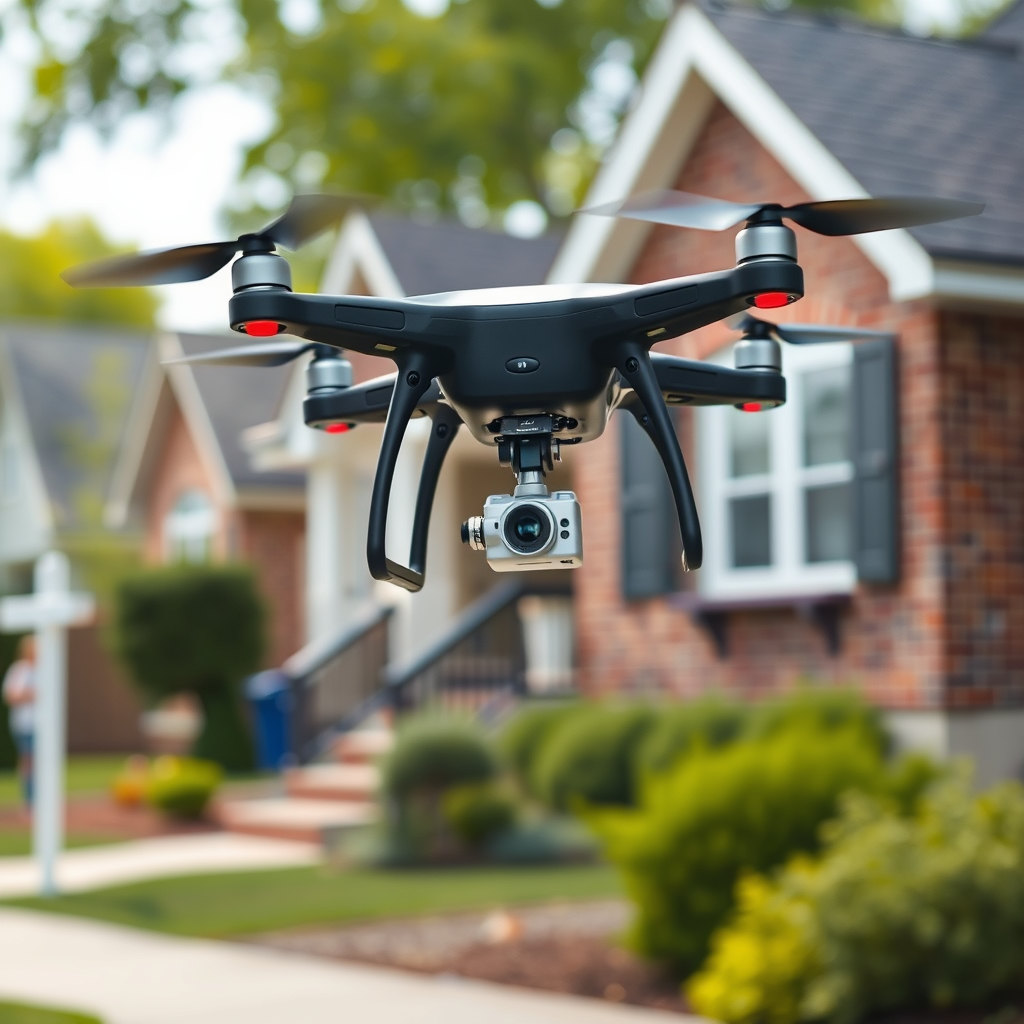
Yes, the police can fly a drone over your property under certain conditions, especially if they have a warrant or if there is an immediate need for surveillance. The use of drones in law enforcement is becoming increasingly common, bringing both benefits and concerns regarding privacy and legal rights. Understanding the legal framework and limitations surrounding drone usage by police is essential for property owners to protect their rights and navigate the evolving landscape of technology in law enforcement.
Understanding Drone Use by Police
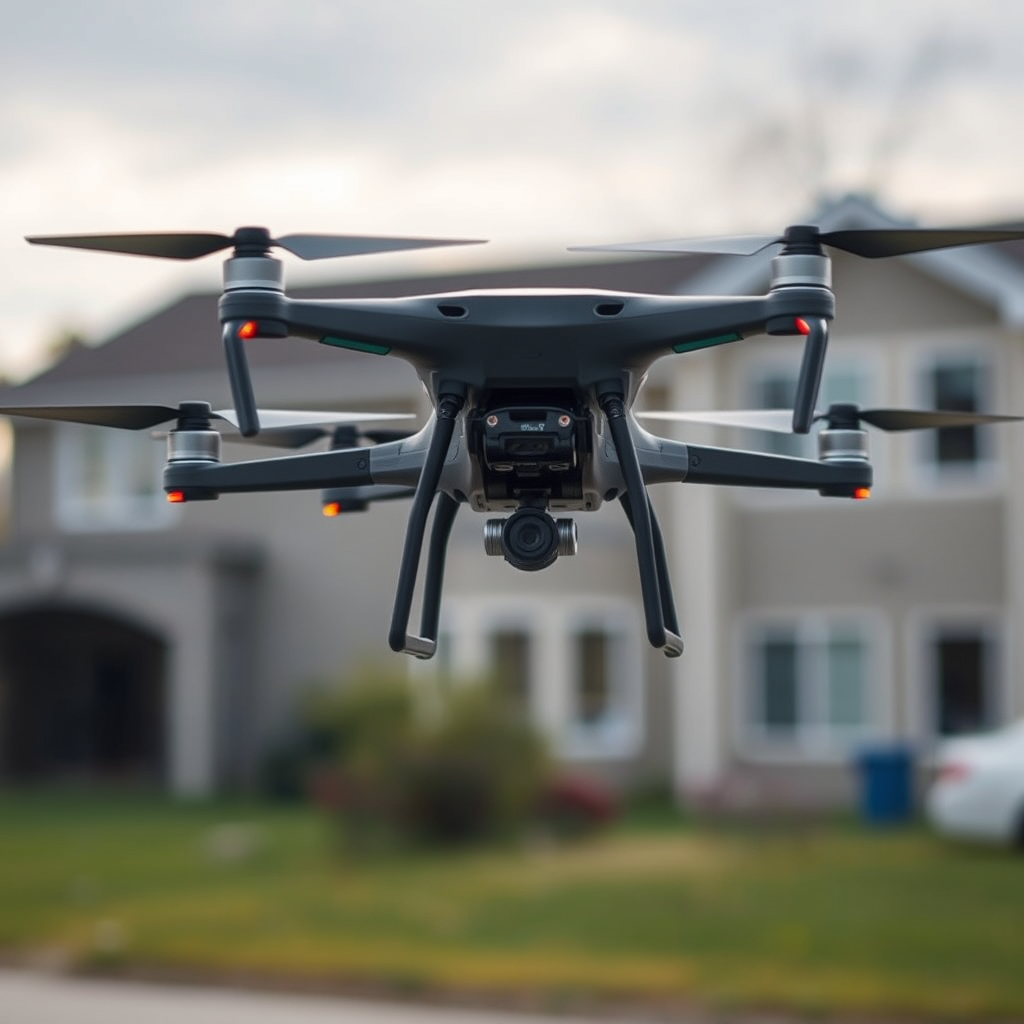
Drones have revolutionized many sectors, including law enforcement, where they serve as critical tools for surveillance, crime scene investigation, and public safety. Equipped with high-resolution cameras, thermal imaging, and advanced sensors, drones allow police to monitor large areas quickly and efficiently. The benefits of drone technology are manifold; they can provide real-time data during emergencies, assist in search and rescue operations, and enhance situational awareness during public events.
Moreover, drones can reduce the risks associated with traditional surveillance methods. For instance, they can access hard-to-reach areas without putting officers in harm’s way. As cities continue to face challenges related to crime and public safety, the integration of drones into law enforcement strategies is likely to increase, prompting discussions about their appropriate use and the ethical implications involved.
Legal Framework for Drone Surveillance
The legal framework governing police use of drones is rooted in the Fourth Amendment of the United States Constitution, which protects individuals from unreasonable searches and seizures. This amendment establishes the expectation of privacy that individuals have over their properties. However, the application of this protection in the context of drone surveillance can be complex.
Generally, if police wish to use a drone to surveil a private property, they must obtain a warrant based on probable cause. The warrant process ensures that the use of surveillance technology adheres to constitutional protections. However, there are exceptions to this requirement, particularly under exigent circumstances. For instance, if law enforcement believes that evidence might be destroyed or if there is an immediate threat to public safety, they may conduct drone surveillance without a warrant. The balance between public safety and individual privacy rights remains a contentious issue in legal discussions.
State Laws and Regulations
The use of drones by law enforcement is not uniform across the United States; individual states have enacted various laws and regulations that govern this practice. Some states, like California and Florida, have stringent laws requiring police agencies to develop specific policies regarding drone use, including obtaining warrants and notifying the public about surveillance activities. Other states may have more lenient regulations, allowing police greater discretion in deploying drones without strict oversight.
These variations can significantly impact enforcement and the accountability of police actions. For example, in states with robust privacy laws, citizens may have more recourse if they believe their rights are being violated. Conversely, in states with limited regulations, police may operate drones with minimal restrictions, raising concerns among residents about unwarranted surveillance.
Privacy Concerns and Public Perception
As drone technology becomes more prevalent in law enforcement, public concerns about privacy infringement have surged. Many individuals feel uneasy about being monitored from the sky without their consent, leading to fears of a surveillance state. The potential for misuse of drone technology—whether through unauthorized surveillance or data collection—fuels these anxieties.
Public opinion plays a critical role in shaping drone policy and legislation. Advocacy groups, civil liberties organizations, and concerned citizens have raised awareness about the implications of drone surveillance, pushing for clearer regulations and accountability measures. As communities engage in discussions about privacy and technology, policymakers are increasingly under pressure to create frameworks that protect individual rights while addressing the needs of law enforcement.
Case Studies and Precedents
Several notable cases have highlighted the legal implications surrounding police drone use over private property. In 2016, the case of State v. Barlow in North Carolina involved police using a drone to surveil a suspect’s property without a warrant. The court ultimately ruled that the drone surveillance constituted an unreasonable search under the Fourth Amendment, emphasizing the need for law enforcement to obtain warrants in similar situations.
Another case, Zurcher v. Stanford Daily, while primarily focused on search warrants, illustrates the broader principles of privacy rights and the legal standards that govern law enforcement actions. These cases serve as important precedents, shaping the ongoing dialogue about drone usage and its legal ramifications.
Best Practices for Police Drone Operations
To ensure responsible drone operations, law enforcement agencies should establish clear guidelines that align with best practices. These may include requiring warrants for most forms of surveillance, maintaining transparency with the public regarding drone usage, and implementing strict data retention policies to safeguard collected information.
Additionally, law enforcement should prioritize training for officers operating drones to ensure they are aware of legal boundaries and ethical considerations. Transparency and accountability are essential to maintaining public trust, thus fostering a cooperative relationship between law enforcement and the communities they serve.
What Property Owners Can Do
Property owners who suspect unlawful drone surveillance over their property have several options. First, they should document any instances of perceived drone activity, noting the time, date, and any identifiable features of the drone. If they believe their privacy rights have been violated, they can contact local law enforcement or file a complaint with relevant oversight bodies.
Moreover, individuals may seek legal advice to understand their rights and explore potential legal actions against unlawful surveillance. Resources such as the American Civil Liberties Union (ACLU) provide information on privacy rights and help individuals navigate the complexities of drone surveillance laws.
In conclusion, while police can use drones for surveillance over private property under certain conditions, it is crucial for property owners to be aware of their rights and the legal parameters governing such actions. As drone technology continues to evolve, staying informed will empower individuals to advocate for their privacy while understanding the balance between public safety and civil liberties. Engaging in community discussions and advocating for transparent policies can help shape a future where drone usage is both effective and respectful of individual rights.
Frequently Asked Questions
Can the police fly a drone over my property without a warrant?
Generally, police can fly drones over private property without a warrant if they are in public airspace and not violating any laws. However, laws can vary by state and local jurisdiction, and certain restrictions may apply, especially if the drone is being used for surveillance. It’s essential to understand your local regulations and the context in which the drone is being operated.
What are the legal limitations on police drone use over private properties?
Legal limitations on police drone use can vary significantly by location, but typically, law enforcement agencies must adhere to privacy laws and regulations governing aerial surveillance. Drones cannot be used to collect information in areas where individuals have a reasonable expectation of privacy, such as inside homes or backyards. Additionally, some states have implemented specific laws requiring police to obtain a warrant before using drones for surveillance purposes.
How can I find out if the police have flown a drone over my property?
To find out if law enforcement has flown a drone over your property, you can start by checking public records or contacting your local police department. Some jurisdictions may be required to log drone flights for transparency, especially if they are related to specific investigations. Additionally, reports or community bulletins may provide information on drone operations in your area.
Why would police use drones to survey private property?
Police may use drones to survey private property for various reasons, including monitoring large gatherings, searching for missing persons, or assessing crime scenes from an aerial perspective. Drones provide a cost-effective and efficient way for law enforcement to gather information without putting officers in potentially dangerous situations. However, their use must always balance operational needs with citizens’ privacy rights.
What should I do if I believe the police are unlawfully using drones over my property?
If you suspect that the police are unlawfully using drones over your property, you should document the occurrences, including dates, times, and any identifiable drone features. You can then file a complaint with your local police department or consult with an attorney who specializes in privacy law. Understanding your rights regarding aerial surveillance is crucial, and legal counsel can help you navigate the situation effectively.
References
- https://www.aclu.org/news/privacy-technology/2021/04/drones-and-the-law-what-you-need-to-know/
- https://www.eff.org/deeplinks/2016/05/what-you-need-know-about-police-drones
- https://www.ncbi.nlm.nih.gov/pmc/articles/PMC6821862/
- https://www.nytimes.com/2021/06/04/us/police-drones-privacy.html
- https://www.theguardian.com/us-news/2021/jul/12/police-drones-privacy-rights
- https://www.wired.com/story/police-drones-privacy-issues/
- https://www.faa.gov/uas/faq/
- https://www.justice.gov/criminal-ccips/file/877356/download
