
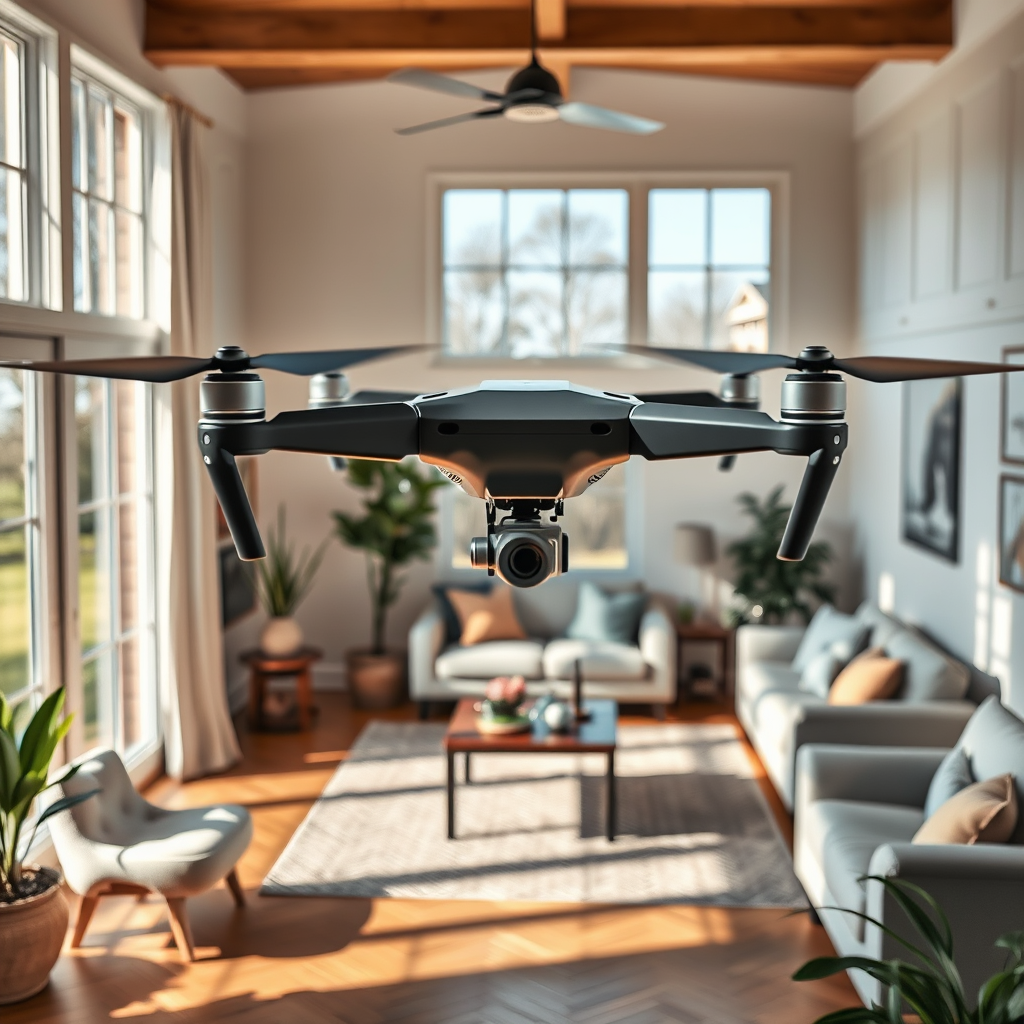
Yes, you can fly drones over houses, but there are important regulations and privacy considerations to keep in mind. As drone technology becomes increasingly accessible, understanding the legal landscape and ethical implications of flying over private properties is essential for both recreational and commercial users. This article will guide you through the legal aspects, safety measures, and ethical concerns related to flying drones in residential areas.
Understanding Drone Regulations
The Federal Aviation Administration (FAA) is the governing body in the United States responsible for regulating drone usage. Their guidelines are critical for ensuring the safety and legality of drone operations. For instance, drones that weigh less than 55 pounds and are used for recreational purposes generally must adhere to the FAA’s Part 107 regulations, which require operators to pass an aeronautical knowledge test and register their drones.
Moreover, different regulations may apply based on the drone’s weight and purpose. For example, commercial drone operators must acquire a Remote Pilot Certificate and follow stricter operational standards. Drones used for specific purposes, such as agricultural surveying or infrastructure inspections, may require additional certifications or permissions. Understanding these regulations is paramount to avoid potential fines and legal issues.
Local Laws and Restrictions
In addition to federal regulations, it is crucial to check local ordinances that may restrict drone flights in residential areas. Many municipalities have enacted specific laws governing drone operations, which can include defining zones where flying is prohibited, especially near schools, hospitals, and airports. For instance, some cities implement no-fly zones to protect sensitive areas or maintain community peace.
Some communities may have specific no-fly zones for privacy and safety. These can vary widely from one location to another, emphasizing the need for drone operators to conduct thorough research before flying. Local regulations can often be found on city or county websites, and in some cases, drone pilots may have to apply for permits to operate in certain areas. Ignoring these local laws can lead to hefty fines and loss of flying privileges.
Respecting Privacy Concerns
Flying drones over private property can raise privacy issues among homeowners. The mere presence of a drone hovering above someone’s home can create discomfort and anxiety, particularly if it is equipped with a camera. Drone operators should be acutely aware of local sentiments regarding drone surveillance and privacy to avoid conflicts with neighbors or community members.
For instance, some states have enacted laws that specifically protect individuals’ privacy from aerial surveillance. In these jurisdictions, filming or photographing someone’s private property without consent can lead to legal repercussions. Therefore, it is advisable to approach drone usage with caution and respect for the privacy of others. Engaging with the community and discussing drone operations can foster goodwill and understanding among residents.
Safety Measures When Flying
Safety should always be a top priority when flying drones, particularly in residential areas. Maintaining a safe distance from buildings and people is essential to avoid accidents and ensure the safety of both the drone operator and the public. The FAA recommends keeping drones at least 25 feet away from people and structures during operations.
Additionally, always keep your drone in sight and follow the manufacturer’s guidelines for operation. This includes understanding the drone’s capabilities, battery life, and any specific restrictions for use. Ensuring that the drone is in good working condition and that the operator is familiar with its controls can prevent malfunctions that could lead to accidents. Utilizing features like geofencing and return-to-home functions can also enhance safety during flights.
Best Practices for Responsible Flying
To promote responsible drone flying, obtaining permission from property owners before flying over their homes is strongly recommended. This not only demonstrates respect but can also prevent misunderstandings or conflicts. Engaging in open communication with neighbors about planned drone activities can help build a rapport and ease potential concerns.
Additionally, use drones equipped with cameras responsibly to avoid invading personal spaces. For example, if you’re capturing aerial footage for a project, be mindful of the angles and areas you choose to film. If your drone inadvertently captures footage of someone’s private moments, this could lead to privacy violations and backlash. Always err on the side of caution and prioritize ethical considerations in your operations.
Benefits of Flying Drones Over Houses
Despite the regulations and considerations involved, flying drones over houses presents several benefits. Aerial photography and videography, for instance, can significantly enhance real estate listings by showcasing properties from unique perspectives. High-quality drone footage can attract potential buyers and provide them with a better understanding of the property’s surroundings.
Moreover, drones can be invaluable for surveying and inspecting roofs or properties from a unique perspective. This capability allows homeowners and contractors to assess damages or plan renovations without the need for scaffolding or ladders. In agricultural contexts, drones can assist in crop monitoring and land assessment, providing farmers with crucial data to improve yield and efficiency.
Future of Drone Regulations
As drone technology evolves, so too will the regulations governing its use. Anticipating changes in laws is essential for both drone enthusiasts and commercial operators. As the technology becomes more sophisticated, discussions around airspace management, safety, and privacy will likely intensify, leading to potential updates in policies.
Staying informed about updates to policies that may impact drone usage in residential areas is vital. Following the FAA’s announcements, participating in drone community forums, and engaging with local aviation authorities can help operators remain up-to-date on any changes that may affect their flying activities.
Flying drones over houses can be permissible, but it requires awareness of regulations and respect for privacy. Always check local laws, prioritize safety, and consider the ethical implications of your drone flights. By adhering to legal guidelines and respecting the concerns of the community, drone operators can successfully navigate the complexities of flying in residential areas, harnessing the benefits of drone technology while maintaining responsible practices.
Frequently Asked Questions
Can you fly drones over houses legally?
Yes, you can fly drones over houses, but there are specific regulations you must follow. In the United States, the Federal Aviation Administration (FAA) allows drone flights over private property as long as the drone pilot is operating under the rules for recreational or commercial use. It’s crucial to ensure that you are not violating privacy laws or local ordinances, which may have restrictions on drone usage in certain areas.
What are the privacy concerns associated with flying drones over homes?
Flying drones over residential areas raises privacy concerns, as many homeowners may feel their personal space is being invaded. In some regions, laws protect individuals from having their property photographed or recorded without consent. To mitigate privacy issues, it’s best to respect people’s privacy by avoiding low-altitude flights directly over homes and being transparent about your drone activities when necessary.
How far should you fly a drone from someone’s house?
While there is no specific legal distance mandated by the FAA, it’s generally advisable to maintain a minimum altitude of 400 feet and fly at least 50-100 feet away from residential structures. This distance helps to avoid privacy violations and reduces the risk of disturbing residents. Always check local laws, as some areas may impose stricter regulations regarding drone operations near homes.
Why do some neighborhoods have restrictions on drone use over houses?
Neighborhoods may impose restrictions on drone use to enhance safety and privacy for residents. Drones can be perceived as intrusive, and their noise can disrupt the tranquility of a neighborhood. Additionally, local governments may implement regulations to prevent accidents and ensure that drone pilots operate their devices responsibly, as well as to maintain the overall quality of life for residents.
What should I do if I see a drone flying over my house?
If you notice a drone flying over your house and feel uncomfortable, first assess whether the drone is operating within legal parameters. If it appears to be flying at an unsafe altitude or behaving erratically, you may want to document the incident and contact local authorities or law enforcement. It’s important to know your rights regarding privacy, and you can also consider discussing your concerns with the drone operator if you feel safe doing so.
References
- https://www.faa.gov/uas/getting_started/fly_for_work/
- https://www.faa.gov/uas/resources/policies_regulations/
- https://www.nytimes.com/2022/04/21/technology/drones-faa-regulations.html
- https://www.npr.org/2021/07/02/1012134349/faa-drones-regulations-homes
- https://www.bbc.com/news/technology-50568735
- https://www.washingtonpost.com/technology/2021/06/23/faa-drone-regulations/
- https://www.nerdwallet.com/article/investing/drone-laws
- https://www.wired.com/story/what-know-flying-drone-2021/
- https://www.theguardian.com/us-news/2022/jul/05/us-drone-laws-regulations-faa
